Registering a Machine Bought Just Before June 30
Buying an off-highway vehicle (OHV) like an ATV or UTV in California is exciting, but the paperwork can quickly turn that excitement into a headache, especially when you find yourself making the purchase just weeks or even days before the state's universal June 30 registration deadline. Many riders feel frustrated, wondering if they're paying full price for a sticker that's about to expire, only to have to renew it immediately. This guide will walk you through exactly what happens when you buy a machine right before California's registration cutoff, clarifying the fees, the timeline, and the steps you need to take to avoid unexpected penalties.
The California OHV Registration Cycle: Why June 30 Matters
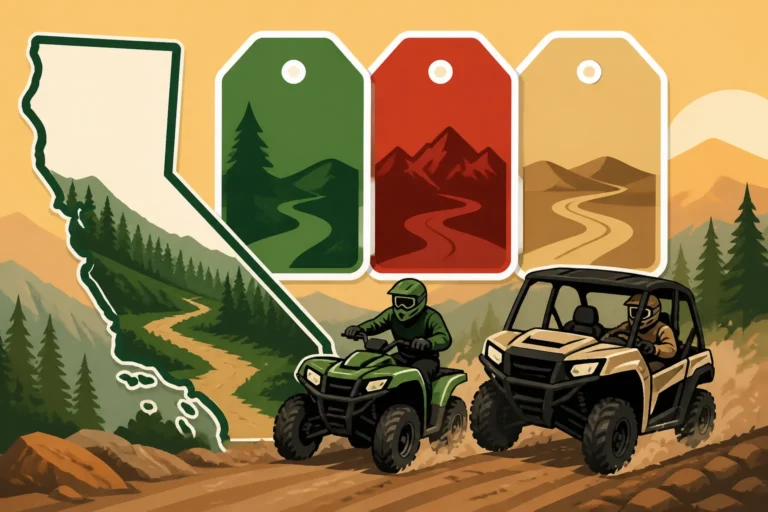
California has a unique system for off-highway vehicle registration, and understanding it is key to avoiding frustration, especially when buying a new-to-you machine. Unlike many other vehicle registrations that might expire on a rolling basis, perhaps on your birthday or the anniversary of the purchase, California's OHV registration operates on a fixed two-year cycle with a single, unmoving expiration date: June 30. This applies to all OHVs, whether they wear a Green Sticker, a Red Sticker, or even a Tan Sticker.
Understanding the Biennial Cycle
Every OHV in California that requires identification (which is most of them for public land use) gets registered for a two-year period. This means that when you receive your new sticker, it's valid from July 1 of the current year through June 30 two years later. For example, if we were in the middle of a registration cycle, say 2023-2025, any sticker issued during that period would be valid until June 30, 2025. Then, a new cycle would begin for 2025-2027, and so on. This consistent, two-year timeframe helps standardize administration and planning for the OHMVR Division, which manages the program and uses the funds for OHV-related projects and facilities.
This fixed cycle also means that no matter when in that two-year period you register your machine, the expiration date remains June 30. There's no prorating of fees, which is a common misconception and a source of significant confusion and irritation for many riders. If you register your machine in the middle of the first year of the cycle, you're still paying for the full two years up until that June 30 deadline. If you register it in the middle of the second year of the cycle, you're still paying the full biennial fee, even though your sticker might only be valid for a few months until the next June 30. The state does not adjust the fee based on how much time is left in the current cycle.
Why California Will Not Prorate Your Fee
The lack of prorated fees can feel incredibly unfair, especially when you buy an OHV in May or June and realize you'll need to renew it almost immediately. Imagine purchasing your dream side-by-side on June 15th, excitedly getting all your paperwork in order, paying the full registration fee, only to see "Expires June 30th" looming just a couple of weeks away. It’s a gut punch, making it feel like you’ve paid for two years but only received a fraction of that time. However, this is simply how the system is designed. The state's reasoning, from an administrative standpoint, is to simplify the process and reduce the complexity of calculating partial-year fees. All machines are on the same schedule, making renewals and enforcement more straightforward.
This means that if you buy a machine in May and complete the registration process, you are essentially paying for the remainder of the current two-year cycle. Since the current cycle is about to end, you will then need to pay again for the next full two-year cycle, which begins July 1. It feels like you're paying twice in a very short period, and it's a common complaint among new OHV owners in California. This fixed expiration date is one of the most important things to understand about [California's June 30 Expiration].
What Happens When You Buy an OHV in May or June
So, you found a fantastic deal on a quad or UTV, and the purchase closes in May or June. What now? The immediate thought for many is, "Do I even need to register it if it's going to expire so soon?" The answer is a resounding yes. You must complete the initial registration or transfer of ownership, even if the expiration date is just around the corner. Skipping this step means you'll be riding an unregistered machine, which can lead to citations and penalties on public lands.
The Immediate Registration Requirement
When you buy a used OHV from a private seller, you have a limited window to transfer the ownership into your name. California law generally requires you to notify the DMV of the transfer of ownership within a certain number of days from the purchase date. Even if the current sticker is about to expire, you are still responsible for [Transferring a California OHV Registration]. This transfer process involves submitting the necessary paperwork, such as the title (or a bill of sale if a title isn't available, though a title is always preferred for proof of ownership), and paying the associated transfer and registration fees. If the previous owner let the registration lapse, you’ll also be on the hook for any accumulated late fees, so it's always wise to check the status before buying.
During this initial registration or transfer, you'll pay the current biennial registration fee. As we discussed, this fee covers the remainder of the current two-year cycle, no matter how short that remainder is. For example, if you bought a machine in May of the second year of a cycle (e.g., May 2025 in a 2023-2025 cycle), you'd pay the full fee, and your sticker would expire on June 30, 2025. This means you'd only get about a month and a half of riding with that initial payment before needing to renew. It's frustrating, but it's the process.
Navigating the Quick Renewal
Because the June 30 expiration date is so close, you'll often find yourself in a situation where you've just paid for the current registration, only to receive a renewal notice for the next two-year cycle almost immediately. This isn't a mistake; it's simply how the system works. Once the current cycle ends on June 30, the new cycle begins on July 1, and you'll need a new sticker to be legal. This means that if you buy a machine in May or June, you should prepare to renew it very quickly, usually within weeks of your initial registration or transfer.
For many, this feels like paying for two registrations back-to-back. While technically correct that you're making two payments, it's actually one payment for the tail end of the old cycle and then one payment for the new, full two-year cycle. It's not ideal from a cash flow perspective, but it ensures your machine remains legally identified for public land use. You can typically [Renewing California OHV Registration] through the DMV, often online or by mail, once you've received your renewal notice. Don't delay, as late penalties can quickly add up.
Consider this scenario: you find an amazing vintage Honda ATC in early June. You buy it, get the bill of sale, and head to the DMV to transfer the title and pay the current registration. Let's say the current stickers are valid until June 30, 2025. You pay the fees to get the sticker issued in your name. You enjoy it for a few weeks, and then, come July 1st, you receive a notice to renew for the 2025-2027 cycle. Yes, you pay again. It’s an unavoidable quirk of [Registering a Machine Bought Just Before June 30].
The Costs Involved: Fees, Penalties, and What to Expect
When you buy an OHV in California, especially close to the June 30 deadline, you're not just looking at the sticker fee itself. There are several other costs and potential penalties that can quickly add up. Being aware of these helps you budget and avoid unpleasant surprises.
Understanding the Registration Fees
The primary cost you'll encounter is the biennial OHV registration fee. This covers the cost of the Green, Red, or Tan Sticker that allows your machine to operate on designated public lands. In addition to this main fee, there are often smaller, mandated fees that contribute to various state programs. These can include a fee for the [The $10 CHP Fee on a California OHV] and other administrative charges that fund the OHMVR Division's operations and grant programs.
When you're transferring ownership, you'll also pay a [California OHV Transfer Fee]. This fee is separate from the registration fee and is specifically for updating the ownership records. The total amount can vary depending on whether the machine has current registration or if there are any outstanding penalties from the previous owner. It's crucial to clarify all these costs at the DMV or through the official online portals to get the most accurate estimate for your specific situation.
Penalties for Late Transfer or Renewal
California doesn't mess around with late fees. If you delay in transferring the ownership into your name after purchasing an OHV, you can face a [The $28 Transfer Penalty in California]. This penalty applies if you don't complete the transfer within a certain timeframe (usually 10 days from the date of sale, though specific rules can vary). This is why it's so important to get to the DMV or submit your paperwork promptly.
Even if you've paid for the current registration, if you fail to renew for the next two-year cycle (the one starting July 1st), you'll quickly accrue [California OHV Late Registration Penalty] fees. These can be substantial, often increasing incrementally the longer you delay. For instance, the penalty might start as a flat fee and then add a percentage of the registration fee for each month it's overdue. This can make an already frustrating situation even more expensive, reinforcing the need for prompt action after a purchase, especially around the June 30 deadline.
| Scenario for OHV Purchase in May/June | Initial Registration | Renewal for Next Cycle | Potential Penalties |
|---|---|---|---|
| Purchased in May (Current Reg Valid) | Pay full biennial fee to transfer ownership for remaining 1-2 months. | Pay full biennial fee for the new 2-year cycle (starting July 1). | Late transfer penalty if not done promptly. |
| Purchased in May (Expired Reg) | Pay full biennial fee, plus prior late fees, to transfer and register for remaining 1-2 months. | Pay full biennial fee for the new 2-year cycle (starting July 1). | Late transfer penalty, previous owner's late registration penalties. |
| Purchased in June (Current Reg Valid) | Pay full biennial fee to transfer ownership for remaining days/weeks. | Pay full biennial fee for the new 2-year cycle (starting July 1). | Late transfer penalty if not done promptly. |
| Purchased in June (Expired Reg) | Pay full biennial fee, plus prior late fees, to transfer and register for remaining days/weeks. | Pay full biennial fee for the new 2-year cycle (starting July 1). | Late transfer penalty, previous owner's late registration penalties. |
Sales Tax Considerations
Don't forget about sales tax! When you purchase an OHV from a private party in California, you are generally subject to sales or use tax on the purchase price. This tax is typically collected by the DMV when you register the machine. Even if you only bought the machine for a few hundred dollars, that tax will be assessed. If you're coming from out of state, there are rules around [California Use Tax on an Out-of-State Quad] that you'll need to understand. Many people forget about this additional cost, so be sure to factor it into your budget when you're making a purchase. Using a legal document service like LawDepot for your bill of sale can help ensure you have all the necessary information for the DMV's tax assessment, as a clear purchase price is required.
Steps to Take After Buying an OHV Right Before the Deadline
The key to minimizing stress and avoiding extra costs when buying an OHV just before June 30 is to act quickly and be prepared. Having all your documents in order and understanding the process will save you headaches down the line.
Gather Your Paperwork Immediately
As soon as the deal is done, gather all the necessary documents. This typically includes:
- The Certificate of Title: This is the most crucial document, proving ownership. Ensure it's properly signed off by the seller.
- Bill of Sale: Even with a title, a detailed bill of sale is highly recommended. It should include the purchase price, date of sale, VIN, make, model, and contact information for both buyer and seller. Services like LawDepot can provide customizable bill of sale templates that ensure all the required details are captured. This document is vital for establishing the date of sale and the purchase price for tax purposes.
- [California Vehicle Verification on Form REG 31]: If the machine has never been registered in California, or if there are discrepancies, you might need a vehicle verification. This can be done by a DMV employee, CHP officer, or a licensed vehicle verifier.
- [What California's Form REG 343 Asks For]: This is the application for title or registration. You'll fill this out with your information as the new owner.
Do not delay in getting these documents in order. The clock starts ticking for your transfer period the moment you take possession of the OHV.
Schedule a DMV Appointment
While some OHV registrations and renewals can be handled by mail or online, for an initial transfer of ownership, especially with a used machine, visiting a DMV field office is often the most straightforward way to ensure everything is processed correctly. You'll want to [California OHV Registration Appointment at the DMV] as soon as possible after your purchase. This saves you valuable time waiting in line and ensures you can speak directly with a representative who can clarify any unique aspects of your situation.
Bring all your gathered documents, any payment methods you'll need for fees and taxes, and be prepared for potential questions about the vehicle's history or specifications. Even if you feel like you're paying twice because of the looming June 30 deadline, getting the transfer done correctly is paramount to avoid future issues.
Understand the Two-Payment Scenario
Mentally prepare for the likelihood of making two payments in rapid succession. The first payment will be for the transfer of ownership and the current biennial registration fee, covering the short period until June 30. The second payment will be for the new biennial registration cycle, starting July 1. This isn't an error, but rather a characteristic of [When California OHV Registration Expires] and its fixed two-year system.
You won't get a new physical sticker from your initial registration that lasts longer than June 30 of the current cycle. Instead, once you process the initial transfer, you'll soon receive a renewal notice for the upcoming July 1 start. Act on that renewal notice promptly to avoid late penalties. It’s a common scenario for anyone [Registering a Machine Bought Just Before June 30].
Display Your ID Plate and Sticker Correctly
Once your registration is complete, you'll receive a California OHV Identification Plate (often called a "sticker" in common parlance, though it's more like a small metal plate for some machines) and the corresponding color decal (Green, Red, or Tan). Make sure you understand [Where the ID Plate Mounts on a Quad] or other OHVs. The ID plate must be securely attached and clearly visible, typically on the left side of the machine. The color decal, indicating the registration year, is usually placed on the ID plate itself or in an adjacent, prominent location, depending on the machine type. Failure to properly display your identification can result in a citation even if your registration is current.
Disclaimer
This article is for general informational purposes only and does not constitute professional advice. Laws, prices and regulations vary by location and change over time. Consult a qualified professional for guidance on your specific situation.