California Green Sticker for a Dirt Bike
Riding a dirt bike in California offers some of the most exhilarating experiences out there, from dusty desert trails to lush forest routes. But before you can kick up that dirt, you absolutely need to make sure your machine is properly registered. For many dirt bike owners, especially those new to the Golden State or new to off-highway vehicle (OHV) ownership, understanding the California Green Sticker can feel like navigating a maze. This guide is here to untangle that confusion, explaining exactly what a Green Sticker is, why your dirt bike needs one, and how to get it so you can hit the trails legally and with peace of mind.
Understanding the California Green Sticker for Dirt Bikes
When you see other riders with those vibrant green decals on their fenders, it's not just a fashion statement or a random piece of flair. That little sticker is your dirt bike's passport to year-round off-highway fun on most public lands in California. It's the state's way of identifying off-highway vehicles that meet specific emission standards, essentially signaling that your bike is environmentally compliant enough to ride without seasonal restrictions.
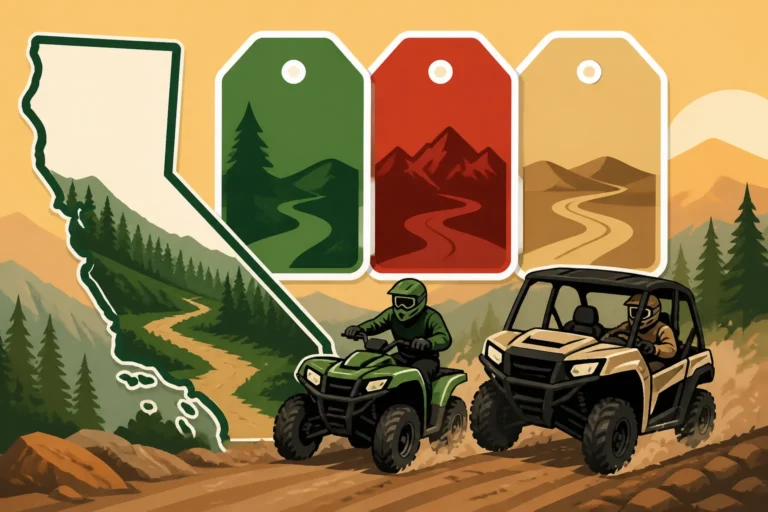
For dirt bike enthusiasts, this is huge. California has a robust system of OHV identification, and the Green Sticker is perhaps the most sought-after because it offers the most freedom. It contrasts sharply with the Red Sticker, which imposes seasonal riding restrictions in many areas, and the less common Tan Sticker for sanctioned events. If your dirt bike is eligible for a Green Sticker, you're looking at a much wider window of opportunity to enjoy California's incredible riding areas.
The Core Purpose: Year-Round Riding Freedom
The primary benefit, and indeed the entire point, of a California Green Sticker for your dirt bike is the ability to ride on designated OHV lands year-round. Imagine planning a trip to the Imperial Sand Dunes or Hungry Valley SVRA in the peak of summer, only to find out your machine is restricted. That's the frustration a Green Sticker helps you avoid. It means that your dirt bike has met the state's stringent emission standards, typically those set by the California Air Resources Board (CARB).
This year-round access is especially important given California's diverse climate and riding opportunities. From the cool, crisp mornings of a desert winter to the warm, extended evenings of summer in the mountains, a Green Sticker ensures your dirt bike is welcome. Without it, you might find yourself limited to specific times of the year, usually during the colder, wetter months when air quality concerns are historically lower. This can be a real bummer if your riding schedule doesn't align with these restrictions, forcing you to trailer your bike further or miss out entirely on prime riding conditions.
What Makes a Dirt Bike "Green Sticker Eligible"?
Not every dirt bike automatically qualifies for a Green Sticker, and this is where a lot of the confusion often arises. The key factor is emissions compliance, specifically how your dirt bike performs according to CARB standards. Generally speaking, older dirt bikes, particularly those manufactured before January 1, 2003, are often eligible for a Green Sticker regardless of their current emission profile. This is because they predate many of the stricter regulations that came into effect for newer models.
For dirt bikes manufactured in 2003 or later, the eligibility usually hinges on whether the engine was certified by CARB as meeting the latest emission standards for California. These machines will typically have a specific label from the manufacturer indicating their compliance. If your dirt bike was designed and built to be sold in California or meets these specific federal or state emission requirements, it's likely a Green Sticker machine. If it was originally sold in another state without California's stringent standards, or if it's explicitly labeled for "closed-course competition only," it might fall into the Red Sticker category, or not be eligible for public land registration at all. Checking your bike's emissions label, usually found on the frame or engine, is the first step to confirm its eligibility. You'll want to understand [What CARB Compliance Means in California] when considering this.
The Registration Process for Your Dirt Bike
Alright, so you've got your dirt bike, you're pretty sure it's Green Sticker eligible, and now you're itching to get it registered and hit the trails. The process itself involves a few key steps and some paperwork, much like registering any vehicle. While it might seem a bit daunting, especially if it's your first time, breaking it down into manageable parts makes it much clearer. The California Department of Motor Vehicles (DMV), or one of its authorized business partners, handles OHV registration.
It’s crucial to understand that even if you bought your dirt bike used from a private party, you'll still go through a similar registration process as if you bought it new from a dealer. The main difference will be the paperwork you present and whether you also need to transfer the title into your name. Remember, this isn't just about getting a sticker; it's about making sure your ownership is clear and your machine is legally allowed on public OHV trails.
Gathering Your Essential Paperwork
Before you even think about stepping foot in the DMV, you'll want to have all your ducks in a row concerning documentation. Missing a single piece of paper can lead to frustrating delays and multiple trips. The core documents you'll typically need include:
- Proof of Ownership: This is usually the vehicle's Certificate of Title. If you bought it new from a dealer, they might handle some of this, or you'll get the title directly. If you bought it used, the seller should provide you with the properly signed-off title. If the title is lost, the seller would need to apply for a duplicate first. Sometimes, a manufacturer's certificate of origin (MCO/MSO) is used for new machines.
- Bill of Sale: Especially important for private party purchases. This document proves the transaction occurred and outlines the details like purchase price, date, and seller/buyer information. It helps determine sales or use tax. If you're creating one, services like LawDepot can offer templates to ensure all necessary information is included, making the process smoother for both parties.
- Application for Title or Registration (Form REG 343): This is the main form where you provide all the details about yourself and your dirt bike. You can usually find this form on the DMV website.
- Vehicle Verification (Form REG 31): For many OHVs, particularly those without a prior California registration history, you'll need to have a California-authorized vehicle verifier inspect your dirt bike. They will check the VIN and other identifying features to ensure it matches the paperwork and isn't stolen. This can often be done at the DMV, a private registration service, or by a qualified verifier. You'll want to be familiar with [California OHV Vehicle Verification Requirements].
Having these documents complete and accurate is key to a smooth registration experience. Double-check everything before you go, including ensuring signatures are in the right places and all fields are filled out.
Navigating the DMV or an Authorized Business Partner
Once your paperwork is meticulously gathered, it's time to submit it for processing. You have a couple of options here, and understanding them can save you a lot of time and potential headaches.
The most common route is visiting a California DMV field office. You can make an appointment online, which is highly recommended to avoid long wait times. At the DMV, a clerk will review your documents, verify the information, and if everything is in order, they'll collect the necessary fees and process your application. They might also direct you to a vehicle verifier on-site if your dirt bike needs an inspection. It's often where people initially feel the frustration of the process, but coming prepared is your best defense.
Alternatively, you can utilize an authorized private business partner. These are third-party services that are licensed by the DMV to process vehicle registrations. They often charge a small service fee on top of the standard registration costs, but they can be a lifesaver if you want to avoid DMV lines and potentially get quicker service. Many ATV/UTV dealers also offer registration services for machines they sell, making it a one-stop shop. Regardless of where you go, the core requirements and the sticker you receive will be the same. Remember, the goal is to get your official Green Sticker and the corresponding registration card and ID plate for your dirt bike. If you're unfamiliar with the overall process, a good primer is [Registering an OHV in California].
Important Considerations for Dirt Bike Riders
Getting your Green Sticker is a huge step, but there's more to responsible dirt bike ownership in California than just having the right decal. Understanding the associated costs, how to keep your registration current, and where you can actually ride are all crucial pieces of the puzzle. Being informed means you can enjoy your machine without unexpected penalties or disappointment.
The regulations surrounding OHVs in California are designed to protect both riders and the environment. While they can sometimes feel restrictive, they are ultimately in place to ensure that these incredible riding areas remain open and accessible for generations to come. So, let's dive into some of the other important factors you'll need to keep in mind once your dirt bike is legally ready for action.
Understanding Costs and Fees
Registering your dirt bike in California, like any other vehicle, comes with a set of fees. These aren't just arbitrary charges; they contribute to the maintenance, development, and operation of California's extensive OHV recreation program, including the State Vehicular Recreation Areas (SVRAs) and grant programs for other public lands.
The primary fee is the OHV registration fee, which covers a two-year period. You might also encounter a titling fee if you're getting a new title issued in your name, a vehicle license fee, and potentially a local county fee depending on where you reside. If you purchased your dirt bike from a private party, you'll also likely pay sales or use tax on the purchase price. The exact amounts can shift over time, so it's always best to check the current schedule on the DMV website or with an authorized business partner. However, generally expect a combined cost that covers the registration itself, often a portion that goes to the California Highway Patrol, and the OHV Trust Fund. To get a better grasp of the overall financial picture, check out [California OHV Registration Cost].
Maintaining Your Registration and Proper Display
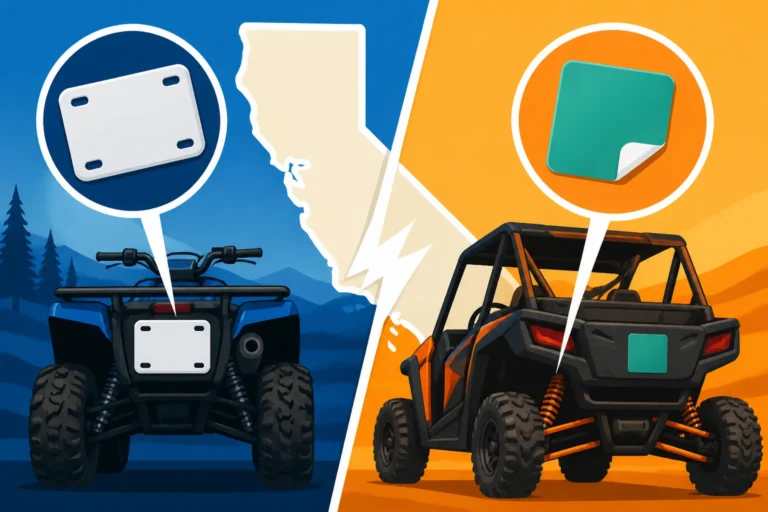
Once your dirt bike is registered, you'll receive your Green Sticker, a registration card, and an identification plate. The Green Sticker needs to be prominently displayed on the left side of your dirt bike, typically on the rear fender or fork, ensuring it's clearly visible. The identification plate, which will have your unique OHV number, also needs to be securely attached to your bike, usually on the rear. Make sure it's mounted in a way that it won't easily fall off or get obscured by mud or debris, especially after a hard ride.
Your registration is valid for two years, and the expiration date is always June 30th. It doesn't matter if you register in January or May; the sticker will expire on June 30th of the second year after issuance. You'll receive a renewal notice in the mail closer to the expiration date. It's crucial to renew on time to avoid late penalties and ensure continuous legal riding. Many people find it convenient to renew online or through a business partner when possible. For details on how to keep everything current, check out [Renewing California OHV Registration].
Riding Legally with Your Green Sticker
With your Green Sticker proudly displayed, you're now ready to explore! The beauty of having a Green Sticker dirt bike is that it grants you access to almost all designated OHV routes and areas throughout California, year-round. This includes the popular SVRAs like Oceano Dunes (for as long as it remains open to OHVs), Hungry Valley, Hollister Hills, and Ocotillo Wells, as well as vast tracts of BLM land and National Forests that permit OHV use.
However, a Green Sticker doesn't mean carte blanche to ride anywhere. You must still adhere to all other local, state, and federal regulations for OHV use. This includes staying on marked trails, respecting speed limits, observing quiet hours in campgrounds, and following rules regarding spark arresters, noise levels, and protective gear like helmets. Always check the specific rules of the riding area you plan to visit, as conditions and regulations can change. For example, knowing [Riding Glamis on a California Green Sticker] will give you an idea of what to expect at popular spots. Be a responsible rider, and your Green Sticker will unlock countless adventures.
Disclaimer
This article is for general informational purposes only and does not constitute professional advice. Laws, prices and regulations vary by location and change over time. Consult a qualified professional for guidance on your specific situation.