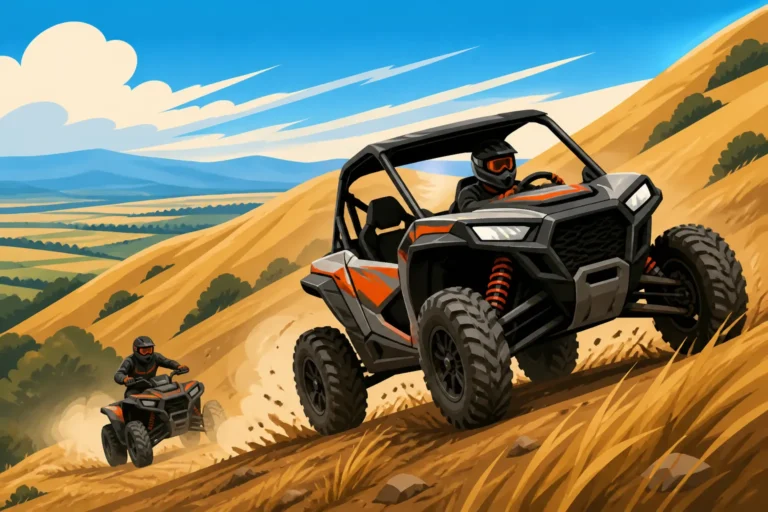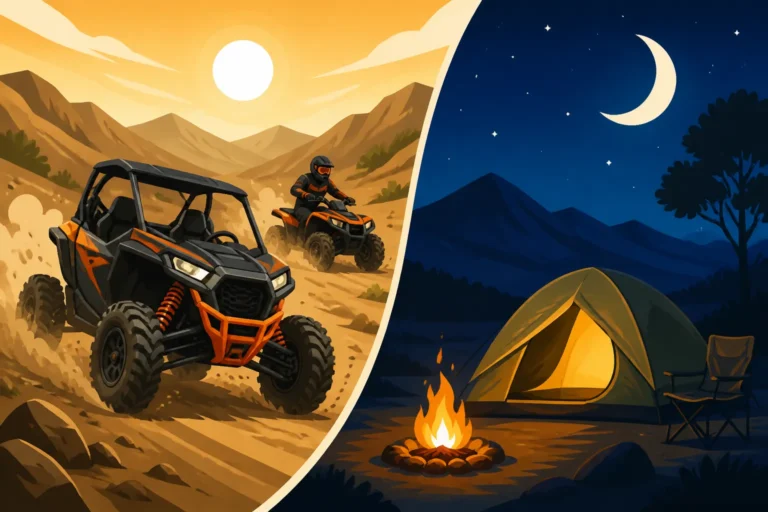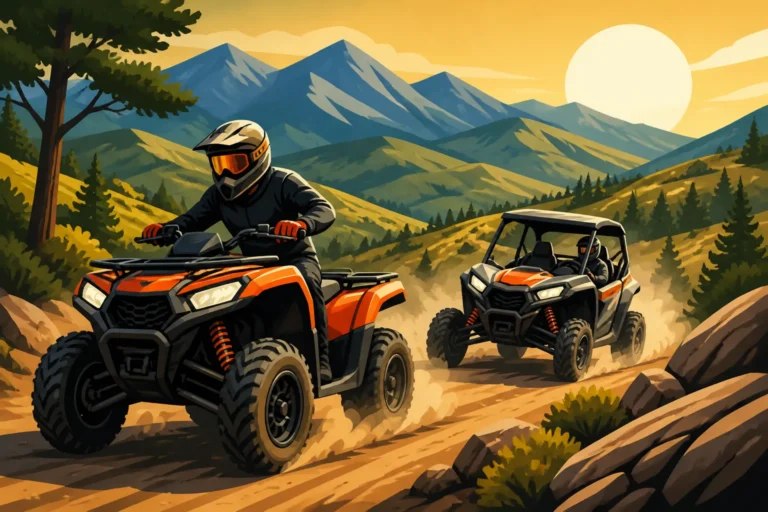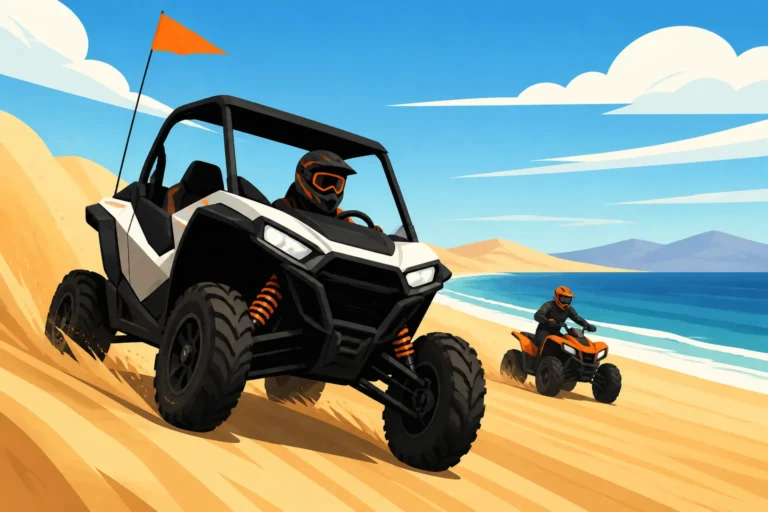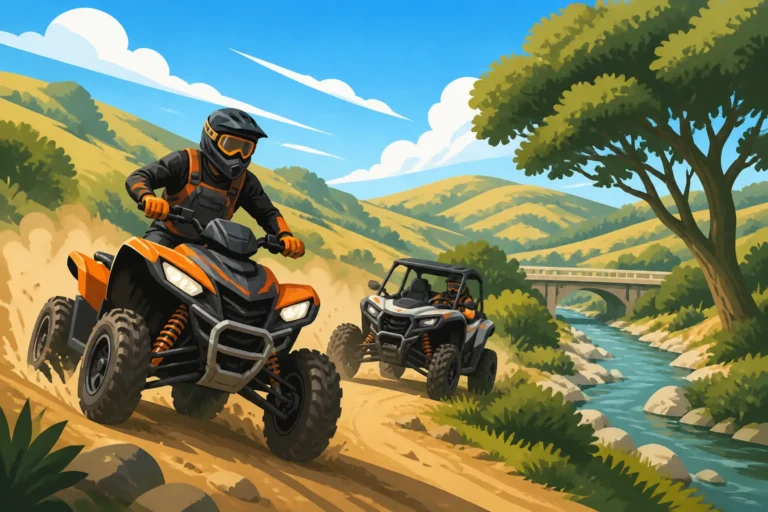
Glamis in October When the Season Opens
October can feel like the first real chance to get back to Glamis, but the desert does not run on a simple “season opens” switch. Heat, changing access conditions, permits, and busy holiday weekends all affect the trip. This guide explains how to plan an October ride, what to check before towing out, and how to make your first dunes weekend safer and less stressful.
What Glamis in October Is Really Like
The season is a window, not a guaranteed opening day
The Imperial Sand Dunes Recreation Area, often called Glamis, is a large desert riding area near the California–Arizona border. The main riding season is commonly associated with the cooler months, and October is when many riders begin looking toward the dunes again. But that does not mean every area, road, or recreation facility is automatically available on a particular day. Weather, land-management decisions, maintenance, and temporary closures can affect access.
Before you load the trailer, check the latest information from the land manager for the area you intend to visit. Confirm that your chosen access point and riding area are open, and look for restrictions that could affect camping, vehicle access, or travel routes. A social media post from a friend can be helpful, but it may be outdated by the time you leave home.
It also helps to separate the idea of an October season from the conditions of your specific weekend. Early October can still bring substantial heat, while a later October weekend may feel more comfortable but draw more visitors. The broader setting is explained in Glamis and the Imperial Sand Dunes and Imperial Sand Dunes, California’s Biggest Dune Field. Treat those as starting points for understanding the area, then confirm current access and requirements before traveling.
Expect desert heat, dust, and changing conditions
A calendar date does not guarantee mild weather. The dunes are exposed, shade is limited, and temperatures can remain demanding early in the season. Even when the air feels pleasant at camp, riding in direct sun and moving through soft sand can make a day feel much harder than expected. Carry more drinking water than you think you will need, and make a plan to stop before anyone feels depleted.
Wind can also change visibility quickly. Blowing sand may make it harder to see other machines, flags, terrain changes, or the route back to camp. If visibility drops, slow down, increase following distance, and stop in a safe place rather than trying to keep up with a group you can no longer see. A bright whip and flag help other riders spot your machine, but they do not replace careful spacing and attention.
October is a good time to be conservative with your first ride of the season. Start with a shorter outing, check how the machine handles in the sand, and avoid pushing through fatigue just because the group is eager to keep going. If conditions feel hotter or dustier than expected, changing the plan is sensible—not a failed trip.
Permits, Registration, and Rules to Check Before You Go
Know the difference between vehicle registration and a dune permit
One common source of frustration is arriving with paperwork that is valid for one purpose but does not cover another. California OHV identification or an accepted out-of-state credential relates to the machine’s registration or identification requirements. The Imperial Sand Dunes also have a separate recreation permit system. One should not be assumed to replace the other.
Check which permit applies to your visit, where it must be displayed, and whether the vehicle towing your OHV has a separate requirement. Requirements can differ depending on where you park and ride, so confirm the details for your planned access area instead of relying on what a friend bought on a previous trip. The practical distinction is covered in ISDRA Permits and California’s October Season and Why Your Tow Vehicle Needs a California Dune Permit.
If you are bringing a machine from outside California, check whether its registration or permit is accepted for the type of riding you plan to do. Do not assume a street-legal plate from another state settles every California OHV requirement. California OHV Reciprocity: Only Two States explains why out-of-state riders should check their specific credential rather than guess.
Do a paperwork and equipment check at home
Give yourself time to sort out the basics before departure. Keep registration or identification documents accessible, and make sure required permits are purchased and displayed as instructed. If you are borrowing a machine, confirm who is responsible for its paperwork. A last-minute search through a glove box at a checkpoint is an avoidable way to start a weekend.
| Before you leave | What to confirm | Why it matters |
|---|---|---|
| Vehicle paperwork | Registration, identification, and any required permit | A dune permit and vehicle credential may serve different purposes |
| Permit display | Placement and visibility requirements | A valid permit may still cause trouble if it is not displayed as required |
| Machine equipment | Flag, whip, lights, brakes, and safety gear | Visibility and basic function matter in crowded, uneven terrain |
| Route and access | Open access point, road conditions, and restrictions | Closures or changed access can disrupt the plan |
| Emergency plan | Water, communication, meeting point, and recovery plan | Groups can separate, machines can break down, and cell service may be limited |
Also inspect the machine while it is still easy to work on. Check tires, wheel nuts, brakes, lights, fuel system, and any parts that loosened or wore during the previous season. Bring basic tools and the supplies that match your machine; a small repair item can save a long, frustrating wait for help.
For navigation, an app such as onX Offroad can help you review routes and organize a ride plan before leaving home. Download maps or other needed information in advance if your phone may lose service. Use it as a planning aid rather than as permission to ride anywhere: posted restrictions and official land-management information take priority. If the group spreads out, agree on a route, regrouping point, and turnaround time before anyone sets off.
Choosing a Camp and Planning Your Riding
Pick a base that matches your group
Glamis is not one compact riding loop with a single obvious starting point. Your camp location affects how you launch a ride, how easy it is for your group to find one another, and how much time you spend moving between camp and the dunes. Think about the experience you want: a quieter base, convenient access, or a place suited to a larger group. Check any applicable camping rules and access details for your chosen area before committing.
Gecko Road is one of the names many visitors encounter while planning a Glamis trip, but it is not a reason to assume every nearby road or route is open to every vehicle. Review Gecko Road, Glamis and Buttercup for area context, and verify the specific route you expect to use. If you are considering a particular camp location, Camping at Gecko Road can help you think through the setting and planning questions.
A camp that looks convenient on a map may feel less convenient once you account for towing a trailer, unloading machines, and getting everyone organized. Consider how your group will handle fuel, food, shade, waste, and nighttime visibility. Mark your camp location in a way everyone can find, and make sure each rider knows what to do if they return after dark or become separated.
Make the first ride short and deliberate
For the first outing of the season, choose a route that lets the group get comfortable with the sand and conditions without committing to a long, complicated loop. Riders may have different experience levels, and machines that felt familiar months ago can feel unfamiliar after storage. Start at a pace the least experienced rider can manage, and stop to check for overheating, loose parts, fatigue, or equipment problems.
If you are using onX Offroad to plan, review your route before the ride and make sure everyone understands the intended direction and regrouping points. A single person should not be expected to navigate for a group that has already separated. Agree on a simple procedure: stop in a safe place if you lose sight of the group, avoid riding off alone to search, and return to the agreed meeting point if that is the plan.
Keep the route flexible. Soft sand, traffic, wind, and a rider’s comfort can all change how long a loop takes. Build in time to turn back before people are tired, thirsty, or under pressure to return to camp. The goal on a first October ride is to learn the conditions and finish with enough energy to enjoy the rest of the weekend.
Crowds, Safety, and Common October Planning Mistakes
Plan for more activity as the season builds
October can be a popular time to return to the dunes, and activity may increase around weekends and organized gatherings. Do not assume that an early-season trip will be empty. Allow extra time for access, unloading, and meeting up, and avoid making a tight schedule that depends on moving quickly through busy areas.
If you want a first visit that feels manageable, consider traveling with a small group whose members agree on pace and experience level. Set a clear meeting place and make sure everyone can identify the camp. In a large desert area, “we’ll find you later” is not a practical plan if phones have weak service or riders choose different routes.
Holiday weekends can bring a different level of traffic and activity than a routine weekend. Glamis on Thanksgiving Weekend offers a useful comparison for thinking about how a major gathering can affect the feel of a trip. Even if you are visiting in October, it is wise to plan for lines, crowded riding areas, and more people moving around camp.
Avoid the mistakes that turn a fun trip into a recovery job
A frequent mistake is treating a permit, a registration credential, and a route map as interchangeable. They answer different questions: whether the machine meets identification requirements, whether a recreation permit is required, and where you may travel. Check each one separately. Another common mistake is assuming a familiar-looking road is open for riding; stay on routes and areas where riding is allowed.
Water and heat planning deserve the same attention as mechanical preparation. Bring enough water for the length of the outing and make it easy for everyone to access. Decide in advance what the group will do if someone feels unwell or a machine breaks down. Carrying a phone is useful, but do not make the entire emergency plan depend on a reliable signal.
Finally, do not let the excitement of the season opener rush your decisions. Check conditions, use protective gear, keep a safe distance from other machines, and slow down when visibility or terrain makes it harder to judge what is ahead. For a broader look at the terrain and riding-area planning, Glamis From October to April is a helpful companion topic. A little preparation makes it easier to enjoy the dunes without spending the weekend troubleshooting avoidable problems.
Disclaimer
This article is for general informational purposes only and does not constitute professional advice. Laws, prices and regulations vary by location and change over time. Consult a qualified professional for guidance on your specific situation.