Why the Seasonal Riding Schedule Ended
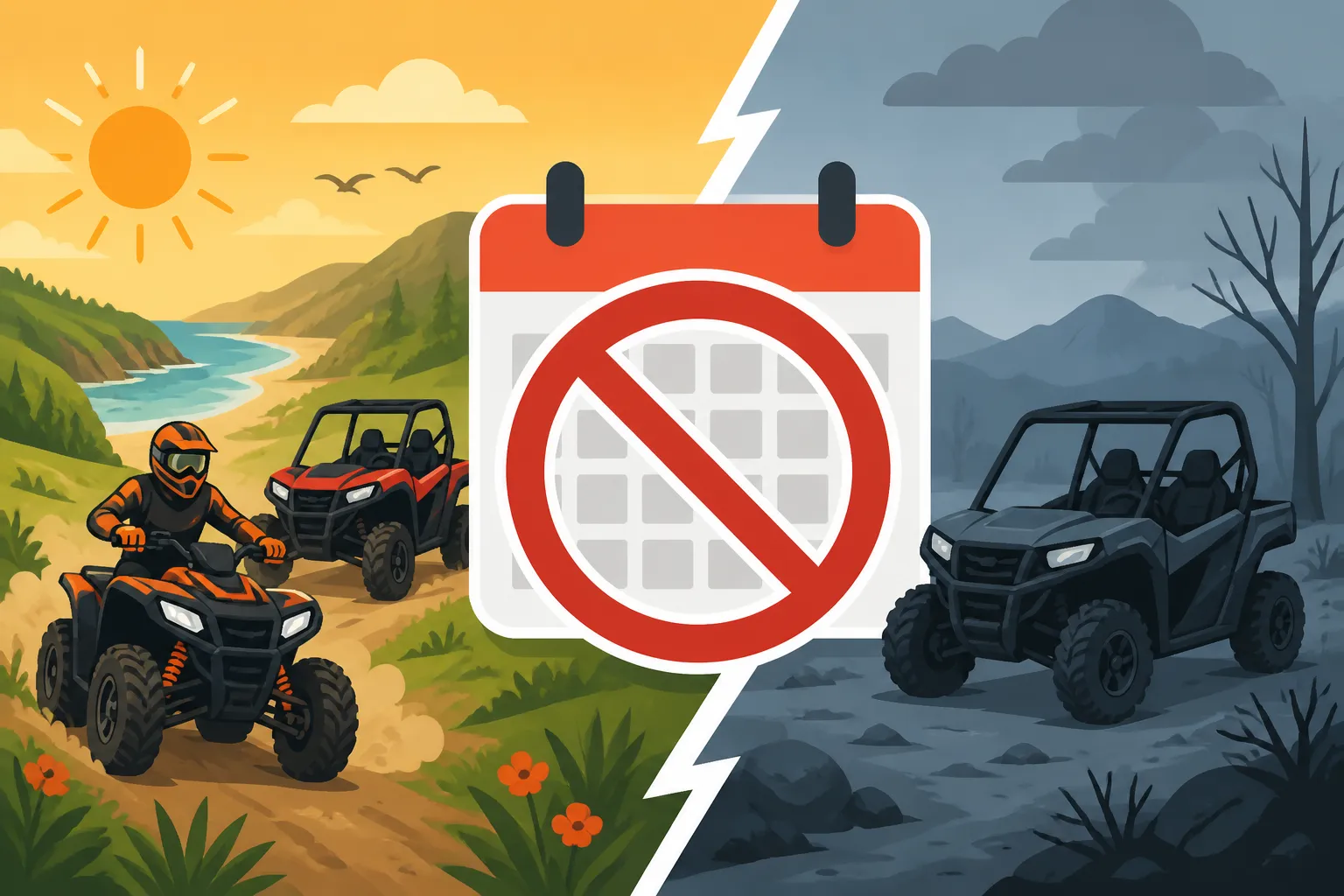
It used to be that planning an off-highway vehicle (OHV) trip in California felt like trying to solve a puzzle. You’d meticulously check the calendar, then the specific rules for your machine, then the regulations for the particular riding area, only to find out that your beloved quad or side-by-side was locked out during certain months because of its "Red Sticker" status. That frustrating seasonal riding schedule was a major headache for countless riders, leading to confusion, missed opportunities, and sometimes even unexpected citations. If you've ever felt that pinch, you're not alone. This comprehensive guide is here to unravel the mystery, explaining exactly why that seasonal riding schedule is largely a thing of the past and what it means for you today.
The Frustration of the Old Seasonal Riding Schedule
For years, the concept of a "Red Sticker" machine in California was synonymous with limited riding opportunities. It wasn't just a label; it was a calendar dictating when and where you could enjoy your OHV. This system, while intended for environmental protection, often left riders feeling penalized and restricted, especially those who invested in newer, high-performance machines.
California's Green, Red, and What They Meant for Access
At the heart of California's OHV identification system were two primary stickers: Green and Red. The [California's Green Sticker Explained] was, and largely still is, the golden ticket. If your machine sported a Green Sticker, you generally had year-round access to most designated public OHV riding areas. These stickers were initially issued to OHVs that met California's emission standards or to older machines that were "grandfathered" in under previous regulations, such as those built before 2002. For riders, seeing a Green Sticker meant freedom and fewer planning headaches.
The Red Sticker, however, was a different story entirely. These stickers were assigned to OHVs that did not meet California's more stringent emission standards for year-round use. This category predominantly included many performance-oriented dirt bikes, ATVs, and UTVs from model year 2003 and newer. The critical downside for Red Sticker owners was the seasonal restriction. Typically, this meant these machines could only be ridden on public lands during specific cooler, wetter months, usually from October 1 to April 30. During the hotter, drier months, when air quality concerns were heightened, Red Sticker machines were largely benched, leading to significant frustration among the riding community.
The Rationale Behind the Seasonal Restrictions
While incredibly inconvenient for riders, there was a specific rationale behind the seasonal restrictions for Red Sticker machines. The primary goal was to mitigate air pollution. The California Air Resources Board (CARB) identified OHVs, particularly those with older or less compliant engine designs, as contributors to air quality issues, especially smog. In warmer temperatures, exhaust emissions react differently in the atmosphere, creating more ground-level ozone – a harmful component of smog.
The seasonal riding schedule was a direct attempt to reduce these emissions during the peak ozone-formation periods of summer. By restricting access for higher-emitting machines when the environmental conditions were most conducive to smog, the state aimed to protect air quality. While the intention was clear, the practical application created immense logistical challenges and discontent. Riders often felt targeted, seeing their expensive recreational vehicles sit idle for half the year, while still paying [California's Biennial OHV Registration Fee]. It truly was a system that forced riders to plan their adventures around an arbitrary calendar, making spontaneous trips nearly impossible if you owned a Red Sticker machine.
The Driving Force: California's Environmental Mandates
California has long been at the forefront of environmental protection, often setting stricter standards than the federal government. This commitment to clean air and water inevitably extended to all vehicles operating within the state, including off-highway vehicles. The seasonal riding schedule wasn't born in a vacuum; it was a direct consequence of these aggressive environmental policies.
The Role of the California Air Resources Board CARB
Central to California's environmental efforts is the California Air Resources Board, or CARB. This powerful state agency is tasked with maintaining and improving air quality throughout California. CARB develops and enforces regulations for everything from vehicle emissions to industrial pollution. For OHVs, CARB's focus was on limiting the release of hydrocarbons, carbon monoxide, and nitrogen oxides from their engines. These pollutants contribute to smog, acid rain, and other environmental and health problems.
As technology advanced and environmental awareness grew, CARB's regulations became increasingly stringent. They looked at the entire spectrum of motorized vehicles, and OHVs, with their often less-controlled emissions compared to on-road vehicles, naturally came under intense scrutiny. Understanding [What CARB Compliance Means in California] for your OHV is paramount, as CARB's decisions have directly shaped the sticker system and access rules for decades.
Emissions Standards and How OHVs Were Targeted
CARB's strategy involved setting progressively tougher emissions standards for new OHVs. Initially, older two-stroke engines, known for burning oil along with fuel and producing significant exhaust, were a major concern. As four-stroke technology became more prevalent and efficient, CARB continued to push for cleaner designs. Manufacturers had to certify that their new models met specific pollutant limits to be sold in California.
OHVs were specifically targeted because, unlike street-legal vehicles that undergo regular smog checks, their emissions were historically less regulated in their operational environment. The seasonal riding schedule for Red Sticker machines was a compromise, allowing continued use of certain machines while attempting to manage their environmental impact by limiting their operation to specific times of the year. This approach created a distinct two-tiered system for OHVs based solely on their emissions certification and model year, heavily influencing which areas and seasons were open to riders.
The 2002 Cutoff: A Game-Changer for OHV Stickers
The year 2002 marks a pivotal moment in California's OHV history. This specific model year created a hard line in the sand, forever altering how off-highway vehicles were classified and regulated. This single cutoff date laid the groundwork for the Red Sticker dilemma and the eventual changes that led to the end of the seasonal riding schedule.
The Origin of the Green Sticker's Special Status
Before 2002, most OHVs were issued a Green Sticker, allowing year-round access to public lands. When California began to implement more stringent emissions standards for new OHVs, the state made a crucial decision: to "grandfather" in existing machines. This meant that any OHV with a model year of 2002 or older would continue to receive a Green Sticker, regardless of its actual emissions output. This policy was based on the idea that the fleet of older machines was finite and would naturally diminish over time.
So, for owners of [Machines Built Before 2002 and the Green Sticker], this was fantastic news. They could continue to enjoy year-round riding privileges without having to worry about new emission requirements impacting their beloved machines. This grandfathering clause inadvertently made older machines more desirable in some cases, as they came with unrestricted access that newer machines would soon lose. It truly cemented the Green Sticker as the preferred designation for those seeking unfettered recreational riding.
The Creation of the Red Sticker Dilemma
The flip side of the 2002 cutoff was the birth of the Red Sticker dilemma. Effective with model year 2003, any new OHV sold in California that did not meet the new, more stringent year-round emission standards for a Green Sticker was automatically designated a Red Sticker machine. These were typically performance-oriented models that, while exciting to ride, might not have been designed with California's strict air quality mandates as a primary focus.
This immediately created a clear and often frustrating divide. Riders who purchased a brand-new, cutting-edge machine from model year 2003 or later often found themselves with a Red Sticker, limiting their riding to those specific seasonal windows. This felt counterintuitive to many; why buy a new, technologically advanced machine only to have it restricted more than an older, potentially higher-polluting counterpart? This distinction led to widespread confusion and dissatisfaction, forcing riders to make tough choices about their purchases and often impacting their ability to ride with friends who owned Green Sticker machines. The Red Sticker, with its seasonal handcuffs, became a symbol of frustration for a significant portion of the California OHV community.
The Red Sticker's Gradual Sunset and New Designations
The frustration caused by the Red Sticker's seasonal limitations didn't go unnoticed. The OHV community, advocacy groups, and even state agencies recognized the need for a more sustainable and less restrictive solution. This collective pressure eventually led to a re-evaluation of the Red Sticker program and the introduction of new designations, ultimately leading to the end of the blanket seasonal riding schedule.
Pressure from the OHV Community and Legislative Response
For years, OHV enthusiasts across California voiced their discontent with the Red Sticker system. Riders felt penalized for owning newer machines, and the seasonal restrictions made planning family trips or even simple weekend rides a logistical nightmare. Advocacy groups worked tirelessly to highlight the economic impact on local communities that relied on OHV tourism, as well as the practical challenges faced by riders.
This persistent pressure eventually caught the attention of lawmakers and relevant state departments. The state recognized that a system that sidelined a significant portion of the OHV fleet for half the year was not ideal, especially when many newer machines were becoming increasingly cleaner, even if not fully Green Sticker compliant at the time of their original manufacture. The goal shifted from outright seasonal bans to finding ways to allow more year-round access while still upholding environmental goals. This legislative response signaled a willingness to adapt the rules in a way that better served both the environment and the recreational needs of the riding public.
The Introduction of the Tan Sticker and Its Purpose
One of the significant steps away from the strict Red Sticker seasonal schedule was the introduction of the [California's Tan Sticker Machines]. This new sticker designation, often referred to as a "competition sticker," was specifically created for a niche but important segment of the OHV community: those participating in sanctioned off-highway events.
The Tan Sticker allows year-round operation for eligible machines, specifically model year 2022 and newer competition OHVs, but only when participating in an organized, sanctioned event. This meant that machines designed for closed-course racing or competitive events, which might not meet year-round Green Sticker emissions standards for general recreational riding, could still be used without seasonal restrictions within the confines of an official event. This was a crucial step because it acknowledged that certain types of OHV use have different requirements and impacts. It also provided a legal pathway for high-performance, newer machines to be used year-round in their intended competitive environment. For riders needing specific documentation or waivers for such events, platforms like LawDepot can be a useful resource for generating custom legal forms.
[Tan Stickers on Model Year 2022 Machines] clarified that this new sticker was not a free pass for general recreational riding but a targeted solution for a specific type of OHV activity. It marked a significant departure from the old Red Sticker's one-size-fits-all seasonal ban.
The Major Shift: Red Stickers After January 2025
The most significant change, and the direct answer to why the seasonal riding schedule ended, came with the updated regulations regarding [Red Sticker Machines After January 2025]. This is the true game-changer that many riders had been hoping for. Effectively, the seasonal riding schedule that once defined the Red Sticker program has been phased out for a large segment of machines.
Starting in January 2025, many Red Sticker machines that were previously restricted to seasonal use are now eligible for year-round riding. How does this work? It’s all about emissions compliance. Newer Red Sticker machines that can demonstrate they meet the equivalent emission standards of a Green Sticker for their particular model year are now granted year-round access. The Red Sticker now primarily identifies a machine that originally required seasonal restrictions but may now qualify for year-round use if it meets updated, specific emissions criteria for its manufacturing year. This doesn't mean all Red Sticker machines are suddenly Green Sticker equivalents overnight. It means the focus has shifted from a blanket seasonal ban based solely on the Red Sticker designation to a more nuanced approach based on a machine's actual emissions performance relative to its model year. This change significantly expands riding opportunities for countless OHV owners, making those frustrating calendar checks a thing of the past for many.
Navigating the New Landscape: What Riders Need to Know Today
With the seasonal riding schedule largely phased out for Red Sticker machines, the landscape for California OHV enthusiasts has changed considerably. It's a positive shift for many, but it still requires understanding the nuances of the current sticker system to ensure compliance and avoid issues.
Green Sticker: Still the Gold Standard for Year-Round Access
Even with the evolution of the Red Sticker, the Green Sticker remains the most straightforward path to year-round OHV recreation in California. For any OHV from model year 2002 or older, the Green Sticker continues to grant unrestricted access based on the original "grandfathered" policy. This means if you have a cherished older machine, your riding privileges remain largely unchanged. For newer machines, if they are manufactured to meet California's stringent year-round emission standards, they too will receive a Green Sticker.
The simplicity of the Green Sticker means fewer worries about seasonal closures (though specific riding areas can still have their own temporary closures for other reasons like fire danger or environmental protection). For many, a Green Sticker machine, whether old or new, represents the ideal for hassle-free OHV adventures. If you're considering purchasing a new OHV specifically for California riding, looking for a Green Sticker compliant model is often the path of least resistance for maximizing your access. Owning a [California's Green Sticker for a Pre-2002 Machine] or a brand-new compliant model still means you hold the ultimate pass for California's diverse OHV terrain.
Red Sticker Machines in the Post-Seasonal Era
The biggest change, as we've discussed, is for the [California Red Sticker Rules Today]. Many newer Red Sticker machines, those manufactured from 2003 onwards, are no longer subject to the automatic seasonal riding schedule. This is a massive relief for owners who previously had to bench their machines during the warmer months. The crucial point here is that these machines must still meet a specific emissions standard – essentially, the equivalent of a Green Sticker for their particular model year.
What this means in practice is that the Red Sticker is no longer solely a badge of seasonal restriction. Instead, it signifies that the machine was originally manufactured from model year 2003 or later and, while it might have initially faced seasonal restrictions, it may now qualify for year-round use if it meets contemporary emissions standards. It's important to understand that simply having a Red Sticker doesn't automatically mean year-round access for all such machines. Riders still need to ensure their specific OHV complies with the emissions criteria for year-round eligibility. The seasonal calendar is gone, but the environmental responsibility remains. It means you can now plan trips to Glamis or Oceano Dunes outside the traditional "winter" season, provided your Red Sticker machine meets the current requirements.
The Specifics of the Tan Sticker for Event Riders
While the Red Sticker changes address general recreational riding, the Tan Sticker carves out a specific path for event participants. The Tan Sticker is exclusively for competition machines from model year 2022 and newer that operate at sanctioned events. This is not for casual trail riding or dune carving; it's for races, organized competitions, and other officially recognized events.
If you're a serious competitor, the Tan Sticker allows your purpose-built race machine to be used year-round within the context of these events. This often involves specific event permits, waivers, and adherence to event rules, which can vary widely. When participating in such events, ensuring all legal documentation is in order is critical. For instance, event organizers often require signed liability waivers from participants, and having access to customizable legal templates, such as those offered by LawDepot, can be very helpful for both organizers and riders to ensure everyone understands their obligations and rights. Remember, the Tan Sticker is a specialized designation, not a substitute for a Green Sticker for general riding, and its use is tightly coupled with sanctioned events.
Practical Implications and Preparing for Your Next Ride
Understanding the changes to California's OHV sticker system is one thing, but applying that knowledge to your actual riding plans is another. The end of the seasonal riding schedule is a huge win for riders, but it still requires a proactive approach to ensure compliance and maximize your enjoyment on the trails and dunes.
Verifying Your Machine's Status and Sticker Type
The first step in preparing for any ride is to clearly understand your OHV's current status. You need to know what sticker your machine has and, if it's a Red Sticker, whether it now qualifies for year-round access under the updated rules. You can typically find your machine's model year on the manufacturer's plate or in its documentation. If you're unsure about your Red Sticker machine's compliance for year-round use, check the emissions label on the machine itself. This label provides critical information about the vehicle's certification. The [California OHV Emissions Label Location] is usually found on the frame, near the engine, or under the seat. Look for references to CARB compliance or specific emission standards that might indicate its eligibility for year-round operation.
If you're buying a used machine, especially one with a Red Sticker, it's crucial to verify its model year and confirm its emission status for post-2025 year-round eligibility. This due diligence can save you from unexpected restrictions down the road.
Planning Your Rides Under the New Rules
While the statewide seasonal restriction for Red Stickers is largely gone, it's vital to remember that individual riding areas, whether State Vehicular Recreation Areas (SVRAs) or Bureau of Land Management (BLM) lands, may still have their own seasonal closures or restrictions for reasons unrelated to sticker type. These can include fire danger, nesting wildlife, trail maintenance, or weather-related closures. Always check the specific area's website or contact their office before heading out.
The removal of the blanket seasonal ban means you now have more flexibility to plan trips to desert areas in the summer or mountain trails in the shoulder seasons, provided the area itself is open and your machine is compliant. This opens up new possibilities for year-round adventure across the state. Remember, even with these expanded opportunities, understanding the [California OHV Registration Paperwork Checklist] and keeping all your documents current is non-negotiable. If you're involved in any shared ownership or lending arrangements for your OHV, having clear legal agreements, possibly drafted with the help of services like LawDepot, can prevent future misunderstandings.
The Enduring Importance of Proper Registration
No matter what color sticker your OHV sports, or whether you ride year-round or seasonally, one thing remains absolutely constant: all OHVs operated on public land in California must be properly registered. [Registering an OHV in California] is a legal requirement, and failure to do so can result in fines and other penalties.
Your registration ensures that your machine is properly identified and that you're contributing to the OHV trust fund, which helps maintain and develop California's riding areas. Remember that California operates on a biennial registration cycle, meaning your sticker is valid for two years. Be mindful of the [California's June 30 Expiration] date, as late renewals can incur additional fees. Always ensure your registration is current, prominently displayed, and that you carry proof of registration with you whenever you ride. The sticker color may dictate where and when you can ride, but proper registration ensures you can ride at all.
Disclaimer
This article is for general informational purposes only and does not constitute professional advice. Laws, prices and regulations vary by location and change over time. Consult a qualified professional for guidance on your specific situation.