What Rangers Check at Hollister Hills
It's a common scenario: you pull into Hollister Hills, excited to hit the trails, and as you're unloading, you spot a park ranger making their rounds. Immediately, a little flutter of anxiety might hit. "Did I forget anything? Is my sticker current? Are my kids' helmets on right?" It's totally natural to feel that way, but understanding exactly what rangers are looking for can turn that anxiety into confidence, ensuring your day on the dirt is worry-free and fun. This guide will walk you through the common checks rangers perform at Hollister Hills and other California State Vehicular Recreation Areas (SVRAs), so you can be fully prepared.
The Essentials: Sticker, Plate, and Paperwork
Before you even think about hitting the throttle, rangers will often perform a quick check of your machine's basic legality. This is about ensuring your OHV is properly registered and identified, and that you have the proof to back it up.
Valid California Registration Sticker and ID Plate
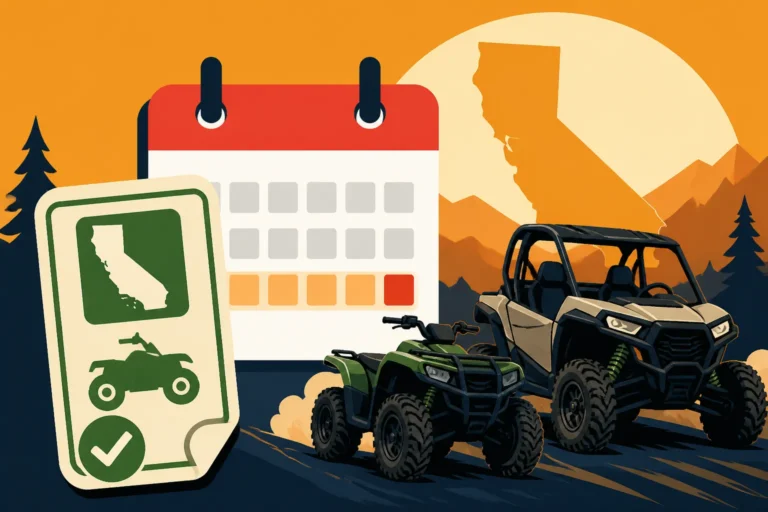
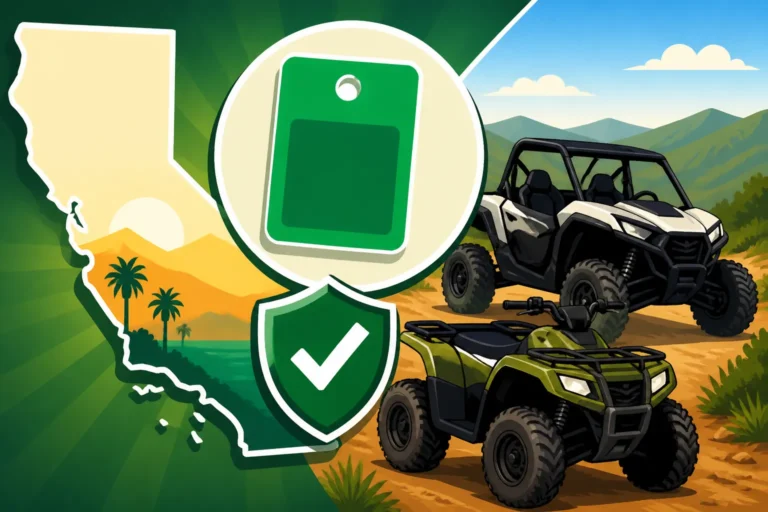
The most fundamental thing any ranger will look for is a current, valid California OHV registration sticker displayed properly on your machine. California OHVs are typically registered on a two-year cycle, and these colorful stickers – Green, Red, or sometimes Tan – are your ticket to ride. Each sticker indicates different things about your machine's emissions compliance and when it can be ridden. For instance, [California's Green Sticker Explained] means your machine meets stricter emissions standards and can generally be ridden year-round in most areas. If you have a Red Sticker, you might remember [Red Stickers and What Changed in California] in recent years, which impacted seasonal riding. Then there are the newer Tan Stickers, and understanding [California's Tan Sticker Eligibility] is key for some model years.
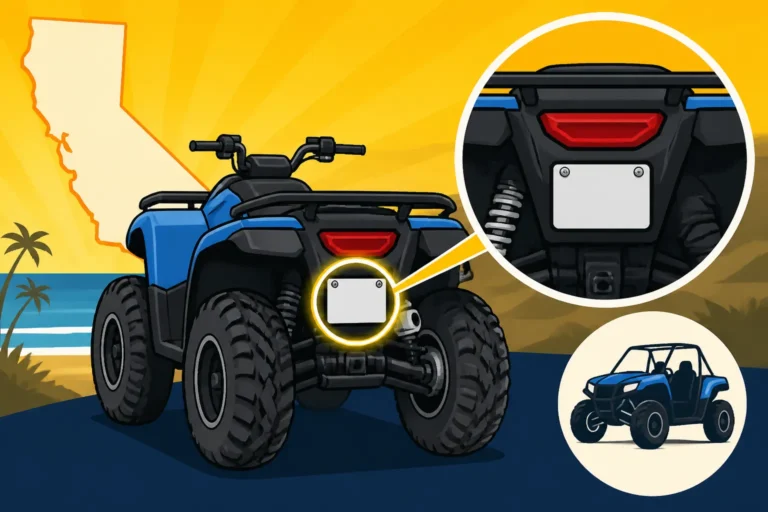
Along with the sticker, your Off-Highway Vehicle Identification Plate, often just called an ID plate, must be securely mounted and clearly visible. This plate, unique to California, carries your registration number. It shouldn't be bent, caked in mud to the point of being unreadable, or missing altogether. Think of it as your OHV's license plate – it needs to be there, and it needs to be legible. If a ranger sees an expired sticker or a missing plate, they're going to have to stop you, which puts a damper on everyone's day. It's not about being difficult; it's about enforcing the rules that help fund and maintain these fantastic riding areas for all of us.
Carrying Your Registration Card
Having the sticker and plate is half the battle; the other half is being able to prove it's yours and current. This is where your registration card comes in. Just like with your car, you're required to carry the actual registration card for your OHV when you're operating it. While it might be tempting to just snap a photo on your phone, most rangers will want to see the physical card. What if your phone battery dies? What if the screen is cracked and unreadable?
Finding a safe, waterproof place for your registration card is crucial. Many riders use small, zippered pouches that attach to the handlebars or within a storage compartment. Some even laminate their cards (after making a photocopy for their records, of course). The key is accessibility and protection from the elements. Imagine being deep on a trail, your machine breaks down, and a ranger comes to assist – they'll need to confirm ownership and registration. You can learn more about this general requirement in our guide on [Carrying Registration Paper on the Sand]. Being prepared with your physical card avoids any delays or potential citations.
What if You're an Out-of-State Rider?
California is a prime destination for off-road enthusiasts, and we welcome riders from all over. However, if your OHV is registered in another state, you might need a special permit to ride in California SVRAs like Hollister Hills. California has a specific [California's Nonresident OHV Use Permit] for out-of-state machines. Not all state registrations are reciprocal with California. For example, [Does California Honor Arizona OHV Registration?] – typically, no, you'll need that California nonresident permit.
Rangers are very familiar with different state plates and decals. If they see an out-of-state machine without a California nonresident permit, they will stop you. This permit is relatively inexpensive and easy to obtain, often available online or at local OHV vendors. It's a small step that ensures you're riding legally and contributing to the upkeep of California's fantastic trail system. Don't risk a fine or having your riding day cut short because you assumed your home state's registration was enough. Always check California's specific requirements before trailering your rig across state lines.
Safety Gear and Machine Compliance
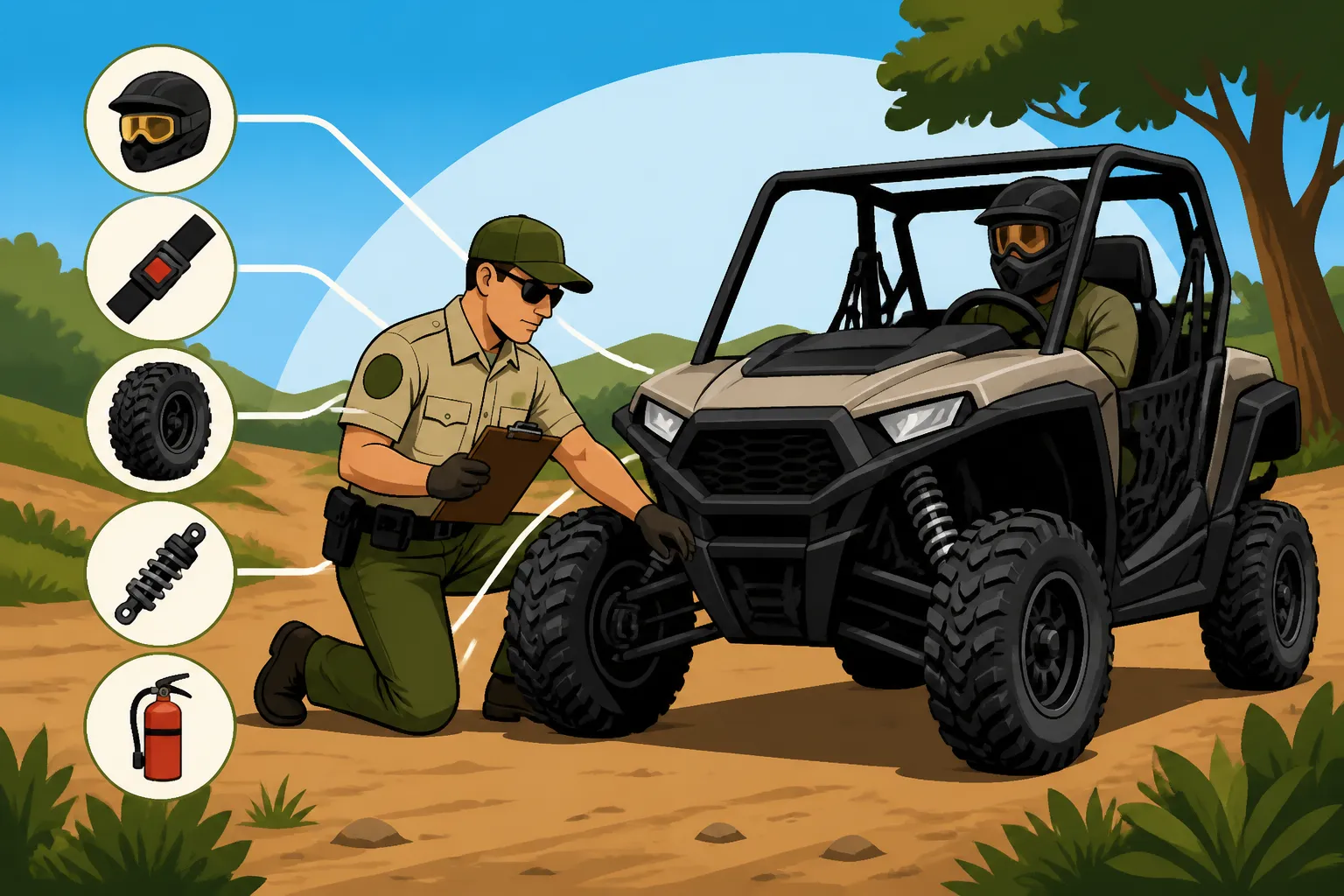
Beyond registration, rangers are deeply committed to rider safety and ensuring your machine meets basic environmental and operational standards. This isn't just about rules; it's about preventing accidents and protecting our shared natural resources.
Helmets, Especially for Young Riders
California has a very clear and strict helmet law for OHV operation on public lands: everyone, regardless of age, must wear an approved safety helmet. While adults operating a UTV or side-by-side that has an occupant cage and seatbelts might have some specific waivers for helmet use, [California Helmet Law for ATV Riders] is explicit – if you're on an ATV, a helmet is mandatory.
The rules become even more stringent for younger riders. [California Minimum Age to Ride on Public Land] is an important consideration, and for anyone under 18 operating an OHV, they must not only wear a helmet but also have passed an approved safety course or be directly supervised by a certified adult. If you're riding a side-by-side, [California Helmet Law for UTV Passengers] also applies, especially for kids. Rangers pay close attention to this, especially when they see families. They want everyone to be safe, and a proper helmet is the absolute first line of defense against head injuries. Make sure helmets are properly fitted, securely fastened, and meet safety standards (like DOT approval).
Spark Arresters and Sound Limits
California's SVRAs are often in areas prone to wildfires, and one of the most critical checks rangers perform is for a spark arrester. Every OHV operating on public land in California must be equipped with a US Forest Service approved spark arrester. This device prevents hot carbon particles from escaping your exhaust and potentially igniting dry vegetation. You can read more about the specifics in [California Spark Arrester Rules]. If a ranger finds you without a spark arrester, or with one that's clearly modified or in disrepair, you will face a citation, and likely be asked to leave the riding area. It's a non-negotiable safety feature designed to protect our forests and grasslands.
Beyond fire safety, rangers also enforce sound limits. Nobody enjoys a ride interrupted by excessively loud machines, and sustained noise can disturb wildlife and nearby communities. California has specific decibel limits for OHVs: 96 decibels for machines manufactured after a certain date (usually 1998) and 101 decibels for older machines. Rangers can, and often do, perform sound tests at entrance gates or on the trails. Our guide on [California Sound Limits for OHVs Explained] dives into the details. If your aftermarket exhaust makes your machine sound like an uncorked race bike, you might be in for a surprise. Investing in a quiet exhaust system that meets regulations is not only courteous but also keeps you compliant.
Seatbelts and Passenger Rules in UTVs/ATVs
Modern UTVs and side-by-sides are built with occupant safety in mind, which includes factory-installed seatbelts. Just like in a car, these seatbelts are there for a reason, and rangers expect you to use them. Everyone in a UTV must be securely belted in their designated seat. This is especially true if you have [A Child Passenger in a California Side-by-Side], where proper restraints are paramount.
ATVs, or quads, are a different story. With very few exceptions, [California ATV Passenger Ban Explained] means that ATVs are designed for a single operator only, and carrying a passenger on an ATV on public land is strictly prohibited. This is a common point of contention for some riders, but it's a rule based on the inherent instability of ATVs with extra weight. Rangers will not hesitate to issue a citation for this, as it's a significant safety risk. Make sure your UTV's [California Seat Belt Rules in a UTV] are followed and your ATV is always a solo ride on the trails.
Operational Conduct and Area-Specific Rules
Rangers aren't just gatekeepers; they're also stewards of the land and public safety. Their checks extend to how you actually ride and interact with the environment and other visitors within Hollister Hills.
Staying on Designated Trails
One of the most crucial aspects of responsible OHV riding in any SVRA is staying on designated trails. Hollister Hills, like other parks, has a meticulously mapped network of trails, often marked for difficulty or type of vehicle. [Staying on Designated Trails] is not just a suggestion; it's a critical rule designed to prevent erosion, protect sensitive habitats, and ensure rider safety. Going off-trail can lead to damaging fragile ecosystems, disturbing wildlife, and can even put you in dangerous, unmarked terrain.
Rangers are constantly patrolling, and they are very adept at spotting unauthorized trail creation or riders veering off course. [Closed Routes and California Citations] are a real consequence for those who choose to ignore these boundaries. This can include anything from riding around a locked gate, cutting switchbacks, or exploring areas clearly marked as "Restoration" or "Closed." When you're in an SVRA, think of the trails as roads – you wouldn't drive your car across a farmer's field, and the same respect applies here.
Speed and Reckless Operation
Off-road riding is exhilarating, but it's not a free-for-all. Rangers look for riders who are operating their machines at unsafe speeds or in a reckless manner. This isn't just about keeping you safe, but also about protecting other riders, hikers, and equestrians who might be sharing the park. "Reckless operation" can encompass a wide range of behaviors: excessive speed for conditions, riding too close to other vehicles, performing dangerous stunts in high-traffic areas, or "whooping" through campgrounds.
Hollister Hills, in particular, often has a mix of skill levels and different types of OHVs, from dirt bikes to full-size jeeps. A speed that might be safe for an experienced racer on a wide-open section could be incredibly dangerous near a blind corner or a beginner's loop. Rangers want everyone to have fun, but not at the expense of others' safety. They have the authority to issue citations for reckless operation, which can be quite costly.
Campground and Quiet Hours Compliance
Many SVRAs offer fantastic camping opportunities, and Hollister Hills is no exception. When you're within a designated campground, you're entering a different kind of regulated zone. Rangers will check for compliance with campground-specific rules, particularly quiet hours. These hours are in place to ensure all campers can enjoy a peaceful stay, especially at night. Running loud generators late, playing loud music, or operating OHVs within the campground during quiet hours are common infractions.
Additionally, some campgrounds have rules about where you can ride your OHV, if at all, to get to and from your campsite. Our guide on [Campground Riding Rules in California] provides a broader overview of these expectations. Always check the specific rules posted at the Hollister Hills campground you're staying in. Being respectful of your fellow campers and the posted quiet hours will ensure a harmonious experience for everyone.
Additional Checks and Why They Matter
While the core checks cover registration, safety, and conduct, rangers might also look into other areas, especially if there's any suspicion of foul play or unsafe behavior. These checks underscore the comprehensive nature of responsible OHV use.
Ownership Verification (Bill of Sale, Title)
While rangers don't typically ask for proof of ownership during a routine registration check, they absolutely have the authority to do so if there's any suspicion that a machine might be stolen or that the operator isn't the rightful owner. This is where your official documentation, like a bill of sale or the certificate of title, becomes incredibly important. You might think, "Well, I have the registration card, isn't that enough?" Not always. The registration card shows who registered the vehicle, but the title proves who owns it.
If you've just purchased a used machine, having a clear, properly filled-out [California OHV Bill of Sale Requirements] can save you a lot of hassle. Services like LawDepot can provide templates for these crucial documents, ensuring they contain all the necessary information and are legally sound. Similarly, ensuring [Why the OHV Title Should Be in Your Name] after a purchase protects you from disputes and proves legitimate ownership. While it's rare to be asked for these on a casual trail ride, having them readily accessible, perhaps secured at your base camp or in your tow vehicle, is always a good practice. It's about being prepared for any scenario.
DUI and Open Container Laws
It might seem obvious, but it bears repeating: Operating an OHV under the influence of alcohol or drugs is illegal and extremely dangerous. California's Vehicle Code applies to OHVs just as it does to street-legal vehicles. This means [California DUI Rules for OHV Riders] are enforced by rangers and law enforcement officers within SVRAs and on public lands. A DUI on an OHV carries the same severe penalties as a DUI in a car, including hefty fines, loss of driving privileges, and even jail time.
Furthermore, [Open Container Rules on a California OHV] also apply. You cannot have open alcoholic beverage containers on your OHV, nor can passengers consume alcohol. Rangers are trained to identify signs of impairment and will act swiftly to prevent intoxicated riders from putting themselves and others at risk. The trails are for sober fun, not for drinking and driving. If you're planning to celebrate, do so responsibly at your campsite after the riding is done, and ensure no one operates a machine while impaired.
Environmental Awareness and Trash
Rangers are also keenly observant of how riders treat the environment. Our OHV areas are precious resources, and keeping them clean and healthy is everyone's responsibility. This includes packing out everything you pack in – don't leave trash on the trails, in staging areas, or at campsites. Even seemingly small items like plastic bottles or snack wrappers can accumulate and degrade the natural beauty of the park.
Proper disposal of fluids (oil, fuel, etc.) is another area of concern. Never dump these onto the ground. Rangers, as environmental stewards, will address blatant disregard for these rules, which can lead to citations. It's about leaving no trace and ensuring these magnificent riding areas remain pristine for future generations of riders.
| Category | What Rangers Check | Why It Matters | Potential Issue |
|---|---|---|---|
| Registration | Current Sticker (Green/Red/Tan), ID Plate, Card | Legal operation, Funding for OHV parks | Expired, missing, illegible |
| Safety Gear | Helmets (especially for minors), Seatbelts | Rider safety, Compliance with state law | No helmet, unbelted |
| Machine Specs | Spark Arrester, Sound Limits | Fire prevention, Noise pollution | Missing, too loud |
| Conduct | Designated Trails, Speed, Reckless Operation | Environmental protection, Rider safety, Park rules | Off-trail, unsafe riding |
| Paperwork | Proof of Ownership (Title/Bill of Sale) | Theft prevention, Dispute resolution (LawDepot can help) | Missing, incomplete |
| Behavior | DUI, Open Containers, Trash Disposal | Public safety, Environmental stewardship | Impaired, littering |
Disclaimer
This article is for general informational purposes only and does not constitute professional advice. Laws, prices and regulations vary by location and change over time. Consult a qualified professional for guidance on your specific situation.