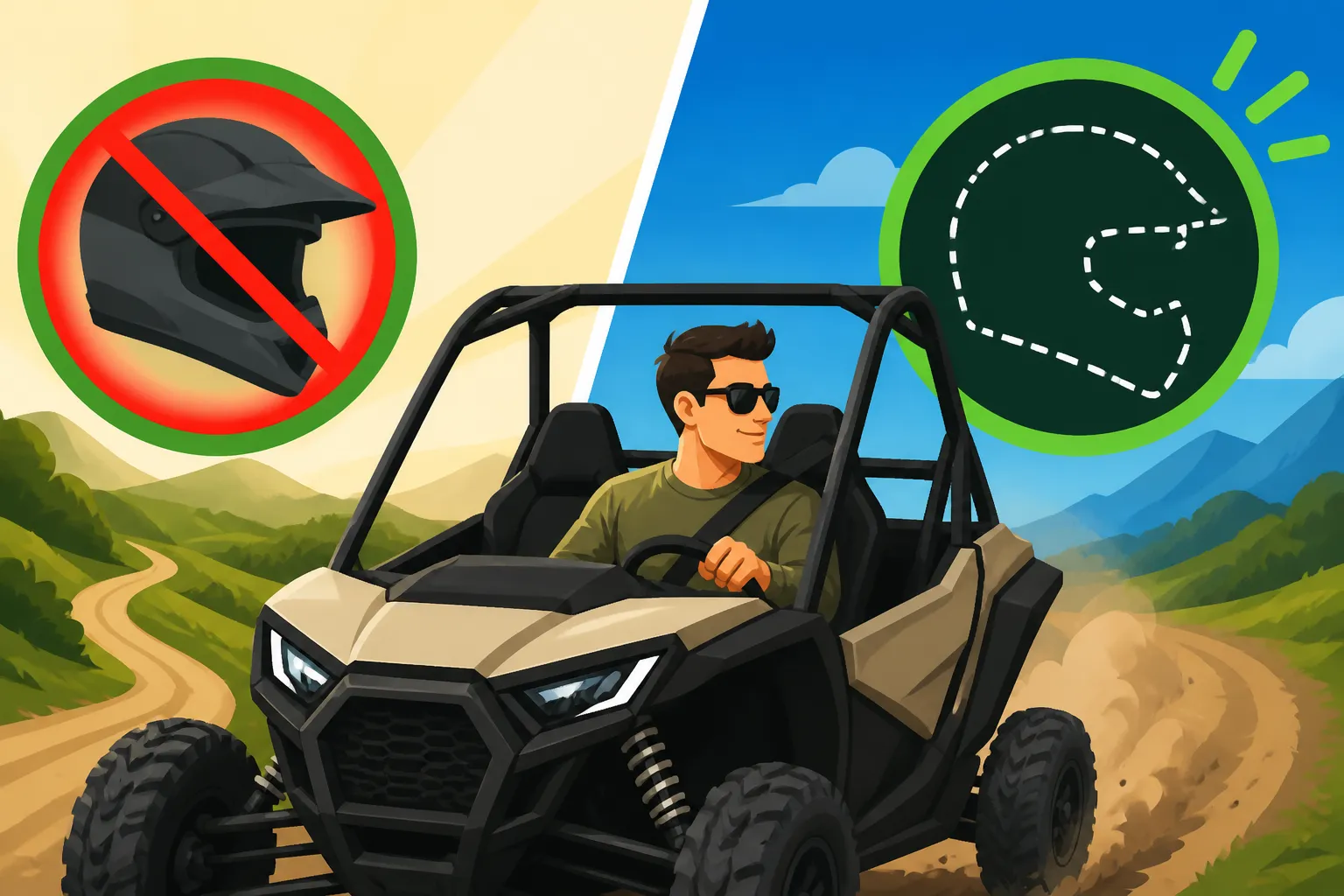
Why an Adult Can Skip a Helmet in a ROHV
The open trails and vast deserts of California beckon many off-road enthusiasts, especially those who enjoy the camaraderie and capabilities of a Recreational Off-Highway Vehicle (ROHV), often called a side-by-side or UTV. While most people instinctively grab a helmet for any off-road adventure, California law carves out a specific exception for adults operating or riding in an ROHV. This guide will clarify when an adult can legally forgo a helmet in California, delving into the nuances of the law, the characteristics of an ROHV, and crucial safety considerations to help you ride informed and stay safe.
Understanding California's ROHV Helmet Exemption
California's vehicle code, specifically CVC 38075, addresses helmet requirements for off-highway vehicles. It's a critical piece of legislation for anyone planning to hit the trails in a side-by-side, as it provides a distinct exemption that doesn't apply to other types of OHVs, like traditional all-terrain vehicles (ATVs) or dirt bikes. Understanding this code is paramount to avoiding citations and, more importantly, ensuring you're making safe choices.
The Core of the Helmet Waiver
The heart of the exemption lies in the design and safety features inherent to most modern Recreational Off-Highway Vehicles. The law states that an adult occupant (someone 18 years or older) is not required to wear a helmet if the ROHV is equipped with a roll bar or an enclosed cage and a seat belt or safety harness for each occupant. This is a significant departure from the rules governing ATVs, where helmets are universally mandatory for all riders, regardless of age or machine features. The legislature recognized that the structural protection offered by a properly designed roll cage and the restraint provided by seat belts offer a level of safety distinct from open-top, single-occupant ATVs.
Think about it: when you climb into a modern UTV, you're enveloped by a frame designed to protect you in a rollover, and you buckle yourself into a multi-point harness. This setup inherently provides a different kind of occupant protection than simply sitting atop a quad. However, it's crucial that both the roll cage and the seat belts are in place and used correctly. Just having them isn't enough; they must be actively engaged. For instance, you can't have a roll cage but then fail to buckle your seat belt and still claim the exemption. The intent of the law is to leverage the full safety system of the ROHV.
Who Qualifies as an Adult Occupant?
The term "adult occupant" is straightforward in this context: it refers to anyone 18 years of age or older. This age threshold is consistent across many California laws regarding vehicle operation and personal responsibility. If you're 18 or older and riding in an ROHV that meets the safety equipment criteria (cage and seatbelt), you are generally not legally required to wear a helmet. This applies whether you are the driver or a passenger.
However, it's vital to differentiate this from the rules for younger riders. [California Minimum Age to Ride on Public Land] and [California Rules for Riding With Kids on Board] provide more detail, but generally, children under 18 have stricter helmet requirements in ROHVs. So, while you might be able to ride helmet-free, your younger passengers likely cannot. Always verify the age and helmet rules for all occupants before heading out. The responsibility ultimately falls on the driver to ensure all occupants are compliant with the law, not just for helmets, but also for appropriate seating and restraints.
What Constitutes a Recreational Off-Highway Vehicle (ROHV)?
The specific definition of an ROHV is what makes the helmet exemption possible for adults. Not every off-road vehicle falls under this category, and mistaking another type of OHV for an ROHV can lead to serious legal and safety consequences. California has precise classifications for OHVs, and understanding them is key to applying the helmet rules correctly.
Key Characteristics of an ROHV
California Vehicle Code (CVC 500) defines a Recreational Off-Highway Vehicle as a motor vehicle that is:
- Designed for off-highway use.
- Not more than 60 inches in width.
- Not more than 2,500 pounds unladen weight.
- Has four or more wheels.
- Has a steering wheel for steering control.
- Has non-straddle seating for the operator and passengers.
- Has an engine displacement of 1,000 cubic centimeters or less.
These criteria describe what most people commonly refer to as a "side-by-side" or "UTV." They are distinct from traditional ATVs due to their steering wheel, bucket or bench seating (where you don't straddle the engine), and the protective roll cage. Machines like the Polaris RZR, Can-Am Maverick, Honda Pioneer, or Kawasaki Teryx are prime examples of ROHVs. Companies like SuperATV offer a wide range of accessories for these machines, from upgraded cages to aftermarket seating, which can sometimes blur the lines if not chosen carefully regarding legal compliance.
It's the combination of the vehicle's design (steering wheel, non-straddle seating) and its integrated safety features (roll cage and seat belts) that sets it apart and forms the basis for the adult helmet exemption. Without meeting these definitional and safety criteria, a vehicle simply isn't an ROHV in the eyes of California law, and the helmet exemption would not apply. This is why a custom-built dune buggy, for example, might be an OHV, but might not meet the strict ROHV definition, thus requiring different helmet considerations.
Distinguishing ROHVs from ATVs and Other OHVs
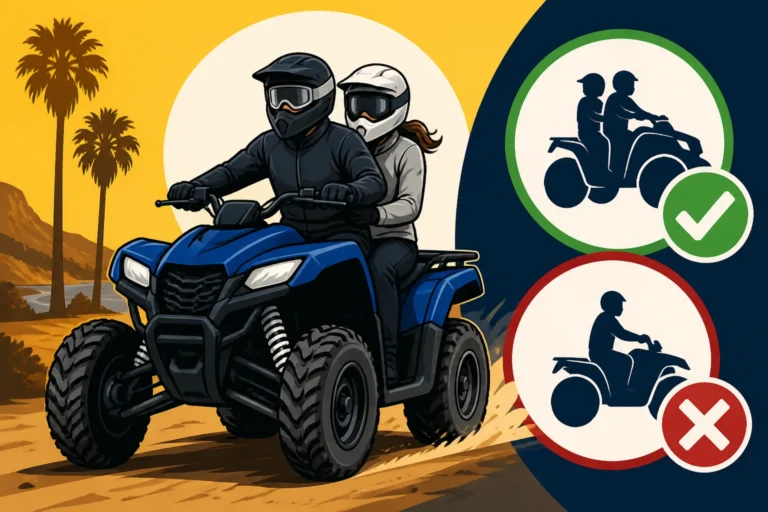
The critical distinction often comes down to seating and controls. An All-Terrain Vehicle (ATV) is typically designed for one rider (though some two-up models exist) who straddles the engine, steers with handlebars, and uses hand/foot controls similar to a motorcycle. For ATVs, [California Helmet Law for ATV Riders] makes it clear: helmets are always required for all riders, regardless of age. There's no exception for an adult on an ATV, as these machines lack the integrated roll-over protection system that an ROHV provides.
Other off-highway vehicles, such as dirt bikes, also require helmets for all riders. Even a larger, wider UTV that exceeds the 60-inch width or 2,500-pound weight limit might be classified differently, potentially impacting the applicability of the ROHV helmet waiver. Always double-check your vehicle's specific classification if you're unsure. The rules are quite specific, and misinterpreting your vehicle type can lead to unnecessary fines or, worse, put you at greater risk in the event of an accident. When you're looking at [California OHV Registration for a Side-by-Side], it's important to know if your machine is truly an ROHV.
The "Cage and Seatbelt" Exception in Detail
The core of the adult helmet waiver for ROHVs in California hinges entirely on the presence and proper use of specific safety equipment: a roll cage or enclosed structure and seat belts or safety harnesses. This isn't just a suggestion; it's a mandatory prerequisite.
Mandatory Safety Equipment: The Roll Cage and Restraint System
For an adult to legally ride without a helmet in an ROHV, the vehicle must be equipped with a roll bar or enclosed cage, along with a seat belt or safety harness for each occupant. This isn't just about having them installed; it's about using them correctly. Every adult in the vehicle must be properly secured by their seat belt or harness. The idea is that these integrated safety features work together to provide occupant protection during an incident, much like the safety cell in a street-legal car. This is why [California Seat Belt Rules in a UTV] are so important.
The roll cage provides structural integrity, helping to prevent the vehicle from crushing occupants in a rollover. The seat belt or harness, whether a standard automotive-style three-point belt or a more robust four- or five-point racing harness, keeps the occupant securely inside the protective cage. Without both of these elements, the helmet exemption simply does not apply. You wouldn't drive a car without a seatbelt, and the same safety mindset should apply here, especially given the dynamic nature of off-road driving.
Factory-Installed Versus Aftermarket Modifications
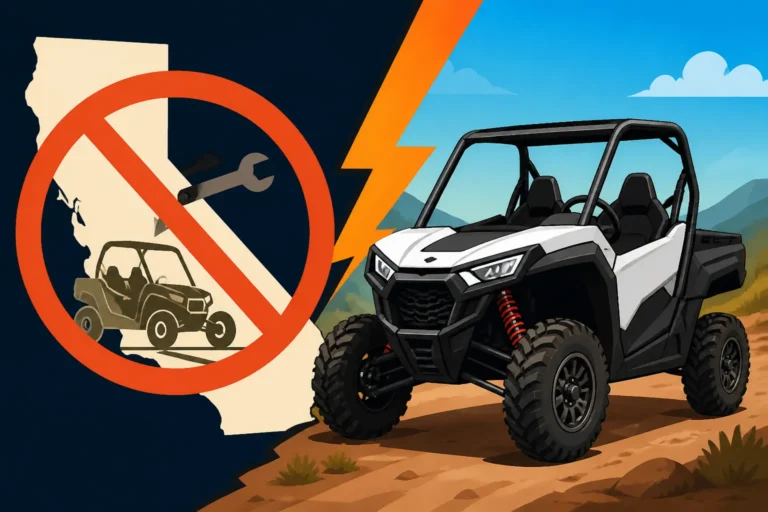
Typically, when we talk about a roll bar or enclosed cage and seat belts, we're referring to the factory-installed equipment that came with the ROHV. These systems are engineered by the manufacturer to meet specific safety standards and work in conjunction with the vehicle's overall design. However, many ROHV owners choose to upgrade their machines with aftermarket parts. For instance, some riders might opt for a stronger roll cage or a more comfortable multi-point harness from a company like SuperATV.
If you choose to modify your ROHV with aftermarket cages or harnesses, it's crucial to ensure that these modifications meet or exceed the original safety standards and are installed correctly. An improperly installed aftermarket cage or a harness that doesn't fit correctly might not provide the intended protection, even if it looks robust. Always prioritize safety and compliance when modifying your vehicle. While aftermarket accessories can enhance your riding experience, they should never compromise the safety features that allow for the helmet exemption. This is part of the broader discussion of [Cage, Belts and the Helmet Waiver].
Who Still Needs a Helmet in an ROHV?
While adults in properly equipped ROHVs enjoy a helmet waiver, this freedom isn't universal. California law has specific provisions for minors and for situations where the ROHV's safety equipment is not up to par. It's essential to understand these distinctions to ensure everyone in your party is compliant and safe.
Children and Helmet Requirements
This is where things get stricter. California law generally requires all occupants under the age of 18 in an ROHV to wear a safety helmet, regardless of whether the vehicle has a roll cage and seatbelts. The only significant exception here relates to specific types of recreational off-highway vehicles (ROVs) where a person 16 years of age or older is operating an ROV and they are wearing a seatbelt and the ROV is equipped with a roll cage. However, for most child passengers, and for younger operators, the helmet requirement remains.
This stricter rule for minors reflects the understanding that younger individuals may be more susceptible to head injuries and might not always possess the same judgment or physical resilience as adults. So, even if you, as an adult, are riding helmet-free, your child passenger in the seat next to you almost certainly needs to have a properly fitted, DOT-compliant helmet securely on their head. Always check the latest regulations for [California Helmet Law for UTV Passengers] to ensure full compliance for all minors.
When the Exemption Doesn't Apply to Adults
Even if you're an adult riding in an ROHV, there are circumstances where the helmet exemption for adults would not apply:
- Missing or Non-functional Safety Equipment: If your ROHV does not have a properly functioning roll bar/enclosed cage and seat belts for all occupants, then everyone, including adults, would be required to wear a helmet. This could happen if a cage is damaged, seatbelts are removed, or if the vehicle was never equipped with them (though rare for modern ROHVs).
- Improper Use of Safety Equipment: If you have a cage and seatbelts but are not using them (e.g., leaving your seatbelt unbuckled), you forfeit the exemption, and a helmet would technically be required. The law mandates the vehicle be "equipped with… and a seat belt… for each occupant." Implicit in "equipped with" is "properly used."
- Local Ordinances: While less common, some specific riding areas or jurisdictions might have stricter rules that supersede state law. Always check the local rules of any OHV park or riding area before you go, such as those found in [California OHV Areas]. It's your responsibility to know the specific regulations for the location you're visiting.
- Vehicles Not Defined as ROHVs: As discussed, if your vehicle doesn't meet the specific definition of an ROHV (e.g., it's an ATV, a dune buggy without proper safety structures, or a wider custom vehicle), the exemption won't apply, and helmets would be mandatory for all.
In summary, while the adult helmet waiver for ROHVs is a welcome freedom for many riders, it comes with clear conditions. Understanding these conditions and prioritizing safety is crucial for enjoying California's incredible off-road opportunities.
Safety First: Even When Not Legally Required
Just because California law provides an exemption for adults wearing helmets in ROHVs doesn't mean it's always the safest choice. Personal safety should always be your top priority, and there are many compelling reasons to consider wearing a helmet even when not legally mandated.
Why a Helmet is Still a Good Idea
Off-roading is inherently risky, and accidents can happen quickly, even to experienced riders. A roll cage provides protection in a rollover, but it doesn't eliminate all risk of head injury. Consider these scenarios:
- Sudden Stops or Impacts: Even with a seatbelt, a sudden, violent stop or collision can cause your head to strike the interior of the roll cage, a passenger, or other objects within the vehicle. A helmet provides crucial padding and impact absorption in such events.
- Debris and Overhanging Obstacles: On trails, you might encounter low-hanging branches, flying rocks, or other debris kicked up by other vehicles. A helmet, along with goggles, offers protection against these unforeseen hazards. Companies like SuperATV also offer roofs and windshields that can mitigate some of these issues, but direct impacts can still occur.
- Rollovers Beyond Cage Protection: While a roll cage is designed to protect, extreme rollovers or impacts with objects (like a tree or large rock) can compromise the cage's integrity or result in your head being exposed beyond its immediate protection. A helmet offers an additional layer of defense.
- Driver Fatigue or Error: Even the best drivers can make mistakes, especially on long rides or challenging terrain. Fatigue, momentary lapses in judgment, or encountering unexpected trail conditions can all lead to incidents where head protection becomes critical.
Ultimately, a helmet is a relatively small investment for the level of protection it offers. Many experienced riders choose to wear helmets regardless of the legal requirement, simply because they understand the unpredictable nature of off-road riding.
Making an Informed Choice for Your Ride
Deciding whether to wear a helmet when the law doesn't require it is a personal choice, but it should be an informed one. Consider the following factors:
- Type of Terrain: Are you on wide-open desert trails, or are you navigating tight, rocky, and heavily wooded paths? The risk profile changes significantly with the terrain.
- Riding Style: Are you a leisurely trail rider, or do you push the limits with aggressive driving? Higher speeds and more challenging maneuvers increase the risk.
- Experience Level: Both your experience and the experience level of your passengers should play a role in your decision.
- Visibility and Conditions: Riding in dusty conditions, at night, or in inclement weather can increase accident risk.
- Your Passengers: If you have passengers, especially children, setting an example by wearing a helmet yourself can encourage safe practices for everyone.
For many, the comfort and peripheral vision offered by riding helmet-free in a side-by-side are appealing. However, weighing that against the potential for severe injury is vital. When in doubt, err on the side of caution. Protecting your brain is always a smart move.
| OHV Type | Adult Helmet Required? | Child (Under 18) Helmet Required? | Key Differentiating Factor |
|---|---|---|---|
| ATV | Yes | Yes | Straddle seat, handlebars |
| ROHV (UTV/SxS) | No (if equipped with cage & seatbelt) | Yes (generally) | Non-straddle seat, steering wheel, cage, seatbelts |
| Dirt Bike | Yes | Yes | Two wheels, straddle seat, handlebars |
Important Caveats and Reminders
Navigating the nuances of OHV laws can be tricky, and while this guide clarifies the helmet exemption for adults in ROHVs in California, there are always additional considerations to keep in mind.
Stay Updated on Laws and Regulations
Laws can change. While the core of CVC 38075 regarding ROHVs has been fairly consistent, it's always wise to periodically check the California Department of Motor Vehicles (DMV) or the California Off-Highway Motor Vehicle Recreation (OHMVR) Division websites for the most current information. [The California DMV and the OHMVR Division] are the primary sources for official regulations. Local jurisdictions, [California OHV Areas], or even specific event organizers might have their own supplementary rules. Before a big trip, a quick check can save you from unexpected issues.
For example, while the state law is clear on helmets, a specific OHV park might have a policy that encourages or even mandates helmets for all riders regardless of the state exemption, particularly for rental machines or guided tours. Always check the specific rules of the location you plan to ride.
Your Responsibility as an Operator
As the operator of an ROHV, you carry a significant responsibility for the safety and legal compliance of everyone in your vehicle. This includes ensuring:
- Vehicle Condition: Your ROHV is in safe operating condition, with all required safety equipment (like brakes, lights, spark arresters, and yes, the roll cage and seatbelts) in good working order. [California Spark Arrester Rules] are another important example of equipment requirements.
- Occupant Compliance: All passengers, especially minors, are properly restrained and wearing helmets if required.
- Safe Operation: You are operating the vehicle safely, responsibly, and within the posted limits of the riding area. [California DUI Rules for OHV Riders] apply just as they would on a paved road.
- Paperwork: Your vehicle's registration is current, and you have any required permits for the area you are riding in. This would include your [California's Green Sticker Explained] or similar identification.
The helmet exemption for adults in ROHVs is a privilege based on the inherent design and safety features of these machines. It relies on the understanding that operators will utilize these features responsibly. Riding without a helmet should be a considered choice, not a casual oversight. Always prioritize safety, understand the law, and make sure your off-road adventures are both thrilling and secure.
Disclaimer
This article is for general informational purposes only and does not constitute professional advice. Laws, prices and regulations vary by location and change over time. Consult a qualified professional for guidance on your specific situation.