Two-Seat ATVs and the Passenger Rule
Navigating the world of off-highway vehicles in California can feel like trying to solve a puzzle with missing pieces, especially when it comes to who can ride where and with whom. One of the most common head-scratchers for enthusiasts, particularly those looking at larger or "two-up" quads, is whether you can legally carry a passenger on an ATV. This guide is here to clear up that confusion, explaining California's specific rules around ATV passengers and helping you understand what's permitted on public land.
California's Fundamental Rule: Single Rider for ATVs
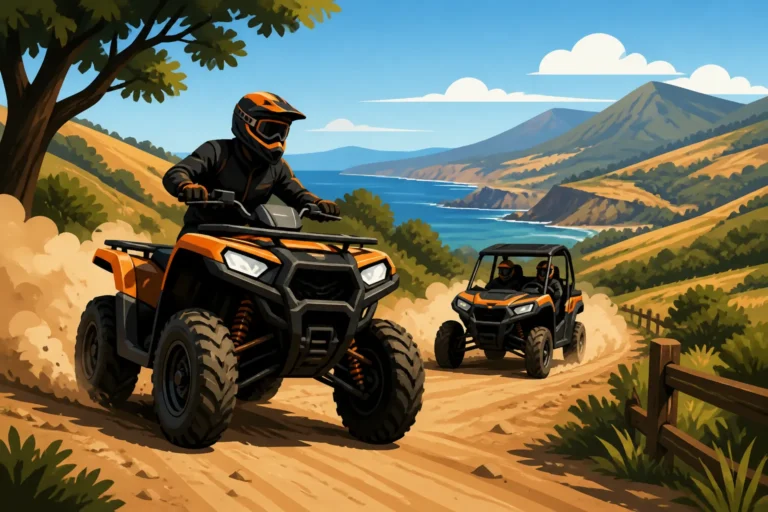
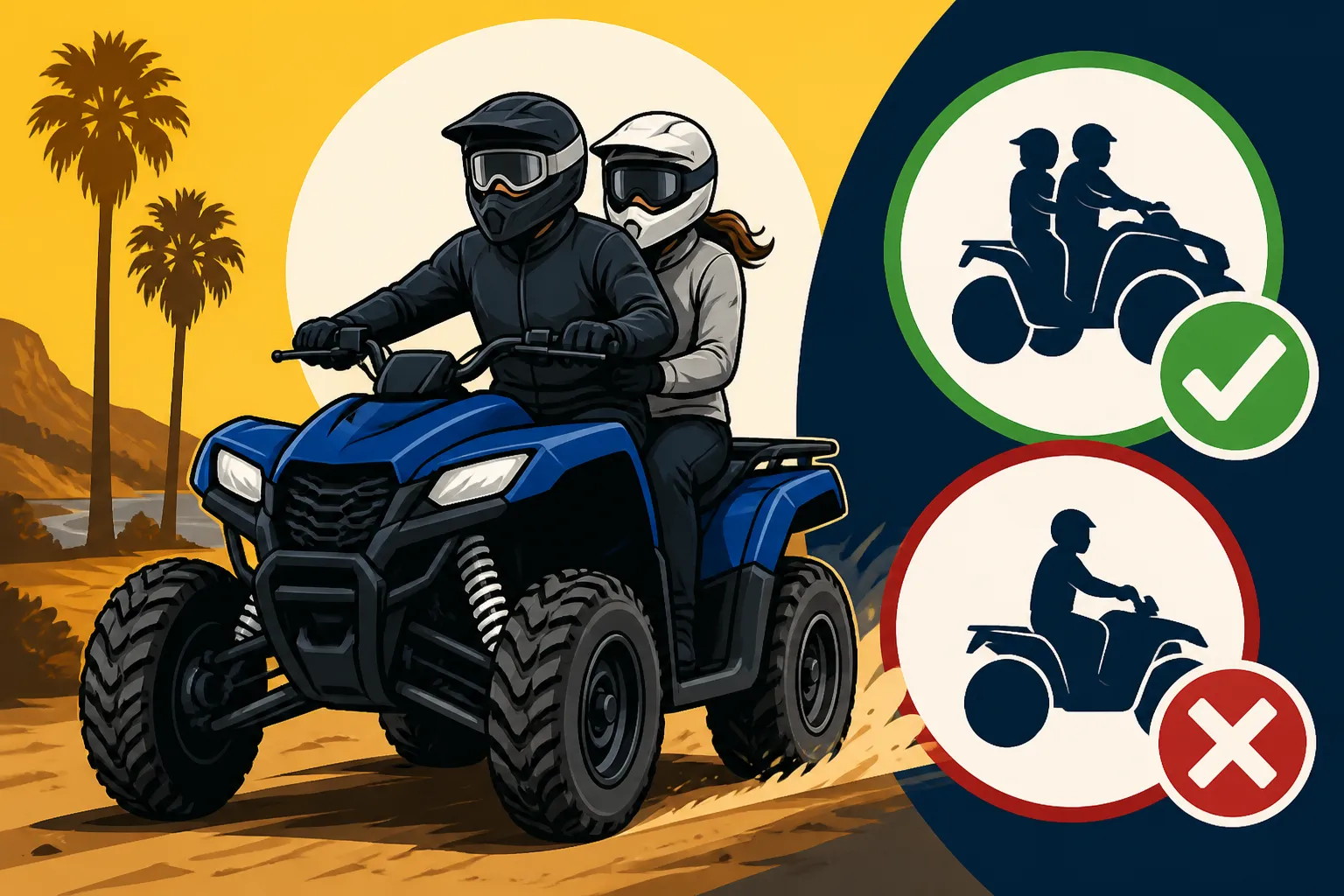
Let's cut right to the chase because this is where a lot of riders get tripped up: in California, with very few exceptions, ATVs are generally considered single-rider machines on public lands. This means that even if your ATV has a longer seat, footpegs for a passenger, or is marketed as a "two-up" or "tandem" model, the state's vehicle code largely prohibits carrying a passenger. This can be incredibly frustrating for riders who've invested in a machine specifically designed to accommodate a second person, only to find they can't legally use it for that purpose on their favorite trails or dunes.
The reasoning behind this rule is rooted in safety and the inherent design characteristics of an ATV. These vehicles are engineered for a single operator who uses their body weight to shift and balance the machine through turns and over obstacles. Adding a second person, even if the ATV is built to handle the weight, fundamentally alters the center of gravity and the way the vehicle handles. This makes it significantly more challenging for the operator to maintain control, increasing the risk of accidents, rollovers, and injuries. It's not about the ATV's capacity to carry the weight, but about the dynamics of rider control.
The Vehicle Code's Stance on Passengers
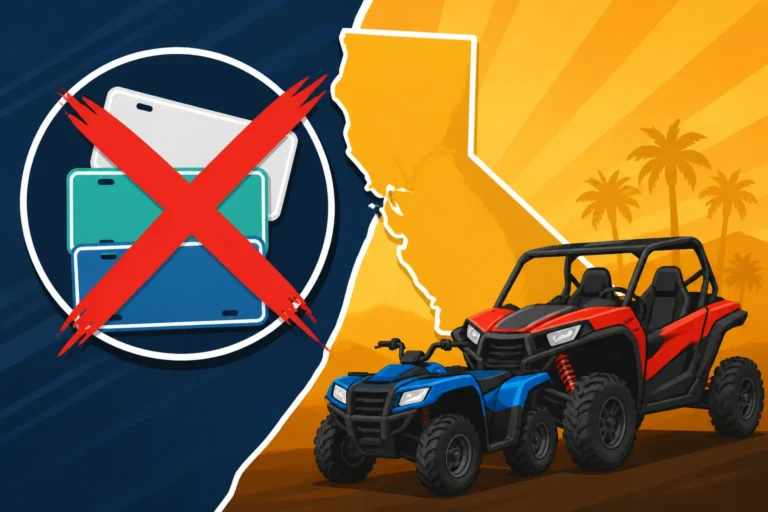
California Vehicle Code (CVC) Section 38506 explicitly addresses the operation of ATVs. It defines an all-terrain vehicle (ATV) as a motor vehicle meeting certain criteria, including "designed to travel on four wheels, having a seat designed to be straddled by the operator, and handlebars for steering control." Crucially, it then states that "No operator of an all-terrain vehicle may carry a passenger when operating the vehicle on public lands." This is a straightforward, unambiguous rule that applies across the board, regardless of the ATV's manufacturer or specific model features.
So, when you're out on a popular trail system like those at Hungry Valley SVRA or exploring the dunes at Ocotillo Wells, rangers and law enforcement officers will be looking for compliance with this rule. A citation for carrying a passenger can quickly put a damper on your weekend ride, not to mention the safety implications of operating a machine beyond its legal passenger capacity on public land. Always remember, the law prioritizes the safety of all riders on California's diverse and sometimes challenging terrain.
Unpacking the "Two-Up" ATV Conundrum
The confusion surrounding ATV passenger rules often stems from the fact that many manufacturers indeed produce what they call "two-up" or "tandem" ATVs. These machines are purpose-built with longer seats, often a backrest for the passenger, and dedicated passenger handholds and footrests. You might see advertising showcasing happy couples enjoying a ride together on these models. So, if they're designed for two, why can't you ride two in California? This is where understanding the distinction between machine design and state law becomes critical.
Design vs. Legislation: A California Divergence
Manufacturers design "two-up" ATVs with the intent for two riders, and in many other states, these models might be perfectly legal for tandem riding. However, California's legislation, as we touched on earlier, focuses on the type of vehicle and its inherent operational characteristics when defining passenger rules for public lands. The CVC doesn't differentiate between a single-seat ATV and a factory-designed "two-up" ATV when it comes to passengers; both fall under the same "all-terrain vehicle" definition, which in turn means no passengers.
This creates a real dilemma for riders in California. You might have purchased a fantastic, powerful two-up ATV from a reputable brand, perhaps even adding some aftermarket accessories from a company like SuperATV to enhance comfort or utility, only to learn that its "two-up" feature is effectively nullified on public trails within the state. It's a disconnect that can feel unfair, but the state's stance remains firm on the safety implications of a second rider on a straddle-seat, handlebar-steered vehicle.
The Dynamics of Rider Control and Risk
When you're riding an ATV, especially over varied terrain, your body movements are crucial for steering, balance, and absorbing impacts. You lean into turns, shift your weight forward on climbs, and back on descents. A passenger, even one who is trying to be cooperative, inherently limits the operator's ability to make these critical body shifts. The passenger's weight is often carried higher and further back on the machine, raising the center of gravity and making the ATV more prone to tipping, especially on side hills or during abrupt maneuvers.
Consider a scenario where you're navigating a tight, winding trail in the Sierra Nevada foothills. You need to quickly shift your weight to avoid an obstacle or maintain traction on a loose climb. With a passenger, this becomes significantly more difficult, increasing the risk of a rollover. Even on seemingly flat, open terrain like a dry lakebed, sudden changes in direction or encounters with unexpected ruts can be compromised. This heightened risk is precisely why California's passenger ban on ATVs exists, despite the availability of tandem models.
Distinguishing ATVs from Side-by-Sides: Where Passengers Are Allowed
This is the really important part that often clarifies things for riders! While traditional ATVs generally fall under California's "no passenger" rule, there's another popular category of off-highway vehicles where carrying passengers is not only allowed but expected: side-by-sides, also known as Utility Terrain Vehicles (UTVs) or Recreational Off-Highway Vehicles (ROVs). Understanding the fundamental differences between these two types of machines is key to knowing when and where you can bring friends or family along for the ride.
Key Differences in Design and Operation
The distinction comes down to design, specifically the seating arrangement and steering mechanism.
| Feature | All-Terrain Vehicle (ATV) | Side-by-Side (UTV/ROV) |
|---|---|---|
| Seating | Straddle-style seat (like a motorcycle) | Bucket seats or bench seat (like a car) |
| Steering | Handlebars | Steering wheel |
| Passengers | Generally prohibited on public land (CA) | Allowed, according to manufacturer's capacity |
| Controls | Thumb throttle, foot brake | Foot pedals (accelerator, brake), gear shifter |
| Roll-Over Protection | Operator relies on body weight/legs | Roll-Over Protective Structure (ROPS) or cage |
| Safety Gear | Helmets mandatory for all ages | Helmets mandatory for those under 18; seatbelts mandatory for all |
As you can see, the design philosophy is vastly different. A UTV, with its steering wheel, foot pedals, and bucket seats, operates much more like a small off-road car. The presence of a Roll-Over Protective Structure (ROPS) or cage, along with factory-installed seatbelts, means they are designed from the ground up to safely accommodate multiple occupants. This crucial design difference is why California law treats them differently.
Passenger Rules for Side-by-Sides (UTVs/ROVs)
For side-by-sides, California's rules are much more accommodating when it comes to passengers. You can carry as many passengers as the vehicle was designed for by the manufacturer, provided they are seated in the designated seating positions and are properly restrained with seatbelts. For example, a two-seat UTV can carry one driver and one passenger, a four-seat UTV can carry a driver and three passengers, and so on.
However, even with side-by-sides, there are still important safety regulations to follow:
- Seatbelts: Everyone in a UTV must wear a seatbelt, regardless of age. This is a non-negotiable safety requirement.
- Helmets: While adults operating or riding in an enclosed ROV with a certified ROPS and seatbelts may be exempt from helmet use under certain conditions (as explained in [California Helmet Law for UTV Passengers]), riders under 18 must always wear an approved safety helmet. It's always a good idea to wear a helmet, even if you're not legally required to, as it provides an extra layer of protection.
- Minimum Age: There are specific age requirements for operating ROVs. Generally, operators must be at least 16 years old or hold an approved safety certificate and be under the direct supervision of an adult. [California ROV Operator Age Limit] details these rules further.
- Child Passengers: If you're carrying children, they must be able to sit properly in their seat with the seatbelt fastened. Sometimes, this might require booster seats or other appropriate restraints to ensure a snug fit, though the vehicle's design and manufacturer recommendations should always be followed. Check out our guide on [A Child Passenger in a California Side-by-Side] for more specific advice.
Many enthusiasts upgrade their UTVs with products from companies like SuperATV, adding lift kits, heavy-duty axles, or cargo solutions. These modifications can enhance your experience and the machine's capability, but they don't change the fundamental rules about who can ride inside or how they must be restrained. The core safety elements like seatbelts and the ROPS are paramount.
The Consequences of Violating the ATV Passenger Rule
Ignoring California's ATV passenger rules can lead to more than just a minor inconvenience; it can have significant legal, financial, and, most importantly, safety consequences. Rangers and law enforcement officers patrol popular riding areas, and they are trained to spot violations that compromise safety. They're not out there to ruin your fun, but to ensure everyone can enjoy the trails responsibly and safely.
Legal and Financial Penalties
If you're caught operating an ATV with a passenger on California public lands, you're likely facing a citation. The specific fine can vary depending on the jurisdiction and the officer's discretion, but it's rarely cheap. These fines are often treated as moving violations, similar to traffic tickets, and can add up quickly. Beyond the immediate fine, you might also face additional penalties or fees. It's an expense that could easily be avoided by simply adhering to the single-rider rule for ATVs.
Furthermore, repeated violations could lead to more severe consequences, though this is less common for a first offense. But imagine your family trip to Glamis or a weekend at Hollister Hills being cut short by a costly ticket, simply because you didn't know or chose to disregard the passenger rules. This is a common pitfall that new riders or those visiting from out of state often encounter.
Insurance and Liability Issues
This is a critical, often overlooked aspect. In the unfortunate event of an accident while carrying a prohibited passenger, your insurance coverage could be jeopardized. Most off-highway vehicle insurance policies are written with the expectation that you are operating your machine legally. If you were violating a fundamental safety law like the passenger rule, your insurance provider might deny a claim for damages or injuries. This could leave you personally liable for medical bills, property damage, and legal fees, which can be astronomical after a serious off-road accident.
Think about the potential costs: hospital stays, rehabilitation, repairs to your ATV, or even damage to another vehicle or public property. Without insurance coverage, these burdens fall squarely on you. It's a risk that far outweighs the convenience of carrying a passenger on an ATV where it's not allowed.
Safety Implications: It's About More Than Just the Law
Beyond the legal and financial repercussions, the most important consequence of carrying a passenger on an ATV is the increased risk to rider and passenger safety. ATVs require active rider participation for control. A second person, even if they are trying to be still, inevitably throws off the machine's balance and the operator's ability to react instinctively. This is especially true on California's diverse terrain, which can include steep climbs, rocky descents, soft sand, and unpredictable ruts.
When an ATV rolls over or a rider loses control, the injuries can be severe. Passengers, particularly those not actively involved in operating the machine, are often more vulnerable to impact injuries. Common injuries in ATV accidents include fractures, head injuries, spinal injuries, and internal trauma. While helmets are mandatory for ATV riders in California, regardless of age ([California Helmet Law for ATV Riders]), the added risk of an unstable machine carrying two people is a factor that no amount of protective gear can fully mitigate. It's a stark reminder that these rules are in place not to restrict your fun, but to protect lives and prevent serious harm.
Disclaimer
This article is for general informational purposes only and does not constitute professional advice. Laws, prices and regulations vary by location and change over time. Consult a qualified professional for guidance on your specific situation.