Cage, Belts and the Helmet Waiver
One of the most confusing aspects of off-highway vehicle (OHV) riding in California is navigating the helmet laws. It’s not a simple "wear a helmet or don't" situation, especially when you consider the vast differences between an open-air ATV and a modern side-by-side (UTV) with a roll cage and seatbelts. Many riders assume that if their machine has a cage and restraints, a helmet is optional, but the nuances of California law are often misunderstood, leading to potential citations and safety risks. This guide will unravel the specific conditions under which a helmet waiver applies to recreational off-highway vehicles (ROHVs) in California, helping you understand when you can ride without a helmet and, more importantly, when you absolutely must wear one.
The Core Rule: Helmets for Everyone on California Public Land
California takes rider safety on public lands very seriously, and for good reason. The dynamic and unpredictable nature of off-road terrain, combined with the inherent risks of OHV operation, means that serious injuries can occur. This is why the default, overarching rule is that helmets are mandatory for almost everyone.
Why Helmets Are Generally Mandatory for All Riders
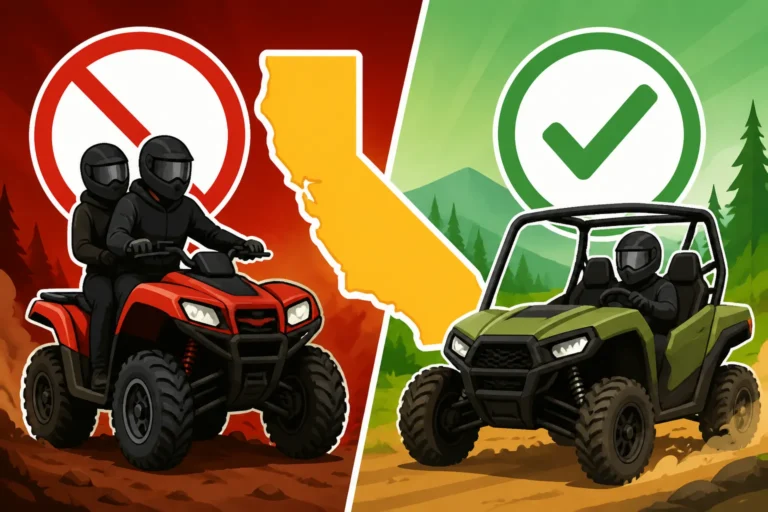
Imagine a bustling weekend at Oceano Dunes, with ATVs, dirt bikes, and various UTVs navigating the ever-shifting sands. In this environment, accidents can happen quickly, often involving rollovers or collisions. California Vehicle Code (CVC) 38505 is the bedrock of this rule, stating that no person under the age of 18 may operate or ride as a passenger on an ATV or dirt bike on public lands without wearing a safety helmet. But it goes further: for ATVs specifically, the CVC requires all riders, regardless of age, to wear a helmet. This is a critical distinction that often catches riders off guard. Whether you're a seasoned adult on a powerful sport quad or a youngster just starting out, if you're on an ATV, that helmet needs to be strapped on. It's a non-negotiable safety measure designed to protect against head injuries, which are tragically common in off-road incidents. Think of it as your primary defense against unforeseen impacts or falls when the unexpected happens on the trail. You'll find rangers at popular spots like Glamis or Hungry Valley consistently enforcing this, often as the first thing they check at a gate or during a routine stop. For more details, you can look into [California Helmet Law for ATV Riders].
When the Helmet Waiver Kicks In
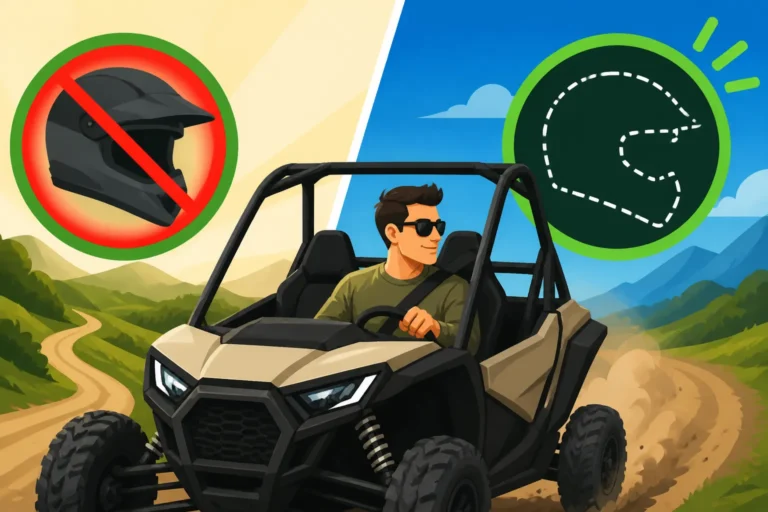
While the general rule is strict, California law does provide a specific helmet waiver for certain types of vehicles. This is where the roll cage and seatbelt conversation truly comes into play. The waiver is not a blanket exemption for all OHVs with a roof; it's explicitly tied to vehicles classified as Recreational Off-Highway Vehicles (ROHVs). For an adult (18 years or older) operating or riding as a passenger in a ROHV, a helmet may not be required if the vehicle is equipped with a roll cage and a seat belt, and the occupant is wearing the seat belt. This distinction recognizes the inherent structural protection offered by these vehicles, which are designed with safety cells similar to cars. It’s not just about having a roof; it's about the integral safety system the manufacturer built into the machine. This waiver is a significant relief for many UTV owners who prefer to ride without a helmet when conditions allow, particularly in warmer weather or on less technical terrain, but it’s crucial to understand the exact conditions. This particular rule is often referred to as [California's ROHV Helmet Waiver for Adults].
Understanding the ROHV Helmet Waiver
The nuances of the ROHV helmet waiver can be confusing because it depends entirely on how your specific off-highway vehicle is classified and equipped. It's not just about appearances; it's about meeting specific legal definitions and safety standards.
What is a Recreational Off-Highway Vehicle (ROHV)?
This is the cornerstone of the helmet waiver. A Recreational Off-Highway Vehicle (ROHV) is defined in California as a motor vehicle that meets specific criteria: it's designed to be used off-highway, is 60 inches or less in width, has a dry weight of 1,200 pounds or less, travels on four or more non-highway tires, has a steering wheel, and has seating that doesn't straddle the engine. Think of the typical side-by-side or UTV that has become so popular. These machines are built with a passenger compartment, typically with bucket seats side-by-side, hence the "side-by-side" moniker. Unlike an ATV where the rider straddles the machine, an ROHV offers a more car-like seating position. This fundamental difference in design is why the law differentiates between them for helmet requirements. A Polaris RZR, a Can-Am Maverick, or a Yamaha YXZ are classic examples of ROHVs. Understanding this classification is the first step in knowing if you qualify for the helmet waiver. If your machine doesn't fit this description, like a traditional ATV or a dirt bike, the waiver simply does not apply to you or your passengers. You can learn more about general UTV registration in [California OHV Registration for a UTV].
The Role of a Roll Cage and Seatbelts
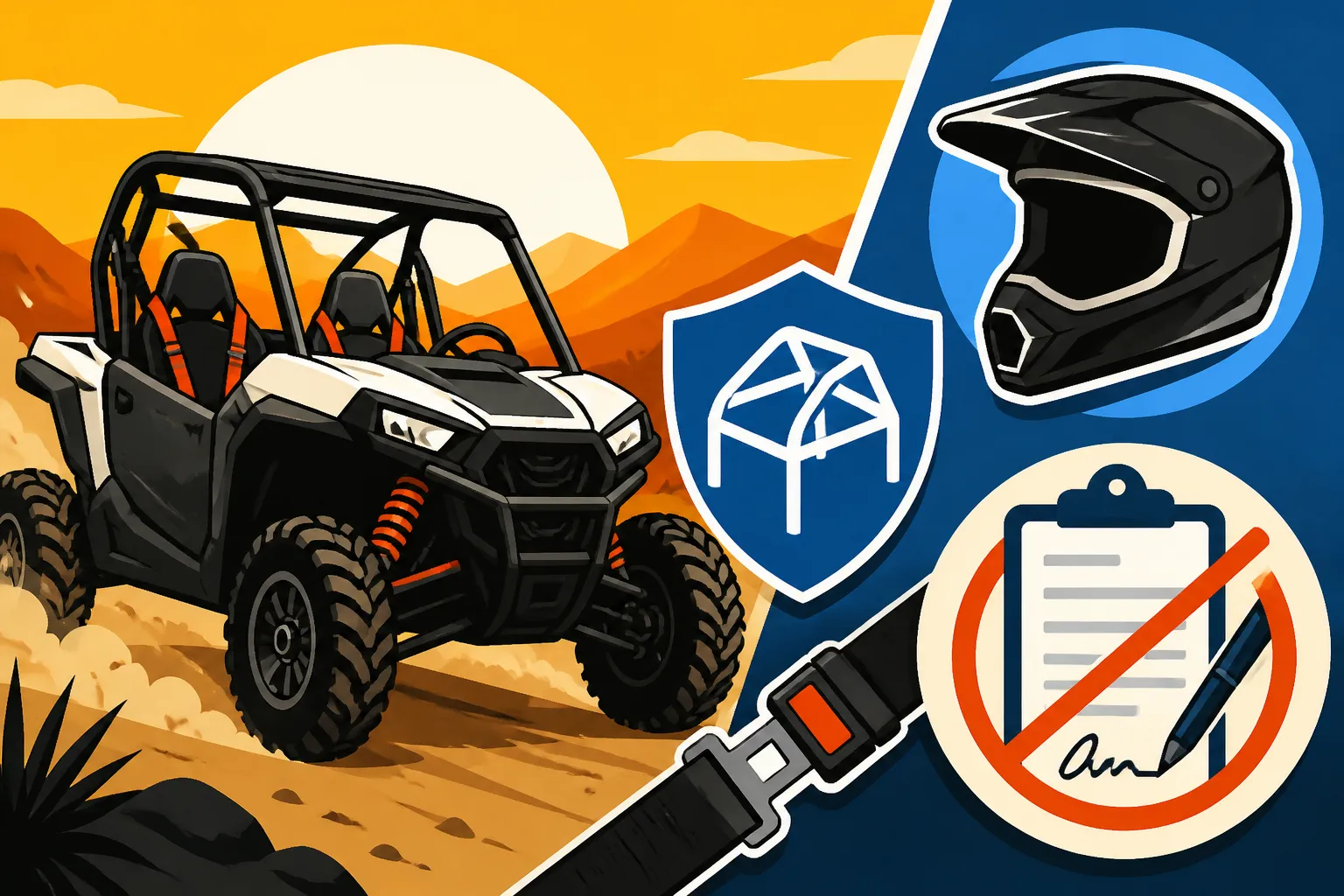
For an adult (age 18 or over) to legally forego a helmet in a ROHV on public land, two critical safety features must be present and utilized: a roll cage and a seatbelt. The roll cage is the structural frame designed to protect occupants in the event of a rollover. It forms a safety cell around the driver and passengers, providing a degree of protection that an open-air ATV simply cannot. It's not just any cage; it must be an integrated, factory-designed safety structure. Complementing this, seatbelts (typically three-point or four-point harnesses) are essential. They keep the occupants contained within the protected space of the roll cage during sudden movements, impacts, or rollovers. The law is very clear: you must be wearing the seatbelt for the waiver to apply. Simply having a cage and seatbelts isn't enough; they must be actively used. This means buckling up every single time you head out, even for a short putt around the campsite. If you're considering aftermarket safety upgrades, like a custom roll cage or more robust harnesses, companies like SuperATV offer a range of products designed to enhance occupant protection, but always ensure they meet or exceed safety standards and don't inadvertently void any legal classifications or insurance requirements.
Who Qualifies for the Waiver?
The ROHV helmet waiver in California is specific about who can benefit from it. First and foremost, it applies only to adults, meaning individuals 18 years of age or older. If you are a passenger or operator of a ROHV and you are under 18, you are still required to wear a helmet, regardless of whether the ROHV has a roll cage and seatbelts. This is a crucial point that often gets overlooked. So, if you're taking your teenager out in your side-by-side, they must have a helmet on. Secondly, as mentioned, the waiver is contingent on the adult operator/passenger being properly secured by a seatbelt. No seatbelt, no waiver, even if you're 18+. Finally, the waiver applies only to vehicles that meet the legal definition of an ROHV. This means custom-built buggies or heavily modified machines that might technically have a cage and seatbelts could still fall outside the ROHV definition, potentially requiring helmets for all occupants. Always verify your vehicle's classification if you're unsure. Understanding [California Rules for Riders Under 18] is paramount, especially for families.
Practical Implications for Your Ride
Navigating the trails and dunes of California requires more than just knowing how to operate your machine; it demands a clear understanding of the specific rules that apply to your vehicle type. The helmet waiver is one of the most significant distinctions you'll encounter.
ATV vs. UTV: Helmet Requirements Compared
The contrast in helmet requirements between an ATV (All-Terrain Vehicle) and a UTV (Utility Task Vehicle, often interchangeably used with ROHV in this context) is stark and incredibly important.
ATV (All-Terrain Vehicle):
- Definition: A motorized off-highway vehicle designed to travel on four low-pressure tires, with a seat designed to be straddled by the operator, and handlebars for steering.
- Helmet Requirement: Mandatory for all riders, regardless of age. There is no helmet waiver for ATVs in California. This means if you're riding a quad, whether it's a Yamaha Raptor, Honda TRX, or Polaris Sportsman, you and any legal passengers (though passengers are generally banned on ATVs in California unless specifically designed for two riders and carrying specific manufacturer certifications, which is rare) must wear an approved safety helmet. The law is unequivocal on this point.
- Why: ATVs offer no inherent rollover protection from a cage, and the riding style involves significant body movement and exposure. Helmets are the primary form of head protection. For more on passenger rules, see [California ATV Passenger Ban Explained].
UTV / ROHV (Utility Task Vehicle / Recreational Off-Highway Vehicle):
- Definition: A motorized off-highway vehicle designed for side-by-side seating, with a steering wheel and a roll cage, and seats that do not straddle the engine.
- Helmet Requirement:
- Adults (18+): Helmet is optional if the vehicle is equipped with a roll cage and a seatbelt, and the adult is wearing the seatbelt.
- Minors (Under 18): Helmet is mandatory, regardless of the vehicle's safety features.
- Why: The integrated roll cage provides structural protection in a rollover, and the seatbelts keep occupants contained. This allows for the waiver for adults who are properly restrained.
Here's a quick comparison table:
| Feature | ATV (All-Terrain Vehicle) | UTV / ROHV (Recreational Off-Highway Vehicle) |
|---|---|---|
| Seating Position | Straddle the engine | Side-by-side, not straddling engine |
| Steering | Handlebars | Steering wheel |
| Roll Cage | No (open-air design) | Yes (integrated safety structure) |
| Seatbelts | No (not standard, not designed for) | Yes (mandatory for waiver) |
| Helmet for Adults (18+) | Mandatory | Optional (if caged & belted) |
| Helmet for Minors (<18) | Mandatory | Mandatory |
This table clearly illustrates why identifying your vehicle type is the first step in understanding your helmet obligation in California.
Ensuring Your Machine Meets Waiver Requirements
If you're an adult planning to ride your UTV without a helmet on California public lands, it's absolutely crucial that your machine meets the specific requirements for the waiver. This isn't just about having a cage and a seatbelt; it's about the factory-intended design and functionality.
- Factory Roll Cage: The UTV must have a manufacturer-installed, integrated roll cage. Aftermarket cages from reputable brands like SuperATV can enhance safety, but the core structural integrity from the factory design is what the law implicitly references. If your UTV has been heavily modified or custom-built, ensure its safety features still align with the spirit of the ROHV definition.
- Operational Seatbelts: The vehicle must be equipped with working seatbelts for all designated seating positions. These should be maintained and in good condition. If a seatbelt is frayed, damaged, or not latching properly, it doesn't count as "equipped with a seatbelt" in the eyes of the law or, more importantly, in a crash. Regularly inspect your seatbelts for wear and tear. Upgrading to five-point harnesses, also available from companies like SuperATV, can provide enhanced safety even when a helmet isn't required for adults, keeping you more securely planted in your seat during aggressive riding or unexpected bumps.
- ROHV Classification: As discussed, your vehicle must legally qualify as an ROHV. If you're unsure, check your owner's manual or registration documents. Machines wider than 60 inches or heavier than 1,200 pounds dry might fall into different classifications, potentially altering the rules.
Verifying these points before you ride can save you from a citation and, more importantly, significantly enhance your safety.
Beyond Helmets: Other Safety Gear and Considerations
Even when the helmet waiver applies to you as an adult in a UTV, it doesn't mean you should throw caution to the wind regarding other safety measures. Helmets are just one piece of the protective puzzle, and smart riders prioritize overall safety.
- Eye Protection: Always wear goggles or shatter-resistant eyewear. Even in a caged vehicle, dust, sand, bugs, and debris can easily enter the cabin, impairing your vision and causing injury.
- Gloves: Protect your hands from impacts, blisters, and sun exposure. They also improve grip on the steering wheel.
- Long Sleeves and Pants: Regardless of the temperature, wearing long-sleeved shirts and long pants can protect your skin from scrapes, cuts, and sunburn. Durable fabrics like denim or purpose-built riding gear are best.
- Appropriate Footwear: Closed-toe shoes with good ankle support are essential. Avoid sandals or open-toed shoes, which offer no protection against foot injuries.
- Fire Extinguisher: A small, easily accessible fire extinguisher is a smart safety item for any OHV, especially in dry California environments.
- First-Aid Kit: Always carry a well-stocked first-aid kit for minor injuries.
- Communication Device: A cell phone or satellite communicator can be a lifesaver if you're in an area with no cell service and need assistance.
- Whip Flag: If you're riding in dune areas like Glamis or Oceano Dunes, a whip flag is mandatory for visibility, regardless of your vehicle type.
These additional safety measures are not just recommendations; they are crucial components of responsible OHV recreation, helping to mitigate risks even when a helmet isn't legally required. Safety should always be your top priority, ensuring every ride is as enjoyable and safe as possible. You can read more about other items to carry in [Carrying Registration Paper on the Sand].
Common Misconceptions and What Rangers Look For
Despite the clear language in the California Vehicle Code, confusion often persists regarding the helmet waiver. Riders frequently misinterpret the rules, sometimes based on out-of-state experiences or simply a lack of awareness. Understanding these misconceptions and knowing what law enforcement looks for can prevent frustration and citations.
The "Street Legal" Confusion
One of the most pervasive myths is that if you've managed to make your UTV "street legal" in another state, or if it has a license plate, then California's off-highway helmet rules don't apply to you. This is a significant and dangerous misunderstanding. California has extremely strict laws regarding street-legal conversions for OHVs, and for most UTVs, achieving true street legality within the state is practically impossible. Even if you're visiting from a state like Arizona or Utah where your UTV might legitimately have a license plate and be street legal, that street-legal status does not transfer to California's off-highway riding areas.
When you're riding in a California State Vehicular Recreation Area (SVRA) like Pismo, Ocotillo Wells, or any designated OHV trail system, you are operating under California's OHV laws, not the laws governing highway vehicles or those of your home state. Rangers at the entrance gates or on patrol are enforcing off-highway vehicle regulations. They are looking for valid OHV registration (Green, Red, or Tan sticker, or a nonresident permit), spark arresters, sound compliance, and helmet use according to the California OHV rules for that specific riding environment. Your out-of-state license plate might be fine for trailering your UTV on California highways, but it won't exempt an under-18 passenger from wearing a helmet in a UTV on an OHV trail, nor will it excuse an adult riding an ATV without a helmet. For more information on why this distinction exists, you can read [Why a Stock UTV Cannot Be Plated in California] and [Do Nonresidents Need California OHV Registration?].
Spot Checks and Enforcement
California OHV enforcement officers, including park rangers, sheriff's deputies, and California Highway Patrol (CHP) officers, are highly trained and experienced in identifying compliance with OHV laws. When you're out riding on public lands, anticipate that you might encounter these officers, especially at entrance points, popular staging areas, or during routine patrols.
Here's what they typically look for regarding helmets and the waiver:
- Vehicle Type Identification: Their first step is to quickly identify whether your machine is an ATV, a UTV/ROHV, or another type of OHV. This dictates which set of rules applies.
- Occupant Age: If you have passengers, especially younger ones, their age is a key factor. If a passenger appears to be under 18 in a UTV, the ranger will expect them to be wearing a helmet. If an adult is riding an ATV, they will be checking for a helmet.
- Roll Cage and Seatbelt Use: For adults in UTVs/ROHVs, officers will verify the presence of a roll cage and, critically, that all occupants are properly buckled into their seatbelts. If your seatbelt is unbuckled, even if you have a cage, the waiver does not apply, and you could receive a citation for not wearing a helmet.
- Helmet Condition: If a helmet is required, officers may also check that it appears to be a DOT-compliant safety helmet, though inspecting the exact certification isn't always practical on the trail.
- Documentation: Beyond helmet rules, they'll also be checking for current OHV registration, valid spark arresters, and possibly sound levels.
Rangers are not there to ruin your fun but to ensure everyone's safety and the responsible use of public lands. A friendly and cooperative attitude goes a long way. If you're pulled over or stopped for a check, have your registration and any other required documents ready, and calmly answer their questions. Knowing the rules, especially around [California Helmet Law for UTV Passengers] and the waiver, ensures you can enjoy your ride without unexpected fines.
Disclaimer
This article is for general informational purposes only and does not constitute professional advice. Laws, prices and regulations vary by location and change over time. Consult a qualified professional for guidance on your specific situation.