Youth Machines on California Public Land
Bringing your child's off-highway vehicle (OHV) out to the sprawling, beautiful public lands of California should be a joy, a chance for them to experience the thrill of the outdoors. But let's be honest, the thought of deciphering all the rules and regulations for youth riders can feel like tackling a rocky climb blindfolded. You just want your kids to have fun safely, without you racking up a hefty fine or, worse, putting them in harm's way because you missed a crucial detail. This guide is here to clear the mud, giving you a comprehensive, no-nonsense look at what you need to know to ensure your young rider is legal, safe, and ready to enjoy California's amazing trails and dunes.
Understanding California's Age and Supervision Rules for Young Riders
California takes the safety of its youngest riders very seriously, and for good reason. These machines are powerful, and even smaller youth models require a high degree of responsibility and skill. The rules around age and supervision aren't there to frustrate you; they're designed to protect your children while they learn and grow into confident, capable riders. It’s a common pitfall for parents to assume that if they own the machine, their child can just hop on, but there are specific stipulations based on age that you absolutely cannot overlook.
The state categorizes young riders into different age brackets, each with its own set of requirements. Knowing which bracket your child falls into is the first step toward ensuring compliance. For instance, the rules for a nine-year-old are vastly different from those for a sixteen-year-old, even if they're riding similar machines. This granular approach helps address the varying developmental stages and cognitive abilities of children as they mature. You'll find that supervision isn't just about being present; it often comes with specific qualifications for the adult supervisor.
Minimum Age and Direct Supervision Requirements
Let's talk about the youngest adventurers. In California, if your child is under the age of 14, they simply cannot operate an ATV or UTV on public lands without direct supervision. This isn't a suggestion; it's a hard and fast rule. [California Minimum Age to Ride on Public Land] clearly states that direct supervision is paramount. What does "direct supervision" actually mean in practice? It means an adult, who themselves meets specific criteria, must be close enough to the child to see and immediately respond to any situation. This isn't a time to kick back at camp and let them wander off to the next dune over. The supervising adult needs to be actively engaged, watching the child's every move, ready to intervene if needed.
The supervising adult isn't just any adult, either. California law specifies that this adult must be at least 18 years old and, crucially, must hold an approved ATV Safety Certificate. So, if you're planning a trip, make sure you, or whoever is supervising, has that certificate in hand. This ensures that the adult understands the fundamentals of ATV safety, which they can then impart to the younger rider. It also means that a teenager, even one who is an excellent rider, cannot be the "supervisor" for a younger sibling on public land. The onus is squarely on an experienced, certified adult. Without this, you could face penalties, and more importantly, your child is riding without the necessary oversight that could prevent an accident.
Rules for Teen Riders Aged 14 to 18
As children mature into their teenage years, California's rules adjust slightly to reflect their increased capacity for responsibility and skill. For riders aged 14 to 18, the "direct supervision" requirement becomes a bit more nuanced. While they are generally permitted to operate OHVs on public land, they still need to meet specific criteria, particularly regarding their own safety education. [California Rules for Riders Aged 14 to 18] outlines these details.
The key here is the ATV Safety Certificate. Unlike younger riders who require a certified adult supervisor, teenagers in this age bracket are often required to possess their own certificate to ride independently on public land. This signifies that they have undergone formal safety training, understanding everything from proper riding techniques to environmental awareness and basic maintenance checks. This certificate essentially "qualifies" them to ride without an adult shadowing their every move, though parental oversight is always encouraged. For side-by-sides (ROVs), the rules can be slightly different, with 16 being the general minimum age to operate one, again, with a safety certificate. This distinction between ATVs and ROVs is important, as the operating dynamics and potential risks can vary significantly between the two types of machines. It’s a progression, teaching responsibility and building skills with age-appropriate expectations.
The Mandatory ATV Safety Certificate: What Your Child Needs
The ATV Safety Certificate isn't just a piece of paper; it's a testament that the rider (or their adult supervisor) has gone through formal training to understand the ins and outs of safe OHV operation. For many parents, it might seem like another hoop to jump through, another item on an already long checklist for a family outing. But really, it’s a foundational element of keeping everyone safe, especially the kids who are still developing their riding instincts and judgment.
Think of it like a driver's license for a car. You wouldn't let a new driver hit the highway without proper training and a license, and the same principle applies to the trails. These courses cover critical aspects like pre-ride inspections, starting and stopping, turning, climbing hills, descending hills, emergency stopping, and even environmental responsibility. They teach defensive riding and how to anticipate hazards, skills that are invaluable in preventing accidents.
Who Needs an ATV Safety Certificate
California's regulations are pretty clear about who needs to hold an ATV Safety Certificate. As we discussed, any adult supervising an OHV rider under 14 years old must possess one. This ensures that the adult has the knowledge to properly guide and instruct the younger rider, making them an effective first line of defense against potential hazards. Beyond supervision, any rider aged 14 to 18 who wishes to operate an OHV on public lands generally needs their own certificate. This empowers them with the knowledge and skills directly, fostering independence while ensuring safety. [California ATV Safety Certificate Requirements] delves deeper into these specific mandates.
It's worth noting that if your child is participating in an organized, sanctioned event on private property, the rules might be different, but for public land use, this certificate is almost universally required for those falling within the specified age groups or supervisory roles. The goal is to standardize a baseline of safety knowledge across all riders, promoting a culture of responsible off-roading from a young age. Without this certificate, your child's ride could be cut short by a ranger, and you could face citations.
How to Get the Certificate and What It Costs
Obtaining an ATV Safety Certificate is a straightforward process, designed to be accessible to families across the state. Typically, it involves completing an approved safety course. These courses are offered by various organizations, often endorsed by the state's Off-Highway Motor Vehicle Recreation (OHMVR) Division. You can usually find a list of approved providers on the California State Parks website or by inquiring at local OHV parks. [Where to Take a California ATV Safety Course] can help point you in the right direction.
The courses often blend classroom instruction with hands-on riding exercises, ensuring that participants not only understand the theory but can also apply it practically. For instance, they might practice obstacle avoidance or proper hill climbing techniques in a controlled environment. While there is a fee associated with these courses, the cost is a small investment when weighed against the potential for injury or fines. [California ATV Safety Certificate Cost] can give you an idea of the expense, but it's always best to check with individual course providers for current pricing and schedules. Some rental outfits even offer the safety course as part of their rental package, which can be a convenient option for visitors or those looking to try before they buy. It’s a worthwhile investment in your child's safety and your peace of mind.
Gear Up! Helmets, Passengers, and Machine Safety for Youth OHVs
Beyond the paperwork and training, the physical act of riding an OHV, especially for a youth, demands a focus on protective gear and the inherent safety features of the machine itself. This is where parents often have the most immediate control, and it's absolutely vital to get it right. From the helmet on their head to the setup of their machine, every detail contributes to a safer riding experience. There's a big difference between thinking your child is safe and ensuring they are safe through proper equipment choices and adherence to regulations.
It’s easy to overlook things in the excitement of a ride, but a minor oversight can lead to major consequences. For instance, a helmet that doesn't fit correctly is almost as bad as no helmet at all, and letting a small child ride as a passenger on a machine not designed for it is an accident waiting to happen. The rules aren't just arbitrary; they are the result of years of accident data and safety research, tailored to the specific risks of off-roading.
Mandatory Helmets and the Passenger Ban
When it comes to protective gear, the helmet is king. California law mandates that anyone, regardless of age, operating or riding as a passenger on an OHV on public land must wear a helmet that is properly fitted and secured. This isn't just about kids; it's about everyone. For children, it's even more critical as their developing brains are more vulnerable to head injuries. [California Helmet Law for ATV Riders] is very clear on this. The helmet must be a U.S. DOT compliant motorcycle safety helmet, meaning it meets federal safety standards. Don't skimp on this; a cheap, ill-fitting helmet from a discount store might not offer the protection needed in an off-road crash. Investing in a good quality helmet that fits snugly and comfortably is one of the best decisions you can make. Brands like SuperATV, while more known for UTV accessories, emphasize safety in their product lines, and the principle of quality protective gear is universal across all off-road riding.
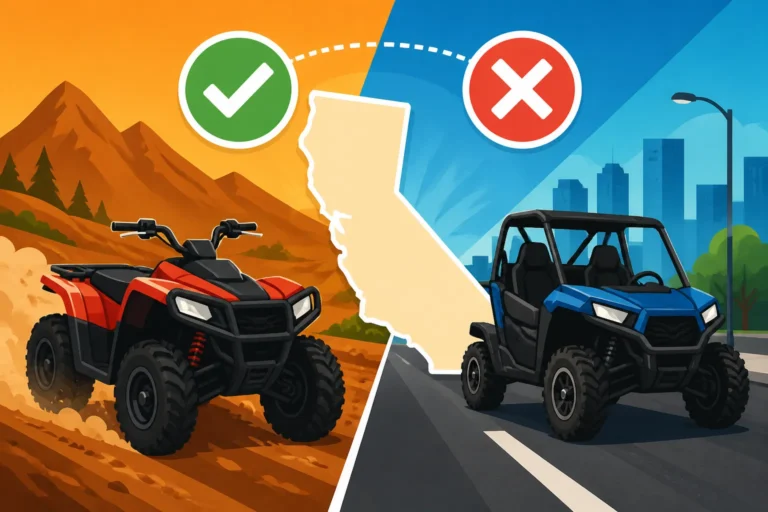
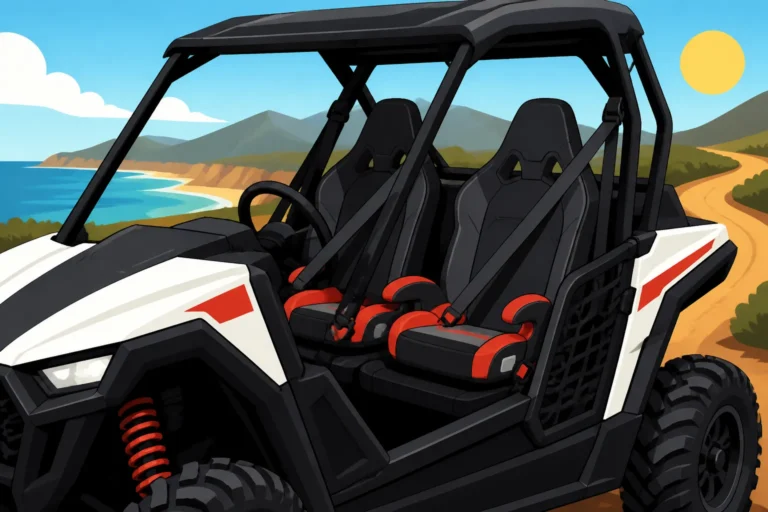
Now, let's talk about passengers on ATVs. This is a crucial point that often catches parents by surprise: California law strictly prohibits passengers on ATVs, unless the ATV is specifically designed by the manufacturer to carry more than one person and is equipped with a designated passenger seat and footrests. Most youth ATVs are single-rider machines. [California ATV Passenger Ban Explained] emphasizes this. Trying to squeeze two kids onto a single-seat ATV, even if they're small, is not only illegal but incredibly dangerous. It shifts the weight distribution, compromises the rider's control, and significantly increases the risk of a rollover. For side-by-sides (ROVs), passengers are generally allowed as long as they are seated in a manufacturer-designed seat, wearing a seatbelt, and often require a helmet. Always check your specific machine's manual and the local regulations.
Youth Machine Specifications and Safety Devices
Beyond personal protective gear, the machines themselves have specifications and safety devices that are particularly relevant for youth riders. Youth models of ATVs and UTVs are typically designed with smaller engines, lower top speeds, and sometimes features like remote engine shut-off switches or adjustable throttle limiters. These are not just marketing gimmicks; they are integral safety features that allow parents to gradually increase the machine's performance as their child's skills and experience grow. Many youth machines have speed governors, allowing parents to control the maximum speed the machine can reach, which is an invaluable tool for beginners.
When selecting a youth machine, always adhere to the manufacturer's age recommendations. These recommendations are based on factors like machine weight, power, and handling characteristics. Don't put a six-year-old on a machine designed for a twelve-year-old; it's simply too much for them to handle safely. For UTVs, features like roll cages, seatbelts, and safety nets or doors are standard and absolutely essential. If you're looking at aftermarket accessories, ensuring they meet or exceed safety standards is key. For example, SuperATV offers robust roll cages and harnesses for UTVs, which can enhance safety for all occupants, including younger passengers, if your machine allows them. Always check that spark arresters are in good working order and that the machine meets California's sound limits. These might seem like minor details, but they are frequently checked by rangers and contribute to environmental responsibility.
Where Can Kids Really Ride? Navigating California's Public Lands
So, you've got the safety certificate, the gear is sorted, and the machine is ready. Now for the exciting part: finding somewhere to actually ride! California offers an incredible array of public lands suitable for OHV riding, from sprawling desert dunes to winding forest trails. However, not all public lands are open to OHVs, and even within designated areas, there can be specific restrictions or recommendations for youth riders and machines. It’s never a good idea to just point a map and go; a little research beforehand can save you a lot of hassle and ensure your family has a fantastic day out.
Many parents wonder if their little rider can join them everywhere they go. While the spirit of family riding is strong, some trails might be too challenging or simply not suitable for smaller, less powerful youth machines or less experienced riders. Understanding which areas are family-friendly and which might be best left for advanced riders is crucial for both safety and enjoyment.
State Vehicular Recreation Areas (SVRAs)
California's State Vehicular Recreation Areas (SVRAs) are purpose-built havens for OHV enthusiasts, and many of them are fantastic places for youth riders to hone their skills. These parks are managed by California State Parks' OHMVR Division, and they offer designated trails, open riding areas, and often amenities like campgrounds and staging areas. Places like Hollister Hills SVRA, Hungry Valley SVRA, and Prairie City SVRA often have specific youth riding areas or beginner-friendly trails that are perfect for younger operators. [California's State Vehicular Recreation Areas] provides a good overview of these incredible resources.
The beauty of SVRAs is that they are designed with safety and accessibility in mind. They often have clear signage, maps indicating trail difficulty, and rangers on patrol who can provide assistance and enforce rules. This structured environment is ideal for parents who want to introduce their children to OHV riding in a controlled and supportive setting. You'll find a wide range of terrain, from flat, sandy tracks to gentle rolling hills, allowing kids to progress at their own pace. Always check the specific SVRA's website before you go, as conditions, open areas, and any temporary closures can change.
National Forests, BLM Land, and Other Designated Areas
Beyond the SVRAs, California has vast tracts of National Forest and Bureau of Land Management (BLM) land that offer extensive OHV opportunities. These areas can be a bit more rugged and less developed than SVRAs, offering a different kind of adventure. However, access for OHVs on these lands is strictly limited to designated routes and trails, often marked on Motor Vehicle Use Maps (MVUMs) for National Forests or specific BLM travel management plans. You cannot simply create your own trail.
For youth riders, the key here is to stick to clearly marked, easier trails. Many National Forests have "green dot" roads or fire roads that are wide and relatively smooth, suitable for beginners. Desert areas managed by the BLM, like portions of the Imperial Sand Dunes Recreation Area (Glamis), also have designated youth riding zones and family-friendly camping areas. While the thrill of the desert is undeniable, always be mindful of the unique challenges, like soft sand and high temperatures, and ensure your youth machine is equipped (like with a whip flag for visibility in the dunes). [California Riding Areas Good for Kids] might highlight some specific recommendations for these broader public lands. Always carry a map, know your route, and be aware of your surroundings. Some areas might have seasonal closures or restrictions, especially during fire season, so checking with the local land management office before your trip is a must.
| Age Group | ATV Safety Certificate | Supervision Requirement | Helmet Requirement | Passenger Rules (ATV) | ROV Operator Age (UTV) |
|---|---|---|---|---|---|
| Under 14 | N/A (Supervisor needs) | Direct Supervision by a certified adult (18+) | Mandatory | No Passengers Allowed | N/A (Cannot operate) |
| 14 to 18 | Mandatory | Generally, can ride independently once certified; adult guidance still highly recommended | Mandatory | No Passengers Allowed | 16 (with certificate) |
| 18 and Over | Recommended | Not required for operation | Mandatory | Per Manufacturer Specs | 16 (with certificate) |
Disclaimer
This article is for general informational purposes only and does not constitute professional advice. Laws, prices and regulations vary by location and change over time. Consult a qualified professional for guidance on your specific situation.