California’s ROHV Helmet Waiver for Adults
Riding an off-highway vehicle (OHV) in California can be a thrilling experience, but the rules, especially around safety gear, often feel like a tangled web. Many adult riders, particularly those who have embraced the comfort and capabilities of side-by-sides, find themselves scratching their heads over helmet requirements. This comprehensive guide aims to untangle the specifics of California's helmet laws, focusing specifically on the adult Recreational Off-Highway Vehicle (ROHV) helmet waiver, so you can ride confidently and legally.
Understanding the Foundation: California's General Helmet Law for OHVs
Before we dive into the specifics of any waivers, it’s crucial to understand the baseline. California has a robust and generally strict approach to safety when it comes to off-highway riding, and head protection is at the very top of that list. For the vast majority of OHV experiences, a helmet isn't just a suggestion; it's a legal mandate.
The Universal Rule: When a Helmet is Always Required
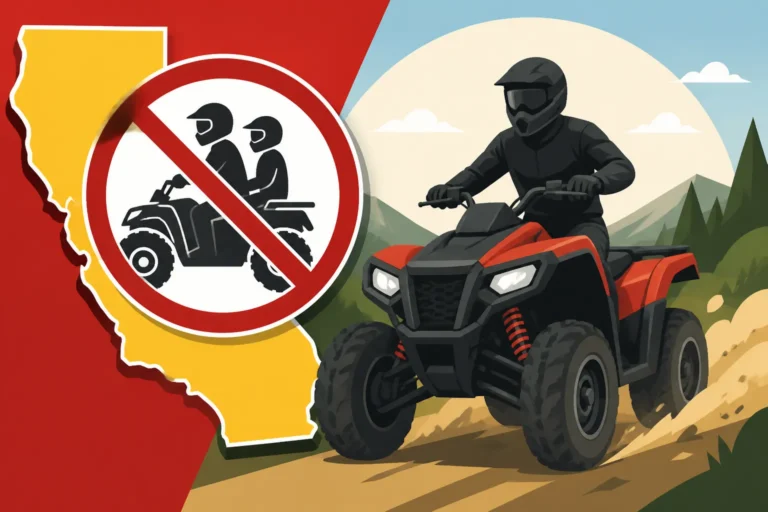
Imagine you're gearing up for a rip through the trails on your dirt bike or a dune adventure on your ATV. In these scenarios, there's no question: a helmet is absolutely required. California Vehicle Code (CVC) Section 38505 is pretty clear that anyone operating or riding as a passenger on an all-terrain vehicle (ATV) must wear a safety helmet. This isn't just about the driver; it extends to any passenger catching a ride on the back, or even a smaller ATV designed for multiple riders if they're straddling the machine.
This blanket rule covers most traditional OHVs. Whether you're on a two-wheeled dirt bike, a three-wheeler (if you still have one!), or a four-wheeled ATV, you and your passengers need to be wearing an approved helmet. The idea is simple: these machines, by their very design, offer minimal protection in the event of a roll-over, impact with an obstacle, or an unexpected dismount. Your head is exposed, and the state wants to make sure it's protected. If you're curious about the specifics, you might find more details in articles like [California Helmet Law for ATV Riders] or [California Helmet Law for UTV Passengers] which elaborate on these foundational requirements. It's a fundamental part of the OHV safety landscape that every rider needs to internalize.
Why the Law Exists: Safety and the Unpredictable Trail
The state's insistence on helmet use isn't just about making things complicated; it's rooted deeply in rider safety and the harsh realities of off-road environments. Trails are unpredictable. You can encounter hidden rocks, unexpected ruts, sudden changes in elevation, or even other riders around a blind corner. A simple loss of traction or an incorrect weight shift can send you tumbling, and a head injury is one of the most severe and life-altering consequences of such incidents.
Helmets are designed to absorb and distribute impact forces, drastically reducing the risk of concussions, skull fractures, and traumatic brain injuries. Without one, even a seemingly minor fall can lead to catastrophic results. The law, therefore, acts as a protective measure, mitigating the severe risks inherent in OHV riding. It's about ensuring that a day of fun doesn't turn into a medical emergency or a lifelong struggle. When you see a park ranger or a California Highway Patrol officer checking for helmets, they're not just enforcing a rule; they're looking out for your well-being.
What is an ROHV? Defining the "Recreational Off-Highway Vehicle"
When we talk about the helmet waiver, the key distinction often revolves around the type of vehicle you're operating. California has a specific legal classification for "Recreational Off-Highway Vehicles" (ROHVs), which most of us simply call UTVs or side-by-sides. Understanding this classification is paramount to knowing whether the helmet waiver might apply to you.
More Than Just a Side-by-Side: Legal Classification
An ROHV, as defined by California law (CVC Section 38012), is a motor vehicle that is:
- Designed to be operated off-highway.
- Intended by the manufacturer primarily for recreational use.
- Has a steering wheel for steering control.
- Has non-straddle seating for the operator and passengers (meaning you sit in a seat, not on a seat like a saddle).
- Has a minimum of four wheels.
- Has a maximum speed capability of at least 30 miles per hour.
- Has a manufacturer-installed occupant protective structure (roll cage) and an integrated seat or seats with seat belts.
So, while you might casually refer to your Polaris RZR, Can-Am Maverick, or Kawasaki Teryx as a "UTV" or "side-by-side," legally, in California, it often falls under the ROHV umbrella if it meets these criteria. This specific definition is what sets these vehicles apart in the eyes of the law, especially concerning helmet requirements. The presence of a factory-installed roll cage and seatbelts is a game-changer, laying the groundwork for potential waivers. You'll often see these terms used interchangeably, but knowing the specific legal term helps clarify which rules apply. For general registration, understanding the vehicle type is important, as seen in guides like [California OHV Registration for a Side-by-Side] or [California OHV Registration for a UTV].
Distinguishing ROHVs from ATVs and Other OHVs
The difference between an ROHV and an ATV is where the helmet waiver really starts to make sense. Picture an ATV: you straddle a saddle-like seat, steer with handlebars, and your legs are often on footpegs. In the event of a rollover, you're quite exposed, often separated from the machine. This is why the helmet is always mandatory for ATVs.
Now, consider an ROHV: you sit in a bucket seat, steer with a steering wheel, and are secured by a seatbelt within a protective roll cage structure. These features fundamentally change the risk profile. The roll cage provides a degree of overhead and side protection, while the seatbelts keep you contained within that protective zone. This distinction is crucial because the waiver hinges entirely on these integrated safety features. Dirt bikes, which are two-wheeled and offer no structural protection, also fall squarely under the "helmet always required" rule. This legal separation based on vehicle design is the bedrock of the California adult ROHV helmet waiver.
The Adult ROHV Helmet Waiver: Conditions and Exceptions
Here’s where it gets interesting and where many adult side-by-side riders find some relief. California law does provide an exception to the universal helmet rule, but it's not a blanket waiver for all ROHV riding. It's highly conditional, designed around the inherent safety features of these specific vehicles.
Who Qualifies: Age and Machine Requirements
First and foremost, this waiver is strictly for adults 18 years of age or older. If you're a minor, regardless of the vehicle type, you must wear a helmet when riding an OHV on public lands. There are no exceptions for youth, even in an ROHV equipped with all the safety bells and whistles. [California Rules for Riders Under 18] and [California Minimum Age to Ride on Public Land] clarify these restrictions for younger riders.
Beyond age, the waiver is tied directly to the vehicle itself. To qualify for the waiver, the ROHV must be equipped with:
- A roll cage: This is a manufacturer-installed or approved aftermarket structure designed to protect occupants in a rollover.
- Seatbelts: The vehicle must have an integrated seat or seats with seatbelts, and these must be properly functioning and worn by all occupants.
It's not enough to simply have these features; they must be utilized correctly. This means that if your ROHV has a roll cage and seatbelts, and you, an adult, are operating it while wearing your seatbelt, you may be exempt from wearing a helmet. This is a critical distinction that many riders misunderstand. It’s not just about owning an ROHV; it’s about meeting specific conditions while operating it.
When the Waiver Applies: Seatbelts, Doors, and Roll Cages
The waiver, outlined in CVC Section 38505(b), specifically states that an adult (18 years or older) operating or riding as a passenger in an ROHV is exempt from wearing a helmet if the vehicle is equipped with a roll cage and a seatbelt for each occupant, and all occupants are wearing their seatbelts properly.
Let's break that down:
- Seatbelt Use is Non-Negotiable: This is the absolute linchpin. If you're an adult in an ROHV with a roll cage, but you or your adult passenger aren't buckled in, the waiver is null and void. You are then legally required to wear a helmet. This underscores the importance of proper restraint systems, as detailed in [California Seat Belt Rules in a UTV].
- Roll Cage Presence: The vehicle must be manufactured with or have an approved aftermarket roll cage. Some riders enhance their safety with additional bracing or structures from companies like SuperATV, but the fundamental requirement is the presence of an occupant protective structure.
- Doors or Nets (Often Implied): While not explicitly stated in the CVC section for the helmet waiver, many ROHVs also come with factory doors or safety nets. These are often considered part of the overall occupant protection system. Removing them, while not directly impacting the helmet waiver rule, can still compromise safety and potentially lead to other citations for unsafe operation. The spirit of the law is about maximizing occupant containment within the protective structure, which is clearly illustrated by topics like [Cage, Belts and the Helmet Waiver].
Consider this scenario: you're out with your buddies, all over 18, in your side-by-side. The machine has a factory roll cage and seatbelts. Everyone buckles up. In this instance, none of you are legally required to wear helmets. However, if one of your friends unbuckles for a quick picture or to stretch, they are immediately in violation of the helmet law if they aren't wearing one. It's a conditional exemption, not a permanent one.
Passengers and the Waiver: Who Can Go Without?
The good news is that if the adult driver meets all the conditions for the helmet waiver, then adult passengers (18 years or older) in the same ROHV also qualify for the waiver, provided they are also properly secured by the vehicle's seatbelts. The legal exemption applies to all occupants who are adults and are utilizing the vehicle's built-in safety features.
However, a crucial point to remember is that this waiver never extends to minors. Even if your side-by-side is a fortress of safety, any child passenger, regardless of their age or the vehicle's restraints, must wear an approved helmet. This is a very strict rule in California. The details of [A Child Passenger in a California Side-by-Side] further emphasize this crucial distinction. So, while you and your adult friends might enjoy the open-air feel without helmets, don't forget to properly equip your younger companions with their head protection.
Practical Implications and Staying Safe
Understanding the legal specifics of the ROHV helmet waiver is one thing, but applying it in the real world and making informed safety choices is another. Even when the law says you don't have to wear a helmet, it doesn't mean you shouldn't.
Checking Your Vehicle: Factory vs. Aftermarket Safety Gear
When it comes to your ROHV, it's essential to know what safety features are built into your machine, especially if you're relying on the helmet waiver.
- Factory Equipment: Most modern ROHVs come standard with robust roll cages and multi-point seatbelts. Always verify that these components are in good working order. Check for any damage to the roll cage, ensure seatbelts latch securely and retract properly, and look for fraying or cuts in the webbing.
- Aftermarket Enhancements: Many riders customize their ROHVs with aftermarket parts. Companies like SuperATV offer a wide range of accessories, including roofs, doors, and additional bracing. While these can significantly enhance your safety and comfort, it's crucial to understand that merely adding aftermarket parts doesn't change the underlying waiver rules. The core requirement remains a functional roll cage and seatbelts. If you've modified your ROHV, ensure that any changes to the cage or restraint systems meet or exceed factory safety standards and don't inadvertently void any compliance with the waiver. For example, if you replace a factory roll cage, ensure the replacement is structurally sound and recognized as an occupant protective structure.
The waiver is based on the presence and use of these foundational safety features. Don't assume. Always check.
The "Waiver" Isn't a "Recommendation": Safety First
This is perhaps the most important takeaway: just because you're legally allowed to ride without a helmet in a qualifying ROHV doesn't mean it's the safest choice. Many experienced off-roaders, even those who ride state-of-the-art side-by-sides, choose to wear helmets every single time they hit the dirt.
- Superior Protection: A helmet provides a level of head protection that even the most advanced roll cage cannot fully replicate. While a roll cage is designed to prevent collapse, a helmet actively absorbs impacts, protecting against concussions and other head injuries that can occur even without a direct rollover (e.g., hitting your head on the cage during a hard bump).
- Riding Conditions: Consider the type of riding you're doing. Are you casually cruising on flat fire roads, or are you tackling aggressive rock crawling, high-speed desert trails, or technical forest paths? The more challenging or unpredictable the terrain, the higher the risk of an incident, and thus, the stronger the argument for wearing a helmet.
- Visibility and Elements: Helmets also offer protection from dust, debris, sun, and even low-hanging branches. Integrated visors or goggles can improve visibility and keep your eyes safe.
Ultimately, the decision to wear a helmet when the waiver applies is a personal one, but it should be an informed decision based on risk assessment, not just legal minimums.
What a Ranger Checks: On the Trail Enforcement
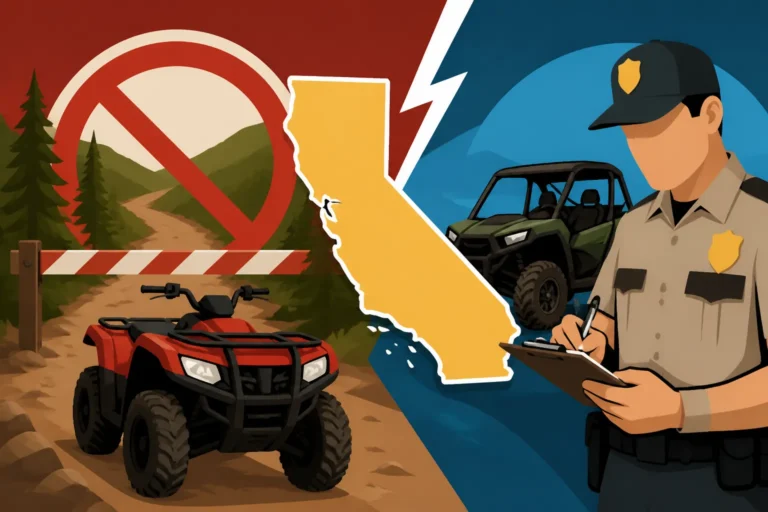
When you're out on California's public lands, be prepared for law enforcement to check your compliance with OHV regulations, including helmet use. Whether it's a park ranger, a Forest Service officer, or a California Highway Patrol (CHP) deputy, they're looking for specific things:
- Age Verification: They will confirm that the driver and any helmet-less passengers are indeed 18 years or older.
- Seatbelt Use: The most common infraction for ROHV riders attempting to use the waiver is a failure to wear seatbelts. Every adult occupant must be buckled in. This is a quick and easy check for an officer.
- Roll Cage Presence: They'll confirm that your ROHV has a factory-installed or approved aftermarket roll cage.
- Vehicle Condition: Officers may also check for other safety features like functioning brakes, proper spark arresters, and exhaust noise limits.
If you are an adult in an ROHV without a helmet, and any of the waiver conditions (age, roll cage, seatbelt use) are not met, you can absolutely expect to receive a citation. Fines for OHV violations can be substantial, and ignorance of the law is generally not considered an excuse. Knowing what a California Sheriff checks roadside can give you a better idea of the thoroughness of these inspections. Always be prepared to demonstrate compliance.
Children and Helmets in ROHVs: A Separate and Strict Rule
We've touched on this before, but it bears repeating with absolute clarity: the adult ROHV helmet waiver never applies to minors. California is exceptionally strict when it comes to the safety of young OHV riders and passengers, and helmets are non-negotiable for them.
The Ironclad Rule for Young Riders
According to CVC Section 38505(a), any person under 18 years of age, whether operating an OHV or riding as a passenger, shall wear a safety helmet. This includes children riding in side-by-sides, even if the vehicle is fully equipped with a roll cage, doors, and seatbelts, and even if the adults in the vehicle are legally exempt from helmet use.
This means if you're planning a family outing with your side-by-side, your kids—from toddlers in booster seats to teenagers—must have properly fitted, DOT-approved helmets on their heads at all times while the vehicle is in motion on public land. This is not a suggestion; it is a legal requirement with no exceptions for vehicle type or perceived safety features. The regulations surrounding [California Rules for Riders Under 18] and [A Child Passenger in a California Side-by-Side] leave no room for ambiguity on this point. Prioritizing their safety and adhering to this law is paramount.
Ensuring Proper Fit and Approval
When selecting helmets for children, simply grabbing the cheapest or most brightly colored option isn't enough.
- DOT Approval: Ensure the helmet carries a Department of Transportation (DOT) approval sticker. This signifies that it meets federal safety standards.
- Proper Fit: A helmet that is too large or too small offers inadequate protection. A properly fitting helmet should be snug, but not uncomfortably tight, and it should not move independently on the child's head when shaken. The chin strap should be securely fastened. Many specialty OHV retailers can assist with proper sizing.
- Regular Checks: As children grow, their helmet size needs to be re-evaluated. What fit last year might be too small this year, compromising safety.
Investing in a good quality, well-fitting helmet for your child is one of the most important safety decisions you can make as an OHV enthusiast. Their safety on the trails, especially given the unpredictable nature of off-roading, is priceless.
| Vehicle Type | Rider Age | Roll Cage/Seatbelts | Helmet Requirement | Conditions for Waiver (if applicable) |
|---|---|---|---|---|
| ATV / Dirt Bike | Any Age | Not Applicable | Always Required | N/A |
| ROHV (UTV/SxS) | Under 18 | Required (by law) | Always Required | N/A (No waiver for minors) |
| ROHV (UTV/SxS) | 18+ | Required (by law) | Waiver Applies | All occupants (18+) must be properly secured by a functional seatbelt |
| ROHV (UTV/SxS) | 18+ | No functional Seatbelts or Roll Cage / Modified | Always Required | If waiver conditions are not met, helmet is mandatory regardless of age |
Disclaimer
This article is for general informational purposes only and does not constitute professional advice. Laws, prices and regulations vary by location and change over time. Consult a qualified professional for guidance on your specific situation.