Booster Seats in a Side-by-Side
For parents who love hitting the trails in their side-by-side but have young kids eager to join the adventure, a big question often looms: how do you keep them safe and properly restrained? Standard UTV seatbelts are built for adults, leaving smaller children vulnerable and improperly secured, which can be a huge source of worry. This guide is here to walk you through the essential considerations for using booster seats in side-by-sides in California, ensuring your little co-pilots are as safe as possible on your next off-road excursion.
The California Rules for Child Passengers in Side-by-Sides
Navigating the world of off-highway vehicle (OHV) regulations can feel like a maze, especially when it comes to the safety of your most precious cargo. California has specific rules for passengers in Recreational Off-Highway Vehicles (ROVs), which include most side-by-sides, and understanding them is the first step to ensuring a safe ride for everyone. These rules aim to protect all riders, particularly children, from the unique risks of off-road environments.
General Safety Regulations for ROVs
California's Department of Parks and Recreation, through its Off-Highway Motor Vehicle Recreation (OHMVR) Division, sets forth general safety regulations for ROVs. These often cover everything from helmet use to operator age and, critically, passenger restraints. The overarching principle is that everyone in the vehicle must be properly secured in a seat designed for their use. This is where the challenge arises for younger children, as a standard adult seatbelt simply won't offer the protection or proper fit they need. It’s not just about being in a seat; it’s about being safely in that seat.
When we talk about proper restraint, we're really focusing on ensuring that the vehicle's safety systems—primarily the seatbelts—can do their job effectively. If a child is too small for the seatbelt to fit correctly, that safety system is compromised. This isn't just a comfort issue; it's a critical safety concern that can have serious implications in the event of a sudden stop, a bumpy trail, or even worse, a rollover. The regulations implicitly expect parents to take appropriate measures to ensure children are safely secured, even if it means going beyond the basic seat itself.
This also extends to the design of the vehicle. While side-by-sides are built tough, their interior ergonomics are largely designed for average adult body types. When you introduce a child, especially one who hasn't reached a certain height or weight, you introduce a gap in that intended safety design. The general regulations, therefore, serve as a foundational call for responsible operation and ensuring all occupants are as safe as possible given the inherent risks of off-road riding.
Minimum Age and Supervision for Passengers
California has explicit rules regarding who can operate and who can ride as a passenger in an ROV. For instance, the operator of a side-by-side on public lands typically needs to be at least 16 years old and possess a valid driver's license or an approved safety certificate. When it comes to passengers, specific age requirements also come into play. While there isn't a blanket rule stating an exact minimum age for all ROV passengers, the law does focus heavily on proper restraint and the suitability of the seating. You can learn more about specific operator rules by looking into [California ROV Operator Age Limit].
More importantly for younger passengers, California Vehicle Code (CVC) Section 38506 states that no person under 16 years of age shall operate, ride as a passenger in, or on, an all-terrain vehicle, or ride as a passenger in, or on, an ROV, unless they are wearing a safety helmet. Beyond helmets, the focus for younger children shifts to how they are seated. The general guideline is that a child should be able to sit upright, with their back against the seat, and their feet flat on the floor or footrests, with the seatbelt fitting properly. If they cannot meet these criteria, a booster seat or other appropriate restraint device becomes not just advisable, but practically mandatory for their safety.
Furthermore, there are often rules about direct supervision for younger operators, and while this primarily applies to who is driving, it underscores the state's emphasis on adult responsibility when children are involved in OHV activities. Ensuring a child is properly seated and restrained falls squarely under this adult responsibility. For more details on what California mandates for young riders, including how to transport a little one, check out [A Child Passenger in a California Side-by-Side]. It’s about more than just having a spot for them; it’s about making that spot genuinely safe.
Seat Belt and Restraint System Requirements
Every modern side-by-side comes equipped with factory seatbelts, and California law is crystal clear: these seatbelts must be worn by all occupants whenever the vehicle is in motion on public lands. This isn't an option; it's a requirement. The belts are designed to keep occupants secure within the protective cage of the vehicle in the event of impacts, rollovers, or sudden movements that are common in off-road riding. These seatbelts are your primary line of defense.
However, as we’ve discussed, standard seatbelts are engineered for average adult body dimensions. For children, this often means the lap belt rides up onto their abdomen instead of staying low on the hip bones, and the shoulder belt crosses their neck or face instead of their collarbone. In an impact, an improperly fitted lap belt can cause severe internal injuries (known as "seatbelt syndrome"), while a shoulder belt across the neck can lead to serious neck or head trauma. This is why a booster seat is so crucial—it elevates the child so that the vehicle's existing seatbelt system can function as intended, providing optimal protection.
The goal of the booster seat is to adapt the vehicle’s restraint system to the child’s size, ensuring that the critical points of contact for the seatbelt are correct. Without a booster seat, many children simply cannot achieve this proper fit, rendering the seatbelt far less effective and potentially even dangerous. The law regarding seatbelts on UTVs is strict, and ensuring every passenger, including the youngest ones, is properly secured is a key component of compliance and, more importantly, safety. You can get a deeper understanding of these requirements by reading [California Seat Belt Rules in a UTV]. It’s not just about buckling up; it’s about buckling up correctly.
Why Booster Seats Are Essential for Younger Riders
When you're out on the trails, whether it's the wide-open expanse of Glamis or the technical routes of Hungry Valley, safety is paramount. For adult riders, the factory seatbelts and ROPS (Roll Over Protective Structure) cage offer significant protection. But for the smallest adventurers, these factory features alone aren't enough. This is where booster seats become an indispensable piece of safety equipment, ensuring that children receive the protection they deserve in an off-road environment.
Bridging the Size Gap
Imagine a typical side-by-side seatbelt. It's designed to secure an adult, with anchor points and belt lengths calibrated for larger frames. Now, picture a five-year-old trying to use that same belt. The lap belt will likely ride high over their stomach, rather than snugly across their pelvic bones. This is incredibly dangerous because in a sudden stop or collision, all the force is exerted on their soft abdomen, potentially causing severe internal organ damage. This phenomenon is often referred to as "submarining," where the child slides under the lap belt.
A booster seat directly addresses this issue by elevating the child. This elevation ensures that the vehicle’s lap belt sits low across the strong hip bones, which are designed to absorb crash forces much more effectively than the soft tissues of the abdomen. Similarly, the shoulder belt, which might otherwise cut across the child's neck or slide off their shoulder entirely, is properly positioned across the center of their collarbone and chest. This correct positioning ensures that the seatbelt distributes crash forces across the strongest parts of the child's body, significantly reducing the risk of injury. It literally bridges the physical gap between a child's body and an adult-sized restraint system.
Without a booster, the chances of a child sustaining injuries are dramatically higher, not because the UTV isn't safe, but because its safety features aren't properly engaging with the child's smaller physique. This isn't about making a seatbelt more complicated; it's about making it work as it was intended to for everyone in the vehicle. The difference a booster seat makes in securing a child effectively against the vehicle's existing safety systems is profound and can be the deciding factor in preventing serious injury.
Enhanced Safety and Comfort
Beyond just proper fit, booster seats contribute significantly to overall safety and comfort in a side-by-side. Off-road riding is inherently bumpy, full of jostles, and sudden shifts. A child who isn't properly secured can be thrown around inside the vehicle, even at low speeds, leading to bumps, bruises, or worse. A booster seat, by holding the child snugly and correctly, minimizes this uncontrolled movement, keeping them stable and safe within the vehicle's protective cage.
In the unfortunate event of a rollover—a risk inherent in off-road vehicle use, even when driven responsibly—the proper restraint provided by a booster seat can be life-saving. It ensures the child remains within the confines of the ROPS and is not ejected from the vehicle or tossed into the interior structure. While no safety device can guarantee absolute protection in every scenario, a properly installed booster seat drastically improves a child's chances of avoiding severe injury during such an incident.
Comfort is another often-overlooked benefit. When a child is constantly trying to adjust an ill-fitting seatbelt or struggling to see over the dashboard, they are not only distracted but also uncomfortable. A booster seat allows them to sit at a more natural height, see their surroundings, and remain comfortable for longer periods. This can reduce fidgeting and distractions, allowing them to enjoy the ride more and encouraging better behavior, which in turn contributes to a safer overall experience. Products from companies like SuperATV often focus on making UTV interiors more functional and comfortable, and while they might not make booster seats directly, their aftermarket seating options sometimes offer compatibility features that make booster seat integration easier.
Types of Booster Seats for Off-Road Use
When considering booster seats for your side-by-side, it's helpful to know there are generally two main types, each with its own advantages, particularly when adapted for off-road conditions. The choice often depends on your child's size, your UTV's seating configuration, and your personal preferences for durability and security.
High-Back Booster Seats: These boosters feature a backrest and often provide side head and torso support. They are excellent for children who still need help positioning the shoulder belt correctly and appreciate the added support during bumpy rides. The high back also offers some protection against side impacts and provides a headrest if your UTV seats don't have adequate head support for a child. For off-road use, look for models with robust construction, perhaps even additional padding, and secure attachment points to prevent excessive movement of the booster itself on rough terrain. Some specialized off-road brands or aftermarket accessories might offer specific high-back seating solutions integrated with racing-style harnesses, which provide superior restraint compared to standard seatbelts.
Backless Booster Seats: These are simpler, cushion-style boosters that merely elevate the child. They are suitable for older, taller children who no longer need head or side support but still require elevation for the lap and shoulder belts to fit properly. The key here is that the vehicle's seat must have a headrest that supports the child's head. Backless boosters are often more portable and easier to install and remove, which can be a plus if you frequently switch riders or remove the booster for adult passengers. For off-road applications, ensure the base is sturdy and has a non-slip surface to prevent it from sliding around on the UTV's seat during dynamic riding. While they offer less overall support than high-back models, they are still a vast improvement over no booster at all for proper belt positioning.
Regardless of the type, important features for off-road specific booster seats include durable, easy-to-clean materials (because let's face it, off-road riding gets dirty!), and a design that integrates seamlessly with your side-by-side's existing seatbelts and bucket seats. Some UTV accessory manufacturers, or those who specialize in child safety for extreme sports, might offer reinforced versions or specialized mounting solutions. It's not uncommon to see UTV enthusiasts adapting standard automotive booster seats, but always ensure they are robust enough for the more demanding environment of off-road trails.
Choosing and Installing a Booster Seat for Your Side-by-Side
Selecting and properly installing a booster seat for your side-by-side isn't a one-size-fits-all situation. It requires careful consideration of your child's specific needs, your UTV's unique seating configuration, and the rigorous demands of off-road riding. Getting this right is crucial for ensuring the booster seat performs its job effectively when it matters most.
Key Considerations When Selecting a Booster
When you're sifting through options for a booster seat, don't just grab the first one you see. Think about the specific environment of your side-by-side. First and foremost, consider the fitment with your UTV's seats and seatbelts. Some UTV seats are deeply bolstered, which might not accommodate wider booster seats. Test it out if possible, or at least measure carefully. You need to ensure the booster sits flat and stable on the UTV seat without wobbling or sliding around, even on rough terrain. The UTV's existing seatbelt system, whether it's a 3-point or 4-point harness, needs to be able to route correctly through the booster seat's guides.
Next, pay close attention to the child's weight and height limits for the booster seat. Just like car seats, booster seats have strict guidelines. Never use a booster seat for a child who is too small or too large for its specified range. As your child grows, you'll need to re-evaluate their fit and potentially upgrade or adjust. The durability for off-road conditions is another critical factor. Automotive booster seats are designed for paved roads; off-road trails introduce more vibration, dust, and potential impacts. Look for robust materials that can withstand these conditions, and consider features like washable covers. You want something that will last and maintain its integrity.
Lastly, think about ease of cleaning – mud, dust, and snacks are all part of the off-road experience! Removable, washable covers are a huge plus. Also, if you use your UTV for different purposes, consider how easy the booster seat is to install and remove. While there are universal booster seats, some UTV manufacturers or aftermarket accessory providers might offer specialized inserts or solutions. Companies like SuperATV, for instance, are known for their wide range of UTV accessories, and while they might not sell dedicated child booster seats, they often have universal fitment products or custom seating solutions that could accommodate or integrate well with a robust booster. Always prioritize safety certifications and check user reviews for stability and durability in similar off-road applications.
Proper Installation Techniques
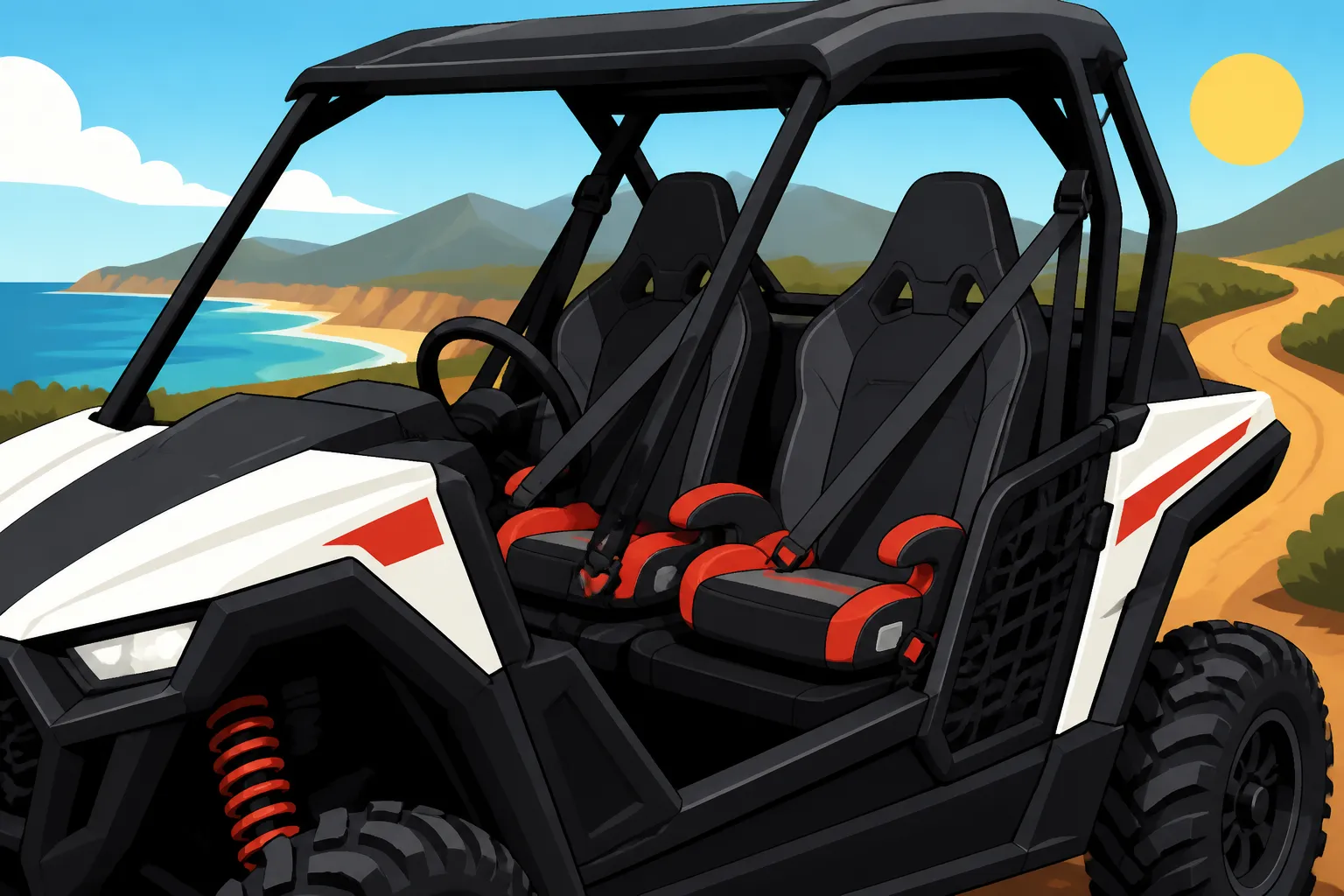
Proper installation is perhaps the most critical step to making a booster seat effective. It's not enough to simply place it on the seat; it must be secured correctly. Start by positioning the booster seat firmly on the UTV's seat. For backless boosters, ensure it's centered and stable. For high-back boosters, make sure its back is flush against the UTV's seat back. Many booster seats are designed to be secured by the vehicle's own seatbelt, which then also secures the child. However, some newer UTV-specific solutions might offer additional anchor points.
The most vital part is ensuring the UTV's seatbelt is correctly routed through the booster seat. The lap belt should go under the armrests and across the child’s upper thighs, not their stomach. The shoulder belt must pass through the shoulder belt guide on the booster (if it has one) and lie flat across the child’s collarbone and chest – never on their neck or face. After buckling the child in, give the seatbelt a good tug at the shoulder to check for snugness. There should be no slack in the belt; it should be taut against the child's body and the booster seat. If you can pinch more than an inch of webbing at the child's collarbone, it's too loose.
Always read both the booster seat manual and your UTV's owner's manual regarding child restraints. These manuals provide specific instructions and warnings that are tailored to the design of the equipment. Overlooking these details can compromise the safety that the booster seat is designed to provide. Remember, the goal is to make the adult seatbelt work for the child, and that relies entirely on correct positioning and a secure fit. Never assume; always double-check every buckle and strap before you head out.
Routine Safety Checks and Maintenance
Just like you check your tire pressure and fluid levels before every ride, a booster seat also requires routine attention to ensure it remains safe and effective. Regularly check for wear and tear on the booster seat itself and the UTV's seatbelts. Look for frayed straps, cracks in the plastic, or any signs of damage that could compromise its integrity. Off-road environments are harsh, and sun exposure, dust, and vibrations can take their toll over time. If you notice any significant damage, it's time to replace the booster seat.
As your child grows, their fit in the booster seat will change. Ensure proper fit as the child grows by re-evaluating the seatbelt positioning regularly. Does the shoulder belt still cross the collarbone correctly? Is the lap belt still low on the hips? Children grow quickly, and a booster that fit perfectly six months ago might not be providing optimal safety today. Adjustments may be needed, or it might be time for a different type of booster, or even for them to transition out of a booster entirely if they meet the height and weight requirements for the UTV's adult seatbelts.
Finally, don't forget cleaning and general maintenance. Off-road adventures mean dirt, dust, and sometimes mud. Regularly clean the booster seat according to the manufacturer's instructions. This not only keeps it hygienic but also allows you to inspect it thoroughly for any hidden damage. A clean seat is often a well-inspected seat. By incorporating these routine checks into your pre-ride ritual, you're not just maintaining equipment; you're maintaining peace of mind, knowing your child is as safe as possible for every adventure.
Best Practices for Riding with Children in a Side-by-Side
Having a properly installed booster seat is a huge step, but it's just one piece of the puzzle when it comes to riding safely with children in your side-by-side. Responsible off-roading with young passengers involves a holistic approach, from ensuring they're geared up correctly to instilling good riding habits in both the driver and the children themselves.
Beyond the Booster Seat: Full Safety Gear
While the booster seat handles proper seatbelt fit, it's crucial to remember that a side-by-side ride is an active, dynamic experience. Therefore, full safety gear for children is non-negotiable. This starts, as mandated by California law, with a DOT-compliant helmet that fits snugly and securely. Just like adults, children need protection against head injuries, which can occur from rollovers, impacts, or even striking interior surfaces during aggressive maneuvers. You can find more information about helmet requirements in [California Helmet Law for UTV Passengers].
Beyond the helmet, eye protection (goggles or shatter-resistant glasses) is essential to shield against dust, debris, and low-hanging branches. Gloves can protect small hands from scrapes and provide a better grip. Appropriate clothing means long sleeves and pants, even on hot days, to guard against sun exposure, abrasions, and minor impacts. Sturdy closed-toe shoes are also a must; no flip-flops or open-toed sandals. Think layers that can be adjusted for temperature changes, especially when heading to areas like the high desert in winter or the mountains in summer.
Remember, a booster seat is designed to keep them secured within the vehicle, but the external environment still poses risks. The combination of proper restraint and protective gear creates a comprehensive safety envelope for your young rider. It's about minimizing every potential risk, so you can focus on enjoying the shared experience, rather than worrying about unforeseen dangers.
Responsible Driving Habits
When you have children on board, your driving habits need to shift gears—literally and figuratively. The "send it" mentality has to be replaced with a focus on smooth, controlled, and cautious operation. Emphasize smooth driving, avoiding aggressive maneuvers, such as high-speed cornering, sudden braking, or rapidly accelerating over rough terrain. Children have less developed neck and core muscles, making them more susceptible to whiplash or being jostled uncomfortably even at speeds that an adult might easily tolerate.
Staying on designated trails and knowing your limits is more important than ever. Resist the urge to explore unmarked paths or tackle obstacles that might push the limits of your UTV or your driving skills. Stick to trails that are appropriate for your vehicle's capabilities and, more importantly, for the comfort and safety of your young passengers. Always scout ahead if you're unsure, or better yet, stick to routes you know are family-friendly. Remember, some areas have specific rules about minimum age for operators, and these often imply the level of challenge expected on those trails. You can learn more about these guidelines in [California Minimum Age to Ride on Public Land].
Furthermore, never exceed the vehicle's passenger capacity. Your side-by-side is rated for a specific number of occupants, and exceeding that compromises safety, stability, and legal compliance. Overloading can make the vehicle harder to control and less stable, increasing the risk of a rollover. Driving responsibly is the biggest safety feature you can provide for your child. It sets an example, and it directly controls the environment they are experiencing.
Educating Young Passengers
Safety isn't just about what you do; it's about what your children understand and how they participate. From an early age, it's vital to talk to children about safety rules before and during every ride. Explain why they need to wear their helmet, why the seatbelt (with the booster) is important, and why they need to keep their hands and feet inside the vehicle at all times. Use simple, direct language that they can understand. You can check out [California Rules for Riding With Kids on Board] for more details on general guidelines.
Teach them what to do in case of an emergency. While you hope it never happens, knowing to stay calm, keep hands inside, and listen to adult instructions can be crucial. Practice safe entry and exit from the side-by-side. Instill in them the understanding that the UTV is not a toy, and riding in it is a serious activity that requires their cooperation with safety rules. By involving them in the safety process, you empower them to be responsible riders and develop a lifelong respect for off-road safety.
Make them part of the pre-ride checks, perhaps by letting them "inspect" their helmet or help you ensure their seatbelt is snug. This engagement can turn what might feel like restrictive rules into a collaborative effort for fun and safety. Teaching them the ropes early on cultivates a safety-conscious mindset that will serve them well as they grow and potentially become operators themselves.
| Booster Seat Type | Best For | Key Features | Off-Road Considerations |
|---|---|---|---|
| High-Back Booster | Younger children, those needing head/torso support | Head support, side impact protection, shoulder belt guide | Robust construction, deep bolstering compatible, washable |
| Backless Booster | Older, taller children who fit vehicle headrests | Elevates child for lap/shoulder belt positioning | Sturdy, non-slip base, vehicle headrest must support child's head |
Disclaimer
This article is for general informational purposes only and does not constitute professional advice. Laws, prices and regulations vary by location and change over time. Consult a qualified professional for guidance on your specific situation.