Flag Rules for California Dune Riding
Heading out to the dunes in California with your ATV or UTV is an exhilarating experience, but nothing can throw a wrench in your day faster than realizing you're not compliant with the very specific flag rules. It's not just about avoiding a ticket; it's about staying safe in a dynamic environment where visibility is absolutely crucial. This guide will walk you through exactly what you need to know about California's dune flag requirements, helping you prepare for a smooth and legal ride.
Why Dune Flags Are More Than Just Decorations
You might see dune flags and think they're just part of the desert aesthetic, but in California's popular riding areas like the Imperial Sand Dunes Recreation Area (ISDRA), they are a non-negotiable safety feature. The terrain in these areas is constantly shifting, with towering dunes and deep bowls that can obscure riders from view in an instant. Picture yourself cresting a dune, only to find another machine hurtling towards you from the other side – it's a terrifying thought, and that's precisely what flags are designed to prevent.
The Critical Role of Visibility
In a sea of sand, where every turn can bring a new surprise, being seen is paramount. The primary purpose of a dune flag is to provide early warning of an approaching vehicle, even when the vehicle itself is hidden by a dune. Imagine a rider on a fast dirt bike approaching a blind crest. Without a flag extending high above the bike, they might not be visible until they are right on top of another vehicle, leaving little to no time for either rider to react. The flag acts like a periscope, poking above the sand to signal your presence long before your machine is in view. This is especially vital when the dunes are packed, such as during holiday weekends at Glamis.
This concept extends beyond just head-on collisions. Flags also help other riders gauge your trajectory and speed, allowing them to anticipate your movements and maintain a safe distance. In areas with high traffic, like the major corridors or popular hills, the sheer number of flags waving on the horizon paints a clearer picture of activity than just waiting to see actual vehicles. It helps manage the flow and reduces the chaos, making the experience safer for everyone, whether you're a seasoned duner or it's your [First Glamis Trip].
Preventing Collisions and Enhancing Safety
The California OHV program is very clear: these rules are about preventing injuries and fatalities. The open desert might seem like a free-for-all, but the designated riding areas, particularly those with dunes, have specific regulations tailored to their unique challenges. Without a flag, you significantly increase your risk of being involved in a collision. These aren't minor fender-benders; given the speeds and types of vehicles involved, dune collisions can be catastrophic.
Consider a busy day at [Ocotillo Wells: California's Free SVRA] or the ISDRA. With dozens, if not hundreds, of vehicles moving in all directions, the flags serve as constant beacons. They allow you to spot potential conflicts from a distance, giving you precious seconds to adjust your speed, change your line, or prepare for an encounter. This is particularly important for newer riders who might not have developed the instinct for reading the dunes or anticipating other riders' movements. The flag is a universal signal: "I am here, be aware." It's a simple, yet incredibly effective, piece of safety equipment that quite literally saves lives.
California's Specific Dune Flag Requirements
California's flag rules are quite precise, and ignoring the details can lead to a roadside chat with a ranger, or worse, a citation. These aren't suggestions; they're codified rules designed to ensure uniformity and maximum visibility across all dune riding areas. It’s important to understand not just that you need a flag, but exactly what kind of flag and how it needs to be displayed.
Whip Height and Flag Dimensions
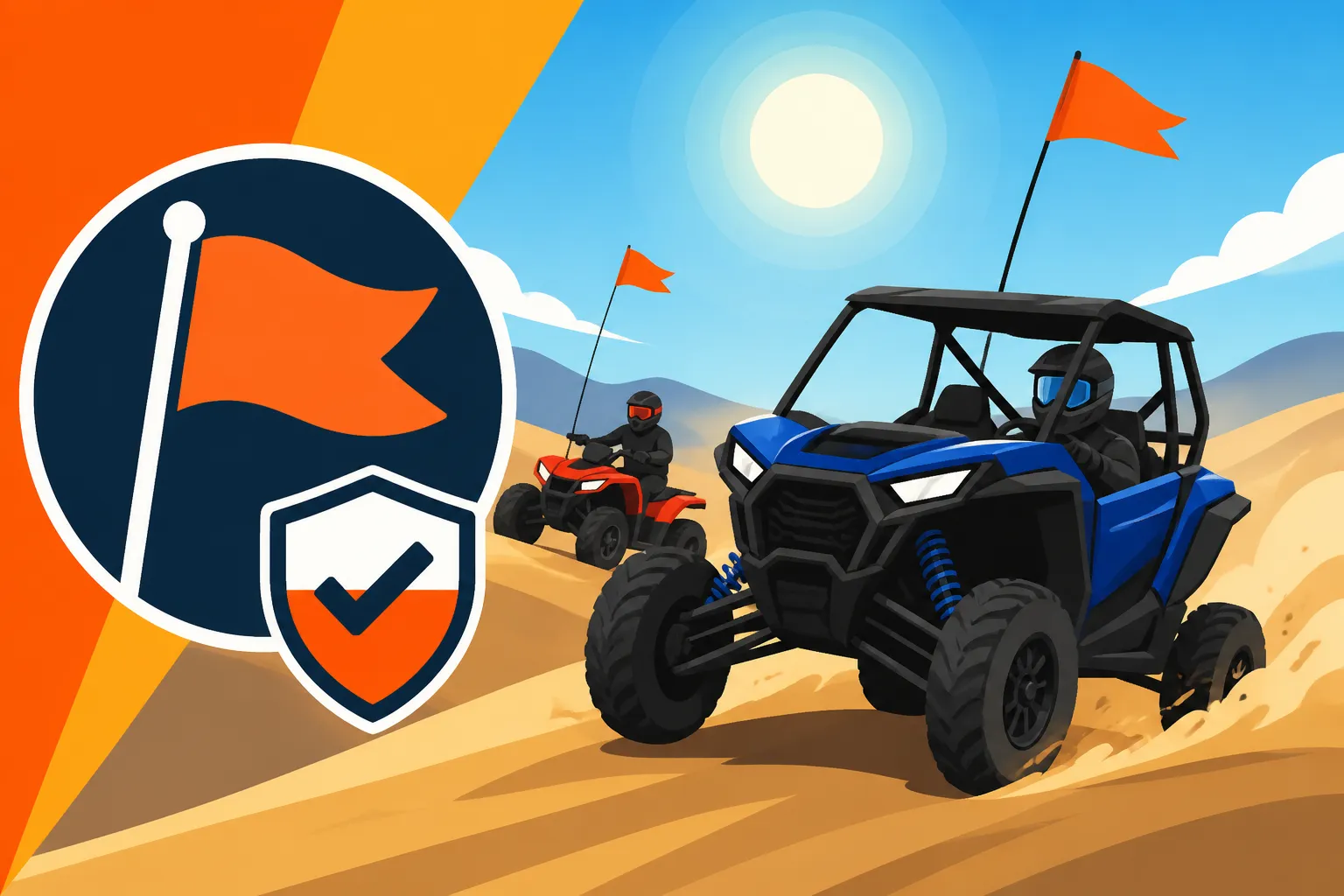
The most crucial requirement for a dune flag in California is its height. For a whip flag to be compliant, the tip of the flag (not the top of the pole) must extend at least eight feet from the ground when your OHV is resting on level ground. This ensures that the flag waves high enough to be seen over most dune crests and other visual obstructions. This rule applies whether you're in a massive side-by-side, a quad, or even a dirt bike. The goal is a consistent high-visibility marker for every machine.
The flag itself also has specific dimensions. It must be a minimum of six inches by twelve inches. This isn't a massive flag, but it's large enough to be easily seen from a distance and to catch the wind effectively. The flag must also be solid in color; highly contrasting colors like orange or red are common choices, as they stand out against the blue sky and tan sand. You might see all sorts of fancy flags out there, but make sure yours meets these basic size and color requirements. Anything too small, too low, or with a pattern that diminishes visibility might not pass muster with a ranger [At a Glamis Checkpoint].
Mounting Location and Display
Where you mount your flag is just as important as the flag itself. The rule dictates that the flag must be securely attached to your vehicle so that it remains visible and upright during operation. While there isn't one single "correct" spot, the rear of the vehicle is the most common and often the most practical. Many ATVs and UTVs have designated mounting points or roll cages that make attachment straightforward.
Crucially, the flag must be displayed in a manner that the flag, not just the whip, is within ten inches of the whip's top. This prevents situations where riders have a tall whip but a flag that's halfway down the pole, significantly reducing its effectiveness. It's all about ensuring that the brightest, most visible part of your marker is at the very highest point. [Displaying a Permit on the Left Side] is a separate requirement for event permits, but for your safety flag, the height and top placement are key.
It's also important that the flag is not obstructed by other gear, like coolers, spare tires, or camping equipment. If your flag is flapping against your roof rack or getting tangled in a gear bag, it's not fulfilling its purpose. Take the time to ensure a clear, unobstructed path for your flag to wave freely. Many riders use quick-release mounts for convenience, allowing them to easily remove the whip for trailering or storage, but ensuring it's rigid and high when installed for riding is key. Brands like SuperATV offer a range of mounting solutions designed to securely hold your whip at the required height, even when tackling challenging terrain.
Choosing and Installing Your Dune Flag System
Navigating the world of dune flags can feel a bit overwhelming with all the options out there. Beyond just meeting the legal requirements, you want a system that's durable, reliable, and easy to use. Making the right choice and installing it properly will save you headaches down the road and ensure your safety on the sand.
Types of Whips and Flags
When you start looking, you'll find a variety of whip materials and flag styles. Most whips are made from fiberglass or a flexible composite, designed to withstand the desert wind and occasional contact with branches (though less of an issue in open dunes). Some higher-end whips incorporate LED lights, which look fantastic for [Night Riding on California Public Land] and significantly boost your visibility after dark, though they are not a substitute for the reflective flag during the day.
For the flag itself, you'll typically find nylon or polyester materials. Durability is key here; a flimsy flag will quickly fray and tear in the harsh desert environment. Look for double-stitched edges and robust grommets where it attaches to the whip. As mentioned, the flag must be at least six by twelve inches and a solid, bright color. Many riders opt for fluorescent orange or red for maximum contrast against the sky and sand. You'll also encounter flags with various designs or club logos, but always ensure the base color and size meet the legal minimums. Remember, the core purpose is safety, not just style.
Secure Mounting Solutions
A flimsy mount can turn a compliant flag into a hazard or a lost item very quickly. You need a mounting solution that can withstand vibrations, bumps, and strong winds. Common mounting options include:
- Bolt-on mounts: These are typically attached directly to your vehicle's frame, bumper, or roll cage. They offer the most secure connection but may require drilling.
- Clamp-on mounts: Ideal for UTVs with roll cages, these clamps allow you to attach a whip mount without drilling. They come in various sizes to fit different cage diameters.
- Quick-release mounts: Many riders prefer these for convenience. They allow you to detach the whip easily when not in use or for transport. Ensure the quick-release mechanism is sturdy and doesn't allow for excessive wobble when the whip is installed.
- Spring bases: Some whips come with a spring at the base, which allows the whip to flex and absorb impacts, reducing the chance of snapping. This can be particularly useful if you frequently ride through areas with low-hanging branches or have a habit of nudging your whip into things.
When installing, always use appropriate hardware and ensure all bolts are tightened securely. Check your mount periodically for signs of wear or loosening, especially after a rough ride. A loose mount can cause the flag to sag below the eight-foot minimum, making you non-compliant and less visible. Taking the time to properly install your flag system is an investment in your safety and enjoyment on the dunes. Look for robust options from accessory providers like SuperATV, who understand the demands of off-road riding.
Common Mistakes and How to Avoid Them
Even with the best intentions, it's easy to make mistakes when it comes to dune flags. Understanding these common pitfalls can help you avoid fines, reduce risks, and ensure your day on the dunes isn't cut short by a ranger.
The Consequences of Non-Compliance
Let's be real: no one wants a ticket when they're trying to have fun. Rangers [At a Dune Checkpoint] in areas like Glamis, Oceano Dunes, or Ocotillo Wells are specifically looking for flag compliance, among other things like [California Spark Arrester Rules] and proper registration. If your flag is too short, too small, or incorrectly mounted, you could face a citation. These fines might not break the bank, but they certainly dampen the spirit of the day, and repeated offenses can lead to more serious consequences.
Beyond the fines, the real consequence is the increased risk to yourself and others. Riding without a proper flag is inherently dangerous in dune environments. It puts you at a higher risk of collision, which can result in serious injury or even worse. It's not just about what the law says; it's about common sense and responsible riding. Think of it as a small price to pay for a big safety boost.
Pre-Ride Checklist and Maintenance
Before every dune ride, make it a habit to perform a quick flag check. This simple routine can prevent a lot of headaches.
| Checklist Item | Detail |
|---|---|
| Whip Height | Is the top of the flag at least 8 feet from the ground? |
| Flag Dimensions | Is the flag at least 6×12 inches? Is it a solid, bright color? |
| Flag Placement | Is the flag within 10 inches of the whip's tip? |
| Mounting Security | Is the whip securely mounted? No wobble? All bolts tight? |
| Flag Condition | Is the flag frayed or torn? Is it clean and visible? |
| Obstructions | Is anything blocking the flag's visibility or freedom of movement? |
Checking the whip itself for cracks or stress points is also a good idea. Fiberglass whips can sometimes splinter over time, especially if they've taken a few knocks. Replace your flag if it's faded, torn, or otherwise compromised, as a tattered flag won't be as visible. Similarly, ensure your mounting bracket isn't loose or rusted. The desert environment can be tough on equipment, so regular maintenance is key to keeping your flag system in top working order. Remember, this small effort ensures a safer and more enjoyable ride for everyone out there.
Disclaimer
This article is for general informational purposes only and does not constitute professional advice. Laws, prices and regulations vary by location and change over time. Consult a qualified professional for guidance on your specific situation.