Driving a Golf Cart in a Palm Desert Lane
Ah, Palm Desert! The sunshine, the stunning mountain views, the golf courses… it's truly a slice of paradise. And for so many residents and visitors, the golf cart isn't just a way to get around the greens; it's a genuine part of the lifestyle. But let's be real, mixing these fun, open-air vehicles with regular traffic can get confusing, and nobody wants to unknowingly break the rules or, worse, compromise their safety. This guide is all about clearing up that confusion, helping you understand exactly how to navigate Palm Desert's unique golf cart lanes safely and legally, so you can enjoy every sunny ride without a worry.
The Allure of Golf Cart Living in Palm Desert
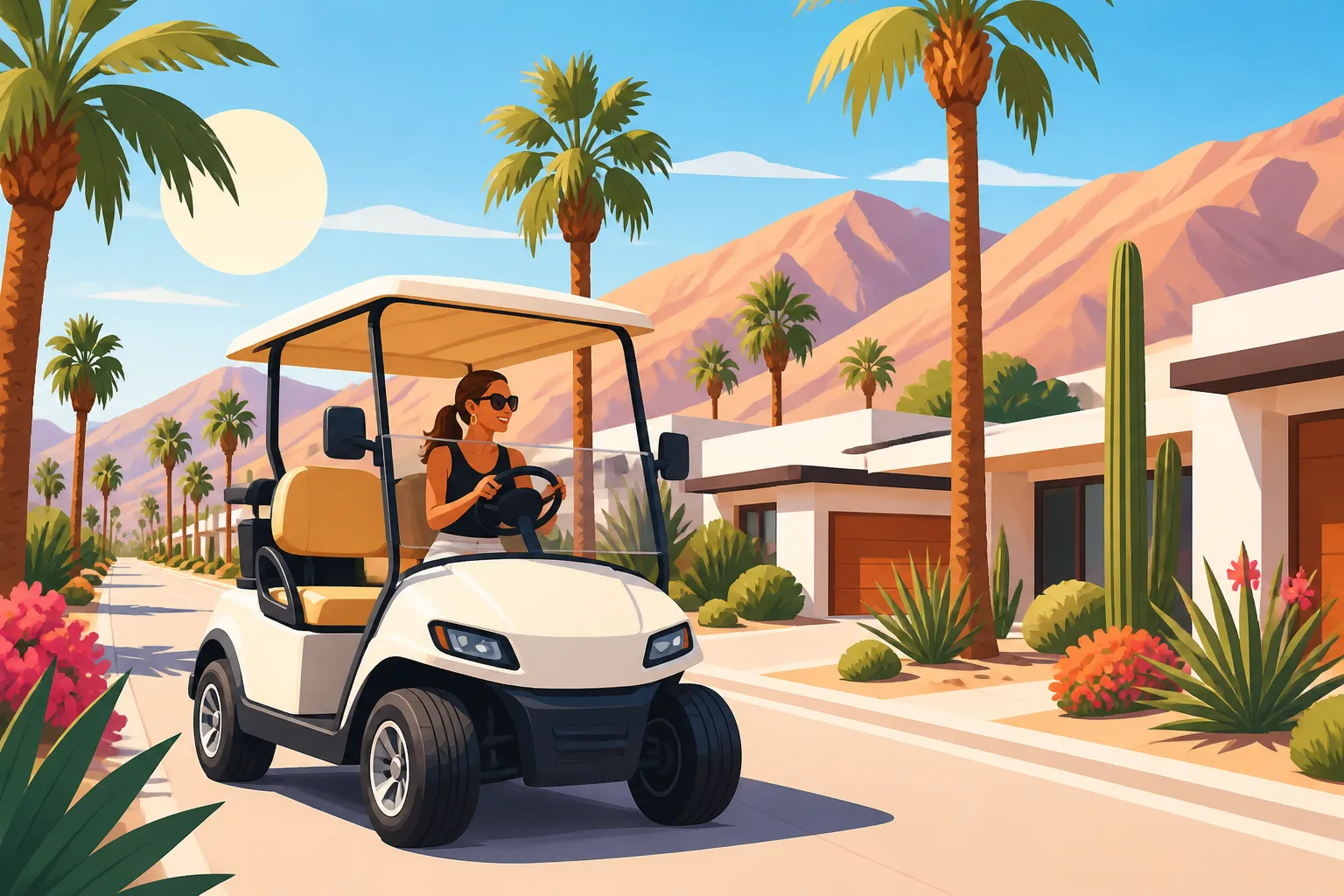
There's something undeniably appealing about zipping around in a golf cart in a place like Palm Desert. It embodies a certain casual elegance, a relaxed pace that perfectly complements the desert lifestyle. Imagine leaving your car in the garage and instead taking your golf cart for a quick trip to the store, a friend's house, or a favorite local eatery. It's not just about convenience; it's about embracing the open air, feeling the warm breeze, and connecting with your community in a unique way. Many folks move to areas like Palm Desert precisely for this kind of easy, accessible living, where a golf cart isn't just a toy but a legitimate mode of transport.
However, this wonderful convenience also comes with a bit of a learning curve. Many people assume that if a golf cart is allowed in a certain area, it must be treated exactly like a regular car, or conversely, that it's completely exempt from all road rules. Neither is truly the case, and this is where the frustration can set in. You want to enjoy your ride, but you also want to be sure you're doing it right, avoiding any unnecessary run-ins with local law enforcement or, more importantly, keeping yourself and others safe. Palm Desert has a specific, thoughtful approach to integrating golf carts into its urban fabric, and understanding this framework is key to stress-free enjoyment.
More Than Just the Course
The days when golf carts were solely relegated to the golf course are long gone, especially in communities like Palm Desert. Here, these nimble machines have truly evolved into a practical and beloved form of local transportation. They’re used for quick grocery runs, picking up mail, heading to fitness classes, or simply visiting neighbors down the street. It's not uncommon to see a line of golf carts parked outside a popular cafe or boutique, serving as a testament to their integration into daily life. This shift from purely recreational equipment to a staple of practical transport highlights the unique environment Palm Desert offers.
This evolution didn't happen by accident. It's a reflection of the community's desire for efficient, short-distance travel that bypasses the need for a full-sized vehicle, especially in a city renowned for its beautiful, sprawling neighborhoods and numerous golf courses. For many residents, the golf cart is the primary vehicle for any trip under a few miles, reducing traffic congestion and parking woes, while also providing a more environmentally friendly option for getting around. It’s about enhancing the quality of life, making errands feel less like chores and more like pleasant outings.
Why Palm Desert Embraced Golf Carts
Palm Desert stands out as a visionary community when it comes to golf cart integration, largely due to its master-planned design and a clear understanding of its residents' needs. From the outset, many of its neighborhoods and commercial centers were developed with golf courses at their heart, creating a natural demand for a convenient way to travel between homes, clubs, and local amenities. The city actively worked to formalize this mode of transport, recognizing the unique benefits it offered to the community's lifestyle. This proactive approach has made Palm Desert a leader in golf cart-friendly urban planning.
The integration of golf cart lanes contributes significantly to the unique ambiance of Palm Desert. It fosters a sense of community, allowing neighbors to easily connect and engage in outdoor activities. The presence of golf carts on designated routes creates a quieter, more relaxed atmosphere compared to areas solely dominated by cars. This thoughtful planning not only serves the immediate needs of its golf-loving population but also enhances the overall appeal of the city, making it a desirable place for those who appreciate both luxury and leisure. It's a symbiotic relationship where the city's design and the residents' preferred mode of transport enhance each other.
Navigating Palm Desert's Designated Golf Cart Network
One of the biggest questions people have when considering golf cart ownership in Palm Desert is, "Where can I actually drive this thing?" It's a completely valid concern, and honestly, it's where many people can run into trouble if they're not fully informed. Unlike simply driving on a private golf course, using a golf cart on public access routes requires a clear understanding of the rules. The idea of getting a ticket for not knowing you were in the wrong spot can quickly sour the joy of an otherwise perfect day. Palm Desert has a distinct network of designated golf cart lanes, and knowing how to interpret them is absolutely crucial for safe and legal travel.
The key word here is "designated." This isn't about general road use in the same way a car operates, nor is it about taking your golf cart onto any bike path you see. Palm Desert has specific areas that have been approved for golf cart traffic, and these are often marked with clear signage. The frustrations can be real when you're trying to figure out if that next turn is allowed, or if you can cross a particular intersection. But once you understand the system, it becomes second nature, unlocking a fantastic level of freedom and convenience. Let's dive into what these lanes are and the rules that govern them.
What Exactly is a Designated Golf Cart Lane?
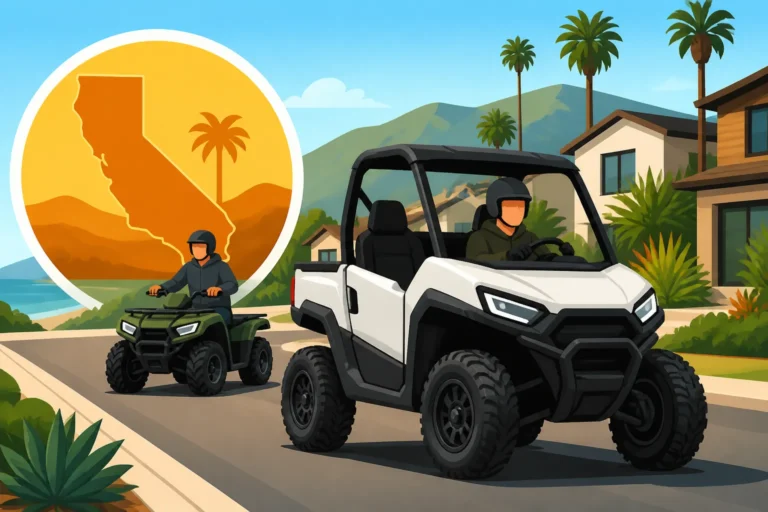
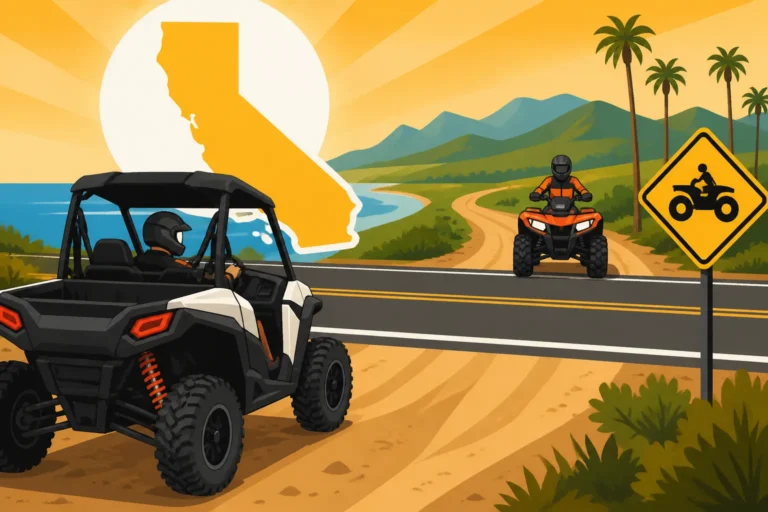
A designated golf cart lane in Palm Desert isn't simply another term for a bike path or a sidewalk; it's a specific portion of a street or a separate pathway explicitly identified and authorized for golf cart use. These lanes are thoughtfully integrated into the local infrastructure, often connecting residential areas to golf courses, shopping centers, parks, and other community hotspots. You'll typically find them clearly marked with signs indicating "Golf Cart Crossing" or "Golf Cart Lane," helping to delineate where these vehicles are permitted. They are designed to provide a safe and efficient route for golf carts, separating them from faster-moving traffic where necessary.
These lanes differ significantly from general public roads where, for instance, [California's Combined-Use Highways] might allow certain OHVs to operate for short distances. Golf cart lanes are generally found on streets with lower speed limits, or they exist as completely separate pathways. The city has made a conscious effort to ensure these lanes are safe for golf carts, often designing them to minimize interactions with high-speed vehicle traffic. This careful planning allows golf cart operators to enjoy their ride without constantly worrying about being in the path of a car or truck, providing a dedicated space for this unique form of transport.
Rules of the Road for Golf Carts in Palm Desert
Even within designated golf cart lanes, there are specific rules that operators must adhere to, ensuring safety for everyone. First and foremost, you must possess a valid driver's license to operate a golf cart on any public street or designated lane in California, including Palm Desert. This isn't just a suggestion; it's a legal requirement. Secondly, while golf carts typically have a maximum speed of 20-25 mph by design, it's crucial to always drive at a speed that is safe for the conditions and never to exceed any posted speed limits on the specific lane or road segment you are on. Respecting these limits is vital for preventing accidents.
Beyond licensing and speed, golf carts operating on public access lanes in Palm Desert must be equipped with certain safety features. This often includes functioning headlights, taillights, brake lights, turn signals, a horn, and at least one rearview mirror. While some golf carts come standard with these features, many older models or basic course-only carts might not. This is where aftermarket kits, often available from suppliers like SuperATV, can be incredibly helpful for upgrading your machine to meet these requirements. Ensuring your cart is properly equipped isn't just about avoiding a citation; it's fundamental to your safety and the safety of others, especially when driving at dawn, dusk, or in low-visibility conditions.
Mapping Your Route: Where You Can Ride
Palm Desert has established a comprehensive network of [Palm Desert's Golf Cart Lanes] that residents and visitors can utilize. These lanes are strategically placed to connect residential neighborhoods with key destinations such as golf courses, shopping centers like El Paseo, community parks, and local dining spots. The city's official maps and resources are the best place to find the most current and accurate routes. Generally, you'll find these routes winding through quieter streets, often skirting around major thoroughfares or providing safe crossing points at busier intersections. The goal is to create a seamless, golf cart-friendly environment that encourages local travel.
It's important to remember the limitations of this network. While extensive, it's not all-encompassing. You typically won't find golf cart lanes on high-speed arterial roads, and crossing very busy intersections might require specific designated crossings or even temporary disembarking and walking your cart if no safe designated path is available. Always pay close attention to signage; if a route isn't marked as a golf cart lane, it's likely not permitted for golf cart use. Familiarizing yourself with these routes beforehand, perhaps by checking a city map or even taking a slow drive in your car to scout them out, can save you a lot of guesswork and ensure your golf cart adventures are always legal and enjoyable.
Legalities, Safety, and Equipment Essentials
When you transition your golf cart from purely private property use to navigating public lanes in Palm Desert, you're stepping into a different legal landscape. It's a common mistake to assume that because it's a "golf cart," it's exempt from all vehicle laws. This simply isn't the case. While golf carts aren't typically subjected to the same rigorous standards as full-sized automobiles, they are still considered vehicles when on public access ways, and there are specific requirements you must meet. Failing to do so can lead to citations, fines, or even more serious consequences if an accident occurs. Understanding these nuances is key to responsible golf cart operation in this beautiful desert community.
This section is all about demystifying those requirements, ensuring you have the right equipment, and understanding your responsibilities as a golf cart operator. From the necessary lights and mirrors to the importance of sober driving, these details are crucial for a safe and legal experience. It’s about being proactive rather than reactive, making sure your cart is ready for the road before you even turn the key. Let’s make sure you’re fully prepared to enjoy the freedom that Palm Desert's golf cart lanes offer, without any preventable headaches.
Equipment for Safe and Legal Operation
For a golf cart to be legally operated on Palm Desert's designated lanes, it must be outfitted with specific safety equipment. Think of it like a mini-car: you need to be seen, and you need to be able to signal your intentions. Essential equipment includes fully functional headlights, taillights, and brake lights, ensuring visibility, especially during dawn, dusk, or adverse weather conditions. Turn signals (front and rear) are also mandatory, allowing you to clearly communicate your directional changes to other drivers and pedestrians. A working horn is crucial for alerting others to your presence, and at least one rearview mirror is necessary for maintaining awareness of what's behind you.
Furthermore, many golf cart owners choose to enhance their vehicles beyond the minimum requirements, adding features like seat belts for all occupants, a windshield, and even specific tires designed for street use rather than just turf. While not all of these are strictly mandated for every golf cart on designated lanes, they significantly contribute to safety and comfort. Companies like SuperATV offer a wide range of golf cart accessories, from lift kits and custom wheels to full enclosures and advanced lighting systems, allowing owners to customize their carts while ensuring they meet or exceed safety standards. It's worth noting that a golf cart, even with all these upgrades, is generally distinct from a Low-Speed Vehicle (LSV), which typically undergoes [California Low-Speed Vehicle Registration] and adheres to more stringent federal motor vehicle safety standards for broader street use.
Driver Responsibilities and Safety Tips
Operating a golf cart on public lanes in Palm Desert comes with significant responsibilities, much like driving any other vehicle. The most fundamental rule is to drive sober. Just like with a car, operating a golf cart under the influence of alcohol or drugs is illegal and extremely dangerous, carrying serious penalties. [California DUI Rules for OHV Riders] apply broadly to vehicle operation on public lands and ways, and golf carts are no exception. Beyond sobriety, distracted driving, whether by cell phone or other means, is a hazard regardless of the vehicle type. Your full attention needs to be on the road, your surroundings, and other users of the lanes.
Safety also extends to how you load and operate your cart. Ensure all passengers are seated safely, and never overload the vehicle beyond its manufacturer's recommended capacity. Secure any cargo so it doesn't shift or fall out during transit. Maintain appropriate speeds, especially when navigating turns, intersections, or areas with high pedestrian traffic. Always yield to pedestrians and cyclists, and be particularly cautious when making turns or crossing intersections where your smaller size might make you less visible to larger vehicles. While there's no [California Helmet Law for ATV Riders] applicable to golf carts, exercising caution and defensive driving techniques are paramount for preventing accidents and ensuring everyone has a safe and enjoyable experience in Palm Desert.
The Future of Golf Cart Mobility in Palm Desert
Palm Desert has long embraced the golf cart as an integral part of its community fabric, and this trend shows no signs of slowing down. As the city continues to grow and evolve, so too does its commitment to sustainable, convenient, and enjoyable local transportation options. The future of golf cart mobility in Palm Desert is likely to see further innovation, expansion, and an even deeper integration into the daily lives of its residents. It's an exciting prospect that promises to enhance the quality of life and maintain the unique character of this desert oasis.
The challenges will naturally accompany this growth, primarily in ensuring that infrastructure keeps pace with demand and that safety remains the top priority. However, the collaborative spirit between the city, residents, and local businesses suggests a positive trajectory. Palm Desert is poised to continue leading the way in creating an environment where golf carts are not just a luxury, but a seamless and cherished part of community living.
Expanding the Network and Connectivity
One of the most anticipated aspects of golf cart mobility in Palm Desert is the continued expansion of its designated lane network. As new developments emerge and existing areas are revitalized, there's a constant opportunity to extend these convenient pathways, creating even greater connectivity between homes, businesses, and recreational facilities. Imagine even more seamless routes to your favorite coffee shop, local market, or community event, all accessible by golf cart. This expansion benefits not only residents by offering more convenient travel options but also local businesses by encouraging foot (or rather, "wheel") traffic and fostering a vibrant local economy.
The city's ongoing evaluation of its transportation infrastructure means that there's a proactive approach to identifying new areas where golf cart lanes can be safely and effectively integrated. This might involve converting existing low-speed streets, creating new pathways, or improving safe crossing points at busier intersections. The aim is to create an even more interconnected community, reducing reliance on traditional vehicles for short trips and further cementing the golf cart's role as a primary mode of local transport. Such initiatives reflect a forward-thinking urban planning strategy that prioritizes quality of life and environmental sustainability.
Maintaining the Lifestyle and Addressing Challenges
While the expansion of golf cart networks is exciting, it's also crucial to maintain the safe and enjoyable lifestyle that Palm Desert is known for. This requires ongoing commitment from both the city and its residents. Education about golf cart rules and safety practices will remain paramount, ensuring that new residents and visitors are as informed as long-time locals. The city will likely continue to invest in clear signage, updated maps, and community outreach programs to keep everyone up-to-date on regulations and best practices.
Challenges may arise, such as balancing the needs of golf cart users with those of pedestrians and cyclists, or addressing potential increases in traffic on designated routes. However, Palm Desert's history of thoughtful planning suggests these challenges will be met with innovative solutions. Perhaps future regulations will further refine equipment standards, or technology will emerge to enhance golf cart safety and navigation. Ultimately, the goal is to preserve the unique charm and convenience that golf cart mobility brings to Palm Desert, ensuring it remains a cherished aspect of this desert community for generations to come.
| Feature | Golf Cart (Designated Lane Use) | Low-Speed Vehicle (LSV) (General Street Use) |
|---|---|---|
| Purpose | Primarily recreational, local transport in specific areas | Street-legal on certain public roads (under 35 mph speed limit) |
| Speed Limit | Typically up to 20-25 mph by design | Max 25 mph on roads with posted limits up to 35 mph |
| Registration | Not always state-registered as a motor vehicle; may require local permit | State-registered and titled as a motor vehicle |
| Driver's License | Required (standard Class C) | Required (standard Class C) |
| Required Equipment | Headlights, tail lights, brake lights, turn signals, horn, mirrors, seat belts (often aftermarket for designated lane use) | Headlights, tail lights, brake lights, turn signals, horn, mirrors, windshield, seat belts, VIN, DOT-approved tires |
| Insurance | Recommended, often covered by homeowner's policy | Mandatory liability insurance |
| Operating Areas | Designated golf cart lanes, private property | Public roads with speed limits 35 mph or less; designated lanes |
| Modifications | Common for safety/comfort (e.g., SuperATV accessories) | Must meet federal motor vehicle safety standards (FMVSS) |
Disclaimer
This article is for general informational purposes only and does not constitute professional advice. Laws, prices and regulations vary by location and change over time. Consult a qualified professional for guidance on your specific situation.