California Vehicle Verification on Form REG 31
Trying to get your off-highway vehicle (OHV) registered in California can sometimes feel like navigating a maze blindfolded, especially when you hit a roadblock like needing vehicle verification. It’s a requirement that often causes a lot of head-scratching and can delay your fun on the trails. This comprehensive guide will help demystify California's Form REG 31, detailing exactly what it is, why it's crucial for your OHV, who can complete it, and what you need to know to get through the process smoothly.
What is Form REG 31 and Why Do You Need It?
When you’re bringing a new-to-you OHV into California, or even registering one that's been off the books for a while, the California Department of Motor Vehicles (DMV) needs to be sure that the machine you’re presenting is legitimate and matches its paperwork. That's where the Vehicle Verification Form, REG 31, comes into play. It’s essentially a physical inspection of your vehicle by an authorized party to confirm its identity.
Understanding the Purpose of Vehicle Verification
At its core, vehicle verification serves several critical purposes for the state of California and for you, the owner. First and foremost, it’s a crucial step in combating fraud and theft. By having an authorized individual physically inspect your OHV, the DMV can confirm that the Vehicle Identification Number (VIN) or engine number on the machine matches the documentation you're providing, such as your title or bill of sale. This helps ensure that stolen vehicles aren't being registered under false pretenses. Think of it as the state's way of saying, "Let's double-check this before we put a sticker on it."
Beyond fraud prevention, verification also helps ensure that your OHV meets specific California requirements. This can include checking for a valid emissions label for certain model years or confirming that the vehicle's features align with its stated type (e.g., an ATV versus a dirt bike). This meticulous process contributes to the overall safety and compliance standards that California maintains for all vehicles operating within its borders, whether on public roads or designated off-highway areas. It’s a foundational piece of the entire registration puzzle.
When Form REG 31 Becomes Essential for Your OHV
You'll typically find yourself needing a completed REG 31 in several common scenarios. The most frequent is when you're registering an OHV that was originally registered out-of-state and you've recently moved to California or purchased it from an out-of-state seller. The DMV wants to verify that the vehicle crossing state lines is indeed what its paperwork claims. Another key situation is when an OHV has never been registered in California before, especially if it's an older machine that might not have a clear registration history, or even a home-built buggy where specific components need verification.
Sometimes, you might also need it if your original paperwork has serious discrepancies or if the VIN on your title doesn't match the one on the frame, leading to a flag in the system. Even if you're just transferring ownership of a machine that had a lost or missing title, the DMV might request a REG 31 to establish a clear chain of custody. It's often the answer to any lingering questions the DMV might have about your OHV's identity and history before they issue that coveted California sticker. For guidance on getting this done right, you might find valuable resources on [California OHV Registration Paperwork Checklist] to ensure all your ducks are in a row.
Key Information Captured on the Form
Form REG 31 is straightforward but comprehensive. It requires the verifier to physically inspect your OHV and record specific details directly from the vehicle itself. This includes the make, model, year, and most importantly, the VIN or engine number. The verifier will literally look at the stamped or affixed numbers on your frame or engine and transcribe them onto the form. They'll also note the license plate number if the vehicle has one, and verify the odometer reading, if applicable.
Additionally, the form asks for details about the vehicle's body type and fuel type. For OHVs, they will also be looking for any emissions labels or specific identifiers that confirm it meets California's standards for off-highway use. The verifier will then sign and date the form, certifying that they have personally inspected the vehicle and that the information recorded is accurate. This signature is what gives the form its official weight, making it a critical piece of your OHV registration application.
Who Can Complete Your California Vehicle Verification?
This is where many OHV owners can get tripped up. It’s not just anyone who can sign off on your REG 31. The California DMV has specific guidelines about who is authorized to conduct these verifications, ensuring a level of integrity and accuracy in the process. Knowing your options beforehand can save you a lot of time and frustration.
Authorized Verifiers: From DMV to Private Professionals
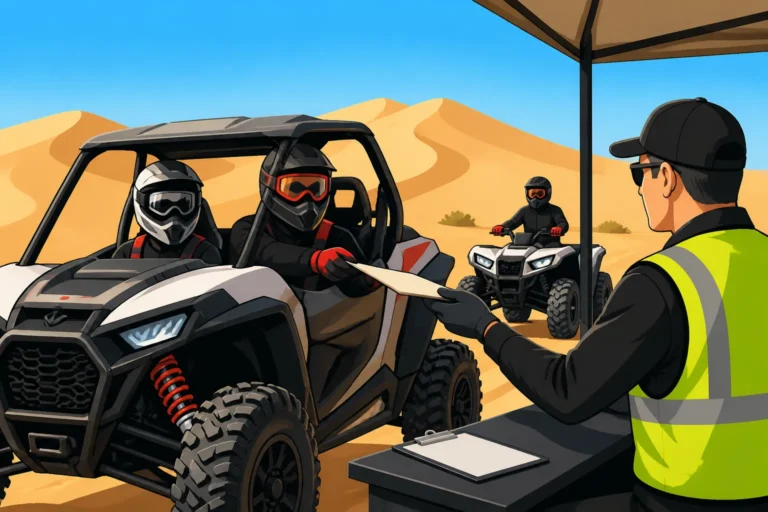
The most common and often easiest route for verification is taking your OHV to a California DMV field office. Many offices have staff members trained and authorized to perform vehicle verifications. However, scheduling an appointment is highly recommended, as walk-in verification services can be limited or involve long wait times. You can typically book an appointment online or by phone. Beyond the DMV, there are also various authorized private professionals who can perform verifications. These often include licensed vehicle verifiers, auto clubs, and sometimes even licensed dealers. These private services can sometimes offer more flexible scheduling or mobile verification options, where they come to your location.
It’s always a good idea to call ahead to any private verifier to confirm their authorization for OHVs and their fees. Some private verifiers specialize in specific types of vehicles, so make sure they can handle an ATV, UTV, or dirt bike. No matter who you choose, they will physically inspect your machine, confirm the VIN and other details, and then stamp or sign your REG 31 form, certifying that the verification has been completed according to California standards. This process is key to [California OHV Registration Paperwork Checklist] and ensures you have all necessary documentation.
The Role of Law Enforcement in Verification
Another trusted option for completing your REG 31 is law enforcement. Officers from the California Highway Patrol (CHP), local police departments, or county sheriff's departments are often authorized to conduct vehicle verifications. This can be particularly useful if you live in a rural area far from a DMV office or a private verifier, or if your vehicle has special circumstances that might benefit from a law enforcement inspection, such as a recovered stolen vehicle.
However, relying on law enforcement can have its own set of considerations. Their primary duties are often responding to emergencies, so scheduling a verification with them might depend on their availability and department policy. Some departments may have specific days or times for verifications, while others might ask you to come to the station during off-peak hours. It's crucial to call your local agency's non-emergency line first to inquire about their procedures, availability, and if they charge a fee for this service. Remember, they're not just signing a paper; they're performing a vital check for the state. You might also want to review [What the CHP Line on Your Bill Pays For] to understand associated fees.
Considerations for Out-of-State Machines
Bringing an OHV from out-of-state into California adds a few extra layers to the verification process. Not only does the vehicle need to be verified, but the verifier will also be checking for compliance with California's specific emissions standards. For many newer OHVs, this means ensuring there's a California Air Resources Board (CARB) compliance label visible on the machine. If your out-of-state OHV lacks this, it can lead to complications, potentially requiring additional steps or even restricting its use to certain areas or events, often designated by a [California Red Sticker Explained].
When you're dealing with an out-of-state machine, it's especially important to have all your existing documentation in order, including the out-of-state title and bill of sale. A verifier will cross-reference the VIN on your machine with these documents. If there are any discrepancies, or if the out-of-state paperwork is incomplete, it could delay your verification and subsequent registration. Ensuring you have a solid bill of sale, perhaps generated through a service like LawDepot, can smooth this process significantly by providing clear proof of ownership from the outset. This careful attention to detail is essential when trying to get [Registering an Out-of-State Machine in California].
The Verification Process: What to Expect
You've got your documents, you know who can verify, now what? The actual verification process for your California OHV doesn't have to be intimidating if you know what to expect and how to prepare. It's usually a quick visual inspection, but thorough preparation can make all the difference.
Preparing Your OHV and Documents for Verification
Before you head out for your verification appointment, whether it's at the DMV, with a private verifier, or at a CHP office, a little preparation goes a long way. First, make sure your OHV is accessible and reasonably clean. The verifier needs to easily locate and read the VIN (Vehicle Identification Number) on the frame and, if applicable, the engine number. These numbers can sometimes be in hard-to-reach spots or obscured by dirt and grime, especially if your machine has been enjoying the trails. Give those areas a good wipe down!
Next, gather all your supporting documents. This typically includes your original out-of-state title, a bill of sale (especially if you just bought the machine—a template from a service like LawDepot can be helpful here), and any previous registration cards. Having these readily available will allow the verifier to quickly cross-reference the numbers they see on your machine with your paperwork. If you're unsure about what documents you need, checking the DMV website or calling them directly can help. Being prepared means less time spent waiting and a smoother process overall.
What a Verifier Checks on REG 31
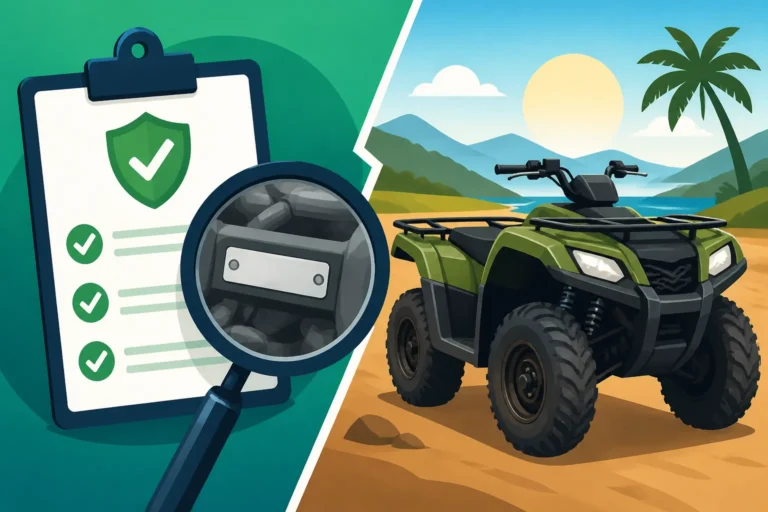
When the verifier gets to work, their primary focus is on confirming the identity of your OHV. They will meticulously check a few key areas. The most crucial is the VIN, which is usually stamped into the frame of ATVs, UTVs, and dirt bikes. They'll compare this physical VIN against what's on your title or bill of sale. For some machines, they might also check the engine number, especially if the VIN is difficult to locate or missing. They'll also look for an emissions label, often found on the frame or engine, which indicates whether the vehicle meets California's strict air quality standards. This is particularly important for machines that are not specifically designated for competition-only use.
Beyond these identifying numbers, they might also check the vehicle's make, model, and year to ensure consistency with your documents. They aren't conducting a mechanical inspection or checking for safety equipment like helmets or spark arresters (that comes with actual riding regulations). Their job is purely about identification and ensuring the vehicle's legal identity matches its physical reality, as outlined in the California Vehicle Verification on Form REG 31 procedures. This step is critical to prevent fraud and maintain proper records for all OHVs operating in the state.
Receiving Your Completed Verification
Once the verifier has completed their inspection and confirmed all the necessary details, they will sign and date the Form REG 31. This signature is the official stamp of approval, certifying that the vehicle's identity has been verified. Some verifiers, especially those at DMV field offices, may also stamp the form with an official seal. Make sure you get the original signed form back, as this is the document you'll need to submit to the DMV to complete your OHV registration.
It’s a good idea to review the completed form before you leave to ensure all information is legible and accurate. Double-check that the VIN and other details match your vehicle and other documents. If you spot any errors, it's best to address them immediately with the verifier. A correctly completed and signed REG 31 means you've successfully cleared a significant hurdle in the California OHV registration process, bringing you one step closer to getting your [California's Green Sticker Explained] or other appropriate identification.
Common Issues and Troubleshooting for REG 31
While the vehicle verification process for Form REG 31 is generally straightforward, sometimes things don’t go as planned. Encountering an issue can be frustrating, but many common problems have solutions. Being aware of potential pitfalls can help you navigate them more smoothly.
Discrepancies Between Documentation and Machine
One of the most common reasons for a verification delay or denial is a discrepancy between your OHV’s physical details and its accompanying paperwork. For instance, the VIN stamped on the frame might be different from the VIN listed on your title or bill of sale. This can happen for various reasons: a data entry error when the vehicle was first registered, an engine swap, or even a previous owner providing incorrect documentation. A verifier will immediately flag such a discrepancy.
If this happens, don't panic. You'll likely need to provide additional documentation to explain the difference. This might include an affidavit of facts, a letter from a previous owner, or proof of an engine replacement. Sometimes, the DMV might even initiate an investigation to resolve the discrepancy, which can take time. It’s a frustrating situation, but the goal is to ensure your vehicle has a clear and legal identity. If you purchased the machine from a private party, having a comprehensive bill of sale, perhaps drafted using a reliable service like LawDepot, can be crucial in proving your acquisition history, even if it doesn’t directly fix a VIN mismatch.
Missing or Illegible Identification Numbers
Another hurdle you might encounter is if the VIN or engine number on your OHV is missing, obscured, or illegible. This can be due to wear and tear, rust, damage from an accident, or even intentional tampering. If the verifier cannot clearly read the identification numbers directly from the vehicle, they cannot complete the REG 31 form. This is a non-negotiable requirement.
In such cases, you’ll need to figure out why the numbers are unreadable. If it's just dirt or rust, a thorough cleaning might solve it. If the numbers are truly obliterated or appear to have been tampered with, it becomes a more serious issue. The DMV might require a specialized inspection or even a law enforcement investigation to determine the vehicle’s true identity. In extreme cases, they might issue a new VIN, but this is rare and involves a lengthy process. It's why performing a [Checking a VIN Before Buying a Used Quad] is so vital, helping you spot these issues before they become your problem.
What to Do If Your Verification is Denied
A denied verification can feel like hitting a brick wall, but it's not necessarily the end of the road. If your REG 31 is denied, the verifier should provide you with a clear reason why. This might be due to any of the issues mentioned above—discrepancies, illegible VINs, or perhaps a lack of required emissions labels for certain machines. Your first step is to understand the exact reason for the denial.
Once you know the reason, you can work towards resolving it. This could involve gathering more documentation, getting repairs done to make the VIN visible, or even seeking specialized assistance from the DMV's investigations unit if tampering is suspected. It’s important to address the specific problem identified by the verifier. Don't be afraid to ask for clarification or guidance on the next steps. Sometimes, a different type of verification might be required, or you might need to prove the history of your machine in more detail. Persistence and thoroughness are key to eventually getting your OHV verified and registered, allowing you to ride legally in areas like the Imperial Sand Dunes after ensuring proper [California Rules for Riding Imperial Sand Dunes].
Beyond REG 31: Next Steps in California OHV Registration
Completing Form REG 31 is a significant achievement, but it's often just one piece of a larger puzzle. Once your vehicle is verified, you still need to pull together the remaining documentation and submit everything to the California DMV to finalize your OHV registration and get that coveted sticker or ID plate.
Submitting Your Completed REG 31 to the DMV
With your signed and dated Form REG 31 in hand, the next crucial step is to submit it to the California DMV. This is usually done in person at a DMV field office. While you might be able to mail some registration documents, for initial OHV registrations, especially those involving verification, an in-person visit is often the most reliable way to ensure all forms are reviewed correctly and to pay any associated fees. Make sure to bring all your other required documents along with the REG 31.
It's highly recommended to make an appointment before visiting the DMV. This can significantly reduce your wait time. When you meet with a DMV representative, they will review your REG 31 along with all your other paperwork. They'll confirm that the verification is complete and that all the details match your application. Once everything checks out, they will process your application, and you'll be one step closer to getting your OHV registered. For more on navigating the DMV, see [Taking an OHV to a California DMV Field Office].
Other Documents Needed for Full Registration
A completed REG 31 is essential, but it's rarely the only document you'll need for full OHV registration in California. You’ll typically need to submit several other forms to the DMV. The primary form is usually the Application for Title or Registration (Form REG 343). This is where you provide all your personal information as the owner and details about the OHV. You'll also need your original out-of-state title (if applicable), or a bill of sale, especially if you purchased the OHV from a private party. A well-prepared bill of sale, perhaps one created using a service like LawDepot, can be invaluable here.
Proof of insurance might be required for certain types of OHVs, especially UTVs that might be operated on limited public roadways. Don't forget your photo identification, as the DMV will need to verify your identity. Depending on the specifics of your OHV, you might also need a smog certificate or proof of emissions compliance, though many OHVs are exempt from standard smog checks. Having a [California OHV Registration Paperwork Checklist] handy can help you ensure you don't miss anything, preventing frustrating return trips to the DMV.
Understanding What Happens After Verification
Once the DMV has accepted your completed REG 31 and all other required documents, and you've paid the necessary fees, your OHV registration will be processed. You won't walk out with a permanent sticker or plate immediately, but you'll usually receive a temporary operating permit. This allows you to legally operate your OHV while you await your official California OHV identification.
Within a few weeks, you should receive your official California OHV ID plate (which looks like a small license plate) and your current year's green, red, or tan sticker in the mail. This sticker is critical as it indicates your OHV's registration status and validity. Make sure to affix the sticker correctly and mount the ID plate as required by California law. Your registration typically lasts for a two-year cycle, expiring on June 30th of the second year. Understanding this full cycle, including when [California's June 30 Expiration] occurs, will keep you riding legally.
| Document/Action | Required for REG 31 Verification? | Required for Full OHV Registration? | Notes |
|---|---|---|---|
| Form REG 31 (Completed) | No (This is the output) | Yes | Signed by authorized verifier. |
| OHV for Inspection | Yes | No (already inspected) | Verifier needs to physically inspect VIN/Engine #, Emissions Label. |
| Previous Title/Ownership | Yes | Yes | Out-of-state title, bill of sale (LawDepot template can help private sales). Crucial for verifying identity. |
| Form REG 343 | No | Yes | Application for Title or Registration, filled out by owner. |
| Photo ID | No | Yes | For owner verification at the DMV. |
| Proof of Insurance | No | Sometimes | Required for some street-legal conversions or specific OHV types. |
| Emissions Label | Yes (Verifiers check for it) | Yes (Implicit via verification) | Essential for CARB compliance, especially for newer machines. |
| Payment for Fees | No (Often separate) | Yes | Registration, titling, and other associated fees. |
Disclaimer
This article is for general informational purposes only and does not constitute professional advice. Laws, prices and regulations vary by location and change over time. Consult a qualified professional for guidance on your specific situation.