When Your OHV ID Plate Falls Off in the Dunes
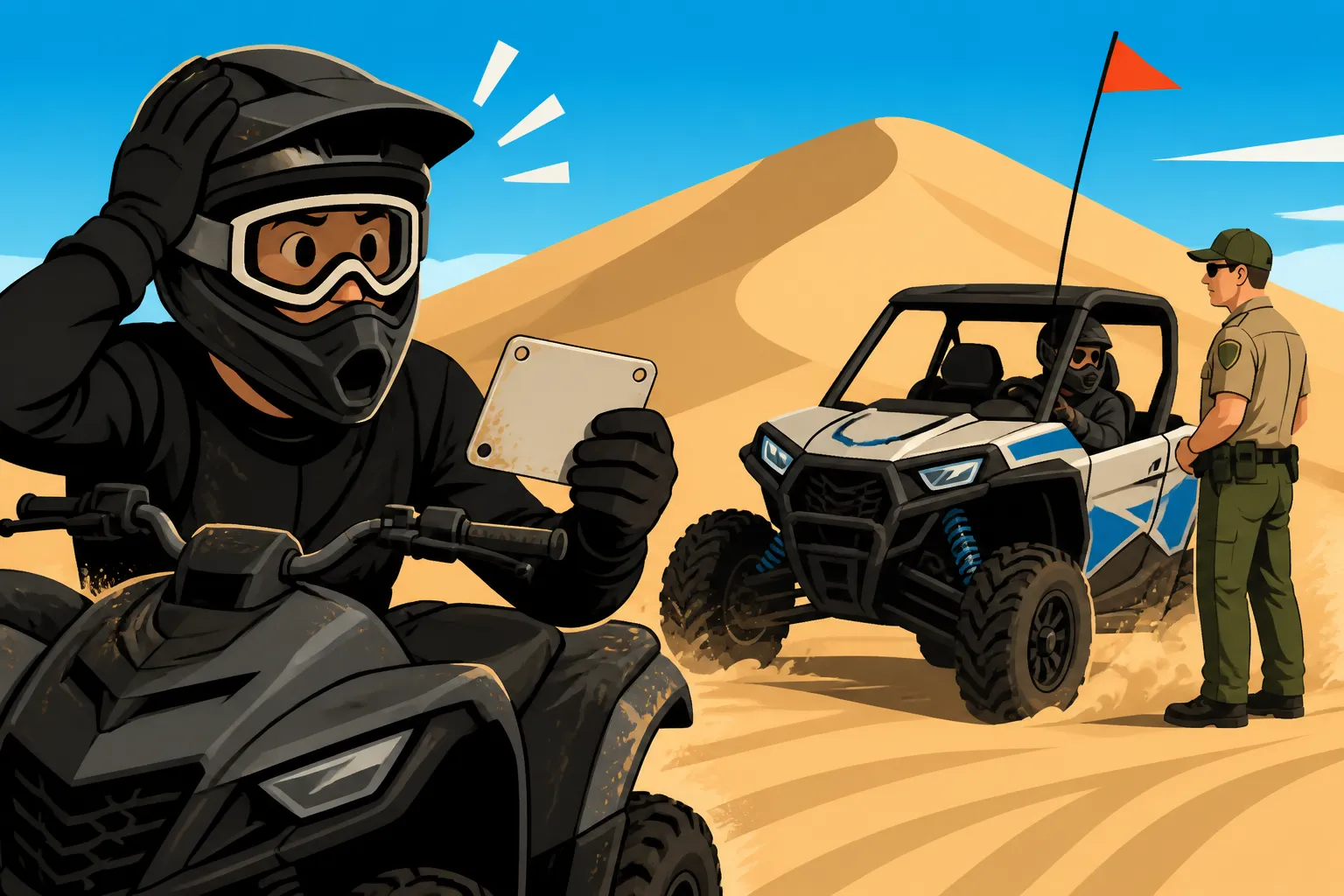
It's a familiar, sinking feeling for many off-road enthusiasts: you've been carving up the dunes at Glamis or tearing through the trails at Ocotillo Wells, having the time of your life, only to glance back at your quad or side-by-side and notice that your California OHV identification plate is gone. That little metal rectangle, so crucial for legal riding, has vanished into the sand or bounced off somewhere along a rocky trail. This guide is here to walk you through exactly why this happens, what you need to do immediately, and how to swiftly get a replacement, so you can get back to riding legally and worry-free.
Why OHV ID Plates Go Missing in the Wild
Losing an ID plate isn't just bad luck; it's often a direct result of the incredibly dynamic and often punishing environments where we love to ride our off-highway vehicles. The forces at play in places like the Imperial Sand Dunes or the challenging terrain of Hungry Valley SVRA are relentless, and sometimes, our plates are the casualties. It's a frustrating reality, but understanding why it happens can help you prevent it in the future, or at least prepare for it.
The Sheer Brutality of Off-Road Conditions
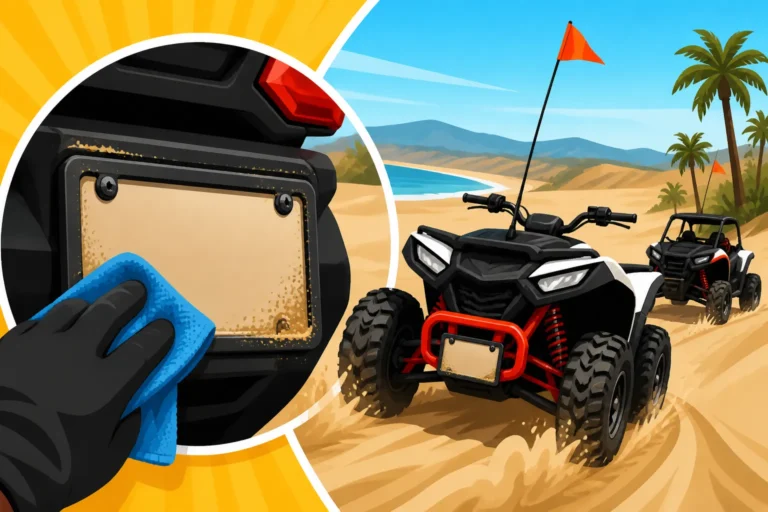
Think about it: when you're hitting whoops, jumping dunes, or navigating rocky washes, your machine is constantly vibrating, flexing, and absorbing impacts. Every bump, every landing, every minute of engine hum sends shockwaves through your vehicle. These vibrations can slowly but surely loosen bolts and fasteners, even those that seemed rock-solid when you installed the plate. What starts as a snug fit can, over hours of exhilarating riding, become a tenuous connection, until finally, one particularly aggressive impact or hard landing delivers the knockout blow, and your plate makes its escape into the dust or sand. It's not a design flaw with the plate itself, but rather a testament to the extreme conditions we put our machines through.
Then there's the abrasive environment itself. In the dunes, fine sand can work its way into every crevice, acting like a grinding paste on fasteners. On trails, mud, rocks, and brush can snag at the edges of the plate or strike the mounting hardware directly. It's a cumulative effect; a small impact here, a bit of vibration there, and suddenly, the weak point gives way. This is why a thorough pre-ride inspection is so critical, something many of us, in our eagerness to hit the trails, sometimes overlook. We often focus on tires and fuel, but those little details like plate security are just as important for a legal and uninterrupted ride.
Common Mounting Point Failures
Most OHV plates are mounted with a few bolts, often to a plastic fender or a metal bracket. While this seems straightforward, there are several ways these mounting points can fail. One common issue is simply using inadequate hardware. Standard nuts and bolts, without additional locking mechanisms, are prone to loosening under constant vibration. If you're not using Nyloc nuts or a thread-locking compound like Loctite, you're practically inviting your plate to make a bid for freedom. Many riders use what came with their machine or grab whatever bolts are handy, not realizing the specific demands of off-road vibration.
Another problem arises from the material the plate is attached to. Plastic fenders, while flexible, can crack or deform over time around the bolt holes, especially if the bolts are over-tightened initially, weakening the mounting point. Metal brackets can also fatigue and crack, particularly if they're thin or experience repeated stress. Sometimes, the plate itself can flex and bend, eventually leading to metal fatigue around the bolt holes. It’s important to remember that the [What the ID Plate Looks Like] is designed for visibility, not necessarily for extreme stress resistance at its mounting points. The combination of these factors – vibration, impacts, material fatigue, and sometimes, simple oversight in securing the hardware – creates the perfect storm for a lost plate.
Immediate Actions After Discovering a Missing Plate
So, you're out riding, pull over for a break, and realize your plate is gone. Panic might start to set in, but don't fret. There's a clear course of action you need to take. Acting quickly and methodically can prevent further issues and set you on the path to getting a replacement. It's not just about the plate; it's about staying compliant and safe.
Safety First: Stopping and Searching
Your first priority is safety. If you're riding, find a safe place to pull over immediately. Don't try to look for it while moving, especially in traffic areas or on active trails. Once you're stopped, carefully retrace your route if you have a reasonable idea of where it might have fallen off. This is particularly feasible if you've just noticed it missing and haven't covered too much ground. In a dune environment, this can be challenging, but if you were just on a specific trail or wash, it might be worth a slow, careful look. Keep an eye out for any shiny glint in the sand or dirt. It’s like looking for a needle in a haystack, but sometimes, you get lucky.
While searching, be mindful of other riders and vehicles. If you're in a busy area, have a spotter or use your lights and flag if appropriate, especially in dune settings where visibility is key. Losing your plate means you are technically operating an unregistered vehicle on public lands, even if you have the paper registration. While rangers are often understanding, especially if you can show them your paperwork, it's best to minimize riding until you've addressed the issue. Remember, [Carrying Registration Paper on the Sand] is always a good practice, as it provides proof of ownership even without the physical plate.
Reporting the Loss to Authorities
Even if you don't find it, it's a good idea to report the loss, especially if you're in a managed riding area like an SVRA (State Vehicular Recreation Area) or BLM land. Head to the nearest ranger station or contact a park official. Explain the situation, provide your vehicle information, and show them your current registration card and title. They might not be able to do much to help you find it, but reporting it creates a record of the loss and shows your due diligence. This can be important if the plate is found by someone else and misused, or if you encounter another ranger while riding back to your camp or vehicle.
They can also advise you on the legality of moving your vehicle without the plate. In most cases, if you have your physical registration, they'll understand you're trying to rectify the situation. They might issue a temporary pass or simply instruct you to proceed directly to your tow vehicle. This is also a good moment to review your overall paperwork. Do you have your current registration? Do you know your VIN? Having all this information readily available will make any interaction with authorities much smoother. Think of it as a brief, unexpected check on your [California OHV Registration Paperwork Checklist].
Documenting the Loss for Replacement
Before you even think about applying for a replacement, gather all your vehicle's documentation. This includes your California Certificate of Title, current registration card, and any other proof of ownership. You'll need this to prove to the California DMV that you are the rightful owner of the OHV. It's a bureaucratic step, but an essential one to prevent fraud and ensure proper ownership. If you've recently purchased the machine, make sure you have a complete bill of sale, perhaps one you even generated using a reliable template from a service like LawDepot, to clearly establish your ownership.
It's also a good idea to take photos of your OHV, especially the area where the plate was supposed to be mounted. While not always required by the DMV, having photographic evidence of the missing plate can be helpful for your own records or if a specific question arises during the replacement process. This documentation will be crucial when you file for a replacement, making the process smoother and faster. Without these documents, proving ownership can be a real headache, potentially delaying your ability to get back on the trails legally.
How to Obtain a Replacement OHV Identification Plate
Once you've secured your machine and gathered your initial documents, the next step is to get that shiny new ID plate. The process is handled by the California Department of Motor Vehicles (DMV), and while it might not be the most exciting part of OHV ownership, it's a critical one to ensure you can continue to enjoy California's amazing riding areas.
Navigating the DMV Application Process
To get a replacement plate, you'll need to fill out a specific form: the Application for Replacement Plates, Stickers, Documents (Form REG 156). This form is your official request to the DMV. You'll need to provide details about your OHV, your personal information as the registered owner, and a clear statement that your ID plate has been lost, stolen, or mutilated. Be sure to indicate "ID Plate" as the item you are requesting to replace, not a standard license plate or a decal. This clarity is important because California issues a unique [Why California Issues a Plate, Not a Decal] specifically for OHVs.
Once completed, the form typically needs to be submitted to the DMV along with any associated fees. While you can often get forms online, you'll usually need to visit a DMV field office in person or mail in your application for a replacement plate. Unfortunately, this isn't usually something you can complete entirely online. Sometimes, if there are questions about your ownership or if your vehicle's record isn't perfectly clear, the DMV might even ask for a [California Vehicle Verification on Form REG 31], though this is more common for initial registration or out-of-state transfers than a simple plate replacement. Nonetheless, it’s wise to be prepared for any eventuality when dealing with vehicle agencies.
Required Documents and Fees for Replacement
When you submit Form REG 156, you'll typically need to include your current registration card or a copy of your [California Issues a Certificate of Title]. These documents serve as proof that you are the legal owner of the OHV. If you've just moved or bought the machine and the title hasn't fully transferred yet, this can complicate things, so always ensure your ownership records are up to date. This is where comprehensive records, potentially managed or organized with templates from a platform like LawDepot, can truly pay off, as quick access to a clear bill of sale or affidavit of ownership can smooth out any wrinkles.
There will be a fee for replacing the ID plate. While specific amounts can change, it's generally a nominal fee, but it's important to be prepared for it. You can usually find the most current fee schedule on the DMV's website or by calling them directly. Unlike initial registration, which has various components like the [California's $54 OHV Registration Fee Broken Down], a replacement plate fee is usually straightforward. Once everything is submitted and the fee is paid, the DMV will process your request. The new ID plate will then be mailed to you, which can take several weeks. So, if you lose your plate, don't delay the replacement process.
Waiting for Your New Plate and Temporary Solutions
After submitting your application and fees, it's a waiting game. The processing time can vary, so it's a good idea to ask the DMV representative for an estimated timeline when you submit your paperwork. In the interim, you might be tempted to ride without a plate, but this is technically illegal. While some rangers might be lenient if you have your replacement application receipt and your current paper registration, it's not a guarantee. The safest bet is to hold off on public land riding until your new plate arrives.
If you absolutely must transport your OHV, ensure it is trailered. Do not ride it on any public roads or trails without the visible identification plate, even if you have all your paperwork. For private land riding, the plate isn't strictly required, but for accessing California's extensive network of SVRAs and BLM lands, that plate needs to be affixed. Knowing your machine's ID plate number can also be helpful if you ever need to inquire about the status of your replacement or reference your registration, as the number is unique to your vehicle, similar to how [California's Green Sticker Explained] identifies emissions compliance. Many riders also find it helpful to [Ordering a Replacement Plate] as soon as they realize it's missing, to minimize downtime.
Preventing Future Plate Losses: Security Measures
Losing an ID plate is a hassle, and nobody wants to go through the replacement process more than once. The good news is that with a few simple, proactive steps, you can significantly reduce the chances of your plate going missing again. It’s all about reinforcing those vulnerable points and adding a layer of redundancy.
Regularly Inspecting and Reinforcing Mounting Points
The absolute best defense against a lost plate is regular inspection. Before every major ride, especially if you're heading to rough terrain like the dunes or rocky trails, take a moment to visually inspect your ID plate. Give it a gentle tug. Are the bolts tight? Is there any play in the plate itself? Are there any cracks forming around the bolt holes in your fender or bracket? Just a quick once-over can alert you to potential problems before they become actual losses.
If you find any looseness, tighten the bolts immediately. Consider using an appropriate thread-locking compound (like blue Loctite, which allows for removal later) on the bolt threads. This creates a secure bond that resists loosening from vibration. For plastic fenders, consider using fender washers on both sides of the plastic to distribute the pressure more evenly and prevent the plastic from cracking or pulling through. You might even consider fabricating a small metal backing plate to sandwich the plastic fender between the plate and the backing plate for ultimate security. This kind of minor reinforcement can be the difference between a full day of riding and an unexpected trip to the DMV.
Alternative Mounting Solutions and Hardware Upgrades
Sometimes, the standard mounting method just isn't robust enough for the demands of serious off-roading. If you've had issues in the past, or if your machine's stock mounting location seems particularly flimsy, it might be time for an upgrade. One common and highly effective solution is to replace standard nuts and bolts with Nyloc nuts (which have a nylon insert that grips the bolt threads, preventing loosening) or aircraft-grade self-locking nuts. These are designed to withstand extreme vibration and are far less likely to back off than standard hardware.
Another option is to get creative with your mounting. Some riders drill additional, small holes in their plates and use heavy-duty zip ties as a secondary retention method, in addition to the bolts. This provides an extra layer of security, so even if the bolts loosen, the zip ties will keep the plate attached. Ensure that any additional holes or mounting methods still allow the plate to be clearly visible and legible, as rangers will be checking for [Displaying a Permit on the Left Side] (or the appropriate location for plates) and legibility. For many, the simple act of [Bolting the ID Plate to a Quad] with robust, vibration-resistant hardware is enough. But for others, custom solutions or additional fasteners provide that peace of mind. Remember, the goal is to make it as difficult as possible for that plate to ever come off again.
Disclaimer
This article is for general informational purposes only and does not constitute professional advice. Laws, prices and regulations vary by location and change over time. Consult a qualified professional for guidance on your specific situation.