Riding Pier Avenue in Oceano
Many folks rolling into Oceano, ready for a day of ripping through the dunes, often feel a bit lost – or even worried – when it comes to navigating the main drag. It's confusing to know exactly what's allowed on a public street like Pier Avenue when your machine is designed for dirt, not asphalt. This guide is here to clear up that confusion, helping you understand how to legally and safely make your way down Pier Avenue to the Oceano Dunes State Vehicular Recreation Area (SVRA).
The Unique Situation of Pier Avenue
Pier Avenue isn't just any street; it's the beating heart of Oceano's connection to the incredible [Oceano Dunes: California's Only Sand Beach Ride]. For anyone heading out to play in the sand, whether you're bringing your own side-by-side or renting a quad, this street is your primary gateway. But here's the kicker: while it's a public road, it functions very differently from your average city street when you have an Off-Highway Vehicle (OHV) in tow, or even worse, on it.
Why Pier Avenue is Different
The unique aspect of Pier Avenue lies in its dual nature. It's a bustling thoroughfare, often packed with cars, pedestrians strolling to the beach, and families enjoying the shops. Yet, it's also the designated conduit for OHV enthusiasts making their pilgrimage to the dunes. This blend of foot traffic, regular vehicle traffic, and specialized OHV transit creates a dynamic and, frankly, often frustrating environment for riders who are just trying to get to where they can legally play. You see folks on rentals rolling down, but you also see people getting pulled over – what's the deal?
The key distinction is that Pier Avenue itself, while a public road, includes segments that are specifically designated as access routes for OHVs heading to the SVRA. This isn't about making your ATV or UTV "street legal" in the traditional sense – because let's be crystal clear, [Are ATVs Street Legal in California?] is almost always a resounding "no" for public roads. Instead, it's about navigating a specific, narrow allowance designed to get you from the town to the sand. Understanding this distinction is crucial to avoiding a citation and ensuring your dune day starts on the right foot.
Oceano's Role in OHV Access
Oceano is more than just a quaint beach town; it's truly the service hub for the entire Oceano Dunes SVRA experience. Drive down Pier Avenue, and you'll immediately notice the concentration of businesses catering specifically to the OHV crowd. From gear shops to snack stops, and most notably, the numerous rental outfits, the town is geared towards getting you ready for the sand. It's a testament to the area's long-standing tradition of off-road recreation.
Many riders, especially those visiting from out of town, rely heavily on these local businesses. You'll find several prominent rental shops right on or just off Pier Avenue, like Steve's ATV Rentals or Arnie's ATV Rentals. These establishments aren't just selling you time on a machine; they're integral to your ability to even access the dunes without a lengthy trip. They handle the complex paperwork, make sure your machine is up to spec, and often provide the necessary safety briefings.
The strategic placement of these shops, and the overall OHV-friendly vibe of Oceano, means that Pier Avenue serves as the direct pipeline to [Riding the Sand Ramp at Grand Avenue], which is your direct entry point to the dunes. This proximity means that the town has had to adapt its infrastructure and regulations to accommodate the unique needs of OHV riders. It's a symbiotic relationship, where the town supports the riders, and the riders, in turn, support the town's economy.
Navigating Pier Avenue Legally with Your OHV
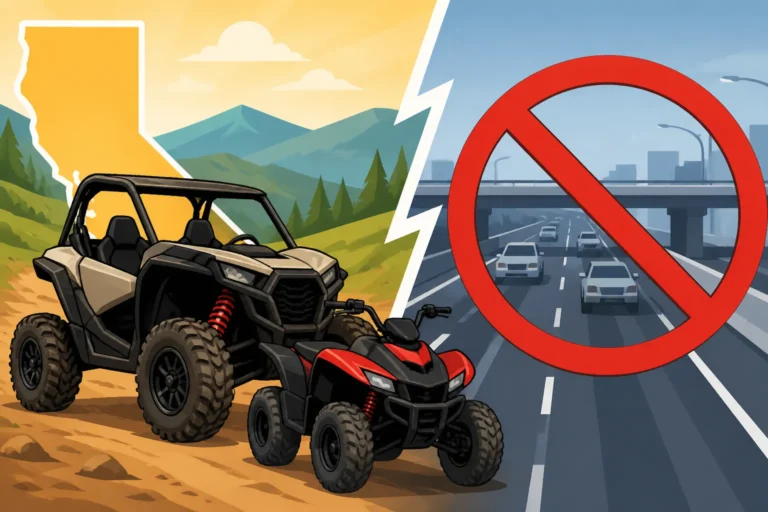
For many OHV enthusiasts, the journey to the riding area often involves a frustrating "last mile" – that short stretch of paved road separating you from the dirt. California's vehicle codes are generally very strict: OHVs are not designed for, nor allowed on, public streets. They lack the necessary safety equipment like turn signals, headlights (that meet street-legal standards), and often mirrors that would qualify them for highway use. This is where the challenge on Pier Avenue truly comes into play.
The 'Last Mile' Challenge
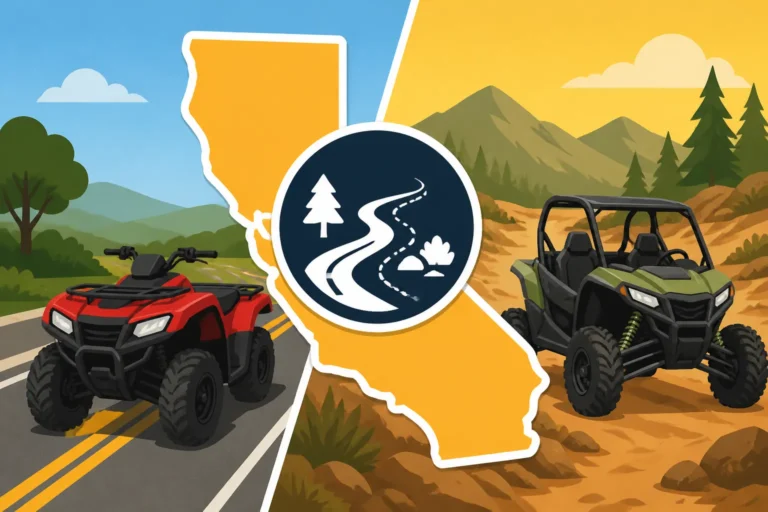
However, certain segments of Pier Avenue have been specifically designated by local authorities, in coordination with the California Highway Patrol, as "combined-use highways" or access routes for OHVs. This isn't a blanket permission for OHVs to roam freely on any street; it's a very specific allowance for a short distance to allow access to a designated riding area, in this case, the Oceano Dunes SVRA. Think of it as a temporary reprieve from the usual rules, solely for the purpose of getting to the sand.
The critical thing to remember is that this designation is for transit only. You're not meant to be cruising Pier Avenue, stopping at shops for an extended period, or using it as a general recreational area. The intent is clear: get on, get to the sand ramp, and get off. Any deviation from this direct path or lingering on the street beyond what's necessary for access could put you in violation of the rules, risking a citation for illegal operation of an OHV on a public highway. It's a very narrow window of legality, and understanding its limits is paramount. While California generally has a [California's 3-Mile Combined-Use Cap] for such routes, Pier Avenue's designated section falls well within these parameters.
Specific Rules and Requirements
Even on a designated access route like Pier Avenue, there are crucial rules you must follow. First and foremost, your OHV needs to be properly identified and registered for off-highway use in California. This means having a current [California Green Sticker Explained] or [California Red Sticker Rules Today] if your machine is from California. If you're visiting from out of state, you'll need a valid [California's Nonresident OHV Use Permit], as most out-of-state registrations aren't honored for general OHV use within California's public lands. Check the sticker status before you even think about rolling onto the pavement.
Speed limits are absolutely non-negotiable. While you might be excited to hit the dunes, Pier Avenue has posted speed limits that apply to all vehicles, including OHVs. Often, these are quite low due to the pedestrian traffic and commercial activity. Disregarding these limits can lead to tickets and endanger others. Additionally, remember California's helmet law: if you're on an ATV, a helmet is required for all riders, regardless of age. For UTVs (ROVs), while adults might have an exemption if the vehicle has a roll cage and seatbelts, youth riders still need helmets. When in doubt, wear your helmet. [California Helmet Law for ATV Riders].
And, because your ultimate destination is the dunes, ensure your machine is equipped with a safety flag on a whip. This is a mandatory requirement for visibility in the Oceano Dunes SVRA. Don't wait until you're at the entrance; have it properly installed before you even think about leaving your staging area or rental shop. Also, be mindful of noise; while Pier Avenue isn't typically subject to sound testing like a gate into an SVRA, excessive noise from an aftermarket exhaust could still draw unwanted attention. [California Noise Rules at an SVRA Gate].
Rental Machines and Pier Avenue
For many visitors, especially those who don't own their own OHVs or are flying in, the rental shops on Pier Avenue are a lifesaver. These shops, like Steve's ATV Rentals or Arnie's ATV Rentals, are perfectly positioned to facilitate your dune adventure. The beauty of renting from these establishments is that they typically handle much of the logistical headache for you. When you book a machine, it will already have the proper California OHV registration (a green sticker, usually) and be equipped with the necessary safety gear, including a whip and flag if you're heading to the dunes.
The rental process usually involves a safety briefing, signing waivers, and ensuring you understand the rules of the road – or in this case, the short stretch of Pier Avenue. Once you're cleared, you'll simply hop on your machine, often right outside the shop, and make the very short journey down the street to the sand ramp. This is arguably the easiest and most legally sound way to experience riding an OHV on Pier Avenue, as the shops are well-versed in the specific regulations and ensure their operations comply.
It’s an incredibly convenient system, designed precisely for that seamless transition from pavement to sand. The rental outfits have a vested interest in your safety and adherence to regulations, so they will guide you through the process. Just remember that even with a rental, you're responsible for operating it safely and following all traffic laws, speed limits, and personal protective equipment requirements like helmets. You can learn more about this by checking out [Renting on Pier Avenue in Oceano].
Practical Tips for a Smooth Pier Avenue Experience
Riding on Pier Avenue with your OHV, even for a short, designated segment, requires an elevated sense of awareness. This street can get incredibly busy, especially on sunny weekends, holidays, and during peak riding seasons for the dunes. You'll encounter a mix of slow-moving cars, parked vehicles, delivery trucks, and an abundance of pedestrians casually strolling to the beach, often not expecting an ATV or UTV to be sharing the road. This creates a potentially hazardous environment if you're not fully focused.
Traffic and Pedestrian Awareness
It's absolutely essential to practice extreme caution and courtesy. Maintain a safe following distance from other vehicles, always be prepared to stop, and be especially vigilant for pedestrians who might step into the street without looking. Remember, your OHV, with its louder engine and less conventional appearance on a paved road, can startle people. A friendly nod or a cautious slowdown can go a long way in ensuring a positive experience for everyone. This isn't the place to test your machine's acceleration or maneuverability.
If you're trailering your own machine, parking can be a real headache near Pier Avenue. The lots can fill up quickly, and maneuvering a truck and trailer in tight spaces is no fun. Consider arriving early in the day to secure a spot, or look for designated OHV staging areas further afield if you prefer to avoid the main street traffic. The goal is to minimize stress and maximize safety, ensuring your dune day is memorable for all the right reasons, not for a fender bender on the way in.
Gear and Preparedness
Before you even think about firing up your machine and rolling down Pier Avenue, take a moment to ensure you and your OHV are fully prepared. Beyond the mandatory helmets, wearing appropriate riding gear like goggles, gloves, long pants, and sturdy boots isn't just about protection on the dunes – it also projects a responsible image on the street. SuperATV offers a wide range of gear and accessories that can enhance your safety and comfort, both on the trail and during short transitions on pavement. Having the right equipment ensures you're ready for anything.
Give your machine a quick pre-ride inspection. Check tire pressure, especially if you're planning to air down for the sand. Make sure your whip and flag are securely mounted and meet the height requirements for dune riding, as detailed in [California Dune Flags and Whips]. Verify that your paperwork is complete and accessible, even if you just plan to ride a short distance to the sand. While law enforcement on Pier Avenue is primarily focused on safe transit, having your paperwork in order is always a good practice.
Additionally, be aware of California's spark arrester law. All OHVs operating on public lands (including designated access routes to them if they lead to brush-covered areas) must be equipped with an approved spark arrester to prevent wildfires. This is less about Pier Avenue itself and more about ensuring your machine is compliant for its ultimate destination, but it's part of overall preparedness. It's better to be overly prepared than to face a fine or, worse, cause a dangerous situation.
Knowing Your Destination
Your ultimate destination from Pier Avenue is the sand entrance at Grand Avenue – often referred to as the "Grand Avenue sand ramp." This is the only official vehicle access point to the Oceano Dunes SVRA. As you approach this area, the dynamics of the road will change, often with clear signage indicating the entrance to the off-highway riding area. Once you hit the sand, the rules shift dramatically, and you're officially in the OHV playground.
Before you make that final turn onto the sand, ensure you have your dune permit if required (for the Imperial Sand Dunes Recreation Area (ISDRA), for example, though Oceano has its own access rules often included with the SVRA day-use fee or specific permits at certain times). Familiarize yourself with the general layout of the Oceano Dunes SVRA and any specific rules about where you can and cannot ride once on the sand. This includes understanding the boundaries, wildlife protection areas like those for the [Snowy Plover Fencing and Your Route], and camping zones.
Finally, while the Oceano Dunes SVRA has faced some significant changes and even closures in the past (like [The 2026 Closure at California's Oceano Dunes] which led to new permits), it's crucial to stay informed about its current status. Always check the official Parks and Recreation website or local signage for the latest information on access, closures, and any new regulations. This ensures you're riding legally and responsibly, protecting both yourself and the future of this incredible riding area. The [What the Oceano Dunes Reopening Permit Allows] is a great example of how these areas adapt.
| Aspect | On Pier Avenue (Designated Access) | On Oceano Dunes SVRA (Sand) |
|---|---|---|
| Vehicle Status | OHV on a permitted transit route | OHV in designated riding area |
| Registration | Valid CA Green/Red Sticker or Nonresident Permit | Valid CA Green/Red Sticker or Nonresident Permit |
| Street Legal | No (specific access allowance only) | Not applicable (off-highway area) |
| Helmets (ATV) | Required for all riders | Required for all riders |
| Helmets (UTV/ROV) | Required for youth; recommended for adults (if no cage/belts) | Required for youth; recommended for adults (if no cage/belts) |
| Whip & Flag | Recommended (preparing for dunes) | Mandatory |
| Speed Limits | Posted street limits apply (usually low) | Rules vary by zone; generally cautious |
| Pedestrian Traffic | High; extreme caution needed | Minimal; awareness of other riders |
| Primary Purpose | Transit to riding area | Recreational OHV riding |
Disclaimer
This article is for general informational purposes only and does not constitute professional advice. Laws, prices and regulations vary by location and change over time. Consult a qualified professional for guidance on your specific situation.