Replacing a California OHV Plate Cost
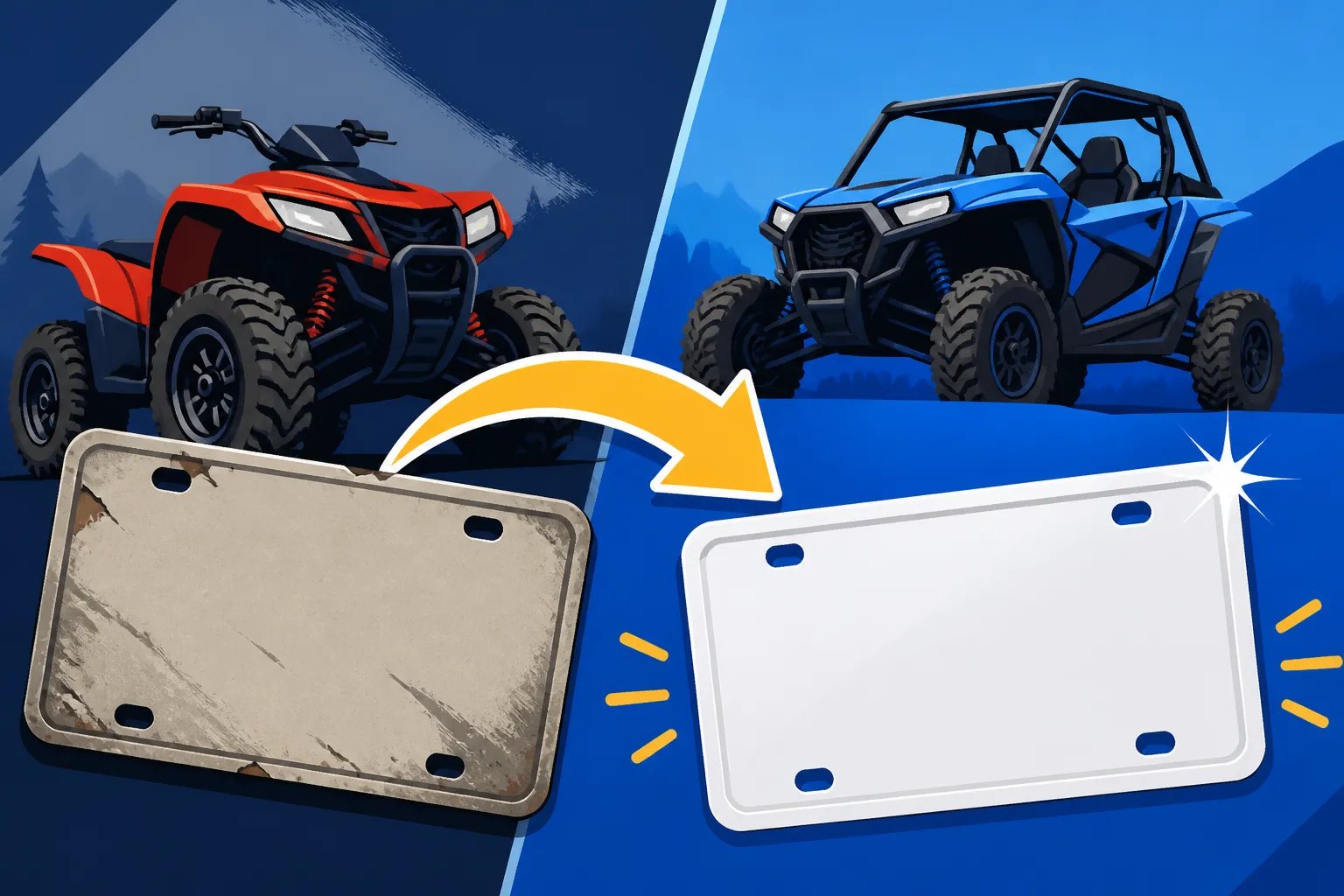
There’s nothing quite like the heart-sink moment of realizing your California Off-Highway Vehicle (OHV) identification plate has gone missing. Maybe it vibrated off on a particularly gnarly section of the Johnson Valley trails, got ripped away by shifting sand at Glamis, or perhaps you just can’t find it after a long weekend of fun. Whatever the reason, you know you need to replace it, and immediately your mind jumps to the process, the paperwork, and, of course, the dreaded cost. This guide is here to walk you through exactly what you can expect financially and logistically when it comes to replacing that essential little piece of metal.
The Frustration of a Lost or Damaged California OHV Plate
Riding off-road in California is an incredible experience, but it comes with responsibilities, and having your OHV properly identified is a big one. When that plate vanishes or gets mangled, it's not just an inconvenience; it can bring your riding plans to a screeching halt until it's sorted. It's a common frustration, believe me.
Common Scenarios Leading to Plate Replacement
It happens to the best of us, and usually, it's completely accidental. You're out there pushing your machine to its limits, doing exactly what it was built for, and sometimes the trail pushes back.
- Lost on the Trail: This is probably the most frequent culprit. Intense vibrations, rough terrain, or even a branch snagging it just right can dislodge your plate. One moment it's there, the next it's a memory left somewhere on a dusty trail. It's particularly easy to lose them in deep sand or rocky washes where they can just fall off unnoticed.
- Damaged in an Accident: A fender bender, a rollover, or even just hitting something solid with the rear of your machine can bend, crumple, or tear off your ID plate. Sometimes, it's still attached but so mangled it's unreadable, and that's just as bad as it being gone entirely.
- Stolen: While less common for the entire machine, sometimes just the plate can be stolen. It's a baffling crime, but it happens. Perhaps someone needs a plate for their own unregistered machine, or it's a misguided prank. Regardless, it leaves you in a bind.
- Wear and Tear: Believe it or not, even environmental factors can take a toll. Constant exposure to sun, sand, mud, and water can degrade the plate over time, making it illegible. If a ranger can't read the numbers, it's effectively a lost plate.
Why That Little Plate Matters So Much
You might think, "It's just a small piece of metal," but for California OHV riders, it's far more important than it appears. This isn't like a car's license plate, which often has a larger area and more secure mounting points. The OHV plate is often bolted to a less conspicuous area and is crucial for many reasons.
- Legal Requirement for Public Land Use: In California, if you're riding your OHV on any public land, including State Vehicular Recreation Areas (SVRAs) like Hungry Valley or Ocotillo Wells, or Bureau of Land Management (BLM) lands, your machine absolutely must display a current and legible identification plate. Rangers and law enforcement actively check for these. You can learn more about [What the ID Plate Looks Like] and where it needs to be displayed.
- Enforcement and Identification: That plate is how authorities identify your machine and verify its registration status. Without it, you could face citations and fines for operating an unregistered or improperly identified vehicle. It's a direct link to your machine's official records.
- Proving Ownership and Registration: In some cases, especially if your machine is involved in an incident or you need to move it, the plate is a quick way to prove it's legitimately registered. It works hand-in-hand with your physical registration card.
- Compliance for [California OHV Registration for a Dirt Bike], [California OHV Registration for a Side-by-Side], and More: Regardless of the type of OHV—be it an ATV, UTV, dirt bike, or sand rail—the plate is a universal requirement for registered machines.
Understanding the Official Costs to Replace Your OHV Plate
Let's get down to brass tacks: what's this going to set you back? Thankfully, replacing a lost or damaged OHV plate in California is not typically an exorbitant expense, especially compared to the costs associated with initial registration or significant late penalties. However, there are a few components to the cost that you should be aware of.
The Core Replacement Fee
The primary cost you'll encounter is a relatively modest administrative fee charged by the California Department of Motor Vehicles (DMV) for issuing a replacement identification plate. This fee covers the cost of producing the physical plate and the administrative work involved in updating your vehicle's records.
- What This Fee Covers: Think of it as a small processing charge. It's not punitive; it's simply what it costs the state to provide you with a new, official identification plate. This fee is standard, regardless of whether your plate was lost, stolen, or damaged.
- Where to Find Current Figures: While I can't give you specific dollar amounts, it's always best to check the official California DMV website or contact them directly for the most current fee schedule. These amounts can shift over time, so always verify before you make your plans.
Potential Additional Fees and Charges
While the replacement plate fee itself is usually quite small, there are circumstances where you might incur additional costs. These aren't direct fees for the replacement plate, but they often come up during the same transaction or process.
- Renewing Your Registration: If your current OHV registration is also expired or nearing its [California OHV Registration Two-Year Cycle] expiration date, you will naturally have to pay the regular renewal fees in addition to the plate replacement cost. The DMV won't issue a new plate for an unregistered machine. Sometimes, losing a plate prompts you to check your registration, and you might discover it's due.
- Late Penalties: If you're replacing a plate and your registration is significantly past its [When California OHV Registration Expires] or its renewal date, you might also face [California OHV Late Registration Penalty]. This penalty is typically a percentage of the biennial registration fee and can add a significant amount to your total bill. It's another reason to address a lost plate promptly, even if your registration isn't immediately due.
- Vehicle Verification Costs: In some rare cases, particularly if there are discrepancies in your records or you've gone an extended period without a plate, the DMV might require a [California Vehicle Verification on Form REG 31]. While you can often perform this yourself with proper documentation, sometimes a licensed vehicle verifier or a representative from the California Highway Patrol (CHP) is needed, and their services may come with their own fees.
- Expedited Services: If you're in a real hurry and need that plate yesterday, some third-party registration services might offer expedited processing. While convenient, these services typically charge an additional premium for their speed and assistance. This isn't a DMV fee, but a service charge for convenience.
The Step-by-Step Process for Getting a New Plate
The process itself is generally straightforward, but like anything involving government agencies, it requires attention to detail and the right paperwork. Don't let the thought of a trip to the DMV intimidate you; being prepared is half the battle.
Gathering Your Essential Documents
Before you head to a DMV field office or prepare to mail anything, make sure you have everything you need. This will save you immense frustration and potential repeat trips.
- Your Valid Identification: Bring your California driver's license or ID card. This is crucial for verifying your identity as the registered owner.
- Current Registration Card: While you're replacing the plate, you'll still need your most recent OHV registration card. This document contains vital information about your vehicle and proves you're the rightful owner. If you've also lost your registration card, you'll need to request a replacement for that as well, which is a separate, albeit small, fee.
- Statement of Facts (Form REG 256): This form is often required when replacing a lost or stolen plate. It's essentially a declaration where you explain the circumstances of the loss or damage. You can usually download this form from the DMV website.
- Application for Duplicate Title or Plate (Form REG 343): This is the core application form for requesting a new plate. You'll need to clearly indicate that you're requesting a duplicate identification plate and fill in all relevant vehicle information. Don't worry, [What California's Form REG 343 Asks For] is fairly intuitive once you have your other documents.
- Proof of Insurance (if applicable): While not universally required for OHV registration (unless you're operating on a [California Combined-Use Highway List] route), having proof of insurance can be beneficial for your own records and might be requested in certain situations, especially if the plate was lost due to an accident.
Navigating the Application: Form REG 343
Form REG 343 is your gateway to a new plate. It's a versatile form used for various requests, so make sure you mark the correct box for "Duplicate ID Plate."
- Filling it Out Accurately: Take your time to fill out all sections of the form completely and accurately. This includes your vehicle's identification number (VIN), year, make, and model, as well as your personal contact information. Any errors could lead to delays.
- Describing the Circumstances: On the REG 256 (Statement of Facts), clearly and concisely explain how the plate was lost, stolen, or damaged. For example, "Plate fell off while riding at Oceano Dunes" or "Plate was stolen from my garage on [date]." Be honest and provide as much detail as you can.
- Signing and Dating: Don't forget to sign and date the forms! Unsigned forms will be rejected.
Where to Submit Your Application and Payment
Once you have your forms filled out and your documents in hand, you have a few options for submission.
- California DMV Field Office: This is often the quickest way to get things processed, especially if you need the plate urgently. You can schedule an appointment online to reduce your [California OHV Registration Appointment at the DMV] wait time. The staff can review your documents, collect the fee, and often issue you a temporary operating permit on the spot, and sometimes even the physical plate if available, though sometimes it's mailed later.
- Mail: If you're not in a rush, you can mail your completed forms and payment (check or money order) to the address provided on the DMV website. This method can take several weeks for processing and delivery, so plan accordingly.
- Third-Party Registration Services: California has numerous licensed third-party registration services that can handle these transactions for you. They charge an additional service fee but can often process paperwork faster and with less hassle than a direct DMV visit. They're especially helpful if you're trying to avoid a long wait at a field office.
Beyond the Immediate Cost: Time, Effort, and Preventing Future Losses
While the financial outlay for a replacement plate isn't usually huge, it's important to consider the other "costs" – your time and effort. Plus, taking steps to prevent another loss can save you from repeating this process down the line.
The Hidden Costs of Replacement: Time and Hassle
Money isn't the only currency here. Your time is valuable, and dealing with paperwork and government agencies can be a drain.
- DMV Wait Times: Even with an appointment, a visit to a [Taking an OHV to a California DMV Field Office] can consume a good chunk of your day. Without one, you could be looking at a significant wait.
- Mailing Delays: If you opt for mailing, you're at the mercy of postal and processing times, which means weeks without a proper identification plate, potentially limiting your riding opportunities.
- Repeat Visits/Corrections: If your paperwork isn't perfect, you might face delays or even need to make a second trip, amplifying the frustration.
Best Practices for Securing Your New Plate
Once you have your shiny new plate in hand, you'll want to make sure it stays put. A little extra effort now can prevent a future replacement headache.
- Proper Mounting Hardware: Don't just rely on flimsy bolts. Use robust bolts, lock washers, and self-locking nuts. You might even consider specialty anti-vibration fasteners available at powersports shops.
- Strategic Placement: Adhere to the regulations for [Where the ID Plate Mounts on a Quad] (or your specific machine), but also consider the most secure spot that minimizes exposure to impacts and snagging.
- Regular Checks: Make it a habit to check your plate's mounting before and after every ride. A loose bolt can be tightened; a missing plate means a trip to the DMV.
- Reinforcement: Some riders add a thin backing plate or even a strong adhesive to further secure the plate against vibrations.
Proactive Steps to Protect Your Investment
Beyond just securing the plate, thinking about your overall OHV documentation can prevent headaches in other areas too.
- Photograph Your Plate: Take a clear photo of your OHV identification plate, showing the numbers clearly, and save it on your phone and in a digital file. This can be helpful if you need to report it stolen or verify its details quickly.
- Documenting Ownership: While not directly related to a lost plate, having all your ownership documents in order is crucial. If you're buying or selling a machine, using a service like LawDepot to create a proper [California OHV Bill of Sale Requirements] can ensure you have a legally sound record. This is especially important if you ever need to transfer ownership or prove purchase, which might indirectly become relevant if a plate issue arises.
- Reporting Thefts: If your plate was stolen, report it to local law enforcement. This creates an official record that can protect you if the plate is used improperly by someone else. You may also need this for insurance purposes, and a formal declaration of theft generated through a service like LawDepot can provide clear documentation for these situations.
- Keep a Digital Copy of Your Registration: In addition to the physical card you carry when riding, keep a digital copy of your OHV registration on your phone or in the cloud. This can be a lifesaver if you misplace the physical card along with your plate.
Here's a quick overview of some potential costs and considerations:
| Item/Action | Description of Cost/Consideration | How to Mitigate |
|---|---|---|
| Replacement Plate Fee | A standard, relatively small administrative fee from the DMV for the new plate. | Check current DMV fees before you go. |
| Registration Renewal Fees | If your registration is due, you'll pay the biennial renewal fee. | Renew on time; check your expiration date regularly. |
| Late Registration Penalties | If your registration is past due, a significant penalty may apply. | Handle replacements and renewals promptly. |
| Vehicle Verification (if required) | Cost for a licensed verifier or CHP to inspect your machine (sometimes free, sometimes a fee). | Ensure all documents are in order; perform self-verification if possible. |
| Third-Party Service Fees | Additional charge for convenience if you use a private registration service. | Factor this into your budget if you value time savings over cost. |
| Time & Effort | Hours spent at the DMV, filling out forms, or mailing documents. | Schedule appointments, prepare all documents thoroughly, consider mailing if not urgent. |
| Secure Mounting Hardware | Small investment in better bolts, lock washers, or specialty fasteners for your new plate. | Purchase quality hardware when you get your new plate. |
| Document Preparation (e.g., LawDepot) | Cost for legal document templates if you need a formal bill of sale or theft declaration. | Use online services like LawDepot for professional, affordable templates. |
Replacing your California OHV identification plate is an inevitable task for many riders at some point. By understanding the costs, the process, and how to properly secure your new plate, you can minimize the hassle and get back to enjoying California's incredible off-road opportunities sooner.
Disclaimer
This article is for general informational purposes only and does not constitute professional advice. Laws, prices and regulations vary by location and change over time. Consult a qualified professional for guidance on your specific situation.