California OHV Registration Appointment at the DMV
Getting your off-highway vehicle (OHV) registered in California can sometimes feel like navigating a maze blindfolded, especially when it comes to dealing with the Department of Motor Vehicles. Many riders dread the thought of spending hours at a field office, only to find they're missing a crucial piece of paper or that they've made a trip for something that could have been handled differently. This guide is here to demystify the process of scheduling and preparing for a California OHV registration appointment at the DMV, ensuring you're well-equipped and confident for your visit.
Why an Appointment is (Often) Necessary for OHV Registration
Let's face it, the DMV isn't typically where anyone wants to spend their free time. And while California has made strides in offering more services online or by mail, registering an OHV often falls into the category of transactions that still require an in-person visit. It's not always just about collecting a fee; there are specific checks and procedures that simply can't be done remotely, which can be a real headache if you're not expecting it.
The Complexity of OHV Paperwork
Registering an OHV isn't as straightforward as renewing your car's tags. You're dealing with specific vehicle identification numbers (VINs), potentially different sticker types (Green, Red, or Tan), and a whole host of forms that need precise completion. For instance, you'll almost certainly need to fill out a California Application for Title or Registration, commonly known as [What California's Form REG 343 Asks For]. This form isn't something you want to rush through; errors can lead to delays and multiple trips, which is exactly what we're trying to avoid. The level of detail required often necessitates an agent's review to ensure everything is correct and compliant with the state's very specific rules.
Beyond the main application, there might be additional documents, especially if you're dealing with a new purchase, an out-of-state machine, or transferring ownership. Each scenario adds layers of paperwork, and ensuring you have all your ducks in a row can be daunting. Sometimes, even simple omissions, like a missing signature or an incorrectly dated bill of sale, can send you back to square one. This is where preparing diligently becomes paramount, and an appointment gives you a dedicated slot to get it all sorted.
Vehicle Verification Requirements
One of the biggest reasons an in-person visit is frequently unavoidable for OHV registration is the mandatory vehicle verification. California requires a physical inspection of your OHV to confirm its VIN, engine number, and sometimes other identifying marks. This process helps prevent fraud and ensures the vehicle matches its documentation. You can't just mail in a photo; an authorized verifier needs to lay eyes on your machine. [California OHV Vehicle Verification Requirements] are strict, and typically, this verification needs to be performed by a DMV employee, a California Highway Patrol (CHP) officer, or a licensed vehicle verifier.
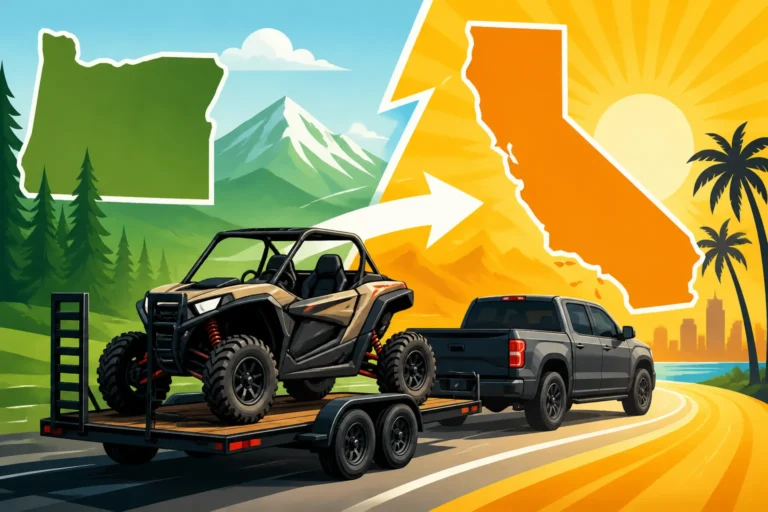
Bringing your OHV to a DMV field office can be a hassle, especially if you have to trailer it. However, for many initial registrations or specific transfers, it's a non-negotiable step. Imagine getting all your paperwork ready, waiting for your appointment, only to be told you needed to bring the OHV for verification – that's a common frustration many riders experience. So, understanding when verification is needed helps you plan for [Taking an OHV to a California DMV Field Office] properly.
When Online or Mail-In Isn't Enough
While the internet makes many things easier, [Why You Cannot Register an OHV Online] is a reality for most new OHV registrations. Unlike car registration renewals, which are often a breeze online, OHV registration frequently involves unique situations that demand human interaction. This includes the initial registration of a brand-new machine, transferring ownership of a used OHV, or bringing an out-of-state OHV into California. These scenarios require a personal touch to review all documents, confirm details, and often collect sales tax or use tax.
Mail-in registration is also often limited to renewals that don't involve any changes to the vehicle's information or ownership. If you've just bought a used quad, for example, there's no way to simply mail in a bill of sale and expect a new registration to appear. The complexity of titling, the verification process, and the need to pay various fees (like the [California OHV Sales Tax on a Private Purchase]) all contribute to making an in-person appointment a frequent necessity. It's about ensuring compliance and accuracy for vehicles that often operate off the beaten path.
How to Schedule Your California OHV Registration Appointment
Successfully navigating the DMV starts well before you even step foot in the building. Scheduling an appointment is your first critical step to saving time and reducing stress. While it might seem straightforward, there are a few nuances to be aware of to ensure you book the correct service and have everything ready.
Navigating the DMV Website
The California DMV website is your primary tool for scheduling appointments. It's designed to be user-friendly, but finding the exact service you need for an OHV can sometimes be tricky amidst all the options for cars, trucks, and driver's licenses. You'll typically look for services related to "Vehicle Registration" or "New Registration/Title" rather than a specific "OHV" category. It's a good idea to explore the site a bit before you commit to a slot, perhaps even making a checklist of the information you think you'll need.
When you're on the scheduling portal, you'll usually be asked to select the type of transaction you need. For most OHV registrations, you'll want to select a general "Vehicle Registration" service that allows for new registrations or title transfers. Avoid options that are strictly for renewals, as these often have different requirements and time slots. Be patient as you click through the options; sometimes the best fit isn't immediately obvious, but taking your time here will prevent you from booking the wrong kind of appointment and having to reschedule.
What Information You'll Need Ready
Before you even start clicking to book, gather some key pieces of information. You'll generally need personal details like your driver's license number, date of birth, and contact information. More importantly, for the OHV itself, have the Vehicle Identification Number (VIN) handy. This is the unique identifier for your machine and will be crucial for the DMV to pre-fill any forms or pull up existing records if the OHV has been registered before (even if out-of-state). Having the VIN makes the booking process smoother and helps ensure you're selecting the correct service.
If you're buying a used OHV, having a preliminary understanding of its history, like whether it was previously registered in California or another state, can also be helpful. While not always directly required for the appointment booking, it will definitely be needed for the actual registration process. Think of it as preparing your answers for a quiz; the more information you have at your fingertips, the faster and more accurately you can complete the online scheduling form.
Choosing the Right Service Type
This is where many people can get tripped up. The DMV appointment system has various categories, and picking the wrong one can lead to frustration when you arrive. For initial OHV registrations, title transfers, or bringing in an out-of-state machine, you'll typically want to select a "New Vehicle Registration" or "Vehicle Title/Registration" option. Avoid "Driver's License Services" or "ID Card Services," even if you need to update your address; those are separate. Similarly, "Vehicle Registration Renewal" might not be appropriate if you're not just renewing an existing California OHV registration.
Some DMV offices might have specialized windows or procedures for OHV-specific services, but usually, it's integrated into the general vehicle registration process. If you're unsure, it's often better to choose a broader "vehicle registration" category and be prepared to explain your specific OHV situation to the agent. Remember, your goal is to get your [Registering an OHV in California] completed, and the appointment is the gateway. Some online resources, like LawDepot, can help you prepare documents like a bill of sale that clarify your transaction, which in turn helps the DMV agent understand your needs quickly.
What to Bring to Your DMV Appointment for OHV Registration
You've booked your appointment, circled it on the calendar, and now comes the crucial part: gathering all the necessary documents. This step cannot be overstated. Showing up prepared with every piece of paperwork, identification, and payment method will make your visit as quick and painless as possible. Nothing is more frustrating than waiting in line, finally getting to the counter, and being told you're missing something vital.
Essential Documents Checklist
Preparation is key, and a solid checklist is your best friend. For a typical OHV registration, you'll almost always need the completed [What California's Form REG 343 Asks For], which is the Application for Title or Registration. If you bought the OHV from a private seller, you'll also need a bill of sale. For new machines, you'll need the Manufacturer's Certificate of Origin (MCO) or Manufacturer's Statement of Origin (MSO). If you're transferring ownership, the previous owner's properly signed-off title certificate is paramount. [Buying a Used Quad in California] or any OHV requires careful attention to these transfer documents to avoid issues down the road.
Don't forget proof of insurance if you plan to ride your OHV on any public lands where it's required (though generally not for simple registration), and any emissions documentation if applicable for your vehicle's model year. Sometimes, you might need a lienholder's information if you financed the purchase. It's a lot, so creating a physical folder for your OHV documents, perhaps using a template from a service like LawDepot, can keep everything organized.
Proof of Ownership and Identification
This is non-negotiable. You absolutely must bring valid photo identification, like your California driver's license or ID card. The DMV needs to confirm you are who you say you are. For proof of ownership of the OHV, this typically means the original Certificate of Title. If the title is lost, you'll need to submit an application for a duplicate title, or the previous owner would have needed to do so if you just purchased it. [Replacing a Lost California OHV Title] is a separate but often related process. Without clear proof of ownership, the DMV cannot register the vehicle in your name.
If the OHV was gifted to you, or if you're inheriting it, specific forms for those situations will be required in addition to the traditional title. Always bring the original documents, not just photocopies, unless specifically stated by the DMV. The agent will need to verify the authenticity of these papers. Also, ensure all names and VINs on your ownership documents match your identification perfectly to avoid any discrepancies that could halt the process.
Fees and Payment Methods
Be prepared to pay fees. California OHV registration involves several costs, including the base registration fee, a CHP fee, and potentially penalties if your registration is late. For example, you'll see a line for the [California's $33 Registration Line] and another for [The $10 CHP Fee on a California OHV] on your bill. If you're registering past a specific deadline, you might also face [The $27 Late Penalty in California]. These fees add up, so it's wise to know the approximate total before you go. You can often estimate the [California OHV Registration Cost] by looking at the DMV's fee schedules online.
| Fee Type | Description | Applies To |
|---|---|---|
| Registration Fee | Base fee for the two-year registration cycle | All OHVs requiring registration |
| CHP Fee | Portion allocated to California Highway Patrol for enforcement | All OHVs requiring registration |
| OHMVR Trust Fund Fee | Supports OHV parks and programs | All OHVs requiring registration |
| Late Penalty | Imposed if registration is not renewed/transferred on time | Renewals and transfers past deadline |
| Transfer Fee | For changing ownership on existing registration | When transferring title/registration |
| Sales/Use Tax | Based on purchase price (or market value) | New purchases, private party sales, out-of-state transfers |
The DMV typically accepts various payment methods, including cash, checks, money orders, and debit/credit cards. While it's good to have options, confirm the accepted payment types for your specific field office beforehand, as policies can sometimes vary. Having multiple payment methods on hand is a good safety net in case one doesn't work or if the total amount is higher than you anticipated.
Tips for a Smooth DMV Visit
Even with an appointment and all your documents in order, a trip to the DMV can still be a bit nerve-wracking. However, a few additional strategies can significantly improve your experience and help you get in and out efficiently, so you can get back to planning your next ride at Glamis or Hungry Valley.
Arriving Prepared and On Time
This might seem like common sense, but it's incredibly important. Aim to arrive at the DMV field office at least 10-15 minutes before your scheduled appointment time. This gives you a buffer to find parking, check in (if required), and mentally prepare without feeling rushed. Being late, even by a few minutes, can sometimes mean your appointment is pushed back or even canceled, forcing you to reschedule or wait as a walk-in, which defeats the purpose of booking ahead.
Beyond timeliness, "prepared" means having your documents organized in an easily accessible way, perhaps in a folder. Don't show up with a stack of papers that you have to sift through at the counter. Know exactly where your title, bill of sale, ID, and any other forms are. This simple act of organization will not only impress the DMV agent but also speed up the transaction considerably, making for a much smoother experience.
Understanding Potential Delays
Even with an appointment, the DMV can experience unexpected delays. Staffing shortages, complex transactions ahead of yours, or system issues can all contribute to longer wait times than anticipated. Go into your appointment with realistic expectations and a good attitude. Bring a book, put on some headphones for a podcast, or plan to catch up on emails if you anticipate a wait. Getting frustrated or agitated won't speed up the process and can make the experience more stressful for everyone involved.
Remember that the DMV agents are processing a wide variety of transactions, and some can be very time-consuming. While your OHV registration might be straightforward, the person ahead of you could be dealing with a complex commercial vehicle issue. Patience and understanding go a long way. Knowing that delays are a possibility allows you to plan your day accordingly, so you're not missing other important commitments while waiting.
Following Up After Your Appointment
Once your transaction is complete, you'll usually receive some form of temporary registration or a receipt. Keep this document in a safe place. Your official ID plate (if applicable, like the [California OHV Plate Number Explained]) and registration card will typically be mailed to you within a few weeks. If you haven't received them after a reasonable amount of time (the DMV usually provides an estimated window), don't hesitate to follow up. You can usually check the status online or call the DMV's automated line.
It's also a good practice to double-check all the information on the temporary documents or receipts before you leave the counter. Ensure your name, address, and the OHV's VIN are all correct. Catching an error immediately is much easier than trying to correct it weeks later after the official documents have been mailed out. Your goal is to have your OHV properly registered so you can enjoy riding legally, and a little diligence after the appointment helps ensure everything is in order.
Disclaimer
This article is for general informational purposes only and does not constitute professional advice. Laws, prices and regulations vary by location and change over time. Consult a qualified professional for guidance on your specific situation.