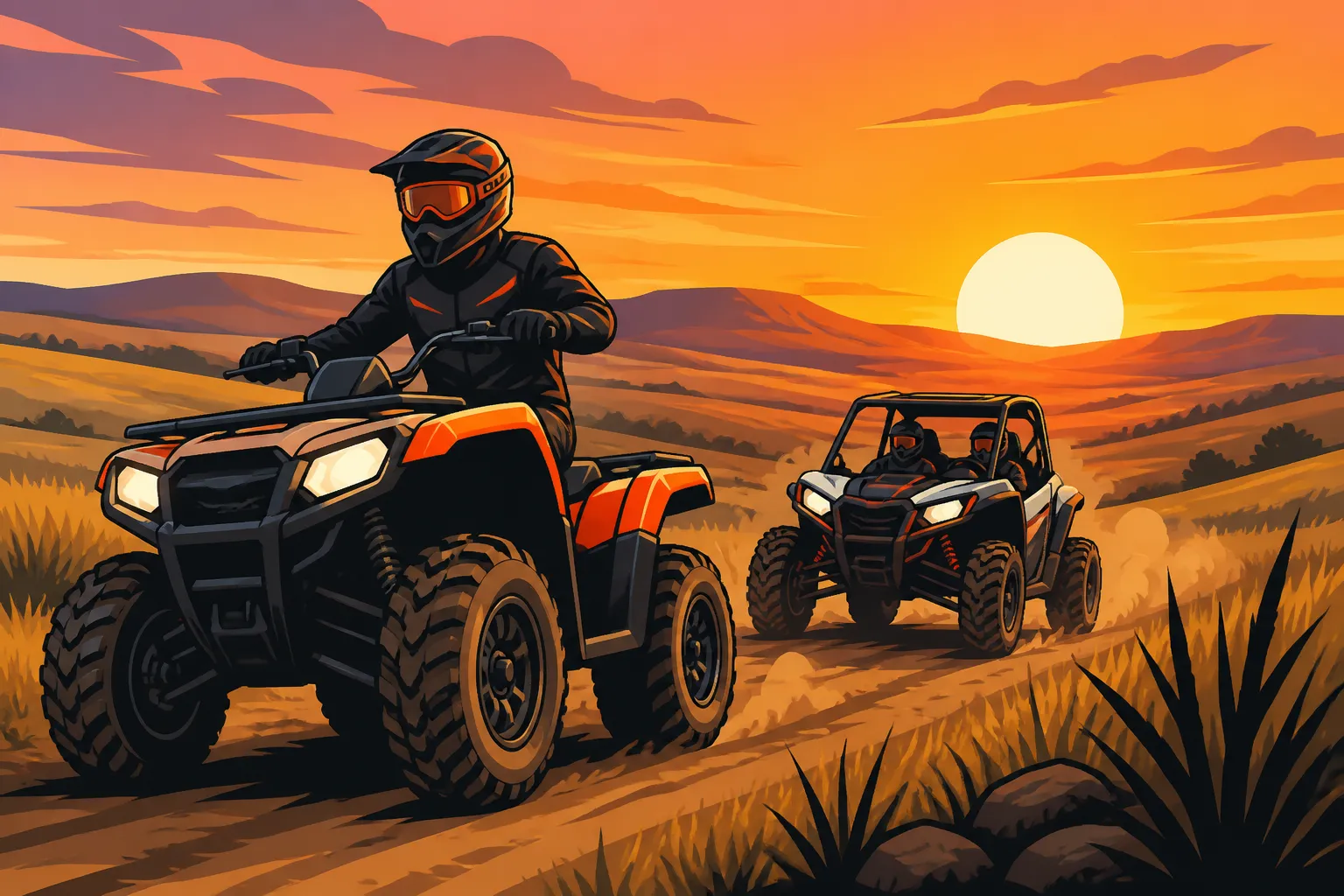
Prairie City for an Evening Lap
Prairie City SVRA is a convenient place to fit in a ride near Sacramento, but an evening visit can feel rushed if you arrive without checking access, machine rules, and what you want to ride. This guide helps you plan a realistic after-work lap, choose a suitable riding area, and avoid spending your limited daylight sorting out basics at the entrance.
Plan an evening ride at Prairie City
Check access before you leave
Prairie City State Vehicular Recreation Area sits near Rancho Cordova, east of Sacramento. Its location makes it an appealing option for a short ride when a full day in the desert or foothills is not realistic. But “close to town” does not guarantee that you can ride whenever you arrive. Park access, operating hours, trail conditions, and available riding areas can change, so check current park notices before loading up.
That check matters even more for an evening lap. A late arrival can leave little time to unload, handle entry requirements, and get familiar with the layout before you need to head back. If the park has a closure, a limited riding area, or conditions that affect access, you will want to know before you make the drive. Build in enough time to park, gear up, and get your machine ready—not just the time it takes to reach the gate.
If you are new to the area, keep your first visit simple. Choose one main riding goal, such as using a suitable track or exploring an open designated route, rather than trying to cover the whole park. Check the current California’s State Vehicular Recreation Areas guide for broader context on California SVRAs, and review Prairie City’s Tracks and Who Uses Them before you decide what kind of ride to plan.
Choose a goal that fits the daylight
An evening ride is usually more enjoyable when it has a clear, modest plan. You might focus on a few laps on a track that suits your experience, or take a short ride on routes that are open to your machine. The best choice depends on current access, your vehicle, your group’s ability, and how much daylight remains. Don’t assume every area is open to every type of OHV simply because it is inside the park.
If you are meeting friends, agree on a meeting point and a turnaround time before riding. Groups can lose precious daylight waiting for someone to unload, adjust gear, or decide where to go. A parent riding with a beginner might plan a short familiarization session first, then decide whether there is time for another loop. A group with mixed experience should avoid letting the fastest rider set the pace for everyone.
A map can help you understand the park layout and plan your route before you arrive. onX Offroad can be useful for reviewing off-road mapping and keeping a route plan handy, but treat any mapping app as a planning aid—not confirmation that a route is open or that your machine is allowed there. Check posted signs and park information, and follow any direction from staff or rangers.
Match the ride to your machine and experience
Check what your ATV or UTV is suited for
Prairie City is not a one-size-fits-all riding area. A small youth quad, a sport ATV, and a wide side-by-side have different handling needs and may have different access limits. Before heading out, make sure the riding area you intend to use is appropriate for your machine and that the vehicle complies with the park’s current rules. Don’t rely on another rider’s memory of a past visit; access and restrictions can vary.
For a UTV driver, width and turning room are practical considerations as well as rule questions. A route that feels easy on a dirt bike may be uncomfortable in a wider vehicle, especially if it is narrow, crowded, or uneven. Check that the route is designated for your type of machine, and avoid squeezing past other riders where there is not room to do so safely. The guide to California OHV Registration for a UTV can help you understand the registration topic, while California’s Spark Arrester Rules is relevant if you are checking required equipment for public-land riding.
For a quad, think about the terrain, your own control, and the people around you. A short evening session can be tiring even when the ride is close to home, especially after a full workday. If you are rusty, spend the first part of the visit getting comfortable at a controlled pace rather than following faster riders into terrain you have not assessed.
Bring required documents and protective gear
Before leaving home, confirm that your machine has the identification or registration required for the kind of riding you plan to do. California OHV requirements can depend on the machine and its status. Start with Registering an OHV in California if you need to check the basics, and review California OHV Registration Paperwork Checklist if you are unsure what documents to bring. Keep required paperwork accessible rather than buried under tools or riding gear.
Protective equipment should be ready before you pull into the park. Wear a properly fitting helmet and suitable riding clothes, and bring eye protection, gloves, and footwear appropriate for your machine. Side-by-side occupants should use the vehicle’s restraints as instructed. If children are riding, make sure the vehicle, seat, and rules are suitable for them; a child’s size and experience matter as much as their enthusiasm.
It is also worth checking noise and equipment issues before the trip. A machine that has been modified or recently repaired may need a closer look for a secure exhaust, working controls, and any required safety equipment. Sorting out a loose part at home is much easier than discovering it in the parking area with daylight slipping away.
| Before you go | Why it matters for an evening ride |
|---|---|
| Check current park access and notices | Prevents a wasted trip or an arrival at a closed area |
| Confirm your machine is allowed on your planned route | Avoids relying on assumptions about ATV or UTV access |
| Choose one main riding goal | Makes limited daylight easier to manage |
| Bring required documents and protective gear | Reduces delays at arrival and supports a safer ride |
| Agree on a group meeting point and turnaround time | Helps prevent separation and late departures |
| Check weather, recent rain, and visibility | Conditions can affect traction, dust, and route comfort |
Make your limited riding time count
Arrive ready to unload and ride
For an after-work visit, preparation at home has an outsized payoff. Fuel the machine, check tire condition, inspect basic controls, and pack your helmet and riding gear before you hook up the trailer. If you need to find documents, charge a phone, or hunt for gloves after arrival, you are using the best part of your riding window for chores.
Think through the towing and parking details, too. Secure the machine and gear so unloading is straightforward, and give yourself room to work without blocking other visitors. If you are meeting someone at the park, settle on a clear meeting point and a backup plan in case one person is delayed. A brief message before departure can prevent a lot of circling around the entrance or parking area.
Keep a compact kit for common inconveniences: water, basic hand tools, a first-aid kit, and a way to contact your group. You do not need to turn a short ride into an expedition, but a small amount of preparation makes it easier to handle a minor problem without rushing. For route planning, onX Offroad may help you review your intended ride ahead of time; still verify access on site and follow signs, because app information should not override park direction.
Pace the ride for an early return
It is easy to underestimate how quickly a short ride can turn into a long one. A group stops to regroup, someone takes a wrong turn, or a beginner needs a break, and suddenly the planned final lap is happening later than expected. Set a firm time to turn back or wrap up, and let everyone know that the goal is to finish together rather than squeeze in one more run.
Leave margin for packing up. You will need time to return to the vehicle, load safely, secure the trailer, and make sure nobody has left gear behind. If visibility is fading or a rider is tired, shorten the ride instead of pushing on. Dusk can make it harder to notice changes in terrain, dust, or other vehicles, and fatigue can affect judgment even on familiar ground.
Groups should keep their speed and spacing appropriate for the route and conditions. Avoid riding beyond the limits of the least experienced person in the group, and stop only where it is safe to do so. If someone has a mechanical issue, move out of the way of traffic where possible and let the rest of the group know what is happening.
Ride responsibly and leave room for a better next visit
Follow posted routes and park direction
Prairie City’s tracks and routes are not interchangeable, and a visible path is not automatically an authorized riding route. Stay on designated areas, pay attention to posted closures, and do not ride around a barrier or gate. Conditions can change after weather, maintenance, or other park activity. A route that was open on a previous visit may not be available today.
That is one reason to treat mapping apps as supplementary. onX Offroad can help you prepare and orient yourself, but signs and current park direction take priority. Keep your plan flexible enough to switch to another permitted area—or call the ride early—if your intended route is unavailable. Turning around is frustrating, but it is better than risking damage, a citation, or a problem for other riders.
Be considerate around pedestrians, families, and riders who are learning. Slow down when visibility is limited or people are nearby, and give others space when passing. Dust can hang in the air and make it harder to judge distance, so adjust your pace rather than assuming the person ahead can see you clearly.
Leave the area in good shape
A good evening ride ends with more than a safely loaded machine. Pack out trash, check the ground around your vehicle for small items, and leave the parking area ready for the next visitor. If you notice a damaged sign, hazard, or maintenance issue, report it through the appropriate park channel rather than trying to fix it yourself.
Before your next trip, make a quick note of what worked: which gear you used, how long unloading took, whether your chosen route suited the group, and how much time you needed to pack up. Those details make the next visit easier to plan. You may find that a slightly earlier departure or a shorter route gives you more actual riding and less end-of-day rushing.
For repeat visits, use onX Offroad or another mapping tool to organize your own planning notes, but confirm current park information every time. A reliable routine—check access, match the route to your machine, prepare at home, and set a turnaround time—makes Prairie City a more practical choice for a quick ride near Sacramento.
Disclaimer
This article is for general informational purposes only and does not constitute professional advice. Laws, prices and regulations vary by location and change over time. Consult a qualified professional for guidance on your specific situation.