Mammoth Wash for a Quieter Ride
If the main Glamis camping areas feel crowded, Mammoth Wash can offer a more spacious, less hectic way to experience the Imperial Sand Dunes. The quieter setting comes with a trade-off: fewer nearby services and a greater need to plan your route, supplies, and recovery gear before you head out. This guide explains what to expect and how to ride responsibly.
What to expect at Mammoth Wash
A quieter corner of the Imperial Sand Dunes
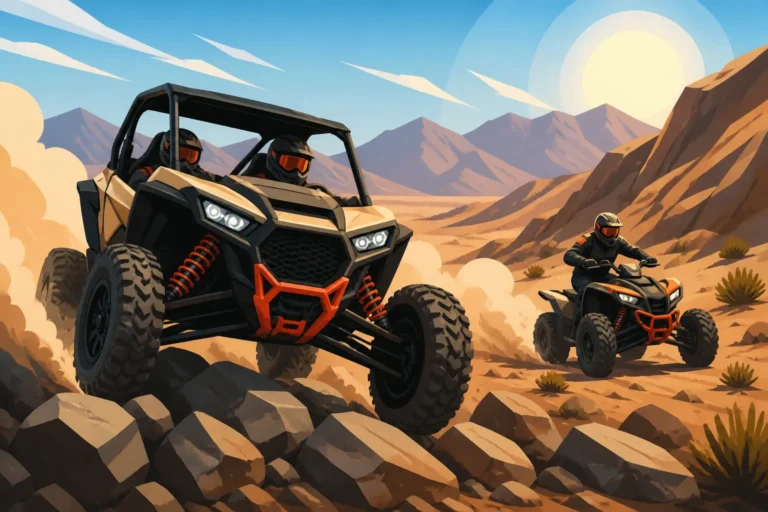
Mammoth Wash is part of the Imperial Sand Dunes Recreation Area in southeastern California, a vast desert landscape managed by the Bureau of Land Management. Riders often consider it when they want more room to camp and ride than they might find around the busiest central Glamis areas. “Quieter,” though, is relative. Holiday weekends and popular riding periods can bring plenty of traffic throughout the dunes, and conditions change from one visit to the next.
The area’s appeal is its open, remote feel. Instead of relying on a central staging area for every outing, you can plan around your camp, the dunes, and the routes that are open when you arrive. That flexibility can be a relief for a group that wants to avoid a steady stream of vehicles near camp. It also means you should not assume that a quieter location is isolated from other riders or free of hazards.
Mammoth Wash is commonly associated with the eastern part of the Imperial Sand Dunes and the wider Ogilby area. For a broader sense of the landscape and access points, see Mammoth Wash and Ogilby and Imperial Sand Dunes, California’s Biggest Dune Field. These areas are expansive, and a name on a map does not necessarily tell you whether a particular track is open, passable, or appropriate for your vehicle.
A remote setting means more self-reliance
The peacefulness can be a real benefit if your group prefers a less crowded camp. But remote dune riding asks more of you than arriving at a busy campground with nearby facilities. Plan to carry enough drinking water, food, fuel, basic tools, a tire repair kit, and recovery equipment for the length of your outing. Tell someone where you are going, especially if you expect to ride beyond sight of camp.
Do not count on being able to quickly buy a forgotten item or get immediate assistance nearby. Cell service can vary across the desert, and a phone’s navigation map may not provide a dependable picture of current access or closures. Make plans that still work if you lose service, get delayed, or need to return to camp by a different route.
| What matters | Why it matters at Mammoth Wash | Practical approach |
|---|---|---|
| Access and closures | Routes and access conditions can change | Check current land-manager information and posted signs before riding |
| Water and fuel | Nearby services may not be convenient | Bring enough for your group, machine, and contingency time |
| Navigation | Open desert can be disorienting | Carry an offline map and agree on a return point |
| Recovery gear | Soft sand can trap a machine | Bring suitable recovery equipment and travel with another vehicle when possible |
| Dune visibility | Ridges can hide oncoming riders | Use a flag, slow down near crests, and avoid blind crossings |
Planning your ride and camp
Confirm access before you travel
Before setting out, check the current access information for the Imperial Sand Dunes Recreation Area, including any route restrictions, closures, and posted seasonal notices. Conditions can differ by location and may change because of weather, land-management decisions, or other restrictions. A track shown in a navigation app should never be treated as proof that it is open to motorized use.
A tool such as onX Offroad can help you review your planned route, save map information for offline use, and orient yourself when cell coverage is unreliable. Use it as a planning aid, not as a substitute for official maps, signs, or closure notices. It is also wise to have a second navigation option and to make sure everyone in your group understands the route back to camp.
The same approach applies to camping. Confirm where camping is allowed and whether any local restrictions affect your intended site. Leave room for other vehicles, avoid blocking access routes, and keep your camp setup within permitted areas. For general dune planning and permit considerations, see California Rules for Riding Imperial Sand Dunes and ISDRA Permits and California’s October Season.
Choose a camp that suits your group
A quieter camp is not automatically the best camp for every rider. If your group includes new riders, young children, or people who prefer staying close to the vehicle, prioritize an easy-to-find location and a simple route back to camp. Set a visible meeting point and make sure each driver can recognize nearby landmarks without depending only on a phone.
Groups spread out quickly in open sand. Agree on a turnaround time, a maximum distance from camp, and what to do if someone becomes separated. For example, everyone can agree to stop at a designated meeting point rather than continuing to search in different directions. If a vehicle is disabled, keep the rest of the group together and use a planned method to communicate the location.
For a first trip, avoid choosing a camp simply because it looks farthest from other people on a map. A site with a straightforward approach and an obvious return route may be a better choice than one that requires unfamiliar travel across soft sand. You can still enjoy a calmer setting without making camp difficult to reach.
Riding safely in sand and dunes
Read the terrain before picking up speed
Sand can change from firm to soft over a short distance. The approach to a dune may look smooth while the far side conceals a steep drop, another vehicle, or a person on foot. Slow down as you approach a crest, keep enough distance from other riders, and do not cross a ridge blindly. Use the required dune flag so other drivers have a better chance of spotting your machine.
Tire pressure and riding technique affect how a vehicle handles in soft sand, but there is no single setting that suits every machine, tire, load, and terrain. Follow your vehicle manufacturer’s guidance, make changes cautiously, and avoid experimenting in a situation where you cannot safely stop or recover. If you are uncertain, choose a conservative pace and terrain that matches your experience. Soft Sand and Tire Pressure offers more context for preparing a machine for sand.
Wash bottoms and low areas can be especially challenging. A wash may contain soft patches, abrupt edges, or hidden obstacles, and it can be harder to see other riders coming through. Do not assume a wash is a safe shortcut just because it appears to be a natural corridor. If you do enter one, move at a controlled speed and stay alert for changing surface conditions. If the machine bogs down, Getting Stuck in a Sand Wash can help you think through the risks before the problem happens.
Prepare for heat, wind, and changing visibility
Desert weather can make a manageable ride feel difficult. Heat increases fatigue and dehydration risk, while wind can reduce visibility as it pushes sand across open ground. Carry water for every person, take breaks before anyone feels exhausted, and be ready to shorten the ride if conditions worsen. Goggles and face protection can make riding more comfortable when sand is blowing.
Visibility is not just a comfort issue. Dust and wind can make it harder to see flags, terrain changes, and approaching machines. If you cannot see well enough to ride with a safe margin, stop in a place where you are visible and out of the travel path. Wait for conditions to improve rather than trying to follow a group through a cloud of blowing sand. See Wind and Visibility on the Dunes for more practical considerations.
At the end of the day, account for the return ride. A route that felt easy in good light may be harder to follow when the sun is low or dust is hanging over the dunes. Keep enough daylight in your plan to return without rushing, and do not rely on memory alone to find camp.
Permits, rules, and considerate riding
Check what your vehicle and group need
Before riding, confirm the applicable vehicle identification, permit, and operating requirements for your machine and your trip. Requirements can depend on where the vehicle is registered, what kind of machine it is, and whether you are riding within the recreation area or traveling elsewhere. Do not assume that a street-legal plate, a registration from another state, or a previous trip’s paperwork automatically covers every situation.
Keep required documents accessible and follow posted instructions at entrances and checkpoints. If you are bringing children or less experienced drivers, check the rules that apply to their age and vehicle type before leaving home. A few minutes of preparation can prevent a frustrating delay at the start of a ride.
Dune flags and other safety equipment matter even when the area seems quiet. A crest can hide a machine until it is close, so make sure your flag is properly installed and visible. Review California Dune Flag Requirements before packing, and do not wait until you reach the dunes to discover that required equipment is missing.
Help keep a quieter area enjoyable
A less crowded ride depends partly on how visitors use the area. Stay on routes open to motorized travel, respect posted closures, and avoid cutting through camps or disturbing other groups. Keep noise and dust in mind when choosing where to ride, particularly near people who are resting or setting up camp.
Pack out trash and secure anything that could blow away. Do not leave food scraps, broken parts, or discarded gear behind. If your group is traveling with several machines, agree on spacing and stopping points so vehicles do not crowd one another or create unnecessary dust around camp.
Mammoth Wash can be a rewarding choice for riders who value open space and are comfortable preparing for a remote desert outing. Its quieter feel is most enjoyable when the group arrives with realistic expectations: check access, carry what you need, navigate carefully, and ride at a pace that leaves room for the unexpected.
Disclaimer
This article is for general informational purposes only and does not constitute professional advice. Laws, prices and regulations vary by location and change over time. Consult a qualified professional for guidance on your specific situation.