Camping on the Beach at Oceano Dunes
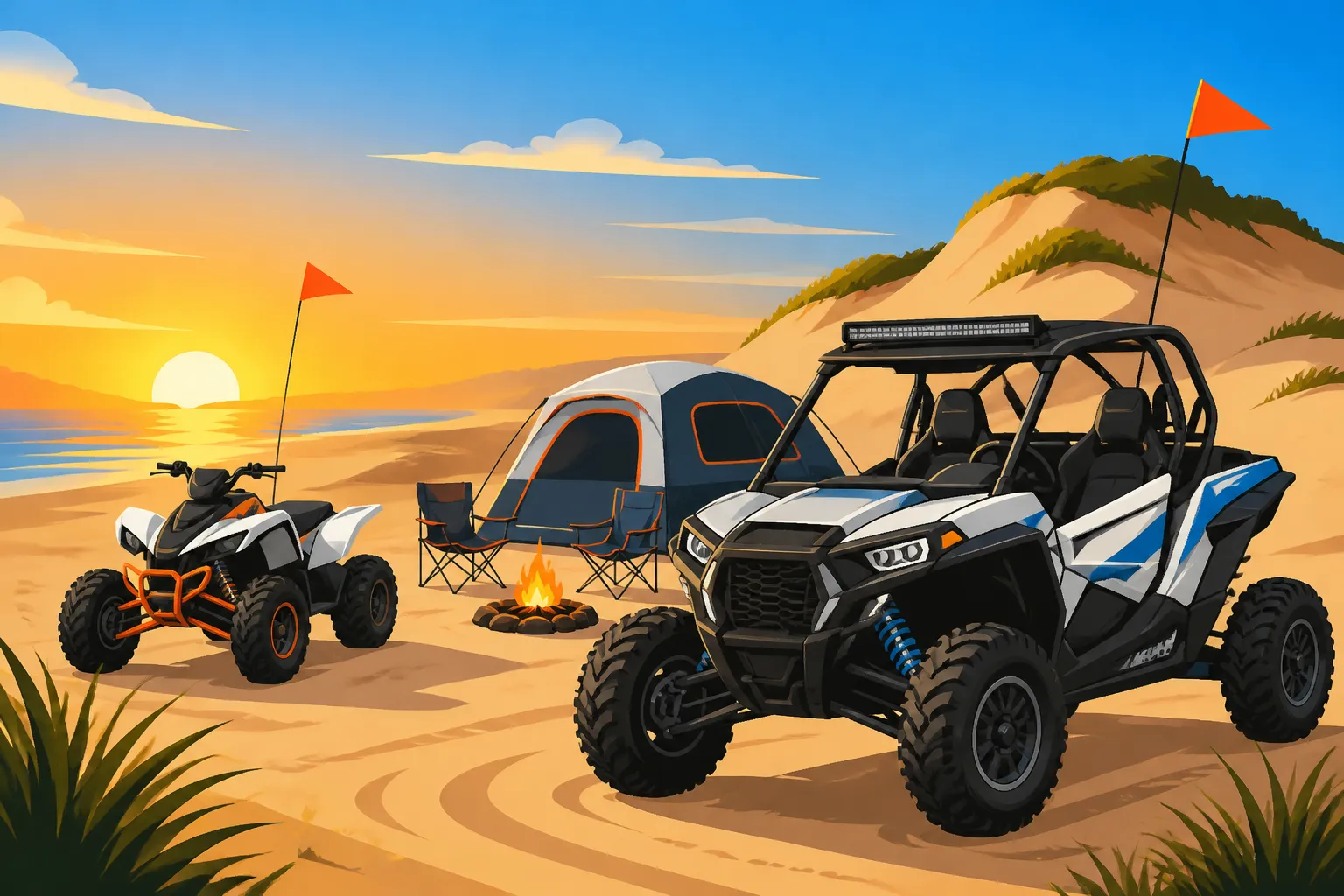
Camping on the beach at Oceano Dunes can turn a California coast trip into a memorable ATV or UTV weekend, but the sand is not an ordinary campground. Vehicle access, camping boundaries, tides, weather, and changing park rules all affect where you can go and how you should prepare. This guide explains how to plan a safer, less stressful beach-camping trip and what to check before leaving home.
How beach camping works at Oceano Dunes
Camp only where the park allows it
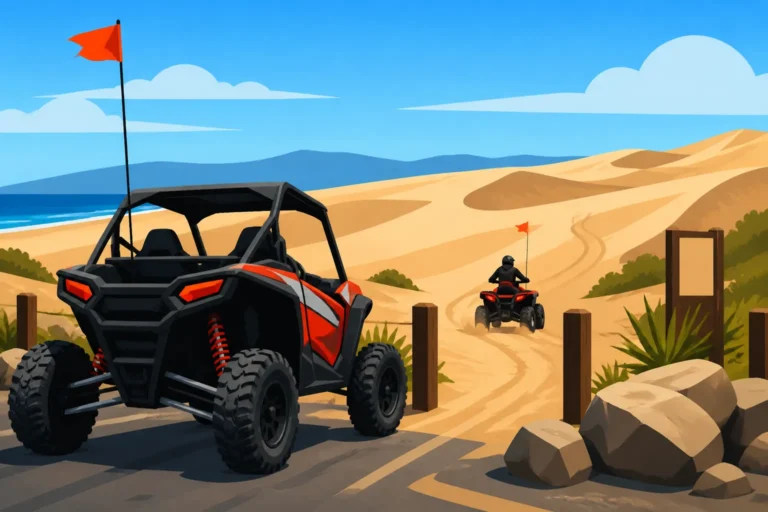
Oceano Dunes State Vehicular Recreation Area is unusual because eligible visitors can drive onto the beach and camp in the permitted area. That does not mean every stretch of sand is open for vehicles or overnight stays. Boundaries, closures, and access conditions can change, so confirm the current rules and available camping area with the park before you pack.
A common planning mistake is to assume that reaching the beach means you can camp wherever you find a flat spot. Instead, look for the park’s current directions and identify the area where camping is allowed. Respect fencing, signs, marked closures, and staff instructions. These boundaries may protect sensitive habitat or keep visitors away from unsafe areas.
If you are bringing an ATV or UTV, remember that camping access and riding access are related but not identical questions. Your machine must meet applicable registration and equipment requirements, and you need to follow the routes and riding restrictions in effect during your visit. For a broader introduction to the area, see [Oceano Dunes: California's Only Sand Beach Ride].
Plan around access, reservations, and changing conditions
Before committing to a weekend, check the park’s official information for access notices, camping availability, reservation requirements, and any limits that apply to your vehicle or campsite. Do this again shortly before departure. A plan that worked on a previous trip may not fit the conditions on your next one, especially during busy periods or when environmental, weather, or maintenance issues affect access.
Think of the reservation or vehicle-limit process as part of your trip logistics, not a formality to handle at the last minute. If your group is bringing multiple vehicles, confirm how the rules apply to the whole party. Make sure the person who made the booking understands what it covers, and share the details with anyone arriving separately. The park’s current instructions are more useful than advice from a friend who visited under different conditions.
For help organizing the booking side of the trip, read [Oceano Dunes Reservations and Vehicle Limits]. Then make a simple backup plan: know where you will stay if access is unavailable, your preferred camping area is full, or conditions make beach driving a poor choice. A nearby alternative is far easier to arrange before you are already towing a trailer toward the coast.
Preparing your ATV, UTV, and campsite
Pack for sand, salt, wind, and limited services
Beach camping puts more strain on gear than a typical overnight stop. Fine sand works into zippers, connectors, and storage spaces; salty air can be hard on exposed metal; and coastal wind can make an otherwise comfortable camp feel cold and gritty. Pack items in sealed or covered containers, keep important documents protected, and bring layers even if the forecast looks mild.
Before you leave, inspect your machine and tow vehicle. Check tires, brakes, lights, tie-downs, and any recovery equipment you plan to carry. Make sure your ATV or UTV is in good working order and that required registration or permit documents are accessible. For machine-specific paperwork and operating rules, the articles [Carrying Registration Paper on the Sand] and [California Dune Flags and Whips] are useful starting points.
Bring enough drinking water, food, sun protection, and basic first-aid supplies for your group, along with a way to keep them clean and dry. Do not assume that the beach will offer the services you would expect at a developed campground. Confirm available facilities directly with the park, and plan to pack out your trash. A small brush, reusable bags, and a lidded container for food can make camp easier to manage when the wind picks up.
Set up camp with the beach in mind
Choose a permitted spot with enough room for your vehicle, trailer, and camping setup, while keeping clear of marked restrictions and other visitors. Do not block access routes or create a tight squeeze for someone trying to pass. Beach surfaces can shift, so a spot that appears firm may become soft or uneven as conditions change.
Keep gear secured when it is not in use. A gust can send a light chair, tarp, or loose item across camp, and anything left exposed can collect sand quickly. If you use a canopy or windbreak, follow the manufacturer’s instructions and secure it appropriately for the conditions. Avoid setting up in a location that could be affected by water movement, changing access, or a route used by vehicles.
If your navigation plan relies on a digital map, download or save what you need before arrival. Cell coverage and battery life can be unreliable in remote or crowded areas. onX Offroad can help you review route information ahead of time, but it should support—not replace—current park signs, official maps, and staff directions. If you are unfamiliar with the area, compare your planned route with the park’s current guidance rather than relying on a saved track from an older visit.
| Planning question | What to do before you go |
|---|---|
| Is beach camping available? | Check current park notices and camping information |
| Where may vehicles travel or camp? | Review official boundaries and follow signs and staff directions |
| What paperwork does my machine need? | Confirm registration, permit, and equipment requirements for your situation |
| What if conditions change? | Keep a backup lodging or trip plan |
| Will navigation work on the beach? | Save maps in advance and carry official park information |
Driving and camping safely on the sand
Treat tides and beach conditions as part of the route
The beach is not a fixed campsite or road. Water, wind, soft sand, and changing surface conditions can affect where it is safe to travel. Check tide information and current park guidance before driving, and avoid assuming that a route or camping area will remain suitable throughout the day. If you are unsure whether a section is passable, do not treat another vehicle’s tracks as proof that it is safe.
Tides deserve particular attention because a route that looks wide and open can become less forgiving as water moves across the beach. Leave room to turn around, and do not drive toward a narrow passage just because it appears to lead to a desirable spot. If the sand is soft or your machine begins to lose momentum, stop and reassess rather than continuing until recovery becomes more difficult.
Use [Tides and Riding the Oceano Sand] as part of your trip preparation, and check the latest local tide information for your specific visit. onX Offroad may help you understand your planned route before you arrive, but a digital map cannot tell you how the sand, tide, or conditions have changed since the map was made. Keep checking your surroundings and follow any closures or direction from park staff.
Keep people, machines, and wildlife separated
A beach with moving vehicles, campers, pedestrians, and wildlife needs extra attention. Drive slowly in camp and near people, keep children close, and make sure everyone in your party knows where vehicles are allowed to travel. Before moving a machine, check around it for people who may be difficult to see from the seat—especially young children playing near tents or parked vehicles.
Give wildlife and habitat areas a wide berth. Stay out of fenced or signed areas, and do not assume that an opening in a barrier is an invitation to ride through. Seasonal closures and protective fencing can affect where visitors may travel. For additional context, see [Snowy Plover Fencing and Your Route]. The practical rule is simple: if a boundary is marked or the route is unclear, stop and confirm before proceeding.
Have a clear group plan for what to do if someone gets separated or a vehicle becomes stuck. Agree on a meeting point, keep phones or radios charged where possible, and tell someone at camp before leaving for a ride. Riders should wear appropriate protective gear, and everyone should follow California rules that apply to their machine and riding situation. A beach trip is more enjoyable when the group does not have to improvise safety decisions after a problem starts.
Building a smoother Oceano Dunes trip
Use a checklist that fits your group
A little preparation can prevent the most common beach-camping headaches: arriving without a needed document, discovering that camping is unavailable, realizing the group has no backup plan, or finding that essential gear is buried under everything else. Make one checklist for the vehicle and another for camp. Ask each driver to confirm their own paperwork and equipment rather than assuming the trip organizer has checked for everyone.
For the vehicle and riding portion, consider:
- Confirming current access, camping, and riding information with the park.
- Checking registration, permits, and required safety equipment.
- Inspecting the machine, trailer, tie-downs, and recovery gear.
- Saving maps and route information for offline use.
- Reviewing tide conditions and identifying a conservative turnaround plan.
- Making sure every rider understands the boundaries and group plan.
For camp, pack drinking water, food, warm layers, sun protection, first-aid supplies, lighting, secure storage, and bags for waste. Keep anything needed quickly—such as documents, medication, and a flashlight—somewhere accessible rather than at the bottom of a packed trailer. If you have children or first-time riders in your group, explain the vehicle boundaries and meeting point before everyone spreads out.
Know when to change the plan
A successful trip does not require forcing the original plan to work. If access is restricted, the beach is crowded, the sand is too soft, the weather turns unpleasant, or your group cannot find a suitable permitted place to camp, be ready to adjust. A shorter ride, a different approved area, or an overnight stay elsewhere is better than taking a risky route or ignoring a closure.
Keep your decision-making simple: follow posted rules, avoid uncertain routes, and ask park staff when a boundary or instruction is unclear. Use onX Offroad as one planning aid if you already use it, but verify important details against official park information. A saved route can help orient you; it cannot authorize access or override a closure.
For current maps and planning background, [California Trail Maps and Where to Get Them] can help you think through navigation before you travel. For the drive-on process itself, see [Driving Onto the Sand at Oceano]. Put those resources together with a last-minute check of park updates, tide information, and your group’s readiness, and you will arrive with fewer surprises and more time to enjoy the coast.
Disclaimer
This article is for general informational purposes only and does not constitute professional advice. Laws, prices and regulations vary by location and change over time. Consult a qualified professional for guidance on your specific situation.