California Minimum Age to Ride on Public Land
It can be incredibly confusing for parents trying to figure out if their child is old enough to ride an ATV or UTV on California's sprawling network of public trails, dunes, and recreation areas. You want to make sure your kids are safe and legal, but the rules aren't always crystal clear, especially when you're juggling different machine types and various age groups. This guide will cut through the red tape and lay out exactly what California's minimum age requirements are for young riders on public land, ensuring you and your family can enjoy the trails without unnecessary worry or fines.
Understanding California's Approach to Youth OHV Riding
California doesn't just have a blanket "you must be this tall to ride" rule. Instead, it takes a multi-faceted approach that considers the rider's age, the type of off-highway vehicle (OHV) they're operating, and whether they've completed a safety course. This system is designed to promote safety and ensure that young riders have at least a basic understanding of safe operation before hitting the dirt. It's not about stifling fun, but about creating a safer environment for everyone who enjoys California's incredible off-road opportunities, from the sands of Glamis to the trails of Hungry Valley.
The state's Department of Parks and Recreation, through its Off-Highway Motor Vehicle Recreation (OHMVR) Division, oversees these regulations. They've found that proper training and age-appropriate supervision significantly reduce accidents. For many parents, this means a bit of homework upfront, but it pays off in peace of mind. After all, the last thing anyone wants is a mishap spoiling a family weekend. [California's Green Sticker Explained] goes into more detail about how the state categorizes and regulates OHVs, which can impact rider requirements indirectly.
Core Age Restrictions for ATVs and ROVs (Side-by-Sides)
California law draws a distinction between All-Terrain Vehicles (ATVs), which are typically saddle-seat quads, and Recreational Off-Highway Vehicles (ROVs), which include side-by-sides (UTVs) and often have steering wheels and bucket seats. The minimum age requirements can vary slightly depending on which type of machine a minor is operating. It's a critical difference that often catches people off guard.
Minimum Age for ATV Riders
For traditional ATVs – your standard four-wheeled quads – California law is quite specific. A person must be at least 14 years old to operate an ATV on public lands. This isn't just a guideline; it's a legal requirement designed to ensure riders have sufficient physical strength, coordination, and judgment to handle these machines. However, there's a significant exception that allows younger children to ride, provided they meet certain criteria.
Children under 14 years of age can operate an ATV on public land if they are under the direct supervision of an adult who possesses an approved ATV safety certificate. This adult must also be riding an OHV close enough to intervene if necessary. "Direct supervision" is key here – it means the adult is actively monitoring and capable of providing immediate assistance. This isn't just about having an adult present; it's about active oversight. Furthermore, the ATV must be appropriately sized for the child, meaning their feet can reach the footrests, their hands can grip the handlebars, and they can comfortably operate the controls. You wouldn't put a tiny tot on a full-size sport quad, even with supervision. Many aftermarket parts, like those offered by SuperATV, help customize machines with smaller controls or reduced throttle mechanisms, making them more manageable for younger riders. For more on this, you can look at [California Minimum Age to Ride an ATV].
Minimum Age for ROV (Side-by-Side) Operators
The rules for operating ROVs, or side-by-sides, on California public lands are a bit different, reflecting the typically larger size and enclosed nature of these vehicles. Generally, a person must be at least 16 years old to operate an ROV. This age requirement is in line with the minimum age for obtaining a driver's license for a standard passenger vehicle, emphasizing the perceived higher level of responsibility and skill needed to control these machines.
However, similar to ATVs, there are provisions for younger operators under supervision. A person under 16 years of age may operate an ROV if they are accompanied and supervised by a parent or guardian, or by an adult authorized by the parent or guardian, and that supervising adult possesses an appropriate ATV safety certificate. The operator must also possess an ATV safety certificate themselves. This dual certification requirement underscores California's commitment to safety education. The ROV also needs to have a Roll-Over Protective Structure (ROPS) and seat belts, and all occupants must wear them. Many [California ROV Operator Age Limit] discussions center on this age difference and the reasons behind it.
Essential Certifications and Supervision Requirements
Beyond just age, California places a strong emphasis on education and direct oversight for young riders. This isn't just a suggestion; it's a legal mandate that can result in citations if not followed. Both the rider and, in some cases, the supervising adult, need to be properly certified.
The California ATV Safety Certificate
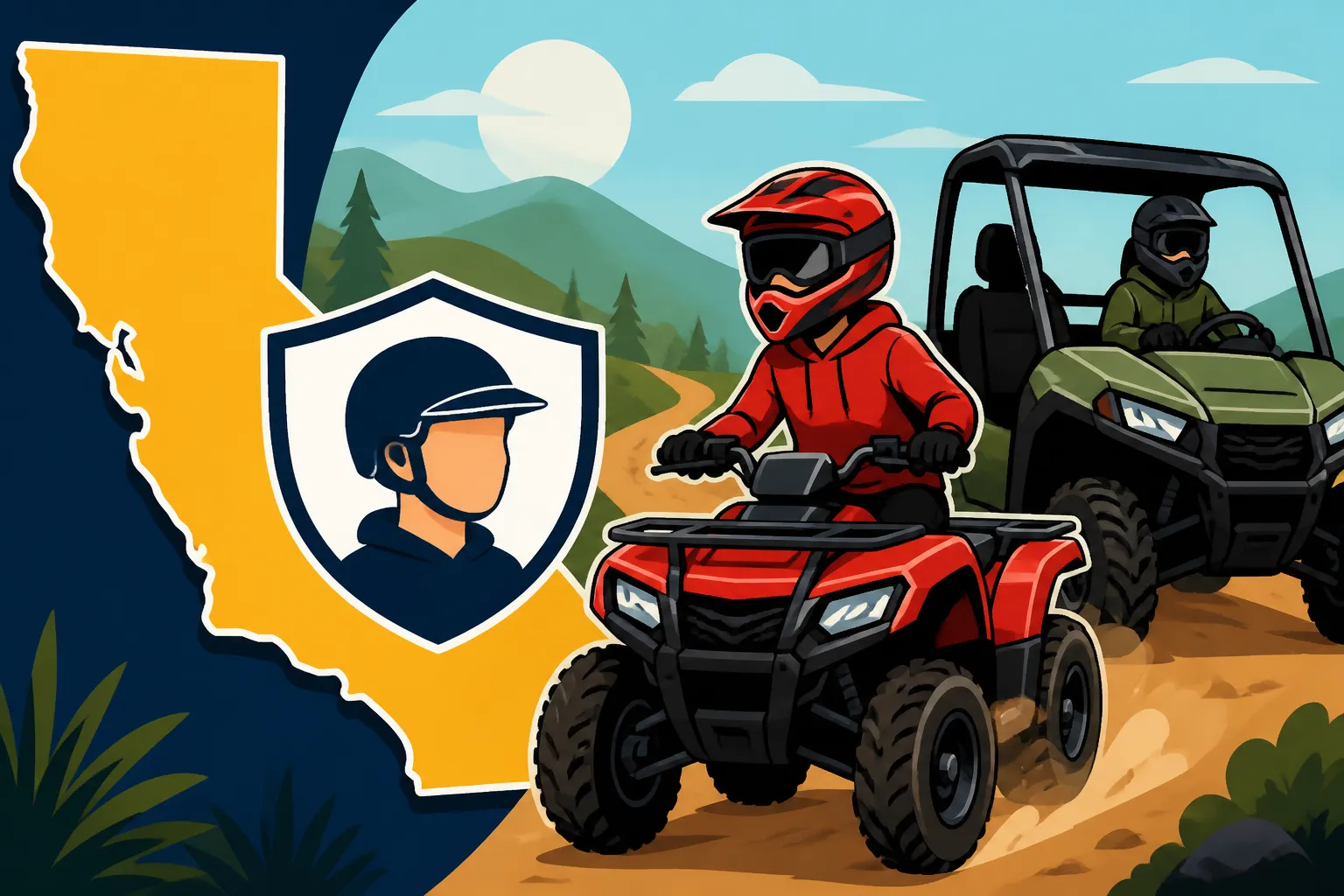
For anyone under 18 years of age operating an OHV on public land, possessing a valid ATV Safety Certificate is mandatory. This certificate is obtained by completing an approved safety course. These courses cover essential topics like safe riding practices, environmental awareness, basic maintenance, and emergency procedures. They're designed to instill good habits and responsible behavior from the start.
You can find approved courses through various providers, including some dealerships and private organizations. It's a hands-on experience that usually involves both classroom instruction and practical riding exercises. Think of it as driver's ed for the dirt. Even if your child is an experienced rider, the course often highlights nuances of safe operation that might not be obvious. Plus, it's a legal requirement. You can find more details about how to obtain one in [California ATV Safety Certificate Requirements].
The Role of Direct Supervision
For riders under 14 on an ATV, and operators under 16 in an ROV, the concept of "direct supervision" is paramount. This isn't merely about being in the same general area. The supervising adult must:
- Possess an ATV Safety Certificate: They need to be certified themselves to ensure they understand the best safety practices.
- Be Within Visual and Verbal Contact: This means being close enough to see the child at all times and to communicate instructions or warnings. This isn't always easy on a dusty trail or in a crowded dune area, so choosing appropriate riding conditions is also part of responsible supervision.
- Be Capable of Immediate Intervention: The adult must be able to stop and assist the child quickly if an issue arises. This often means riding their own OHV alongside the child, ready to react.
Neglecting these supervision requirements can not only put your child at risk but can also lead to fines for the supervising adult. It's a responsibility that California takes very seriously. [California Supervision Rules for Riders Under 14] delves deeper into these specific requirements.
What About Out-of-State Riders?
California is a popular destination for off-road enthusiasts from all over, and many families bring their OHVs from neighboring states. This often leads to questions about whether an out-of-state safety certificate is recognized in California. The good news is that California generally honors safety certificates issued by other states, provided they are approved by the ATV Safety Institute (ASI) or another recognized authority.
However, it's always a good idea to carry proof of certification with you, especially if it's from another state. A quick check with the California OHMVR Division website or a call to a local ranger station can confirm reciprocity if you're unsure. While an out-of-state plate might satisfy certain registration requirements, the safety certificate for minors is a separate, critical piece of the puzzle. For visitors, understanding [California Safety Certificate for Visiting Riders] is crucial before heading out.
Beyond Age and Certification: Other Important Rules for Young Riders
While age and safety certificates are primary concerns, California has other important rules that apply to young OHV riders on public land. These rules contribute to overall safety and responsible riding practices.
Helmets and Protective Gear
This one is non-negotiable: every person, regardless of age, operating or riding as a passenger on an OHV on California public lands must wear a safety helmet. The helmet must be approved by the U.S. Department of Transportation (DOT) and fit properly. This isn't just for kids; it's for everyone. While companies like SuperATV offer fantastic accessories for your UTV, a high-quality, properly fitted helmet is probably the most crucial piece of safety gear you can invest in for any rider, especially a young one.
Beyond helmets, appropriate protective gear is strongly recommended, including:
- Eye Protection: Goggles or a face shield to protect against dust, debris, and glare.
- Over-the-Ankle Boots: To protect feet and ankles from impacts and scrapes.
- Long Pants and Long-Sleeved Shirt: To guard against abrasions and sun exposure.
- Gloves: To improve grip and protect hands.
It might seem like a lot to put on, especially in warmer weather, but these items significantly reduce the risk of injury in a fall or collision. For specific helmet rules, check out [California Helmet Law for ATV Riders].
Passenger Rules for ATVs and ROVs
California law is very clear about passengers, particularly on ATVs. Single-rider ATVs are designed for one person only. Attempting to carry a passenger, especially a child, on a single-rider ATV is illegal and incredibly dangerous. These machines are not stable with two riders and can easily tip over.
For ROVs (side-by-sides), passengers are permitted, but only if the vehicle is designed and equipped by the manufacturer to carry multiple occupants. This means having factory-installed seats and seat belts for each passenger. All occupants, including children, must use the seat belts, and children must be properly secured in age-appropriate restraints if necessary. [California ATV Passenger Ban Explained] offers a deeper dive into why this rule is so stringent.
Choosing the Right Machine Size
While not a direct age restriction, choosing an OHV that is appropriate for a child's size and skill level is a critical safety factor. A child should be able to:
- Reach and operate the controls: This includes the throttle, brakes, and handlebars, without stretching or losing balance.
- Sit comfortably: With their feet flat on the footrests.
- Steer and maneuver: The machine effectively without excessive effort.
Many manufacturers offer youth model ATVs and UTVs specifically designed with smaller engines, lighter frames, and sometimes adjustable features to fit younger riders. It's always best to start small and allow a child to grow into a larger machine as their skills develop.
| Rider Age Group | Machine Type | Safety Certificate Required (Rider) | Supervising Adult Certificate Required | Direct Supervision Required | Passenger Rules |
|---|---|---|---|---|---|
| Under 14 | ATV | Yes | Yes | Yes | Not Permitted |
| 14-17 | ATV | Yes | No (but highly recommended) | No (but highly recommended) | Not Permitted |
| Under 16 | ROV | Yes | Yes | Yes | Permitted if manufacturer-designed |
| 16-17 | ROV | Yes | No (but highly recommended) | No (but highly recommended) | Permitted if manufacturer-designed |
Penalties for Non-Compliance
It's tempting to think that minor infractions might go unnoticed, but California OHV rangers and law enforcement officers are vigilant, especially when it comes to youth safety. Citations for violating age restrictions, lack of safety certificates, or improper supervision can result in fines for parents or guardians. More importantly, non-compliance puts your child at unnecessary risk.
Beyond the legal penalties, there's the moral obligation to ensure your child's safety. Off-roading is an incredible family activity, but it comes with inherent risks. Following the rules, getting proper training, and actively supervising young riders are the best ways to mitigate those risks and ensure everyone has a fun, safe, and memorable experience on California's trails. Remember, the goal isn't just to avoid a ticket; it's to keep your loved ones safe. For specific consequences, you might want to look into [California Fines for No OHV Sticker] and related penalty guides.
Final Thoughts for Parents
Navigating the rules for youth OHV riding in California can feel like a lot, but it’s all in the name of safety. Taking the time to understand these regulations, ensuring your child has the proper safety certificate, and committing to active supervision will set them up for a lifetime of responsible off-road enjoyment. From the vast deserts of the Imperial Sand Dunes to the wooded trails of Hollister Hills, California offers incredible opportunities for off-road adventure. By following these guidelines, you're not just complying with the law; you're investing in your child's safety and cultivating a respect for the sport and the environment. So gear up, get certified, and get ready to create some amazing memories on the dirt with your family!
Disclaimer
This article is for general informational purposes only and does not constitute professional advice. Laws, prices and regulations vary by location and change over time. Consult a qualified professional for guidance on your specific situation.