California Helmet Law for UTV Passengers
Trying to figure out all the ins and outs of California's off-highway vehicle (OHV) laws can be a real headache, and when it comes to keeping your passengers safe in a UTV, the rules can get particularly murky. It's a common question I hear on the trails: "Does my adult buddy in the passenger seat really need a helmet?" This guide is here to clear up that confusion, diving deep into California's helmet law for UTV passengers, detailing who needs to wear one, who gets an exemption, and what that truly means for your next adventure.
Deciphering California's Core Helmet Requirement for UTVs
When you first start looking into California's OHV regulations, it can feel like you need a legal degree just to understand where to begin. The core principle for helmets on public land in California is generally about protecting the rider, but the specifics change depending on the type of machine and, crucially, the age of the person. For UTVs, which California often refers to as Recreational Off-Highway Vehicles (ROVs), there's a specific set of guidelines that riders and passengers alike need to be aware of. It's not as simple as a blanket "everyone wears a helmet" rule, nor is it a free-for-all.
The Baseline Rule: Minors and Helmets
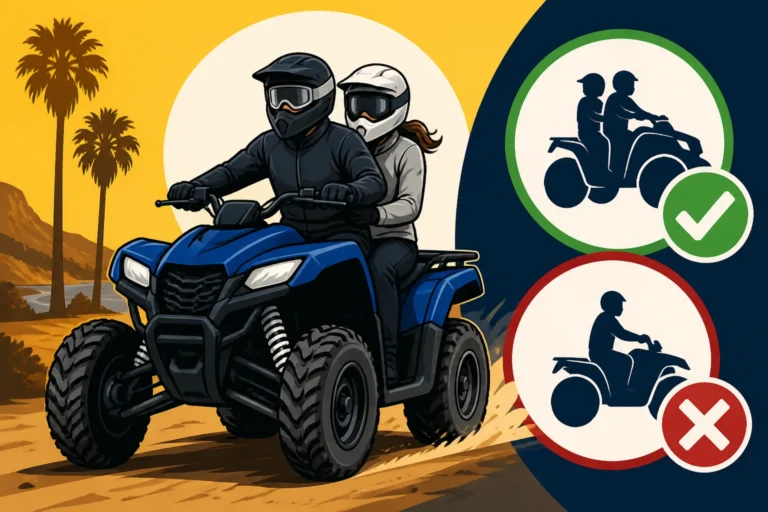
Let's start with the clearest rule: if your UTV passenger is under 18 years old, they absolutely must wear an approved safety helmet. There's no getting around this one on public lands in California. This isn't just a recommendation; it's a non-negotiable legal requirement designed to protect our youngest and most vulnerable riders. Think of it this way: the state is saying that if you're not old enough to vote, you're not old enough to make the call on head protection in an off-road vehicle. This applies whether they're sitting in the driver's seat (if they meet age and training requirements) or buckled into the passenger side.
This law is applied uniformly across all public OHV riding areas, from the vast expanses of the Imperial Sand Dunes (Glamis) to the technical trails of Hollister Hills. A ranger or law enforcement officer will not hesitate to issue a citation if they see a minor in your UTV without proper head protection. Believe me, I've seen it happen. It's not just about avoiding a fine, though; it's about safeguarding precious lives. A good quality, DOT-approved helmet can make all the difference in a rollover or unexpected impact, absorbing forces that would otherwise directly affect the brain. Always ensure the helmet fits snugly and is securely fastened.
Why the Law Distinguishes Ages
You might wonder why there's such a stark difference in the law based on age. It largely comes down to perceived maturity, decision-making capacity, and physical development. Minors are generally considered to have less developed judgment and a greater susceptibility to serious injury in an accident compared to adults. The law aims to provide an extra layer of protection for them. For example, a minor might not instinctively brace themselves in the same way an adult would during an unexpected maneuver, or they might not fully appreciate the risks involved.
Moreover, the statistics on head injuries in OHV accidents often show a higher incidence and severity among younger riders. By making helmets mandatory for anyone under 18, California is taking a proactive stance to mitigate these risks. It's a way of saying, "We understand the thrill of off-roading, but safety for our youth is paramount." So, when you're planning your family outing, always double-check the helmets for all your younger passengers. It’s part of responsible off-roading, just like making sure your machine is properly registered with a [California's Green Sticker Explained] or [California Red Sticker Rules Today].
The Specifics of the Recreational Off-Highway Vehicle (ROV) Helmet Waiver
Now, here's where the nuance really comes into play. While the "under 18, always a helmet" rule is firm, California does offer a significant waiver for adult passengers and operators of certain UTVs, specifically those classified as Recreational Off-Highway Vehicles (ROVs). This waiver acknowledges the inherent safety features built into modern UTVs that distinguish them from traditional ATVs or dirt bikes. It's a key difference that often trips up riders who are new to UTVs or are used to riding other types of OHVs. Understanding this waiver is crucial for any adult planning to ride shotgun in a side-by-side on public land.
Who Can Ride Without a Helmet in an ROV
For adults aged 18 and older, California Vehicle Code Section 38505 allows for an exemption from the helmet requirement when operating or riding as a passenger in an ROV, provided certain conditions are met. This means if you're an adult riding in a UTV that qualifies as an ROV, you generally do not need to wear a helmet. This is a big departure from the rules for traditional ATVs, where helmets are always mandatory for all riders, regardless of age. If you're coming from an ATV background, this is one of the most important distinctions to grasp. You can read more about it in [California Helmet Law for ATV Riders].
The spirit of this waiver is to recognize the enclosed, cage-like structure of most UTVs, which offers a degree of protection similar to a passenger vehicle. However, this isn't an automatic pass. The exemption hinges entirely on the UTV meeting the definition of an ROV and having the appropriate safety equipment in place, which we'll dive into next. So, while it offers a bit more freedom for adult riders, it also places the responsibility squarely on you to ensure your vehicle is compliant. Always remember that even with the waiver, wearing a helmet is still an option, and for many, a preferred one, especially in high-risk riding conditions.
Defining an ROV for the Purpose of the Helmet Waiver
The critical piece of this puzzle is understanding what California considers a Recreational Off-Highway Vehicle (ROV) that qualifies for the adult helmet waiver. An ROV, as defined by the California Vehicle Code, is a motor vehicle that meets all of the following criteria:
- It is designed for operation off of the highway by an operator and one or more passengers.
- It has a roll cage or similar permanent occupant protective structure.
- It has a seating arrangement that allows the operator and all passengers to sit in seats that are not straddle seats.
- It has a steering wheel for steering control.
- It has seat belts or safety harnesses for the operator and all passengers.
Most modern side-by-sides (UTVs) like a Polaris RZR, Can-Am Maverick, or Yamaha YXZ fit this description. The key elements here are the roll cage, which provides structural integrity in a rollover, and the seat belts or harnesses, which keep occupants secured within that protective structure. This is directly addressed in topics like [Cage, Belts and the Helmet Waiver]. Without these features, even if your machine looks like a UTV, it might not qualify for the waiver, and you (and your adult passengers) would still be legally required to wear helmets. Therefore, before hitting the trails, ensure your UTV is equipped with factory-installed or properly installed aftermarket seat belts and a robust roll cage. Companies like SuperATV offer a range of accessories, from full cages to harness bars, that can enhance your vehicle's safety features, ensuring it meets these important requirements.
| Passenger Age | Vehicle Type | Helmet Required (Public Land) | Conditions for No Helmet (Adults) |
|---|---|---|---|
| Under 18 | ATV | Yes | N/A (Always required for minors on ATVs) |
| Under 18 | ROV (UTV) | Yes | N/A (Always required for minors in UTVs) |
| 18 and Older | ATV | Yes | N/A (Always required for adults on ATVs) |
| 18 and Older | ROV (UTV) | No | ROV must have a roll cage, seatbelts/harnesses, and a steering wheel. |
Practical Considerations and Beyond Legal Compliance
While understanding the letter of the law is essential, responsible off-roading goes beyond simply complying with regulations. The desert, mountains, and dunes of California can be unpredictable, and even the safest UTV can encounter unforeseen circumstances. Thinking proactively about safety, especially for your passengers, is always the smart move. You're not just protecting yourself; you're ensuring everyone has a memorable and safe experience.
Equipment for Safety: Beyond the Roll Cage
Even if your UTV fully qualifies for the adult helmet waiver, there's a world of additional safety equipment that can significantly enhance passenger protection. Think about a proper four- or five-point harness instead of just a standard three-point seat belt. These harnesses keep occupants far more secure in their seats during aggressive driving, sudden stops, or rollovers, reducing the chance of being jostled around or even ejected. Many riders upgrade to these for a reason.
Another often-overlooked item is a high-quality windshield, which can protect occupants from flying debris, branches, or even mud. While not legally required for the helmet waiver, it's a huge comfort and safety upgrade. Roof kits, like those available from SuperATV, can provide additional protection from sun, rain, and minor overhead impacts, although they shouldn't be mistaken for a full rollover protective structure. And let's not forget the basics: gloves to protect hands, eye protection even with a windshield (dust and glare can be fierce), and appropriate clothing to guard against abrasions and sun exposure. Being prepared for the environment you're riding in is just as important as the vehicle's features. Always carry a first-aid kit, water, and communication devices, too.
When the Waiver Doesn't Apply: Exceptions and Gray Areas
It's important to remember that the ROV helmet waiver applies specifically to public lands. If you're riding on private property, the landowner's rules might supersede or add to state laws. Always clarify private land rules before you ride. Furthermore, the waiver assumes you're operating the ROV in a safe and responsible manner. If a law enforcement officer observes reckless behavior, they could still cite you for other infractions, regardless of your helmet status. It's also critical to distinguish between a true ROV and other modified vehicles. Some custom builds or older machines might not meet the strict definition of an ROV, even if they have a cage and seat belts. When in doubt, it's always safer to wear a helmet, or consult with an expert to verify your vehicle's classification.
Another crucial point: the waiver doesn't magically make you immune to injury. Even a minor bump to the head can cause serious problems, especially if you're hitting your head on the roll cage or another interior component. The waiver is about legal compliance, not necessarily optimal safety. Consider the specific conditions you're riding in: high-speed desert runs, rocky technical trails, or crowded dune environments like those you might find at Glamis or Ocotillo Wells. These all present different levels of risk. For more on safe riding, check out [California Rules for Riding With Kids on Board] or [California Seat Belt Rules in a UTV].
Making the Smart Choice: Prioritizing Passenger Safety
Ultimately, while the law provides a baseline, the decision to wear a helmet as an adult UTV passenger often comes down to personal choice and risk assessment. For many seasoned riders, the peace of mind that comes with wearing a helmet, even when not legally required, is invaluable. Helmets protect against not just major impacts but also minor bumps, scrapes, and even just the elements – dust, sun, and wind.
When you're the driver, you're responsible for the safety of everyone in your vehicle. That means not only ensuring legal compliance but also fostering a safety-first mindset. Encourage your passengers to wear helmets, especially if they are new to off-roading or if you're tackling challenging terrain. Investing in good quality helmets for all your riding buddies, even if they're adults, is a wise move. It’s an extension of the same responsible approach you'd take with maintaining your machine or understanding fees like [California OHV Late Registration Penalty]. A safe ride is a fun ride, and ensuring all your passengers are protected is the best way to guarantee everyone comes home with smiles, not scrapes.
Disclaimer
This article is for general informational purposes only and does not constitute professional advice. Laws, prices and regulations vary by location and change over time. Consult a qualified professional for guidance on your specific situation.