Helmets Even for Adults on Public Land
It's a common thought, especially among experienced riders or those coming from states with different rules, that adults might be exempt from wearing a helmet when riding an ATV or UTV on public land in California. The reality, however, is far more nuanced, and failing to understand the specifics can lead to fines, citations, and worse, serious injury. This guide will clarify California's helmet laws for adults on public OHV land, highlight the critical exceptions, and empower you to ride safely and legally.
The Core California Helmet Law for OHV Riders
When you're out enjoying California's incredible network of OHV trails, state vehicular recreation areas, or vast stretches of BLM land, safety is always the priority. And right at the top of the safety list, for most situations, is a helmet. There's often a bit of confusion, particularly with adult riders who feel they should have the discretion, but California's law is quite clear.
Universal Requirement for All Ages
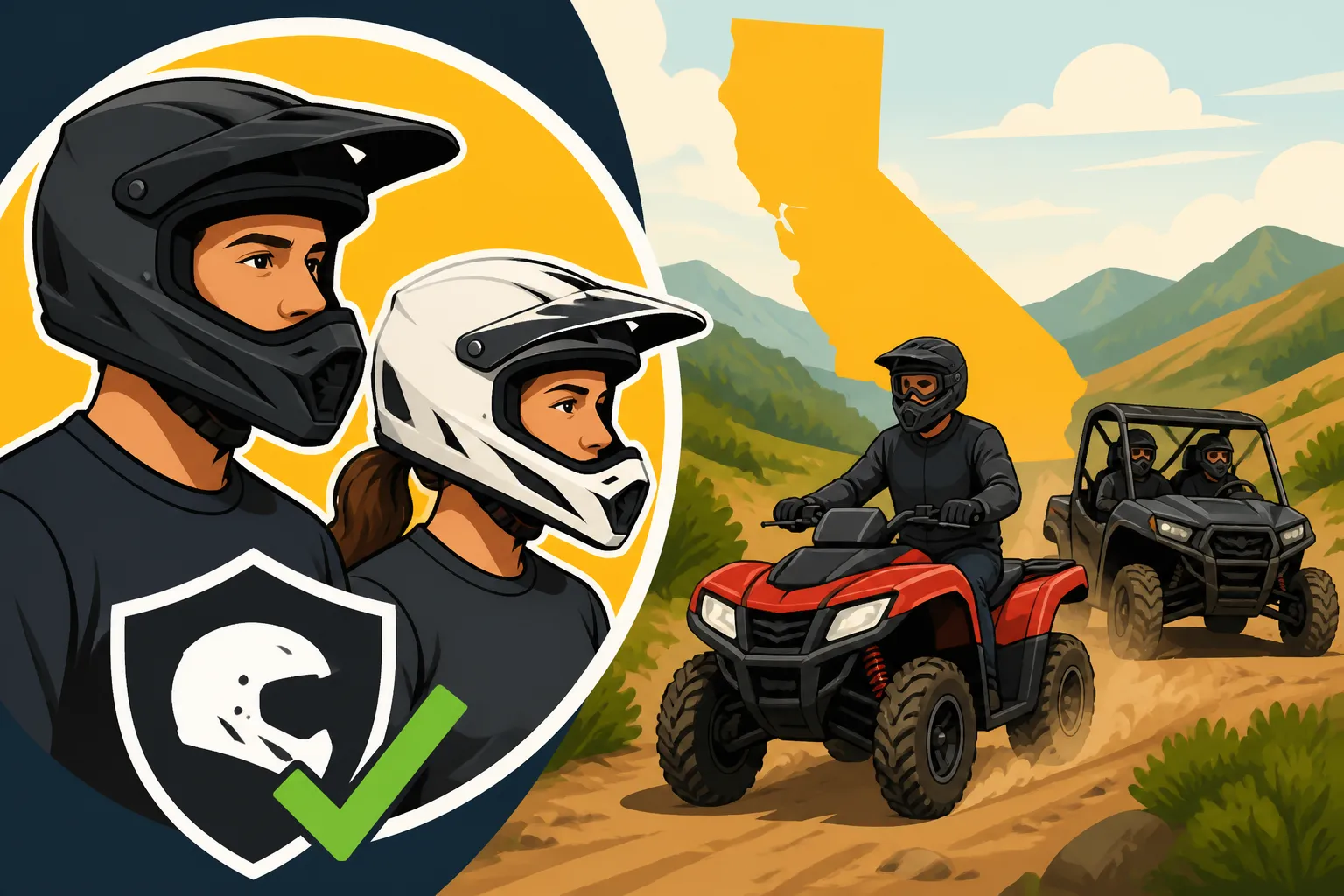
Let's cut right to it: for the vast majority of off-highway vehicle (OHV) riding on public land in California, helmets are required for everyone, regardless of age. This isn't just a suggestion; it's the law. The state's vehicle code mandates that any person, driver or passenger, riding an all-terrain vehicle (ATV) on public lands must wear a safety helmet. This rule is designed to protect riders from head injuries, which are tragically common in off-road accidents, even at low speeds or during seemingly minor tumbles. Think about the unpredictable terrain – rocks, sudden dips, unexpected turns, or even just losing balance on a hill climb. A helmet provides a crucial layer of protection, absorbing impact and reducing the risk of severe trauma. It doesn't matter if you're a seasoned veteran with thousands of miles under your belt or a first-timer; the requirement stands. This is why you'll always see rangers and law enforcement checking for proper helmets at entry gates and throughout riding areas.
Defining "Public Land" in California OHV Context
So, what exactly constitutes "public land" where these helmet laws apply? In California, this refers to any land that is open for public use, managed by federal, state, or local agencies. This includes the popular State Vehicular Recreation Areas (SVRAs) like Ocotillo Wells, Hungry Valley, or Hollister Hills. It also covers vast tracts of Bureau of Land Management (BLM) land, such as the Imperial Sand Dunes (Glamis), as well as designated trails and routes within National Forests, like those found in the Inyo or San Bernardino National Forests. Essentially, if you're not riding on your own private property or property where you have explicit permission to ride without a helmet, you're on public land and subject to these rules. The goal is consistent safety standards across all accessible off-road recreational areas, ensuring that everyone who ventures out is afforded the same basic level of protection. Understanding where you're riding is just as important as knowing the rules for that specific area. You can find more details on general safety for different vehicle types in [California Helmet Law for ATV Riders] and [California Helmet Law for UTV Passengers].
What Type of Helmet is Required?
It's not enough to just wear any helmet; it has to be a proper safety helmet. California law specifies that the helmet must be designed for off-highway vehicle use and be properly fitted and fastened. More importantly, it must be approved by the United States Department of Transportation (DOT). You'll typically find a small DOT sticker on the back of any compliant helmet. This certification means the helmet has met rigorous safety standards for impact absorption, penetration resistance, and retention system strength. You'll want to avoid novelty helmets or those designed for other sports, as they simply won't offer the same level of protection. When choosing a helmet, make sure it fits snugly but comfortably, without obstructing your vision. It should not move freely on your head when you shake it, and the chin strap should always be securely fastened. A full-face helmet with a visor is often recommended for maximum protection against debris, sun, and wind, though goggles can be worn with an open-face or motocross-style helmet. Remember, a helmet's effectiveness is severely compromised if it's not the right type, not properly fitted, or not securely fastened.
Specific Scenarios and Exceptions to the Helmet Rule
While the general rule is "helmet on, no matter what," California does recognize a very specific exception for certain types of off-highway vehicles. This particular nuance is where a lot of the confusion comes in, and it's absolutely crucial to understand the exact conditions under which this exception applies.
The ROHV Helmet Waiver for Adults
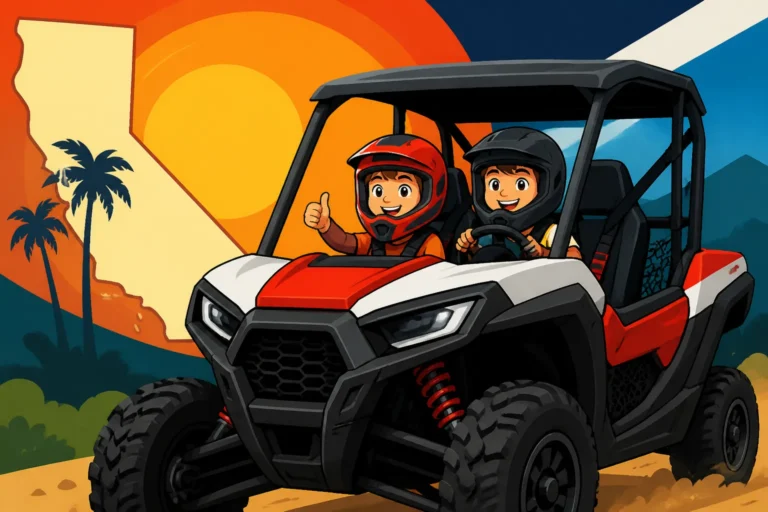
Here's the big exception that often gets misunderstood: California's Vehicle Code offers a waiver from the helmet requirement for adults (18 years and older) operating or riding as passengers in a "Recreational Off-Highway Vehicle" (ROHV) under very specific conditions. What is an ROHV? Think side-by-sides, UTVs, or certain recreational buggies that come equipped from the factory with a roll cage and seat belts.
For an adult to legally skip the helmet in an ROHV, all of these conditions must be met:
- Age Requirement: The operator and all passengers must be 18 years of age or older. Minors (under 18) are always required to wear a helmet, regardless of the vehicle type or safety features.
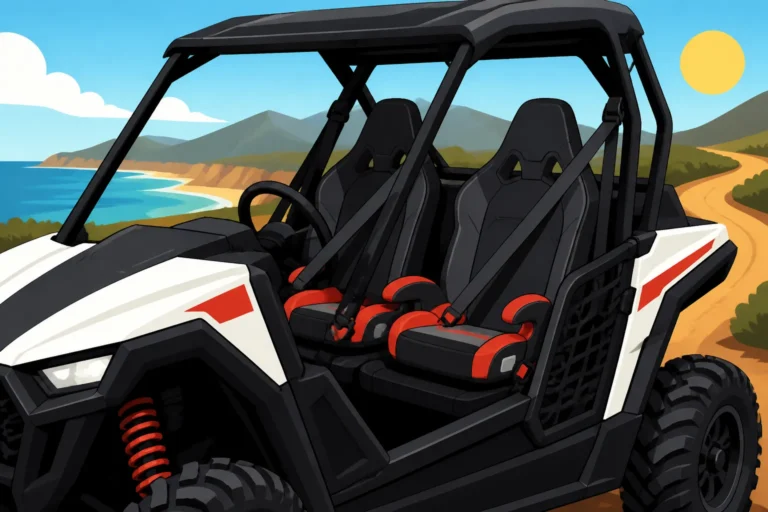
- Factory Roll Cage: The ROHV must be equipped with a securely mounted roll cage or other rollover protection system that was installed by the vehicle's manufacturer. This isn't something you can just bolt on in your garage; it needs to be part of the original design for the waiver to apply.
- Seat Belts: All occupants must be properly secured by a safety belt or harness system provided by the manufacturer. These factory seat belts are critical.
- Enclosed Seating: The vehicle must have a seat that is designed to contain the driver and any passengers within the lateral limits of the vehicle's body. This typically means bucket seats or bench seats within the confines of the vehicle's frame and roll cage.
If even one of these conditions isn't met—say, a passenger is 17 years old, or the vehicle's roll cage is an aftermarket addition that wasn't factory-installed, or someone isn't buckled in—then everyone in that ROHV is legally required to wear a DOT-compliant helmet. This waiver is a very specific carve-out for particular vehicles and situations, and it does not, under any circumstances, apply to ATVs. For more on this, you can refer to [California's ROHV Helmet Waiver for Adults]. Companies like SuperATV offer a huge range of UTV accessories, from windshields to doors and upgraded harnesses, which can enhance safety and comfort. While these additions are fantastic for general protection and enjoyment, remember that the factory-installed roll cage and seatbelts are the ones that dictate eligibility for this specific helmet waiver.
When the Waiver Doesn't Apply: ATVs and Open-Top Machines
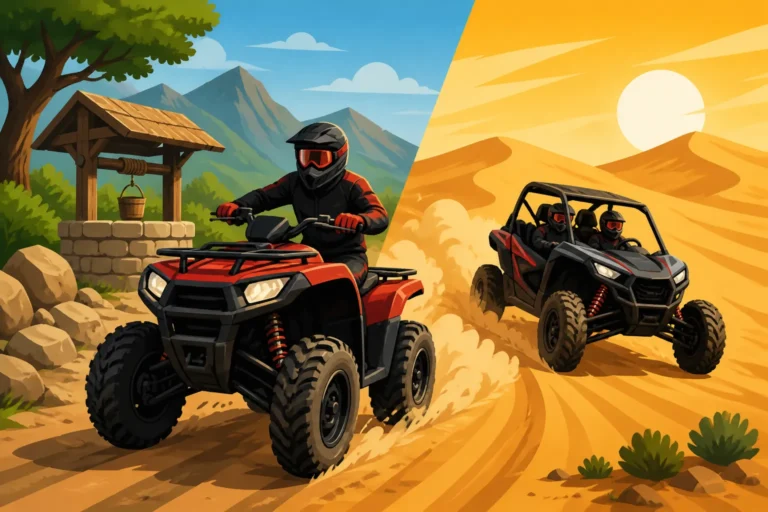
It's absolutely critical to understand that the ROHV helmet waiver is not a blanket exemption for all off-road vehicles. If you're on a traditional ATV, which means a quad designed for a straddle seating position with handlebars, you must always wear a helmet, regardless of your age or experience. There is no waiver, no exception, and no scenario where an adult riding an ATV on California public land can legally forgo a helmet. This is due to the inherent design of ATVs, which offer no roll-over protection or seat belts to contain the rider during an accident. The rider is completely exposed, making a helmet the primary defense against head injuries.
Similarly, other open-top machines that don't meet all the strict factory-installed roll cage and seat belt criteria of an ROHV will also require helmets for all occupants. This might include older buggies, custom builds, or machines where the original safety features have been removed or significantly altered. If your vehicle doesn't have those essential manufacturer-installed safety systems, then you're back to the universal helmet rule. Always assume a helmet is required unless you can definitively check off every single point of the ROHV waiver for adults over 18. When in doubt, wear the helmet; it’s the safest and most legally compliant option.
The Importance of Seat Belts and Roll Cages
The existence of the ROHV helmet waiver underscores the profound importance of integrated safety features like seat belts and roll cages. These components are designed to work in concert, creating a "safety cell" around the occupants. The roll cage's primary function is to maintain a survival space in the event of a rollover, preventing the vehicle from collapsing onto the occupants. The seat belts, in turn, are crucial for keeping occupants securely within that survival space, preventing ejection from the vehicle during an impact, rollover, or sudden stop. Without seat belts, occupants can be thrown from the vehicle, often striking the ground or parts of the vehicle itself, leading to severe injuries, even with a roll cage in place.
This combination of protection is what sets ROHVs apart from ATVs in the eyes of California law regarding helmets. It's a recognition that while helmets are paramount for exposed riders, a well-engineered containment system can offer a different, but still substantial, layer of protection. For UTV owners looking to enhance their vehicle's safety beyond the factory standard, accessories from a brand like SuperATV can provide additional peace of mind. While aftermarket upgrades don't change the waiver's reliance on factory equipment, items like five-point harness systems, stronger doors, or even full windshields contribute to overall occupant safety, ensuring you and your passengers are as protected as possible, whether wearing a helmet or utilizing the specific ROHV waiver. Always make sure everyone is securely buckled in before you even start the engine.
| Vehicle Type | Rider Age | Helmet Required? | Waiver Conditions (if applicable) |
|---|---|---|---|
| ATV (Quad) | Any | Yes | No waiver or exceptions. |
| ROHV (UTV/Side-by-Side) | Under 18 | Yes | No waiver for minors. |
| ROHV (UTV/Side-by-Side) | 18+ | No (with waiver) | 1. Vehicle has factory-installed roll cage. 2. All occupants are secured by factory-installed seat belts. 3. Seat is designed to contain occupants. |
| Custom/Open-Top OHV | Any | Yes | If it lacks factory roll cage/seat belts, a helmet is always required. |
Enforcement, Fines, and Best Practices for Rider Safety
Understanding the rules is one thing, but knowing how they're enforced and, more importantly, embracing a comprehensive safety mindset, is truly what makes for a responsible and enjoyable off-roading experience in California.
What to Expect from Rangers and Law Enforcement
When you're riding on public lands in California, be prepared for encounters with law enforcement, which could include rangers from State Parks, BLM, or even local sheriffs. They are there to ensure safety and compliance with the law. Helmet checks are a routine part of their duties, especially at entry points to SVRAs like Oceano Dunes or at checkpoints in popular areas like Glamis. A ranger will typically look for a DOT certification sticker on your helmet and ensure it appears to be properly fitted and fastened. If you're riding an ROHV and claiming the adult helmet waiver, they will verify that all occupants are 18 or older, securely buckled into factory-installed seat belts, and that the vehicle indeed has its manufacturer-provided roll cage.
If you or your passengers are found to be in violation of the helmet law, you can expect to receive a citation. While I can't give specific figures, these fines can be significant, and nobody wants their fun day on the trails to end with a costly ticket. Repeated offenses or blatant disregard for safety rules can lead to more serious consequences. The enforcement is there not to ruin your day, but to prevent accidents and serious injuries. Knowing [What a Ranger Checks at Hollister Hills] or any other SVRA can help you be prepared.
Beyond the Helmet: Other Essential Safety Gear
While a helmet is undeniably one of the most critical pieces of safety equipment, it's just one part of a comprehensive safety strategy when riding an OHV. To truly minimize risks and maximize enjoyment, you should always consider a full range of protective gear. This includes:
- Eye Protection: Goggles are essential, even with a full-face helmet. They protect your eyes from dust, debris, insects, and branches. Look for anti-fog and UV-protected lenses.
- Gloves: Proper riding gloves protect your hands from blisters, impacts, and offer a better grip on the handlebars.
- Long-Sleeve Shirt and Pants: Durable clothing, preferably made for riding, will protect your skin from scrapes, abrasions, and sun exposure. Avoid shorts and t-shirts, which offer minimal protection.
- Over-the-Ankle Boots: Sturdy boots protect your feet and ankles from impacts and offer crucial support, especially for ATV riders who use their feet for balance.
- Chest Protector/Body Armor: Especially for ATV riders or those tackling more aggressive terrain, a chest protector, back protector, or full body armor can prevent injuries to the torso and spine.
- First Aid Kit: Always carry a well-stocked first aid kit suitable for minor injuries that might occur on the trail.
- Communication Device: A fully charged cell phone (though service can be spotty in remote areas) or a satellite messenger can be a lifesaver in an emergency.
- Water and Snacks: Dehydration and low energy can impair judgment, leading to accidents. Carry plenty of water and energy-rich snacks, especially on longer rides or in warm weather.
Remember, a mishap can happen to anyone, anywhere, at any time. Being prepared with the right gear significantly reduces the severity of potential injuries and can make a huge difference in an emergency.
Educating Yourself and Your Riding Group
The best defense against accidents and citations is knowledge and preparedness. Before you head out on any California public land, take the time to thoroughly familiarize yourself with the specific rules and regulations for that area. Check the website of the managing agency (e.g., California State Parks, BLM, National Forest Service) for any specific local rules, closures, or conditions.
Consider taking an OHV safety course. California encourages all riders, especially those under 18, to complete an approved ATV Safety Institute (ASI) or ROHV Association (ROHVA) course. While adults might not be legally required to have a [California ATV Safety Certificate Requirements], these courses provide invaluable hands-on training, teach proper riding techniques, and cover critical safety information. They are highly recommended for riders of all skill levels. You can learn more about how [California Rules for Riders Under 18] differ.
Finally, set a good example for your riding group. Insist that everyone understands and follows the rules, especially regarding helmets and other safety gear. Peer pressure can be powerful, and fostering a culture of safety benefits everyone on the trail. Explain the "why" behind the rules, focusing on injury prevention, rather than just compliance. Whether you're riding a dirt bike, a quad, or a UTV, safety should always be your number one priority.
Disclaimer
This article is for general informational purposes only and does not constitute professional advice. Laws, prices and regulations vary by location and change over time. Consult a qualified professional for guidance on your specific situation.