Osborne Overlook and Vehicle Access
The roar of engines, the spray of sand, and the thrill of open dunes – it's a dream for many off-road enthusiasts. But getting to those iconic spots, like the famous Osborne Overlook in California's Imperial Sand Dunes, often comes with questions about exactly where you can go and what you need to have. This guide will cut through the confusion, helping you understand vehicle access, regulations, and essential preparation for visiting Osborne Overlook and enjoying the surrounding Glamis riding area.
Understanding Osborne Overlook's Place in the Dunes
Osborne Overlook isn't just any spot in the vast Imperial Sand Dunes Recreation Area (ISDRA); it's a legendary landmark, a place where memories are made, and countless photos are snapped. If you've ever seen those breathtaking shots of dune buggies and ATVs stretching across endless sand, chances are many of them were taken from or inspired by the views at Osborne.
The Iconic View and Its Significance
Picture this: you've been riding the rollers and bowls of Glamis all day, your machine humming, the sun warm on your face. As you climb a particularly tall dune, you crest the top, and there it is – a sweeping vista of golden sand stretching to the horizon, dotted with thousands of other off-roaders, tiny specks against the massive landscape. That's the magic of Osborne Overlook. It offers one of the most commanding and panoramic views of the main Glamis riding area, including Oldsmobile Hill and the vast dune fields beyond. It's a natural gathering spot, a place to take a break, enjoy a picnic, and simply soak in the sheer scale of the desert playground. For many, reaching Osborne Overlook is a kind of pilgrimage, a must-do on any Glamis trip. It truly puts into perspective the immense scale of the [Imperial Sand Dunes, California's Biggest Dune Field].
Location Within the Imperial Sand Dunes
Osborne Overlook is nestled within the sprawling Imperial Sand Dunes Recreation Area (ISDRA), which is managed by the Bureau of Land Management (BLM). This massive recreation area is the largest dune complex in California and a mecca for off-road enthusiasts from all over. While Glamis is often used as a general term for the entire area, it specifically refers to the more heavily developed northern part of the ISDRA. Osborne Overlook sits prominently within this northern section, making it a central point of interest. It's accessible from various entry points, but most riders will approach it from the popular Gecko Road or the general Glamis flats area. Understanding its location within this broader landscape is key to planning your ride, as the entire ISDRA has specific rules and regulations that apply.
Navigating Vehicle Access to Osborne Overlook
When you're eyeing a trip to Osborne Overlook, one of the biggest questions is, "How do I get my machine there?" Unlike some trail systems with clearly marked roads leading directly to viewpoints, accessing Osborne Overlook means you're largely navigating the open dune environment. This comes with its own set of rules and considerations for your vehicle.
Riding the Dunes to Reach the Overlook
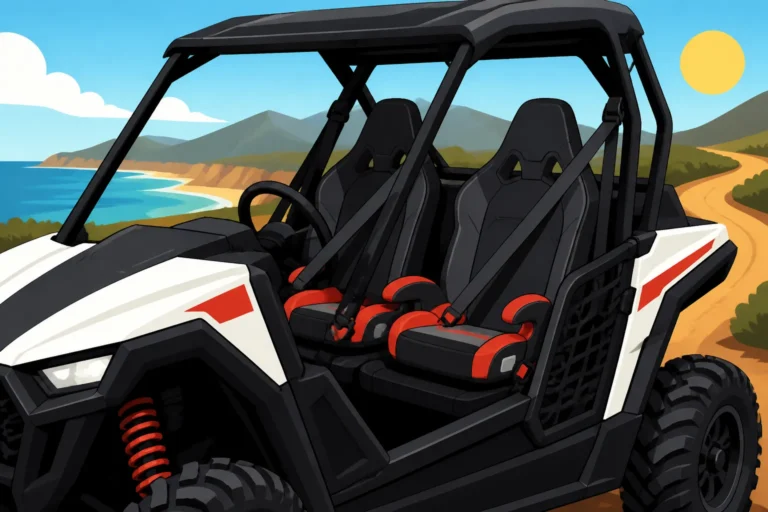
The primary way to reach Osborne Overlook is by riding your off-highway vehicle (OHV) directly across the dunes. There isn't a paved road that takes you right up to the top, nor is there a designated "overlook parking lot" in the traditional sense. This means your ATV, UTV, dirt bike, or sand rail needs to be properly equipped and registered for dune riding. You'll be traversing soft sand, climbing steep faces, and navigating bowls, so having a capable machine is paramount. It’s an adventure in itself just getting there! You'll often find yourself following the tracks of other riders, or if you're experienced, picking your own path. Just remember that while it feels like wide-open freedom, you're still within a regulated recreation area.
Road vs. Sand Access and Parking Considerations
While the immediate area of Osborne Overlook is sand, there are paved and maintained gravel roads that lead into the broader Glamis area. For instance, Gecko Road, Highway 78, and Buttercup Road are major arteries for getting your tow vehicle and trailer into the ISDRA. Once you're off these main roads and have unhooked your OHV, you'll be on the sand. There are designated camping areas along Gecko Road and other entry points where you can park your truck and trailer. From there, you'll stage your OHV and begin your ride into the dunes. There are no "parking spots" at Osborne Overlook itself; riders simply pull up on the sand at the top, enjoy the view, and often socialize before continuing their ride. Always ensure your tow vehicle and trailer are parked legally and safely, especially during busy weekends, as Rangers actively patrol these staging areas. For instance, [Camping at Gecko Road] offers direct access to the dunes and is a popular staging ground.
Essential Gear and Rules for Riding Near Osborne Overlook
California's Imperial Sand Dunes are an amazing place, but they're also a highly regulated environment. To ensure your safety and avoid a hefty citation, it's absolutely crucial to have the right gear and understand the rules, especially when riding to popular spots like Osborne Overlook. Don't let a lack of preparation cut your trip short!
Mandatory Safety Gear and Vehicle Requirements
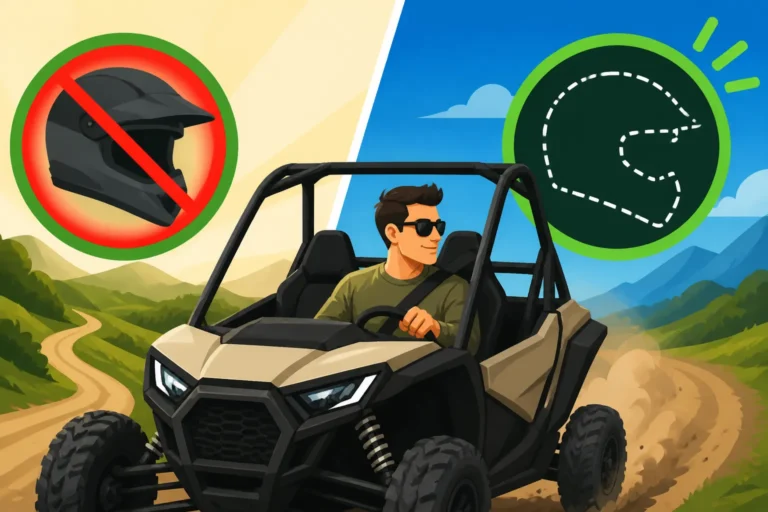
First and foremost, let's talk about your machine and yourself. Helmets are not optional; they are required for all riders and passengers, regardless of age, when operating an OHV on public lands in California, unless you're in an enclosed, roll-over protective structure (ROPS) equipped UTV (and even then, check specific park rules – it's often safer to wear one anyway!). Your machine also needs a proper spark arrester, which prevents wildfires, especially crucial in the dry desert environment. Seriously, no spark arrester means no riding. You'll want to check out [California Spark Arrester Rules] to make sure you're compliant.
For dune riding, specifically, there's another non-negotiable item: a whip flag. This is a bright orange or red flag, typically at least 6×12 inches, mounted on a pole that extends at least 8 feet from the ground to the flag's tip when your vehicle is on level ground. This helps other riders see you over the crest of a dune, preventing dangerous collisions. It's a lifesaver in the often crowded dunes. [California Dune Flags and Whips] goes into more detail about these requirements.
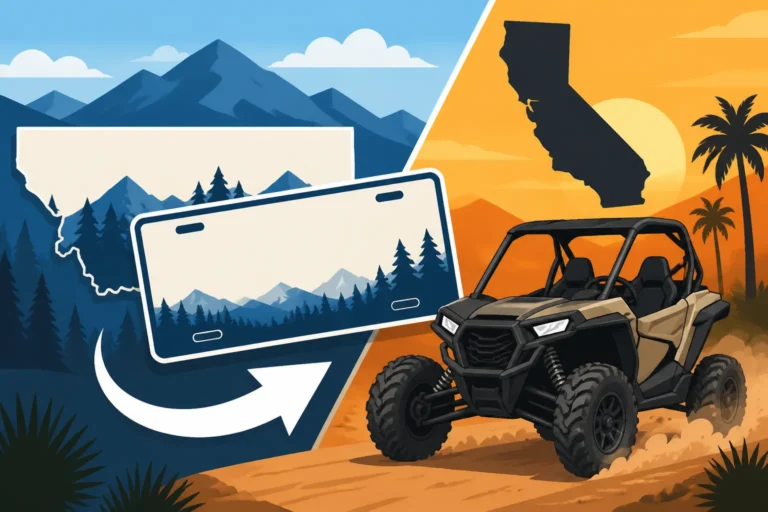
Finally, your OHV must be properly registered. If you're a California resident, this means having either a Green Sticker, Red Sticker, or Tan Sticker displayed on your machine. If you're visiting from out of state, you'll likely need a California Nonresident OHV Use Permit, unless your home state has specific reciprocity with California (which, honestly, is rare and limited to just Oregon and Nevada for OHV stickers). For everyone else, including Arizona, Utah, and other popular OHV states, you'll need that permit. I've seen too many folks from out of state get turned around at checkpoints because they didn't have the right paperwork. You can learn more about [California's Nonresident OHV Use Permit] to avoid any issues.
Understanding Permits and Regulations in the ISDRA
Beyond your basic OHV registration, the Imperial Sand Dunes Recreation Area itself often requires additional permits, especially during peak season. These are separate from your OHV registration and help fund the maintenance and operation of the recreation area. You'll typically need to purchase an ISDRA permit, which can be weekly or seasonal, and is often displayed on your tow vehicle's windshield. Rangers are diligent about checking these permits at popular entry points like Gecko Road and during patrols.
It's also vital to be aware of other riding rules:
- Speed Limits: While it feels like the wild west out there, there are speed limits, especially in developed areas like vendor rows and busy camping zones. Slow down and be mindful of pedestrians.
- Noise Limits: California has strict noise limits for OHVs. Machines manufactured after January 1, 1998, must not exceed 96 decibels. Older machines (pre-1998) have a slightly higher limit of 101 decibels. Modified exhausts without proper baffles are a surefire way to attract a citation.
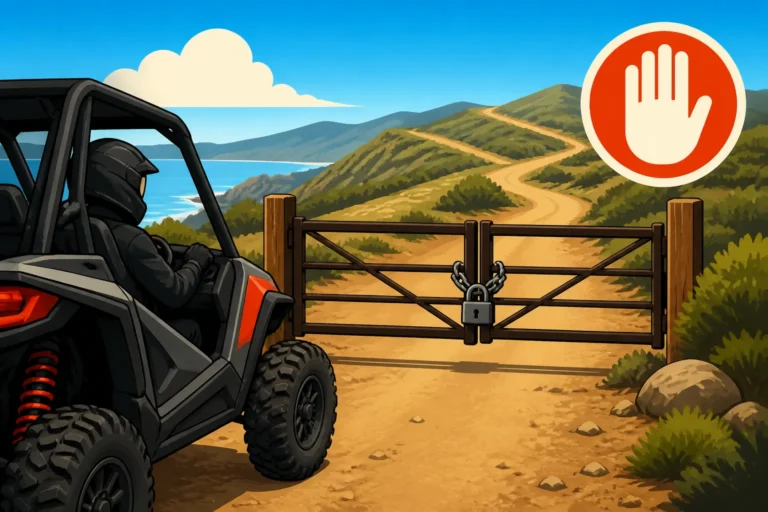
- Environmental Protection: Stick to designated riding areas. The desert ecosystem is fragile, and riding on closed routes or disturbing wildlife can lead to significant fines.
- Alcohol & Drugs: Operating an OHV under the influence of alcohol or drugs is illegal and extremely dangerous, with consequences similar to DUI on a paved road.
Staying informed about these rules, which are enforced by BLM Rangers and sometimes local law enforcement, is crucial for a fun and uninterrupted trip. Many riders opt for aftermarket parts from reputable brands like SuperATV to ensure their machines are well-maintained and compliant with these regulations, from robust roll cages to brighter lighting for visibility.
Here's a quick rundown of some critical items for your ISDRA trip:
| Item | Purpose | Notes |
|---|---|---|
| OHV Registration | Legal identification for your machine | Green, Red, Tan Sticker (CA residents) or Nonresident Permit |
| ISDRA Permit | Access fee for the Imperial Sand Dunes | Weekly or Seasonal, displayed on tow vehicle |
| Helmet | Head protection | Required for all riders/passengers (unless ROPS-equipped UTV) |
| Spark Arrester | Prevents wildfires | Mandatory for all OHVs on public land |
| Whip Flag | Visibility over dunes | At least 8ft tall, 6×12 inch flag |
| Sound-Compliant Exhaust | Meets noise limits | 96 dB for post-1998 machines, 101 dB for pre-1998 |
| Fire Extinguisher | Safety precaution | Recommended, especially for UTVs with fuel tanks or hot engines |
| Basic Repair Kit | For minor trailside fixes | Tire repair, tools, zip ties, duct tape |
Planning Your Trip to Osborne Overlook and Glamis
Visiting Osborne Overlook and the Imperial Sand Dunes is an experience unlike any other, but it requires a bit of thoughtful planning. While the freedom of the dunes is exhilarating, a little preparation goes a long way in ensuring a safe, enjoyable, and hassle-free adventure.
Best Times to Visit and Crowds
The riding season in Glamis typically kicks off in early October and runs through April, avoiding the scorching summer temperatures that can make desert riding unbearable and even dangerous. Weekends, especially holiday weekends like Thanksgiving, New Year's, and Presidents' Day, are legendary for their massive crowds. During these times, the dunes become a sprawling city of RVs, trailers, and thousands of OHVs. The atmosphere is electric, but it also means heavier traffic on the sand, longer lines at entry points, and a need for even greater vigilance regarding safety. If you prefer a quieter experience with fewer people, consider visiting on weekdays or during the shoulder seasons (October/November and March/April). I've found that early mornings offer the calmest conditions and the most pristine sand before the day's traffic churns it up. You can find more details about [Glamis From October to April] for a better understanding of the seasonal flow.
Camping, Amenities, and Staying Safe in the Dunes
Most visitors to Glamis set up camp right on the sand or in designated areas accessible from the main roads like Gecko Road. Camping is generally primitive, meaning no hookups for water or electricity, so you'll need to be self-sufficient. Bring plenty of water, food, and fuel for both your OHV and your camp. Generators are common, but be mindful of quiet hours. Trash facilities are available, and packing out everything you pack in is a must to keep the dunes beautiful.
When it comes to safety in the dunes, there are a few key considerations:
- Group Riding: Always ride with a buddy or in a group. The dunes can be disorienting, and if your machine breaks down, having support is crucial.
- Communication: Cell service can be spotty. Consider two-way radios or satellite communicators for reliable communication within your group.
- Sun Protection: The desert sun is intense. Wear sunscreen, a hat, and appropriate clothing to protect yourself from UV rays.
- Navigation: While it's easy to follow others, having a GPS or a mapping app on your phone can help you navigate back to camp, especially as the landscape changes with the wind and heavy use.
- Fuel & Maintenance: Carry extra fuel. Riding in sand is tough on machines and burns through fuel faster. Before each ride, do a quick check of your tires, oil, and other fluids. Carrying a basic tool kit and spare parts, like a tire repair kit or a drive belt for your UTV, can save you a long tow back to camp. Companies like SuperATV offer heavy-duty components that can withstand the rigors of dune riding.
- Emergency Services: Know how to contact emergency services (911) and be prepared to give clear directions based on landmarks or GPS coordinates.
By keeping these tips in mind, your trip to Osborne Overlook and the wider Glamis dunes will be an unforgettable adventure, leaving you with nothing but great memories and a desire to return. [Where to Ride an OHV in California] offers more general insights into the state's diverse riding areas.
Disclaimer
This article is for general informational purposes only and does not constitute professional advice. Laws, prices and regulations vary by location and change over time. Consult a qualified professional for guidance on your specific situation.