Inyo’s 10 Miles and Why They Lapsed
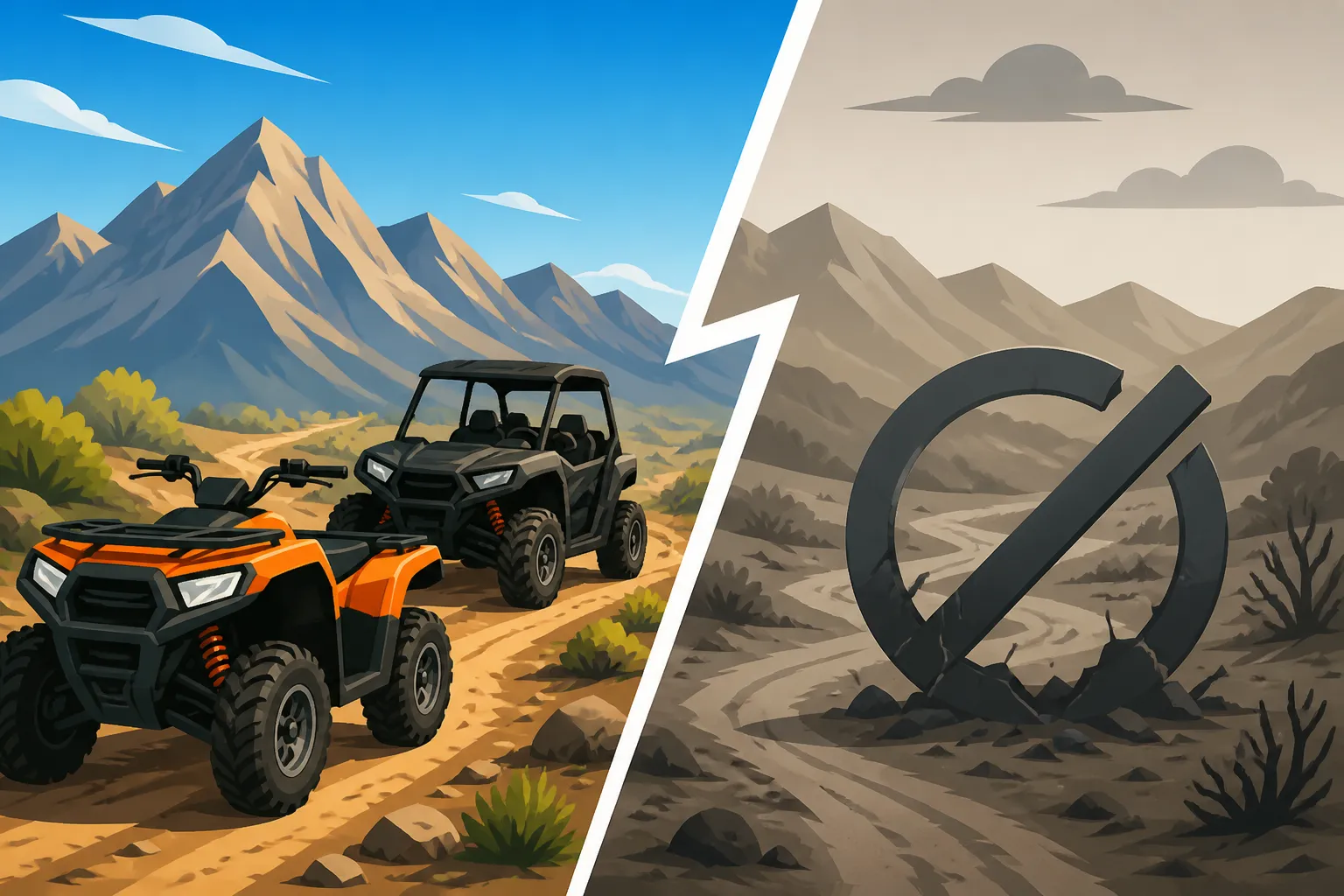
For a time, riders in California's scenic Inyo County had a glimpse of expanded off-highway vehicle (OHV) access, allowing them to connect directly from trails to local towns and amenities. It was a game-changer, fostering local tourism and providing a much-needed convenience for adventurers. However, this unique 10-mile pilot program eventually lapsed, leaving many riders wondering why and what it means for similar efforts across the state. This guide will walk you through the journey of Inyo's pilot program, explaining its purpose, its eventual sunset, and the broader implications for California's OHV community.
The Promise of Inyo County's OHV Pilot Program
Imagine hitting a dusty trail all day, the sun setting, and instead of having to trailer your machine miles back to a designated staging area to get food or lodging, you could just ride your UTV right into town. That was the dream that briefly became a reality for off-highway vehicle enthusiasts in Inyo County, California. This pilot program was a true beacon of hope for many who felt constrained by California's often-strict OHV road use regulations.
What Made the Inyo Program So Special?
The Inyo County pilot program was a groundbreaking initiative because it allowed for significantly extended combined-use routes, far beyond what is typically permitted in California. Normally, [California's 3-Mile Combined-Use Cap] applies to designated routes, allowing OHVs to travel a very limited distance on public roads to connect trail segments. This small window, while helpful, often wasn't enough to reach a gas station, a restaurant, or a hotel in a town that might be just a bit further down the road. The Inyo program dramatically expanded this, allowing up to 10 miles of designated combined-use routes. This meant riders could experience a much more integrated and convenient adventure, directly linking riding areas to essential services and local economies. It genuinely felt like a step forward in making California more accessible for OHV recreation.
The local community in areas like Bishop and Lone Pine saw the potential. Businesses could directly benefit from riders being able to access their shops and services without the hassle of loading and unloading. This program wasn't just about longer rides; it was about fostering local economies and creating a more seamless, enjoyable experience for visitors. For many, it represented a proactive and realistic approach to managing public lands and recreational access, striking a balance between preservation and recreation.
Connecting Trails to Town: A Rider's Dream
For riders, the ability to connect trails directly to towns was transformative. Think about spending a full day exploring the stunning landscapes around Bishop, perhaps riding trails in the nearby national forests. Under the pilot program, you could then take a designated route right into town for dinner, resupply, or even check into a hotel. This eliminated a significant logistical hurdle that often discourages riders from venturing too far from their staging areas. It also opened up opportunities for multi-day trips where riders could stay in different towns, truly exploring the region without constantly worrying about trailering. [Riding County Roads Around Bishop] and [Riding County Roads Around Lone Pine] became viable options for more than just getting to the trailhead.
This expanded access brought a new level of convenience and freedom. Riders equipped with quality accessories from brands like SuperATV, designed to enhance both performance and comfort on the trails, could truly enjoy their machines to their fullest, knowing that a quick and legal route to amenities was available. It allowed for more spontaneous trips and reduced the stress associated with complex logistics, making the overall experience much more appealing for families and groups. It fundamentally changed how riders could interact with the landscape and the communities within it, turning theoretical connections into tangible ones.
The Inevitable Sunset: Why the Program Had an Expiration Date
Despite its popularity and the tangible benefits it brought, the Inyo County pilot program was always operating under a specific time limit. This wasn't an oversight or a sudden change of heart; it was built into the very structure of the legislation that authorized it. Many riders who enjoyed the expanded access were understandably frustrated when it came to an end, but understanding the legislative underpinnings helps clarify why this unique opportunity eventually lapsed.
Understanding the Legislative Framework and Its Limits
The Inyo County pilot program was established as a temporary measure, a trial run designed to gather data and assess the feasibility and impacts of expanded combined-use routes. This is a common approach in legislation when introducing new concepts or significant deviations from established policy. Rather than making a permanent change immediately, lawmakers often create pilot programs with a "sunset clause" – a provision that automatically terminates the law or program after a specific date unless new legislation is passed to extend or make it permanent. This means that from its very inception, [California's Inyo County Pilot and Its 2025 Sunset] was predetermined.
The purpose of a sunset clause is to allow for evaluation. During the pilot period, various agencies, including local law enforcement, environmental groups, and state parks, collect data on everything from rider behavior and safety incidents to environmental impacts and economic benefits. The idea is that this data would then inform a decision on whether to make the program permanent, expand it to other areas, modify it, or let it expire. Without a new legislative act specifically extending or reauthorizing the program, the sunset clause simply took effect, and the program ceased to exist.
The Challenge of Permanent Combined-Use Designation
Making combined-use routes permanent in California, especially routes extending beyond the typical [California's 3-Mile Combined-Use Cap], is a complex endeavor. It requires navigating various state codes, securing approval from multiple agencies, and often involves public debate and environmental reviews. [What California's CVC 38026 Lets an Agency Designate] outlines the legal framework for local agencies to create these routes, but it's far from a simple process. Agencies need to consider traffic safety, local community impact, and potential environmental concerns.
The data collected during the Inyo pilot would ideally have been used to demonstrate the program's success and justify a permanent expansion. However, the legislative process for such changes is slow and requires significant political will and consensus among diverse stakeholders. Even with positive outcomes, getting new legislation passed can be an uphill battle, especially when dealing with issues that balance recreation, environmental protection, and public safety. This inherent challenge in the legislative and regulatory landscape is a primary reason why, even with a successful pilot, permanent designation is far from guaranteed.
Life After the Pilot: Impacts on Inyo County Riders and Beyond
When the Inyo County pilot program lapsed, it wasn't just a bureaucratic footnote; it was a tangible loss for the OHV community and, to some extent, for the local businesses that had seen a boost in visitor traffic. The sudden shift back to the old rules left many riders feeling disappointed and restricted, highlighting the ongoing tension between recreational access and state regulations.
The Return to Standard California Combined-Use Rules
With the sunset of the Inyo pilot program, riders in the region immediately reverted to the standard [California's Combined-Use Highways] regulations. This means that instead of being able to enjoy up to 10 miles of designated routes linking trails to towns, OHVs are once again generally limited to crossing public roads at a right angle, or traveling only very short, specifically designated segments, typically capped at three miles. [What Happens When You Hit the 3-Mile Limit] is now once again the strict reality. This abrupt change meant riders had to re-evaluate their trip planning, often necessitating more trailering or entirely rethinking how they access certain areas and amenities.
The frustration is palpable for those who had grown accustomed to the convenience. Imagine planning a trip with the expectation of riding your UTV with its SuperATV windshield and roof straight to your campsite or a local diner, only to find out you're now forced to load it onto a trailer miles away. This not only adds time and effort but can also detract from the overall enjoyment of the ride. Furthermore, without the specific designations, riding on undesignated public roads can lead to significant penalties, including [California Fines for Riding on a Highway]. This makes it crucial for riders to be fully aware of the current rules to avoid costly citations.
Lessons Learned for Future OHV Advocacy
The experience of the Inyo County pilot program, while ultimately temporary, offers important lessons for the future of OHV access in California. It demonstrated that extended combined-use routes can be implemented and can provide real benefits to riders and local economies. It proved that there's a strong desire for more integrated riding experiences, allowing enthusiasts to truly explore regions without constant logistical headaches. This is why advocacy groups continue to push for similar initiatives and work with agencies to designate more [Roads a California County May Open] to OHV use.
However, it also underscored the difficulty of turning temporary programs into permanent solutions. For future combined-use efforts to succeed, there needs to be a robust, sustained effort to gather comprehensive data, build consensus among diverse stakeholders, and navigate the complex legislative landscape. The need for clear communication, thorough impact assessments, and strong local support is paramount. The Inyo experience is a valuable case study, showing both the immense potential for expanded access and the significant hurdles that remain in achieving it on a lasting basis across the state. This collective understanding helps shape future strategies for advocating for responsible and sustainable OHV access.
Current vs. Pilot Program Combined-Use Rules
To better understand the change for riders in Inyo County and across California, here's a comparison of the typical combined-use rules and what the Inyo County pilot program briefly offered:
| Feature | Standard California Combined-Use Rules | Inyo County Pilot Program (Lapsed) |
|---|---|---|
| Route Length | Generally limited to 3 miles on designated segments. | Up to 10 miles on specifically designated routes. |
| Purpose | Primarily for crossing or short connections between trails. | Connecting trails directly to towns, amenities, and lodging. |
| Designation Process | Requires local agency request and [Why CHP Approval Gates a California Route]. | Temporary, legislatively approved pilot for evaluation. |
| Permitted Vehicles | Green or Red Sticker OHVs as designated. | Green or Red Sticker OHVs as designated. |
| Rider Experience | Often requires trailering for longer distances between trail and services. | Allowed more seamless riding, reduced trailering for local amenities. |
| Status | Permanent legislative framework. | Lapsed; program no longer active. |
Disclaimer
This article is for general informational purposes only and does not constitute professional advice. Laws, prices and regulations vary by location and change over time. Consult a qualified professional for guidance on your specific situation.