California’s Inyo County Pilot and Its 2025 Sunset
We've all been there: you're out riding your favorite ATV or UTV, exploring amazing trails in California, and suddenly you hit a paved section. Maybe it's a short stretch of county road connecting two fantastic trail systems, or perhaps it's the only way to get from your campsite to the nearest general store for ice. The frustration is real when you realize you can't just ride your off-highway vehicle (OHV) on that public road, even for a short distance. California's rules for OHV road use can be incredibly restrictive, leading many riders to wish for more practical ways to link their adventures. This guide is going to delve deep into a unique solution that emerged in one specific part of our state – the Inyo County Pilot Program – explaining what it was, how it aimed to bridge those gaps, and the significant changes coming with its impending sunset.
Understanding California's Road Use Restrictions for OHVs
For many of us who love the wide-open spaces of California's deserts and forests, the idea of seamlessly connecting our off-highway vehicle (OHV) adventures via paved roads is a dream. However, California's Vehicle Code has long drawn a very clear line in the sand (and asphalt) between vehicles designed for trails and those designed for the street. This distinction often creates a lot of headaches and confusion for riders just trying to enjoy their passion.
The General Rule: Why OHVs Aren't Street Legal
The fundamental truth for most OHV owners in California is that your dirt bike, quad, side-by-side, or sand rail is generally not considered street-legal. Period. This isn't just a suggestion; it's enshrined in state law. The definition of a "street-legal" vehicle involves a whole host of equipment that OHVs typically lack: proper headlights with high and low beams, brake lights, turn signals, rearview mirrors, a speedometer, a horn that meets specific decibel requirements, and D.O.T.-approved tires, among other things. Your off-road machine is designed for rugged terrain, not for safely sharing lanes with cars, trucks, and motorcycles on public paved roads. It's built for mud, rocks, and sand, not for the highway.
This strict delineation means that even if you have your OHV registered with a valid [California's Green Sticker Explained] or [California's Red Sticker Explained], that registration only grants you access to designated off-highway vehicle areas, not public streets. Imagine trying to drive a trophy truck built for Baja 1000 through downtown Los Angeles – it's just not equipped or intended for that environment, and the law reflects that. This reality is a common source of frustration for riders, especially those who find a public road as the most logical, or sometimes only, path between two amazing riding spots. It forces riders to trailer their machines for even short distances, adding time, effort, and expense to what should be simple transitions.
Limited Exceptions: Crossing and Combined-Use Highways
While the general rule is quite firm, California's Vehicle Code does offer a few, very specific, and often heavily restricted exceptions for OHV use on public roads. These exceptions are critical for understanding just how unique the Inyo County Pilot Program was. The most common allowance is for crossing a highway, but even this isn't a free-for-all. To legally cross a highway, you typically must do so at approximately a 90-degree angle to the roadway, at a place where the highway intersects with a designated OHV trail or land, and you must yield to all traffic. It's not a casual drive across; it's a quick, direct transit from one side to the other, minimizing exposure to other vehicles.
Beyond simple crossings, there's the concept of "combined-use highways" or "combined-use roads." These are specific segments of public roads that local authorities (usually counties or cities) can designate for shared use by both highway-licensed vehicles and OHVs. However, this designation is far from automatic. It requires extensive review, often involving the California Highway Patrol (CHP), and comes with strict limitations. For instance, these segments are generally capped at a maximum of [California's 3-Mile Combined-Use Cap], making them useful only for very short connections. The intent is to connect existing OHV trails or staging areas, not to create long-distance OHV routes on paved roads. Furthermore, all OHVs operating on these segments must still adhere to basic safety requirements, like wearing a helmet and carrying appropriate registration. [What California's CVC 38026 Lets an Agency Designate] outlines the process for such designations, and [Why CHP Approval Gates a California Route] explains the critical role law enforcement plays. These limited exceptions highlight just how much of a challenge it has been to integrate OHV use with public road infrastructure in our state.
The Genesis of the Inyo County Pilot Program
Given the strict regulations on OHV road use across California, it takes a significant, concerted effort to create any kind of exception. The Inyo County Pilot Program wasn't just a local decision; it was a legislative experiment born out of unique local needs and a desire to explore new possibilities for responsible outdoor recreation.
A Unique Challenge: Connecting Trails in Inyo County
Inyo County is a truly remarkable part of California, encompassing vast stretches of the eastern Sierra Nevada and sweeping desert landscapes. It's a land of extremes, from the highest peak in the contiguous U.S., Mount Whitney, to the lowest point in North America, Death Valley. For OHV enthusiasts, this region offers an incredible diversity of riding experiences, from high-altitude forest trails to expansive desert washes and challenging rock crawling routes. However, much like other parts of the state, accessing these trails or connecting them into longer, more fulfilling rides was often hampered by the very roads that crisscrossed the landscape. Paved county roads often created impenetrable barriers, forcing riders to trailer their machines for relatively short distances, breaking the flow of their adventure.
The local communities in Inyo County, many of which rely heavily on tourism and outdoor recreation, saw an opportunity. They recognized the economic potential of making it easier for OHV riders to explore their region. By allowing limited, designated OHV access on certain county roads, they hoped to encourage longer stays, increased spending at local businesses, and a more seamless recreational experience. This wasn't about turning every road into an OHV thoroughfare, but about strategically opening specific, low-traffic routes to improve connectivity. It was a pragmatic approach to a geographical problem, aiming to create a better experience for visitors while also bolstering the local economy.
Legislative Action and Pilot Program Goals
Recognizing this unique situation and the potential benefits, the state legislature passed a bill establishing the Inyo County Pilot Program. This wasn't a permanent change to California's vehicle code but rather a temporary, experimental program designed to gather data and assess the real-world impacts of expanded OHV road access in a controlled environment. The legislation specifically focused on unincorporated county roads, carefully excluding state highways and more heavily trafficked routes to minimize potential conflicts and safety concerns. The idea was to see if such a program could enhance OHV recreation responsibly.
The core goal of the pilot program was multifaceted: primarily, to improve connectivity between existing OHV trails, staging areas, and local services like gas stations or restaurants. Second, it aimed to evaluate the safety implications of allowing OHVs on designated public roads, monitoring accident rates and public perception. Third, it sought to measure the economic benefits to local communities, such as increased visitor spending. Lastly, and perhaps most importantly, the pilot program was intended to inform future statewide policy. Could this model, if successful, be replicated in other parts of California? The program was essentially a trial run, a bold step to explore how the state could better serve its OHV community while maintaining safety and environmental stewardship. It was designed with a specific end date in mind, a "sunset clause," so that lawmakers could review its effectiveness and decide on its future. [California's Inyo County Pilot Ended in 2025] is a direct result of this legislative structure.
How the Inyo County Pilot Program Actually Worked
For riders visiting Inyo County, the pilot program felt like a breath of fresh air, a taste of what seamless OHV recreation could be. It allowed for a level of freedom and convenience that was virtually unheard of in most other parts of California.
Designated Roads and Rider Responsibilities
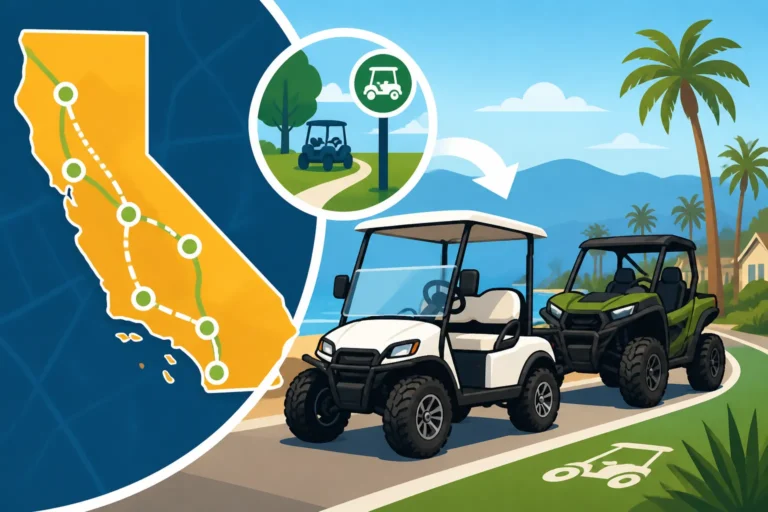
Under the Inyo County Pilot Program, the county identified and designated specific unincorporated county roads where OHVs were permitted to operate. These weren't major highways or busy thoroughfares; they were typically less-trafficked, often unpaved or lightly paved rural roads that served to connect trails or access points. The idea was to create a network that allowed riders to extend their off-road journey without having to load their machines onto a trailer every time they encountered a stretch of public road. Signs were put in place to clearly mark these designated routes, informing both OHV operators and other motorists of the shared-use arrangement. Riders planning a trip to the area needed to consult local maps and resources to understand exactly which roads were included in the program.
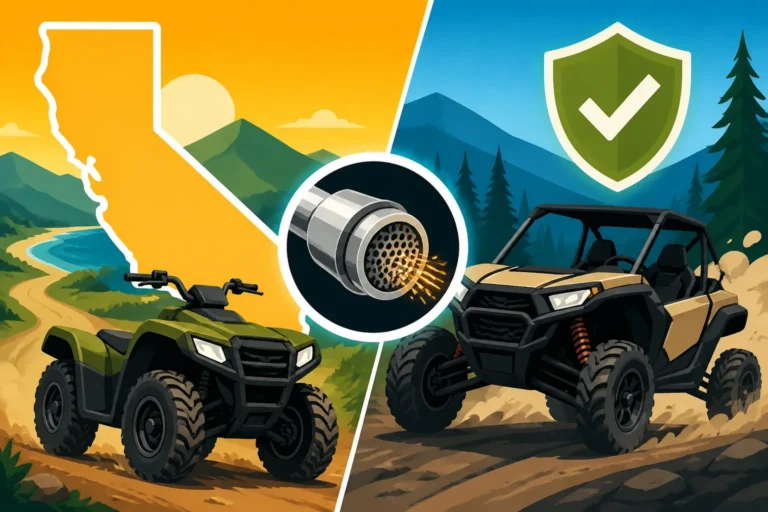
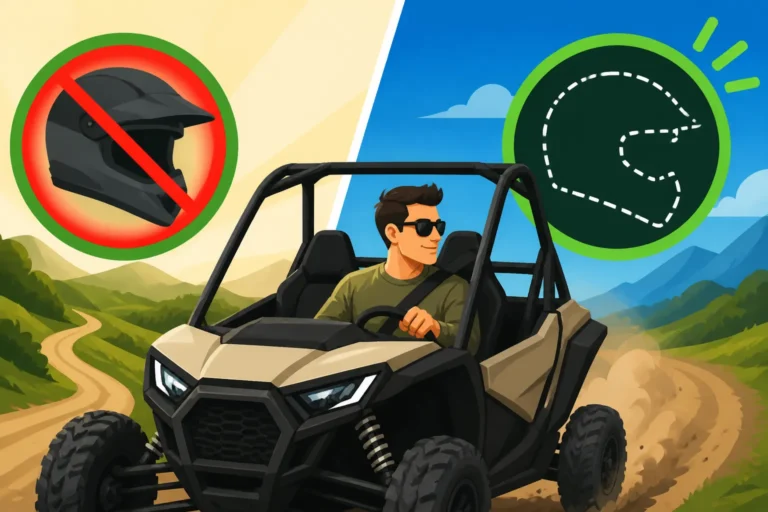
Operating on these designated roads wasn't a free-for-all, however. Riders still had significant responsibilities. All OHVs needed to be properly registered, displaying a current Green Sticker, Red Sticker, or a valid [California's Nonresident OHV Use Permit] if visiting from out of state. Safety equipment was paramount: helmets were mandatory for all riders and passengers, regardless of age, just as they are on public OHV lands. Vehicles also needed to be equipped with appropriate lighting, a functioning spark arrester to prevent wildfires, and maintain reasonable noise levels. Imagine riding your UTV, perhaps outfitted with accessories like a SuperATV windshield, rearview mirrors, or even turn signals (which are great for safety even if not strictly required off-road), now having the freedom to drive a short distance to a local eatery in Bishop. This kind of access was a game-changer for many, but it came with the expectation that riders would be responsible, courteous, and compliant with all program rules. [Riding Unincorporated County Roads in California] became a reality in Inyo County under specific conditions.
Benefits and Challenges for Riders and the Community
For off-highway vehicle riders, the benefits of the Inyo County Pilot Program were immediate and tangible. The ability to legally connect trails meant longer, more diverse rides without the constant need to trailer your machine. Picture this: you've just finished a fantastic trail ride high in the mountains and want to drop down into the Owens Valley for gas and lunch. Instead of loading up your side-by-side, driving to town, unloading, then reloading for your next trail, you could simply follow a designated county road into town, grab a bite, and head back out to another trail system, all on your machine. This not only saved time and effort but significantly enhanced the overall riding experience, making the region an even more attractive destination for OHV tourism.
However, the program wasn't without its challenges. For the local community, while many businesses welcomed the increased tourism revenue, there were also concerns. Residents who weren't OHV enthusiasts sometimes expressed worries about increased noise, dust, and potential conflicts with other road users. Safety was always a paramount consideration, and while the program focused on less-trafficked roads, any increase in mixed-use traffic required careful monitoring. Balancing the economic benefits with local quality-of-life concerns and ensuring public safety was a continuous act. The program essentially created a laboratory for how OHVs and conventional vehicles could coexist on certain roads, offering valuable lessons, both positive and cautionary, for future discussions about OHV access in California. This is where a company like SuperATV that focuses on enhancing UTV capabilities can indirectly contribute by providing safer accessories like full cabs, doors, and upgraded safety harnesses for those times when a machine might be operating on roads, even if temporarily.
The Impending Sunset of the Inyo County Pilot in 2025
Just like all pilot programs, the Inyo County initiative was always destined to have a lifespan. It was never intended to be a permanent fixture without review, and that review period is now drawing to a close, ushering in significant changes for riders in the region.
Why the Program Had a Time Limit
The very nature of a "pilot program" is that it's temporary. It's a trial, an experiment designed to test a hypothesis, gather data, and inform future policy decisions. The Inyo County Pilot Program was authorized by specific state legislation with a built-in sunset date, meaning it was always slated to expire unless further legislative action was taken to extend, modify, or make it permanent. This time limit was crucial for several reasons: it allowed for a controlled observation period without committing to a long-term change, it provided a definite timeline for data collection on everything from economic impact to safety incidents, and it ensured that lawmakers would have a formal opportunity to evaluate its effectiveness before deciding the next steps.
The sunset wasn't necessarily a judgment on the program's success or failure, but rather the culmination of its intended purpose: to provide real-world insights into expanded OHV road access. It offered a window of opportunity for Inyo County to showcase a different approach to OHV recreation, and now that window is closing. This doesn't mean the effort was in vain; the data and experiences gained are invaluable, whether they lead to broader changes or simply reinforce the existing cautious approach to OHV road use in California. For those who enjoyed the expanded access, the looming end date serves as a reminder that temporary freedoms can indeed be fleeting.
What Changes for Riders After the Sunset
The most direct and immediate impact of the Inyo County Pilot Program's sunset is that the designated unincorporated county roads that once allowed OHV access will revert to their previous status. This means that, after the program officially concludes in [California's Inyo County Pilot Ended in 2025], riders will no longer be permitted to operate their OHVs on these roads, except under the standard, highly restrictive conditions for crossing or very limited combined-use segments (if any are designated independently). This is a critical change that every OHV enthusiast planning to ride in Inyo County needs to be aware of to avoid potential citations.
For example, the freedom to ride your UTV or quad from a campsite to a trailhead on a county road near towns like [Riding County Roads Around Bishop] or [Riding County Roads Around Lone Pine] will cease. Riders will once again be required to trailer their machines between non-contiguous riding areas or to access local services. The convenience that the pilot program offered for linking adventures will be gone, necessitating more planning and logistics for trips in the region. It's essential for riders to familiarize themselves with the exact date of the sunset and adjust their riding plans accordingly. Ignorance of the law, even if it's a recent change, won't be a valid excuse if you're stopped by law enforcement. The expectation will revert to the general rule: OHVs belong on designated trails and off-highway areas, not on public roads.
The Future of OHV Road Access in California
With the sunset of the Inyo County Pilot Program, the question naturally arises: what does this mean for the future of OHV road access in California? While the specific expanded access in Inyo County will end, the pilot program's legacy lies in the data and experience it generated. This information will be crucial for any future discussions about how OHVs can interact with public road systems across the state. It allows legislators and land managers to understand both the benefits and the potential drawbacks of such programs with real-world evidence.
It's unlikely that the sunset means an end to all possibilities for expanded access. Local counties may still pursue more limited combined-use highway designations under existing state law, but these are typically arduous processes, capped at short distances, and require significant buy-in and approval from multiple agencies, including the CHP. The Inyo County Pilot offered a much broader scope, and its conclusion will likely reset the playing field to these more restrictive, case-by-case designations. The data collected could potentially inform new legislation that seeks to strike a different balance, perhaps allowing for more flexible, but still controlled, OHV access on certain low-speed, low-traffic county roads in other recreational areas. However, any such changes would require careful consideration, public debate, and a new legislative process. For now, riders should anticipate that California's approach to OHV road use will remain largely conservative, emphasizing strict separation between off-highway and on-highway travel, a reality that makes the temporary freedom of the Inyo County Pilot all the more memorable.
Disclaimer
This article is for general informational purposes only and does not constitute professional advice. Laws, prices and regulations vary by location and change over time. Consult a qualified professional for guidance on your specific situation.