Plates Checked at a Hungry Valley Gate
There's nothing quite like the excitement of heading out for a day of off-road adventure, especially when you're pointed towards a fantastic destination like Hungry Valley State Vehicular Recreation Area. But that anticipation can quickly turn into a knot of anxiety if you're not sure your off-highway vehicle (OHV) is properly identified and ready for inspection at the gate. This guide is here to walk you through exactly what those rangers and park staff are looking for, so you can roll through the entrance with confidence and get straight to riding.
Why Your OHV's ID Matters at Hungry Valley
When you pull up to the gate at Hungry Valley, or any California State Vehicular Recreation Area (SVRA), you're not just entering a park; you're entering a carefully managed public land system. The rules around OHV identification aren't just bureaucracy for the sake of it – they're fundamental to how California manages these incredible riding areas, ensures rider safety, and funds the very trails you enjoy.
The Purpose of OHV Identification in California
Think of your OHV's identification as its passport to California's public lands. Every sticker and plate plays a crucial role. For starters, it signifies that you've paid your biennial registration fees, which directly contribute to the maintenance, development, and operation of SVRAs like Hungry Valley, as well as grants for other OHV opportunities across the state. This funding is absolutely vital for keeping trails open and safe. Without these fees, the trails would quickly degrade, and facilities would fall into disrepair.
Beyond funding, identification helps with enforcement and safety. If an incident occurs on the trails, the ability to quickly identify a machine and its owner is paramount. It helps deter illegal riding, reduces environmental impact from unpermitted vehicles, and ensures that everyone is operating within the state's rules. This collective responsibility is what keeps these areas viable for future generations of riders. It's not just about you; it's about the entire OHV community.
What a Ranger Looks For: Plates, Stickers, and Decals
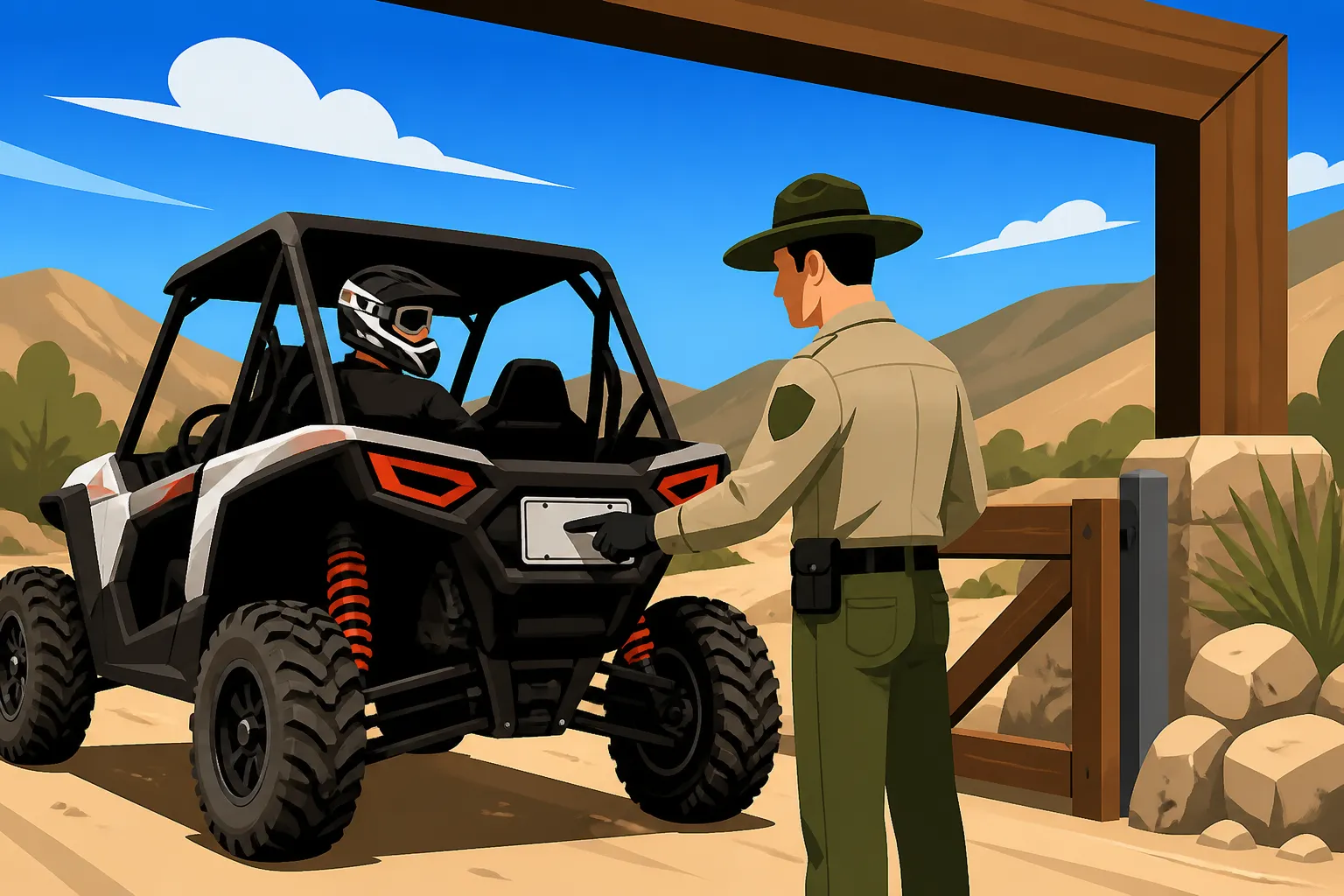
When a ranger or park aide greets you at the Hungry Valley gate, they're performing a vital check to ensure your machine is properly registered and ready to hit the dirt. They're primarily looking for two key pieces of identification: your metal ID plate and your current registration decal (often called a "sticker").
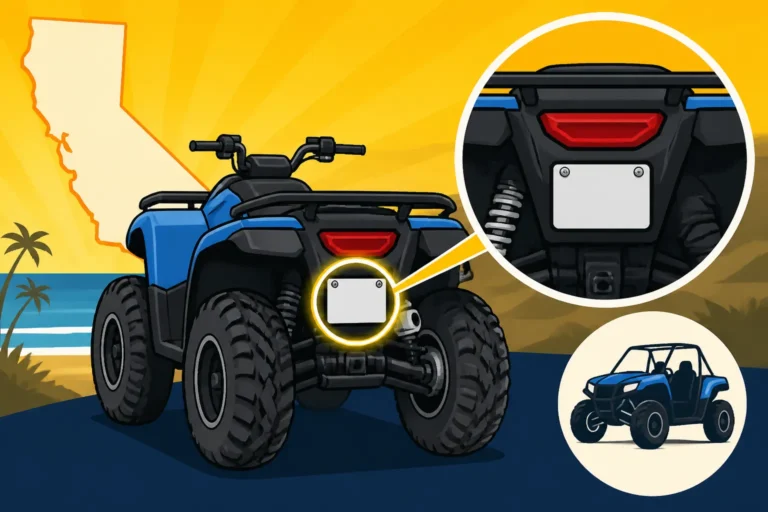
California issues a metal identification plate for OHVs, which is akin to a license plate but specifically for off-road machines. This plate usually starts with "CA" followed by a series of numbers and letters. The plate needs to be securely mounted to your machine, typically on the rear for quads and UTVs, and often on the rear fender for dirt bikes. It must be legible, not bent, obscured by mud, or otherwise unreadable.
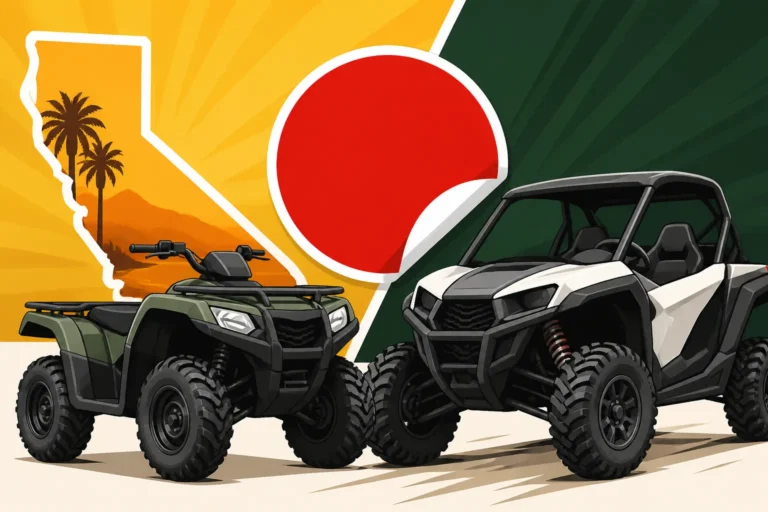
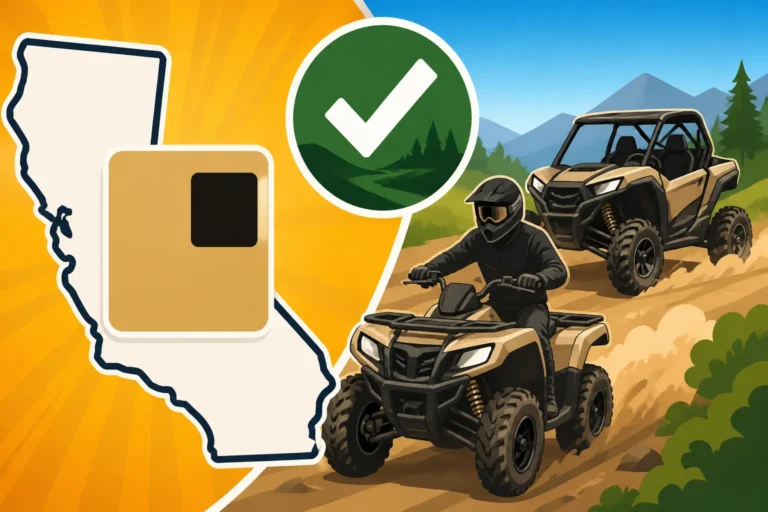
Attached to this metal plate, or sometimes directly on the fender or a visible part of the machine, will be your current registration decal. These decals are color-coded in California to indicate different compliance statuses: Green, Red, or Tan. [California's Green Sticker Explained] is the most common and generally allows year-round riding in SVRAs like Hungry Valley. The sticker needs to be current, meaning its expiration date (always June 30th of the second year of its cycle) has not passed. It also needs to be affixed correctly and be easily visible. A faded, peeling, or missing sticker is a red flag for staff, even if your registration is otherwise valid on paper. [Why California Issues a Plate, Not a Decal] delves deeper into why California uses both a plate and a decal system.
Navigating the Hungry Valley Gate Check
Approaching the entrance to Hungry Valley can feel a bit like crossing a border, but rest assured, the staff are generally friendly and there to help you enjoy your ride safely. Knowing what to expect makes the process smooth and stress-free.
The Initial Contact: What to Expect
As you pull up to the kiosk or gate at Hungry Valley, you'll typically be greeted by a park ranger or an attendant. They will usually ask to see your registration documents for each OHV you are bringing into the park. This might involve physically handing over your registration cards, or in some cases, showing digital copies on your phone if your park allows it (always check beforehand, as cell service can be spotty).
What they're looking for specifically is proof that your OHV is currently registered with the California Department of Motor Vehicles (DMV) through the Off-Highway Motor Vehicle Recreation (OHMVR) Division. They'll cross-reference the information on your registration card with the ID plate and sticker on your machine. This includes checking the ID plate number, the expiration date on your decal, and ensuring the color of the sticker is appropriate for the riding area. Hungry Valley is generally open to Green, Red, and Tan sticker machines, making it a very accessible park.
Beyond the registration, they might also inquire about safety equipment, especially for youth riders, and sometimes conduct a quick visual check for spark arresters or excessive noise, though dedicated sound checks are more common at specific checkpoints within the park or during special events. The key is to be polite, have your documents ready, and ask any questions you might have.
Common Issues and How to Avoid Them
Even seasoned riders can sometimes forget a detail, leading to delays or even being turned away. Here are some of the most common issues riders face at the gate and how you can easily avoid them:
- Expired Registration: This is probably the number one reason riders get stopped. California OHV registrations expire on June 30th every two years. If your sticker shows an expired date, you won't be allowed in. Always check your expiration date well in advance and plan to [Renewing California OHV Registration] before your trip. There's nothing worse than getting to the park only to realize you needed to renew last month.
- Missing or Illegible ID Plate/Sticker: Over time, ID plates can get caked with mud, stickers can peel, fade, or even fall off. An illegible or missing identification will prevent entry. Make it a habit to clean your ID plate and check your sticker before every trip. If your plate is missing or damaged, you'll need to apply for a [Replacing a California ID Plate]. Similarly, a faded sticker might require a visit to the DMV or a quick online order for a replacement.
- Wrong Sticker for the Season/Area: While Hungry Valley is quite flexible, some SVRAs or specific areas within SVRAs have restrictions based on sticker type. Red Sticker machines, for instance, used to have seasonal limitations. While those seasonal restrictions have largely been lifted, understanding [California's Red Sticker Rules Today] is still important for other areas. Always double-check the rules for your specific destination if you have a Red Sticker machine.
- Lack of Proof of Ownership: While not always a primary gate check item, especially if you're the registered owner, it's good practice to carry a copy of your vehicle's title or a bill of sale, especially if you recently purchased the machine. If there's any discrepancy or if you're borrowing a machine, having this documentation can smooth things over. For private sales, a well-drafted bill of sale is crucial, and services like LawDepot can help you create one quickly and legally.
Ensuring Your OHV is Ready for California SVRA Access
Preparation is key to a hassle-free day on the trails. Taking a few moments before you load up can save you a lot of headache at the gate.
Proper Registration and ID Plate Placement
First and foremost, your OHV must be properly registered with the California DMV. This means completing the necessary paperwork, paying the fees, and obtaining your unique California ID plate and current registration sticker. The process for [Registering an OHV in California] involves submitting forms like the REG 343, proof of ownership, and sometimes a vehicle verification.
Once you have your ID plate and sticker, proper placement is critical.
- For ATVs (Quads) and Side-by-Sides (UTVs): The metal ID plate is typically mounted securely on the rear of the machine, in a clearly visible location. The registration decal (Green, Red, or Tan) should be affixed to this plate, usually in the upper right corner, or on a permanently affixed, visible part of the machine (like a fender) if the plate itself is not conducive.
- For Dirt Bikes: The ID plate is commonly mounted on the rear fender, and the registration decal is often placed on the right side of the fork or a visible part of the front fender.
The key is visibility and security. The plate should be bolted on, not zip-tied, and the sticker should be firmly attached, not peeling. A dirty or obscured plate is as bad as a missing one, so give it a quick wipe down before you head out. Don't let a simple oversight turn your exciting day into a frustrating one.
Essential Documents to Carry
Beyond the physical ID plate and sticker on your machine, you'll need to have certain documents with you, or at least easily accessible. Here's a quick rundown of what park staff and rangers might ask to see:
| Document Type | Purpose | Why You Need It |
|---|---|---|
| OHV Registration Card | Official proof of current registration. | Always required to confirm your sticker is valid and your machine is legally registered. |
| Proof of Ownership | Title, Bill of Sale, or lienholder statement (if applicable). | Helps resolve any ownership questions, especially if you just bought the machine or are borrowing. |
| Driver's License/ID | For the operator of the OHV (if applicable for age/machine type). | Standard identification to verify who is operating the vehicle. |
| Safety Certificate | For youth riders (under 18) operating ATVs, or all riders of ROVs (side-by-sides) without a driver's license. | Demonstrates completion of a safety course, mandatory for certain age groups and machine types. |
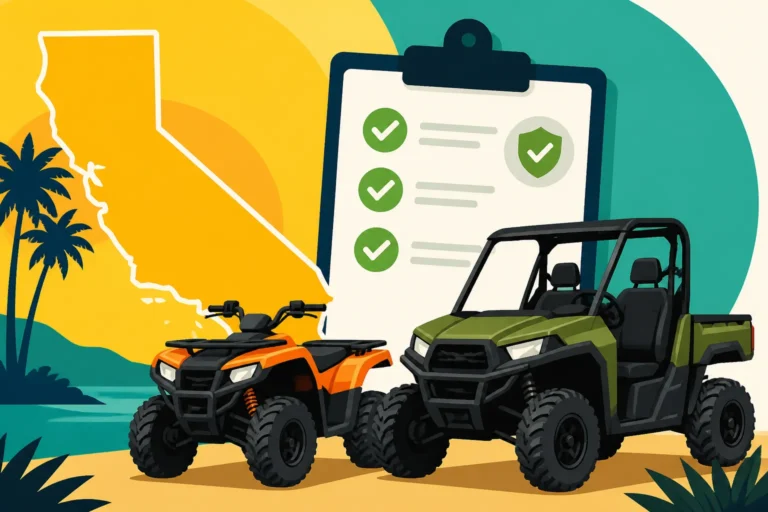
Always try to keep these documents in a waterproof bag or pouch, preferably on your person or in a secure compartment on your OHV. Getting your paperwork muddy or lost is another common pitfall. A quick checklist before you leave home can prevent a lot of stress. [California OHV Registration Paperwork Checklist] provides a comprehensive list of what you'll need. If you're buying or selling a used OHV, a service like LawDepot can provide customizable templates for a bill of sale, ensuring you have clear proof of transfer and ownership.
What Happens If Your ID Isn't Right?
Nobody wants to get turned away at the gate, especially after a long drive. Understanding the potential consequences of improper OHV identification can help motivate you to double-check everything before you leave home.
Consequences at the Gate
The most immediate and frustrating consequence of not having your OHV's identification in order is denial of entry to Hungry Valley. The park staff are obligated to ensure all vehicles entering the SVRA meet California's registration requirements. If your sticker is expired, missing, or if you don't have the necessary documents, they simply cannot let you past the gate. This means packing up, turning around, and heading home, which can be a huge disappointment.
In some cases, especially if you're found operating an unregistered OHV within the park (e.g., you somehow bypassed the gate or were riding in an area without a gate check), you could face a citation or fine. [California Fines for No OHV Sticker] can be significant, and it's far more costly than simply paying your registration fees on time. Law enforcement rangers actively patrol SVRAs and other public lands to ensure compliance, and they take these rules seriously for the safety of all riders and the preservation of the land.
Rectifying Issues and Getting Back on the Trail
If you find yourself in a bind at the gate, your options depend on the nature of the issue.
- Expired Registration: If your registration has simply expired, and you're close to a DMV office or a designated OHV registration vendor, you might be able to renew on the spot or quickly, but this is rare. The best practice is to renew online or by mail well in advance. Remember, sometimes it takes a few weeks for new decals to arrive.
- Missing ID Plate or Sticker: If your ID plate has fallen off or your sticker is truly lost, you'll need to apply for replacements. [Replacing a California ID Plate] involves a process through the DMV. This is not something you can typically resolve at the gate.
- Lost Title: While not a gate-stopper on its own, a missing title can complicate future sales or proof of ownership. [Replacing a Lost California OHV Title] is a process that can take time.
- Missing Documents: If you forgot your registration card at home, and the park has good cell service, you might be able to access a digital copy if you have one, or perhaps have someone at home send you a photo. However, relying on this is risky, as cell service is not guaranteed, and not all park staff will accept digital images.
The ultimate takeaway is to verify all your paperwork and your machine's physical identification before you even hitch up the trailer. A quick visual inspection, a check of the expiration dates, and a scan of your document checklist will ensure your journey to Hungry Valley is filled with fun, not frustration.
Disclaimer
This article is for general informational purposes only and does not constitute professional advice. Laws, prices and regulations vary by location and change over time. Consult a qualified professional for guidance on your specific situation.