Filling Out REG 343
Navigating the paperwork for off-highway vehicles in California can feel like trying to find your way through a sandstorm without a map. Many riders get tangled up in the details of forms, especially when it comes to the California Department of Motor Vehicles (DMV) Form REG 343, also known as the Application for Title or Registration. This guide is here to walk you through each crucial section of this form, helping you understand what information you need to provide and why, so you can get your ATV, UTV, or dirt bike registered without unnecessary headaches or delays.
Understanding California's Form REG 343: Your Gateway to the Trails
Form REG 343 is essentially your formal request to the California DMV to establish ownership and registration for your off-highway vehicle (OHV). It’s the primary document that gathers all the essential information about you, the applicant, and the machine you’re bringing into the system. Without this form properly filled out, the DMV simply can't process your request for a [California Green Sticker Explained], a Red Sticker, or a [California's Tan Sticker Machines], nor can they issue you a title. It's the foundation of your OHV's legal presence in California.
It’s easy to feel overwhelmed when faced with a multi-page government form. You might wonder, "Do I really need to fill out all of this?" The short answer is yes, every section serves a purpose. From proving who you are to detailing the vehicle's specifications, REG 343 is designed to create a complete record. Any missing or incorrect information can send you right back to square one, costing you valuable riding time.
Why REG 343 Is So Important for OHV Riders
Think of REG 343 as the story of your OHV, told to the state of California. It documents when and where you acquired it, its unique identifiers, and how it fits into the state's OHV registration system. For new machines, this form helps establish the initial title and registration. For used machines, it facilitates the transfer of ownership from the previous owner to you. It's also the form you'll use if you're registering a machine that's been in your possession but never formally registered for public land use in California, perhaps a [Registering a Private-Land Machine in California].
This form is also critical because it's where you'll declare information that directly affects the fees you pay, such as sales or use tax, and it's where you'll make declarations about the vehicle's use and compliance. Misunderstandings here can lead to unexpected costs or even denial of registration. Taking the time to understand each part of this form truly saves you effort in the long run.
Section-by-Section Breakdown of REG 343
Let's dive into the specifics of Form REG 343. We'll go through the major sections, breaking down what information is required and offering tips for accurate completion. Remember, accuracy is your best friend here.
Section 1: Vehicle Information
This is where you describe your OHV to the DMV. Precision is key, as this information will be used to identify your specific machine in their system.
- Vehicle Identification Number (VIN) or Engine Number: This is arguably the most critical piece of information. Every OHV has a unique VIN, usually stamped on the frame. For older machines or those built from components, an engine number might be used. Double-check this number against your bill of sale and the machine itself. A single digit off can cause major headaches. Make sure to accurately report the [California OHV Emissions Label Location] as well, as that often ties back to the VIN.
- Make, Model, and Year: Provide the manufacturer (e.g., Honda, Polaris), the specific model (e.g., TRX450R, RZR Pro XP), and the model year. This helps the DMV classify your machine and determine its sticker eligibility, especially whether it qualifies for a Green Sticker or is subject to [California Red Sticker Rules Today].
- Type of Vehicle: You'll typically check boxes here for ATV, motorcycle (dirt bike), or UTV/side-by-side, or possibly dune buggy/sand rail if applicable. Be specific.
- Propulsion: Indicate if it's gasoline, electric, or other. With the rise of electric dirt bikes and UTVs, this is becoming more relevant.
- Cubic Centimeters (CC) or Horsepower: For combustion engines, provide the engine displacement in CCs. For electric machines, horsepower might be required. This detail helps determine compliance and classification.
- Color(s): List the primary colors of your OHV. This helps with identification, especially if your machine is ever reported stolen.
Filling out this section properly is paramount. It's what the state uses to identify your machine. Imagine if a law enforcement officer or ranger at [Glamis and the Imperial Sand Dunes] needed to confirm your registration; they'd be checking these details against the sticker and the machine itself.
Section 2: Owner/Applicant Information
This section identifies who owns the OHV and who is applying for the registration. This is you!
- Your Full Legal Name and Address: Provide your current, legal name as it appears on your California Driver License or ID card. The address should be your physical residence. If you have a separate mailing address, there's usually a space for that too.
- Driver License/ID Number: Your California Driver License or ID number is essential for identity verification.
- Co-Owner Information (if applicable): If you're registering the OHV with another person (e.g., a spouse, family member, or business partner), their information will also need to be provided here. Both owners would then be listed on the title.
- Purchase Date and Price: You'll need to specify the date you acquired the vehicle and the purchase price. This is crucial for calculating [California OHV Registration and Sales Tax] or use tax. If you bought it used from a private party, you'll need this information for the tax calculation. For a reliable bill of sale template, resources like LawDepot can be helpful to ensure all necessary details are included.
- Seller's Information: If you bought the OHV from a private party or a dealer, you'll need the seller's name and address. This helps trace the chain of ownership.
This section establishes your legal claim to the vehicle. It's also where the DMV confirms that you are a legitimate resident of California if you are [Registering an Out-of-State Machine in California] after a move.
Section 3: Lienholder and Declaration Information
This part addresses financial interests in the OHV and requires your sworn affirmations.
- Lienholder Information (if applicable): If you financed your OHV through a bank or credit union, that institution is the lienholder. You'll need to provide their name and address. The title will be held by them until the loan is paid off. This is a common scenario, and ensuring this is accurate protects both you and the lender.
- Declaration of Ownership: By signing this form, you are declaring under penalty of perjury that you are the legal owner of the vehicle and that all information provided is true and correct. This is a serious legal statement.
- Sales/Use Tax Declaration: You'll confirm whether sales or use tax has been paid, or if it's due. If you bought the OHV from a dealer, they typically handle the sales tax. If you bought it from a private party, you're responsible for declaring and paying the use tax. The form will guide you on how to calculate this. [California OHV Sales Tax on a Private Purchase] can be a significant cost if you haven't budgeted for it.
- Emissions and Compliance: This section often includes declarations about the vehicle's emissions compliance and whether it meets California Air Resources Board (CARB) standards. This directly relates to whether your machine qualifies for a Green, Red, or [California Tan Sticker Eligibility]. You might see questions about whether the machine is [What CARB Compliance Means in California].
This section holds significant legal weight. Always read it carefully before signing. If you're unsure about tax implications, it's always best to consult the DMV or a tax professional.
Essential Supporting Documents for REG 343
Filling out REG 343 isn't a standalone task. You'll need several other documents to accompany it to the DMV. Think of it as building a complete case for your OHV's registration.
Proof of Ownership
This is perhaps the most important supporting document.
- Manufacturer's Certificate of Origin (MCO) or Manufacturer's Statement of Origin (MSO): For a brand-new OHV, this document proves it's new from the factory and identifies the first owner.
- Previous California Certificate of Title: If you're buying a used OHV that was previously registered in California, the seller must sign and provide you with the existing title. Ensure the seller's signature is correct and matches the name on the title. Sometimes you might be buying a [Buying a Quad With a Lost Title], which adds a layer of complexity.
- Out-of-State Title: If you're bringing an OHV from another state, you'll need its title from that state.
- Bill of Sale: A detailed bill of sale is crucial, especially for private party transactions. It should include the seller's and buyer's names, addresses, date of sale, purchase price, and the OHV's VIN. A robust bill of sale from a reputable source, like a template from LawDepot, can protect both buyer and seller. [California OHV Bill of Sale Requirements] are specific and important.
Vehicle Verification
Another critical step is having your OHV's VIN verified.
- Form REG 31 (Vehicle Verification Form): This form confirms that the VIN on your paperwork matches the VIN on your actual OHV. It can be completed by a DMV employee, California Highway Patrol (CHP) officer, or a licensed vehicle verifier. This step helps prevent fraud and ensures the correct vehicle is being registered. [What a Vehicle Verifier Checks on REG 31] is more than just a quick glance.
Other Required Documents
- Smog Exemption Form (if applicable): While most OHVs are exempt from smog checks, specific forms might be required for certain types or model years.
- Payment for Fees: Be prepared to pay the [California OHV Registration Cost], which includes various components like the OHV identification fee, the CHP fee, and potentially sales or use tax. You'll want to understand [California's $54 OHV Registration Fee Broken Down] before you go.
- Power of Attorney (if someone else is submitting on your behalf): If you can't go to the DMV yourself, the person submitting the forms will need a Power of Attorney to act on your behalf.
Common Mistakes and How to Avoid Them When Filling Out REG 343
Even with all the right information, small errors can lead to big delays. Here are some common pitfalls and tips to sidestep them.
Incomplete or Illegible Information
- Missing Fields: Every applicable field on the form needs to be filled out. If a section doesn't apply (e.g., no lienholder), you can often write "N/A" (Not Applicable) to indicate you haven't simply overlooked it.
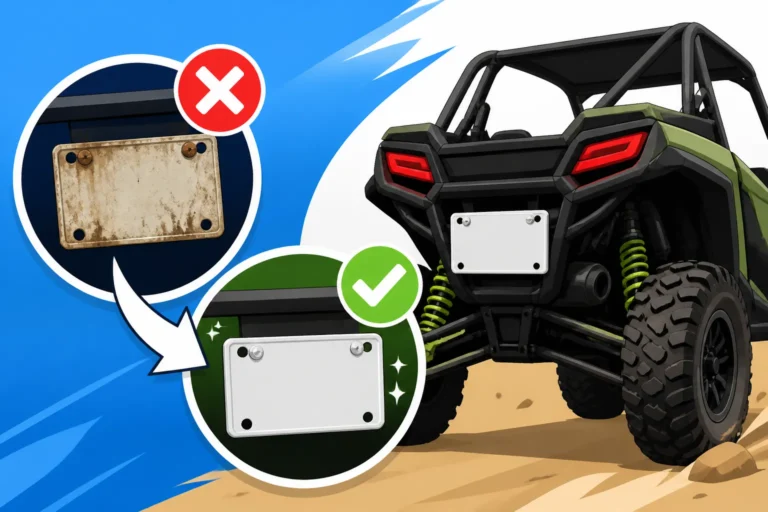
- Hard-to-Read Handwriting: DMV clerks process hundreds of forms daily. Illegible handwriting can lead to misinterpretations or require you to redo the form. Print clearly using black or blue ink.
- Incorrect VIN: As mentioned, a transposed digit in the VIN is a common and frustrating error that will halt your process. Double-check, triple-check, and then check again!
Misunderstanding Sales and Use Tax
- Forgetting Use Tax: If you buy an OHV from a private seller, you are almost always responsible for paying California use tax on the purchase price. Many people mistakenly think this only applies to dealer sales. The REG 343 form requires you to declare this, and failing to do so can result in penalties later.
- Undervaluation: Intentionally declaring a significantly lower purchase price to avoid tax can lead to audits and penalties. Be honest about the actual transaction value. Remember, the DMV has access to resources that can help them determine fair market value.
Incorrect Sticker Type Declaration
- Confusing Green, Red, and Tan Stickers: California has distinct OHV registration stickers (Green, Red, Tan) based on the vehicle's model year and emissions compliance. [Green, Red and Tan: California's Three Stickers] have different riding seasons and restrictions. Make sure you understand which sticker your machine qualifies for before applying. For example, [Red Sticker Machines After January 2025] have specific rules you'll need to know.
Not Having Required Supporting Documents Ready
- No Bill of Sale: Especially for private party purchases, a comprehensive bill of sale is essential. Don't rely on a handshake agreement. Use a template or create one that includes all necessary details, as mentioned, resources like LawDepot can assist.
- Unverified VIN: You cannot complete the registration process without a completed REG 31 [California Vehicle Verification on Form REG 31]. Get this done before heading to the DMV field office.
- Missing Signatures: Ensure all required signatures are present – yours, any co-owners, and especially the seller's signature on the title, if applicable.
By taking the time to carefully review your form and gather all supporting documents, you'll significantly increase your chances of a smooth and successful registration process. Don't be afraid to ask DMV staff questions if you're truly stuck; they're there to help.
A Quick Checklist for Submitting Your REG 343
To help you organize your thoughts and ensure you haven't missed anything, here's a handy checklist before you head to the DMV or mail your documents.
| Item | Status (Yes/No) | Notes |
|---|---|---|
| Form REG 343 | All applicable sections completed, legible, and accurate. Signed and dated. | |
| Proof of Ownership | MCO/MSO, signed California Title, or out-of-state Title. Bill of sale also included, especially for used machines. Consider using a template from LawDepot for the bill of sale. | |
| Vehicle Verification (REG 31) | Completed and signed by an authorized verifier (DMV, CHP, licensed verifier). | |
| Identification | Your California Driver License or ID card. | |
| Payment for Fees | Check or money order for [California OHV Registration Cost], sales/use tax, and any transfer fees. Cash if submitting in person. | |
| Additional Documents (if any) | Lienholder information, Power of Attorney, any special permits, or specific forms for unique circumstances. | |
| Appointment (if visiting DMV) | If you plan on [California OHV Registration Appointment at the DMV] to expedite your visit. |
Taking the time to compile this [California OHV Registration Paperwork Checklist] before you go can save you a return trip and a lot of frustration. Remember, you can't [Renewing a California Green Sticker Online] or get an initial registration online, so an in-person or mail submission is generally required for new registrations.
Good luck, and happy trails!
Disclaimer
This article is for general informational purposes only and does not constitute professional advice. Laws, prices and regulations vary by location and change over time. Consult a qualified professional for guidance on your specific situation.