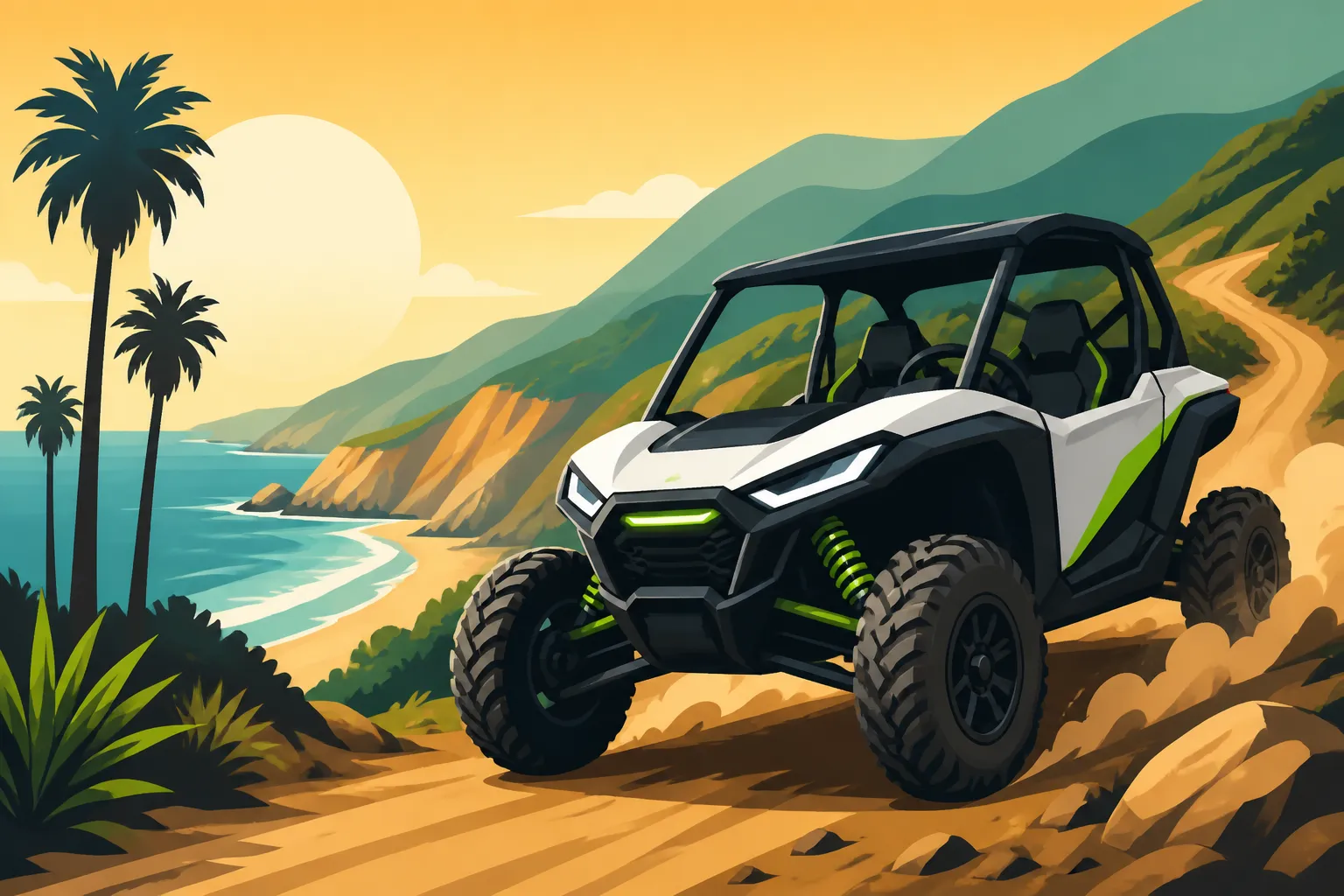
Electric UTVs on California Trails
The world of off-highway vehicles (OHVs) is constantly evolving, and electric UTVs are sparking a lot of questions for riders across California. Many of us are curious about how these quieter, often more eco-friendly machines fit into the existing rules and trail systems. If you're wondering if your new electric UTV is treated differently than a traditional gas-powered one, or where you can even take it for a spin, you've come to the right place. This guide will cut through the confusion and explain everything you need to know about enjoying electric UTVs on California's diverse trails.
The Lay of the Land: How California Views Electric UTVs
It's easy to assume that because an electric UTV hums rather than roars, it might fall under a completely different set of rules. However, in California, the core principle remains: if it's designed for off-highway use and not street legal, it's generally considered an Off-Highway Vehicle (OHV). This means that while the powertrain is different, many of the established regulations that apply to gas-powered UTVs will also apply to their electric counterparts.
The state isn't specifically calling out "electric UTVs" with a unique set of laws just yet, but rather integrating them into the existing framework for OHVs. This can be a relief, as it means you're not navigating a completely unknown regulatory landscape. However, it also means you still need to be diligent about understanding and adhering to those established rules, just like any other OHV owner. The excitement of a quiet ride doesn't exempt you from displaying proper identification or following trail etiquette.
Defining an Electric OHV in California
From a legal standpoint, an electric UTV falls under the broad category of Off-Highway Vehicles (OHVs) in California if it's primarily designed for off-road use. This definition covers a wide range of machines, including dirt bikes, ATVs, sand rails, and, yes, UTVs—regardless of their fuel source. The key is its intended use and whether it meets the criteria for street legality, which most UTVs, electric or not, do not in California. [Are ATVs Street Legal in California: The Short Answer] and [Can You Make a UTV Street Legal in California?] delve into why that's generally the case.
What this means for you as an owner of an electric UTV is that it's not a golf cart, nor is it a Neighborhood Electric Vehicle (NEV) that might have limited street access. It's a robust off-road machine, and the state treats it as such. So, while you might appreciate the quiet hum over the roar of a gas engine, the law is mostly looking at its capabilities and design rather than its propulsion method when it comes to fundamental categorization. It's about how the machine is used, not just how it's powered.
Registration and Identification for Electric Machines
Just like their gas-guzzling cousins, electric UTVs destined for public land use in California absolutely require registration. This process involves obtaining either a Green Sticker, a Red Sticker, or potentially a Tan Sticker, though the Green Sticker is most common for modern, compliant electric machines. The good news is that electric UTVs, by their very nature, are usually emissions-compliant, making them prime candidates for the coveted Green Sticker, which allows year-round riding in designated areas. You can find more specific details on how to register your machine, including electric ones, in [California OHV Registration for an Electric Machine].
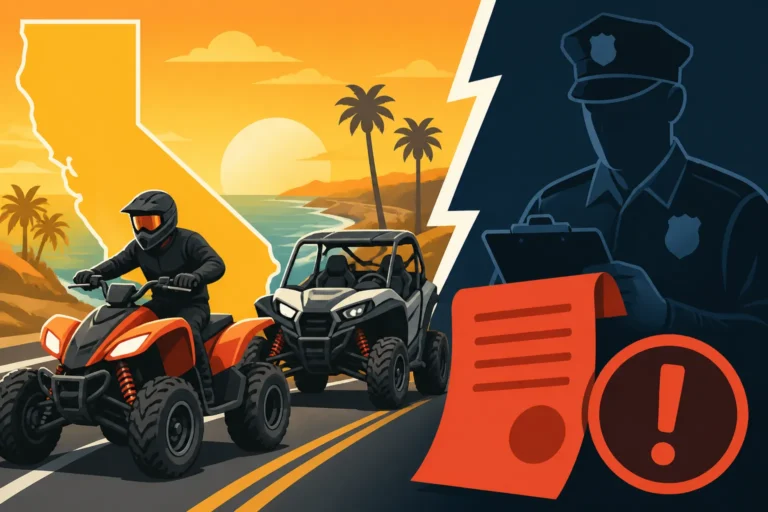
When you register your electric UTV, you'll receive an identification plate that must be prominently displayed on the vehicle. This plate, along with your valid registration certificate, is your ticket to legally ride on California's public OHV trails. Don't forget to keep your registration certificate with you while riding; rangers often check for it, and a digital photo on your phone isn't always enough. [Carrying Registration Paper on the Sand] offers great advice on this. Ignoring registration can lead to frustrating fines and ruin an otherwise perfect day out on the trails.
Where Can You Actually Ride? Trail Access and Restrictions
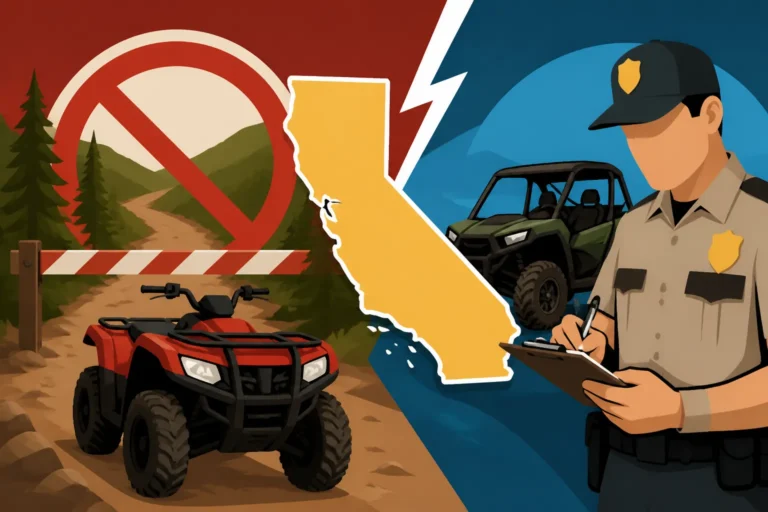
One of the biggest draws of electric UTVs is their quiet operation and zero tailpipe emissions, leading many to wonder if they have special access privileges or fewer restrictions than traditional OHVs. Unfortunately, at this time, California's trail access rules don't differentiate much based on propulsion type. If a trail is open to OHVs, your electric UTV is generally welcome. If it's closed to OHVs, your electric UTV is also restricted.
The focus of trail management in California is more on preventing trail degradation, ensuring rider safety, and protecting natural resources, rather than the specific type of engine. So, while you're enjoying the serene hum of your electric UTV, remember that you're still sharing the trails with all other types of OHVs and must adhere to the same posted rules, speed limits, and designated routes. This means respecting signs, staying on marked trails, and understanding the specific requirements of each riding area.
Public Land Access: State SVRAs and BLM Land
California boasts an incredible variety of public lands, from the vast expanses of the Imperial Sand Dunes to the technical trails of Hollister Hills. State Vehicular Recreation Areas (SVRAs) are purpose-built for OHV use, and your electric UTV is generally welcome in all of them, provided it's properly registered. Places like [Ocotillo Wells: California's Free SVRA] and [Hungry Valley SVRA North of Los Angeles] are fantastic destinations to explore. Federal lands managed by the Bureau of Land Management (BLM) also offer extensive riding opportunities across the desert and some mountain regions.
On these public lands, the rules are primarily geared towards protecting the environment and ensuring safety. This includes adhering to sound limits, carrying required safety gear, and, crucially, sticking to designated routes. Even though your electric UTV is quieter, [California Noise Rules at an SVRA Gate] still apply for any sound-emitting components, and you'll still need to follow rules about spark arresters (though not relevant for electrics, it's good to know the context of how rules are applied). Always check with the specific SVRA or BLM field office for any localized rules or temporary closures before you head out, as conditions can change rapidly. [California Trail Closures After Rain] and [California Fire Closures That Shut Trails] are common reasons for temporary restrictions.
Understanding Trail Designations for Electric UTVs
When you're out exploring, you'll encounter various trail designations: open, limited, and closed. "Open" trails generally allow all properly registered OHVs. "Limited" trails may have restrictions based on vehicle type, width, or time of year, and you must pay close attention to the signage. "Closed" trails are off-limits to all OHVs. These designations apply equally to electric UTVs. A wider electric UTV might be restricted on a narrow trail, just like a wide gas UTV.
It's absolutely critical to consult current trail maps, often called Motor Vehicle Use Maps (MVUMs) in national forests, before riding. These maps clearly mark which trails are open to OHVs and for what types of vehicles. Never assume a trail is open just because it looks like a fun path. Trespassing onto private land or riding on closed routes can lead to significant fines and damage the reputation of all OHV enthusiasts. Understanding [California Trail Maps and Where to Get Them] is key to a responsible and enjoyable ride.
Performance, Range, and Practical Considerations on the Trail
Electric UTVs bring a unique set of performance characteristics to the off-road world. The instant torque is often lauded by riders, providing immediate power for climbing obstacles or accelerating out of sticky situations. However, like any new technology, there are practical considerations, especially when planning longer rides or tackling challenging terrain far from a charging station. These machines are often heavier due to their battery packs, which can impact handling and require robust suspension components.
It’s not just about the motor and battery; it's about how the entire package performs under real-world trail conditions. From managing your battery life to ensuring your UTV is equipped to handle the rigors of California's diverse landscapes, there's a bit of a learning curve. Thinking ahead about your ride, the terrain, and your machine's capabilities is more important than ever with an electric UTV.
Range Anxiety and Charging Solutions on the Go
"Range anxiety" is a very real concern for electric UTV owners, especially when venturing deep into remote areas where charging infrastructure is nonexistent. Unlike gas-powered machines where you can carry extra fuel in a jerry can, extending the range of an electric UTV on the fly is much more challenging. Most electric UTVs offer a respectable range for a day's riding, but factors like aggressive driving, heavy loads, steep climbs, and cold weather can significantly reduce battery life.
Planning your route meticulously and understanding the energy consumption of your specific machine is paramount. Consider carrying a portable generator for emergency recharges if you're going far off the beaten path, or plan rides that allow for charging opportunities back at camp or a trailhead with power. Some aftermarket solutions are emerging, such as portable battery banks or solar charging options, but these are often limited in their charging speed and capacity for a large UTV battery. This is an area where the industry is rapidly innovating, so keeping an eye on new developments will be crucial for maximizing your electric UTV's utility.
Trail Modification and Accessory Needs
Electric UTVs, despite their advanced powertrains, still benefit from many of the same aftermarket accessories and modifications that gas UTVs do. In fact, due to their often heavier weight and instant torque, some modifications become even more critical. Upgraded suspension components can help manage the extra battery weight and provide a smoother ride over rough terrain. Heavy-duty tires are essential for traction and durability, especially with the instant power delivery that can easily spin wheels.
Just like with any UTV, you’ll likely want to add accessories for safety, convenience, and performance. Think about robust winches for self-recovery (critical if you run out of juice far from help!), enhanced lighting for night rides, and additional storage for all your gear. Companies like SuperATV offer a vast selection of UTV accessories, from upgraded axles and control arms to roofs, windshields, and lighting kits, many of which are perfectly suited for the demands of an electric UTV. Beefing up your machine with quality parts ensures it can handle the unique challenges of electric off-roading.
Environmental Impact and the Future of Electric Off-Roading
Electric UTVs represent a significant shift in the OHV community, driven by increasing environmental awareness and technological advancements. Their primary advantages—minimal noise pollution and zero tailpipe emissions—align well with the goals of responsible outdoor recreation and land preservation. This shift not only benefits the environment but also enhances the riding experience for many, offering a quieter connection with nature.
However, the "environmental impact" discussion isn't entirely black and white. While they eliminate local emissions, the broader environmental footprint (battery manufacturing, charging infrastructure power source) is a complex topic that continues to evolve. Nonetheless, the immediate, on-the-trail benefits are undeniable, and electric OHVs are increasingly seen as a positive step for the future of the sport.
Noise and Emissions: The Silent Advantage
The most immediate and striking advantage of electric UTVs on the trail is their near-silent operation. This drastically reduces noise pollution, which is a major concern in many sensitive ecosystems and near residential areas. Riders can enjoy the sounds of nature rather than engine roar, and wildlife is less disturbed. This quiet operation can potentially lead to new opportunities for trail access in areas where noise restrictions previously made OHV riding problematic. [California Noise Rules at an SVRA Gate] are generally very strict, and electric machines inherently meet these requirements with ease.
Furthermore, the complete absence of tailpipe emissions is a huge environmental benefit. No exhaust fumes mean cleaner air for riders and for the natural environment. This makes electric UTVs particularly appealing for use in areas with strict air quality regulations or where preserving pristine natural beauty is a priority. While California has complex rules like [California's Green Sticker Explained] and [Red Stickers and What Changed in California] to manage emissions from gas machines, electric UTVs bypass these concerns entirely by producing no local emissions.
Evolving Regulations and Advocacy for Electric OHVs
As electric UTV technology becomes more widespread and accessible, it's highly probable that regulations and policies will begin to evolve to specifically address their unique characteristics. While currently integrated into existing OHV laws, there might be future discussions around creating incentives for electric OHV ownership, specific trail designations that favor electric machines due to their reduced impact, or even the development of charging infrastructure at popular riding destinations.
The growing popularity of brands venturing into the electric UTV space, including those that offer accessories and modifications like SuperATV, signals a strong future for these machines. As an electric UTV owner, your voice in advocating for responsible use and supporting organizations that promote sustainable off-roading will be crucial. By demonstrating that electric OHVs can coexist harmoniously with nature and other trail users, we can help shape a positive future for this exciting segment of the off-road community. Your participation in advocacy groups and adherence to existing rules will help pave the way for broader acceptance and tailored regulations that recognize the unique benefits of electric UTVs.
Disclaimer
This article is for general informational purposes only and does not constitute professional advice. Laws, prices and regulations vary by location and change over time. Consult a qualified professional for guidance on your specific situation.