Night Riding on California Public Land
There's a special kind of magic that settles over California's public lands when the sun dips below the horizon, silencing the daytime chatter and painting the landscape in shades of starlight. But let's be honest, dreaming of night riding under a blanket of stars is one thing; actually doing it safely and legally is another entirely. This guide aims to illuminate the path, covering everything you need to know to confidently enjoy the unique thrill of off-roading your ATV or UTV after dark in the Golden State.
The Allure and Challenges of Night Riding
For many of us, the call of the wild extends beyond daylight hours. Night riding offers an entirely different experience, a quieter, often more serene adventure that can feel incredibly liberating. Yet, it also introduces a host of challenges that demand respect and preparation.
Why the Night Calls
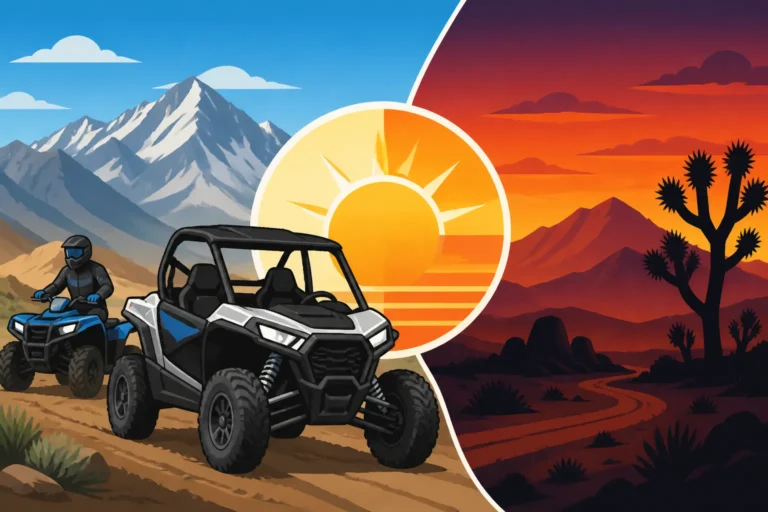
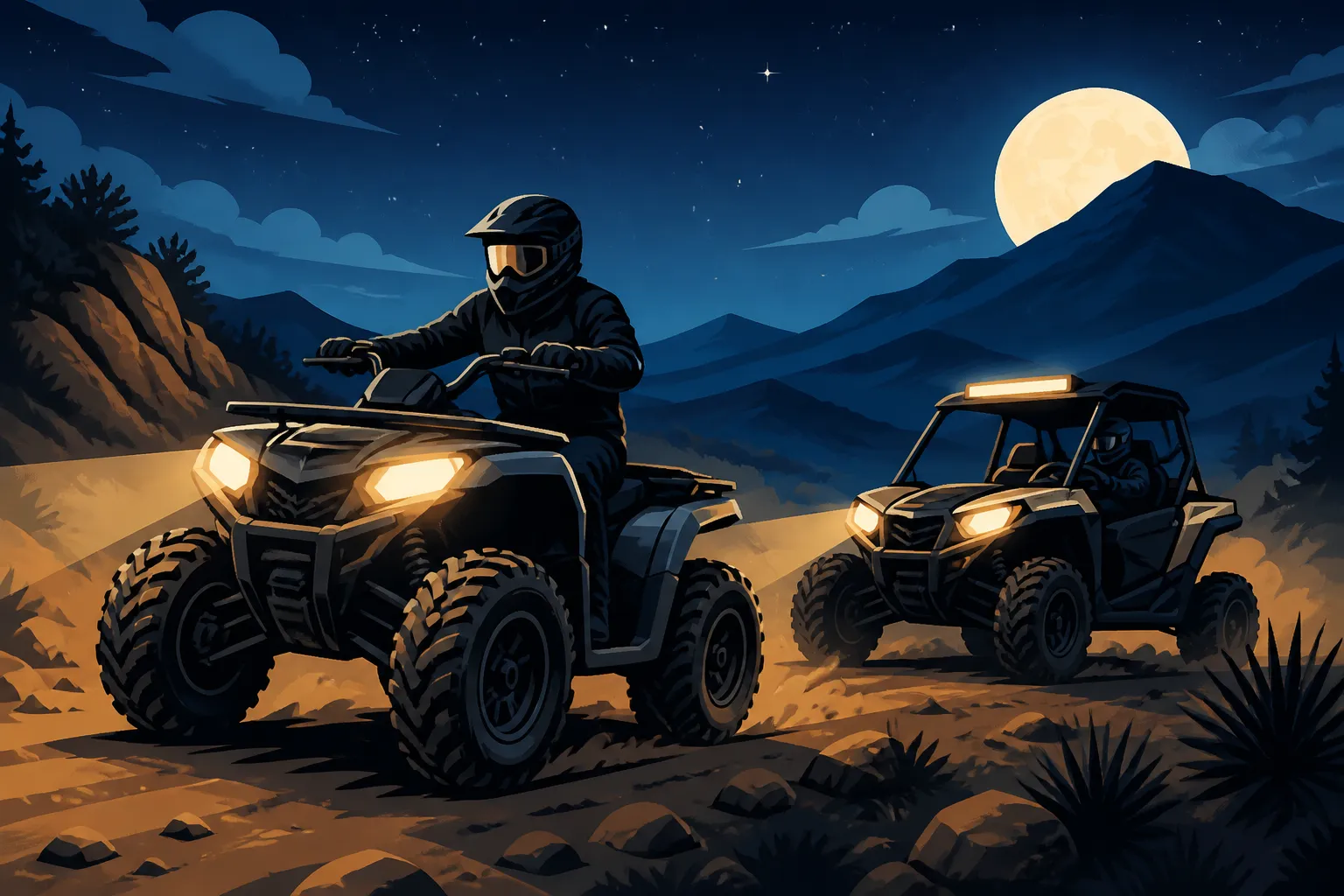
Imagine the desert air cooling to a comfortable temperature after a scorching California day, the moon casting long, ethereal shadows across the dunes, or the hushed sounds of the forest at rest. Night riding strips away many of the distractions of daytime trails – fewer crowds, less dust, and a profound sense of solitude. The familiar trails transform, becoming new landscapes to explore, demanding heightened senses and a deeper connection with your machine and your surroundings. It's a chance to see wildlife that's often dormant during the day, like desert hares or owls, and to experience the raw beauty of California's natural spaces in a way few ever do. This unique perspective is often why seasoned riders gravitate towards twilight adventures, seeking that unparalleled sense of peace and exploration.
Visibility Hurdles and How They Change Everything
While the allure is strong, the primary challenge of night riding is, without a doubt, visibility. Even with the brightest aftermarket lights, you're always contending with shadows, varying terrain, and depth perception issues that simply don't exist in daylight. What looks like a small bump during the day can become a jarring obstacle at night, and an innocent dip can hide a significant drop-off. Dust kicked up by other riders (or even yourself) can hang in the air, creating a blinding haze, especially when reflecting off bright lights. The limited field of vision can also make it harder to react to sudden changes in the trail, whether it's a fallen branch, a washed-out section, or an unexpected turn. Understanding these inherent limitations is the first step toward mitigating the risks.
Unexpected Hazards in the Dark
Beyond the immediate visibility concerns, night riding introduces unique hazards. Animals, often nocturnal, become a much greater concern. Deer, coyotes, or even smaller critters like rabbits or snakes can dart across the trail with little warning. Cold can also become a factor, even in areas that are hot during the day. A breakdown that might be a minor inconvenience in daylight can turn into a serious situation in the dark, far from help, especially if you haven't prepared for the cold. Getting lost is also a more significant risk when familiar landmarks disappear into the darkness. It's not just about seeing what's directly in front of you; it's about anticipating everything that could go wrong when you're far from civilization under a sky full of stars.
Essential Gear and Vehicle Requirements for Night Riding
To truly enjoy night riding in California, you need to ensure both your machine and yourself are properly equipped. This isn't just about comfort; it's about safety and legal compliance.
Lighting Up Your Machine: Beyond Stock
While most ATVs and UTVs come with some form of headlights, stock lighting is often barely adequate for anything beyond slow, casual riding in very familiar areas. For serious night riding on challenging California terrain, you'll need to significantly upgrade your illumination.
- Light Bars: These are often the first upgrade for night riders, offering a wide and powerful spread of light. A good quality LED light bar, mounted on the roof or front bumper, can transform your field of vision, turning night into a much more manageable twilight. Brands like SuperATV offer a vast selection of sizes and beam patterns to fit almost any machine and riding style.
- Pod Lights: Smaller and more focused than light bars, pod lights (often cube-shaped) are excellent for specific areas. They can be mounted on pillars to illuminate the sides of your machine, pointing backward for reverse lights, or even as dedicated ditch lights to help you see off-camber terrain.
- Rock Lights: For those tackling technical trails and rock crawling at night, rock lights are a game-changer. These small, durable lights are mounted underneath your vehicle, illuminating the ground directly below your tires and frame. This helps you pick precise lines and avoid hang-ups, a critical advantage when you can't rely on ambient light.
- Whip Lights: While not for illumination of the trail, an illuminated whip light is crucial for visibility, especially in dune environments like Glamis or Oceano Dunes. It helps other riders see you, and in California, displaying a flag and whip is often mandatory in designated dune areas, with an illuminated whip often being a smart choice after dark. [California Flag Rules for California Dune Riding] covers more on this.
Remember, it's not just about brightness; it's about the quality and spread of light. You want a combination of flood patterns for wide peripheral vision and spot patterns for piercing distance. Always ensure your lights are properly aimed to avoid blinding oncoming riders.
Personal Safety Gear: Visibility for You
Your machine isn't the only thing that needs to be visible. As the rider, you also need to ensure you can be seen by others and that you're protected from the elements and potential mishaps.
- Reflective Clothing: Even if your vehicle is lit like a Christmas tree, wearing reflective elements on your helmet, jacket, or backpack is a smart move. If you have to dismount for any reason, or if your machine loses power, these reflective elements can make a significant difference in your safety, especially if you're trying to flag down help.
- Headlamp: A high-quality headlamp is non-negotiable. It allows you to see when you're off the machine, whether you're fixing a flat tire, reading a map, or just taking a break. Choose one with multiple brightness settings and a red light option to preserve your night vision.
- Warm Layers: Even in Southern California deserts, temperatures can plummet quickly after sunset. Pack extra layers, including a warm jacket, gloves, and a hat. Being cold can quickly detract from the enjoyment and even impair your judgment.
- Helmet and Goggles: A well-fitting helmet is always essential, day or night. For night riding, consider clear or lightly tinted goggles to maximize visibility. Some riders even opt for LED-integrated helmet lights for an extra layer of personal illumination. [California Helmet Law for ATV Riders] outlines the state's requirements.
Pre-Ride Checks for Night Expeditions
Before you even think about hitting a trail after dark, a thorough pre-ride inspection is even more critical than for a daytime excursion.
- Battery and Electrical System: Your lighting setup will draw significant power. Ensure your battery is fully charged and in good health. Check all electrical connections for corrosion or looseness. If you've added extensive aftermarket lighting, consider upgrading your stator or adding an auxiliary battery to handle the increased load.
- Tires and Fluids: Check tire pressure and inspect for any damage. A flat tire in the dark is far more challenging to deal with. Verify all fluid levels – oil, coolant, brake fluid.
- Fuel: Always start with a full tank, and consider carrying extra fuel in an approved container, especially if you're planning a longer night ride. Running out of gas is a mistake you don't want to make in the dark.
- Communication Devices: Ensure your phone is fully charged and consider carrying a satellite communication device (like a Garmin InReach or a Spot device) if you're venturing into areas without cell service. [California Trail Maps and Where to Get Them] can help you scout service availability.
- Navigation Tools: Beyond a phone, a dedicated GPS unit or a physical map and compass are vital backups. Star navigation can be fun, but not when you're lost.
Navigating Regulations and Safety on Public Lands at Night
California has specific rules and regulations governing OHV use, and these often become stricter or carry greater implications when riding at night. Understanding these is key to a safe and legal adventure.
California's General Rules for Night Operation
While many public OHV areas in California allow night riding, it's not a free-for-all. General regulations often apply, and some areas have specific curfews or restrictions.
- Lighting Requirements: California Vehicle Code requires vehicles operated at night to have working headlights that illuminate at least 200 feet ahead, and taillights visible from 500 feet to the rear. Any auxiliary lights you add must also comply with CVC sections regarding mounting height, color, and beam pattern. Always ensure your stock headlights and taillights are functional, even if you have bright aftermarket lights.
- Spark Arresters: This is a non-negotiable for all OHVs on California public lands, regardless of the time of day. Riding without a proper, U.S. Forest Service-approved spark arrester can lead to significant fines and is a serious fire hazard. [California Spark Arrester Rules] dives deeper into this crucial requirement.
- Noise Limits: Even at night, California's strict OHV noise limits still apply. While there might be fewer rangers around, loud exhausts can still draw attention and lead to citations. Be mindful of your machine's sound output, especially in or near camping areas. [California Sound Limits for OHVs Explained] provides the specifics.
- DUI Laws: Just like operating any other vehicle, driving an OHV under the influence of alcohol or drugs on public lands is illegal and incredibly dangerous. [California DUI Rules for OHV Riders] are strictly enforced.
Always check the specific rules for the particular park, forest, or BLM land you plan to visit, as local regulations can vary.
Understanding Curfews and Area Closures
Many popular OHV destinations in California have designated quiet hours or full-on night closures. Forgetting to check these details can lead to fines, confrontations with rangers, or even impoundment.
- State Vehicular Recreation Areas (SVRAs): Places like Hungry Valley SVRA or Hollister Hills SVRA often have explicit quiet hours and sometimes even require vehicles to be off the trails by a certain time. While many SVRAs permit night riding in designated areas, it's never assumed. Always check their official websites or call ahead. [California's State Vehicular Recreation Areas] offer diverse riding experiences, each with unique rules.
- BLM and National Forest Lands: While generally more permissive, even vast BLM (Bureau of Land Management) areas or National Forests can have specific zones with night closures, especially near wildlife habitats or designated camping areas. Motor Vehicle Use Maps (MVUMs) for National Forests are critical for identifying open routes and any time restrictions. Ignoring these can result in citations for [Riding a Closed Route in California].
- Camping Areas: If you're camping at an OHV park, be extra mindful of noise and light after dark. Most campgrounds have strict quiet hours, and disturbing other campers is a quick way to get on a ranger's bad side.
Always verify the operating hours and any special night riding rules before you head out. A quick call to the local ranger station or a check of their online resources can save you a lot of trouble.
Emergency Preparedness for Night Rides
The stakes are higher when things go wrong in the dark. Being prepared for emergencies is paramount.
- First-Aid Kit: A comprehensive first-aid kit is essential. Make sure it's well-stocked and waterproof, containing supplies for cuts, scrapes, sprains, and any personal medications you might need. Consider adding a trauma kit if you have the training.
- Emergency Repair Kit: Don't just pack tools; pack the right tools for your specific machine. This includes tire repair kits, a small air compressor, spare fuses, zip ties, duct tape, and any specific wrenches or sockets you might need for common trailside repairs.
- Fire Extinguisher: California's dry climate makes fire a constant concern. A small, easily accessible fire extinguisher mounted on your OHV is a wise investment, especially if you're riding through brushy areas.
- Water and Food: Carry more water than you think you'll need, even in cooler night temperatures. Pack high-energy snacks or emergency rations.
- Signaling Devices: Beyond your phone, consider a whistle, signal mirror, or even a small flare gun (check local regulations for legality and safe use) to attract attention if you're in distress.
Being prepared isn't about expecting the worst, it's about being ready for anything, especially when you're hours from the nearest paved road under the cover of night.
| Item Type | Essential for Night Riding | Why It's Crucial |
|---|---|---|
| Vehicle Lights | LED Light Bar | Wide, powerful illumination of terrain. |
| Pod Lights | Focused light for sides, specific spots, or reverse. | |
| Rock Lights | Under-vehicle illumination for technical obstacles. | |
| Illuminated Whip | Crucial for visibility to other riders, especially in dune areas. | |
| Personal Gear | Headlamp | Hands-free light for repairs, navigation, or breaks. |
| Reflective Clothing | Increases your visibility if dismounted from the machine. | |
| Warm Layers | Protects against significant temperature drops after dark. | |
| Clear Goggles | Maximizes vision without tint obstruction. | |
| Safety/Repair | Comprehensive First-Aid Kit | Addresses injuries away from immediate medical help. |
| OHV-Specific Tool Kit | Enables trailside repairs for common issues. | |
| Tire Repair Kit & Air Pump | Fixes flats to get you home; essential when stranded in the dark. | |
| Communication Device | Summons help in emergencies (phone, satellite communicator). | |
| GPS/Maps | Prevents getting lost when familiar landmarks are obscured. | |
| Fire Extinguisher | Mitigates fire risk, especially in dry California conditions. |
Best Practices and Tips for a Safe Night Ride
Beyond the gear and regulations, how you approach night riding significantly impacts your safety and enjoyment. It's about developing a different set of skills and a heightened sense of awareness.
Riding Etiquette After Dark
With fewer riders, the trails might feel more open, but proper etiquette is still vital, especially to ensure everyone's safety.
- Dim Your Lights: If you encounter another rider, especially head-on, dim your brightest auxiliary lights (if possible) to avoid blinding them. A brief flick of your high beams might be a friendly signal, but a sustained glare is dangerous.
- Control Your Dust: While dust can be less of an issue at night, it can still hang in the air, especially in low wind conditions. Maintain a safe following distance from other riders to keep their visibility clear.
- Respect Quiet Hours: If you're near a camping area or designated quiet zone, ease off the throttle. No one wants to be woken up by a loud exhaust after a long day of riding. This also applies to loud music.
- Stay on Designated Trails: It's easier to veer off course in the dark, but California has strict rules about staying on marked trails. [Riding Off a Designated California Trail] can lead to hefty fines and environmental damage. Your lights give you an advantage, but they don't grant permission to explore undesignated areas.
Navigation in the Absence of Light
Navigating at night demands a more deliberate and cautious approach. Familiar trails can seem entirely new, and unfamiliar ones become significantly more challenging.
- Pre-Scout if Possible: If you're going to ride a new trail at night, try to ride it during the day first. Knowing the general layout, major turns, and significant obstacles can make a world of difference when visibility is low.
- Slow Down: This is arguably the most important rule for night riding. Your reaction time is naturally slower, and obstacles appear with less warning. Reduce your speed significantly from your daytime pace.
- Trust Your GPS: While physical maps are good backups, a reliable GPS unit with detailed topographic maps is invaluable. Mark your starting point and any key waypoints. [California Trail Maps and Where to Get Them] can help you find suitable maps.
- Look Far Ahead: Despite the limited light, try to scan as far down the trail as your lights allow. This gives you more time to react to upcoming terrain changes. Use the peripheral spread of your light bar to watch for turns and hazards at the edges of the trail.
- Watch for Reflective Markers: Some trails might have reflective markers or signs that pop out with your lights. Pay attention to these.
The Buddy System: Never Ride Alone
This advice holds true for all off-roading, but it becomes even more critical when riding after dark.
- Safety in Numbers: If you have a breakdown, get stuck, or have an accident, having another person or group with you drastically improves your chances of a quick and safe resolution. Two heads are better than one for repairs, and two machines can help pull one out of a tricky spot.
- Mutual Support: Your riding partners can offer a second set of eyes, help navigate, and share the load of carrying emergency gear.
- Planned Communication: Establish clear communication methods with your group. This might involve two-way radios, hand signals, or a predetermined plan for what to do if someone gets separated or has an issue.
- Share Your Plan: Always tell someone who isn't riding with you your route, destination, and estimated return time. This way, if you don't check in, someone knows where to start looking.
Night riding offers an incredible opportunity to experience California's diverse landscapes in a truly unique way. By prioritizing preparation, understanding the specific challenges, and adhering to safety and regulatory guidelines, you can ensure your after-dark adventures are not only thrilling but also safe and responsible.
Disclaimer
This article is for general informational purposes only and does not constitute professional advice. Laws, prices and regulations vary by location and change over time. Consult a qualified professional for guidance on your specific situation.