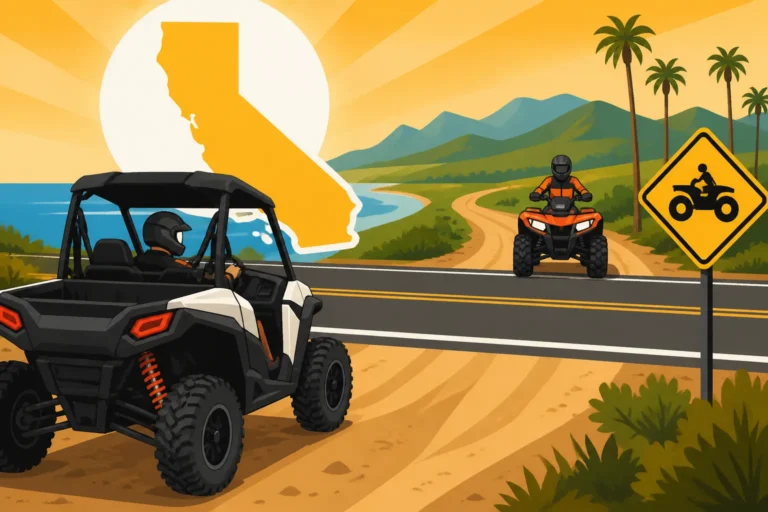
California ATV Passenger Ban Explained
It's incredibly frustrating when you're looking forward to hitting California's amazing trails or dunes with a buddy or your child, only to be hit with confusing rules about who can ride where. Many folks assume that if an ATV has a bigger seat, or if you're just going slow, it's fine to bring a passenger along. Unfortunately, that's often not the case, and understanding California's strict regulations for carrying passengers on ATVs can save you from a hefty fine or, more importantly, a serious accident. This guide is here to untangle the confusion and clearly explain why most ATVs in California are strictly single-rider machines on public land.
The Core Rule: Why ATVs Are Single-Rider Machines in California
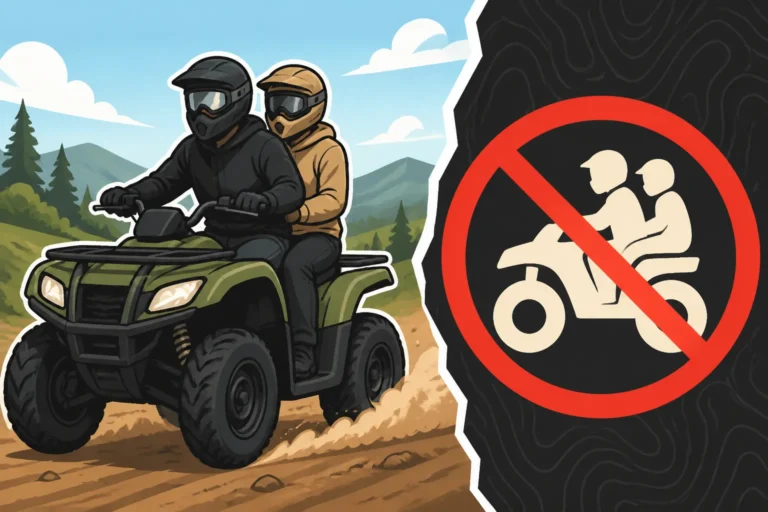
California takes off-highway vehicle (OHV) safety incredibly seriously, and one of the most fundamental rules you'll encounter is the restriction on ATV passengers. It's a rule that often catches people off guard, especially those new to the sport or visiting from out of state where regulations might be different. The core of it is simple: almost all ATVs, as defined by California law, are designed and intended for a single operator, and carrying an additional person is prohibited on public lands.
The Legal Basis for the Ban
The reason for this strict rule lies deep within the California Vehicle Code (CVC). When you delve into the statutes, you'll find that an "all-terrain vehicle" (ATV) is specifically defined as a motorized off-highway vehicle designed for recreational use off-highway, with a seat designed to be straddled by the operator and handlebars for steering control. Crucially, this definition inherently describes a machine built for one person. The law doesn't typically allow for a passenger on such a vehicle when operating on public lands like those found in our beautiful [California's State Vehicular Recreation Areas], national forests, or BLM lands.
Think of it this way: the state's legal framework for ATVs is built around the manufacturer's original design intent for a single rider. If you have an ATV, even one with a slightly longer seat or footpegs that look like they could accommodate a passenger, the CVC generally considers it a single-rider vehicle. Trying to squeeze a second person onto it, even if they're small, is directly violating this fundamental legal premise. Rangers and law enforcement at places like Glamis or Ocotillo Wells are well-versed in these distinctions and will issue citations if they see an ATV with a passenger. For more detailed insights into this specific prohibition, check out [Why Two Up Is Illegal on Public Land].
Safety Concerns Behind the Regulation
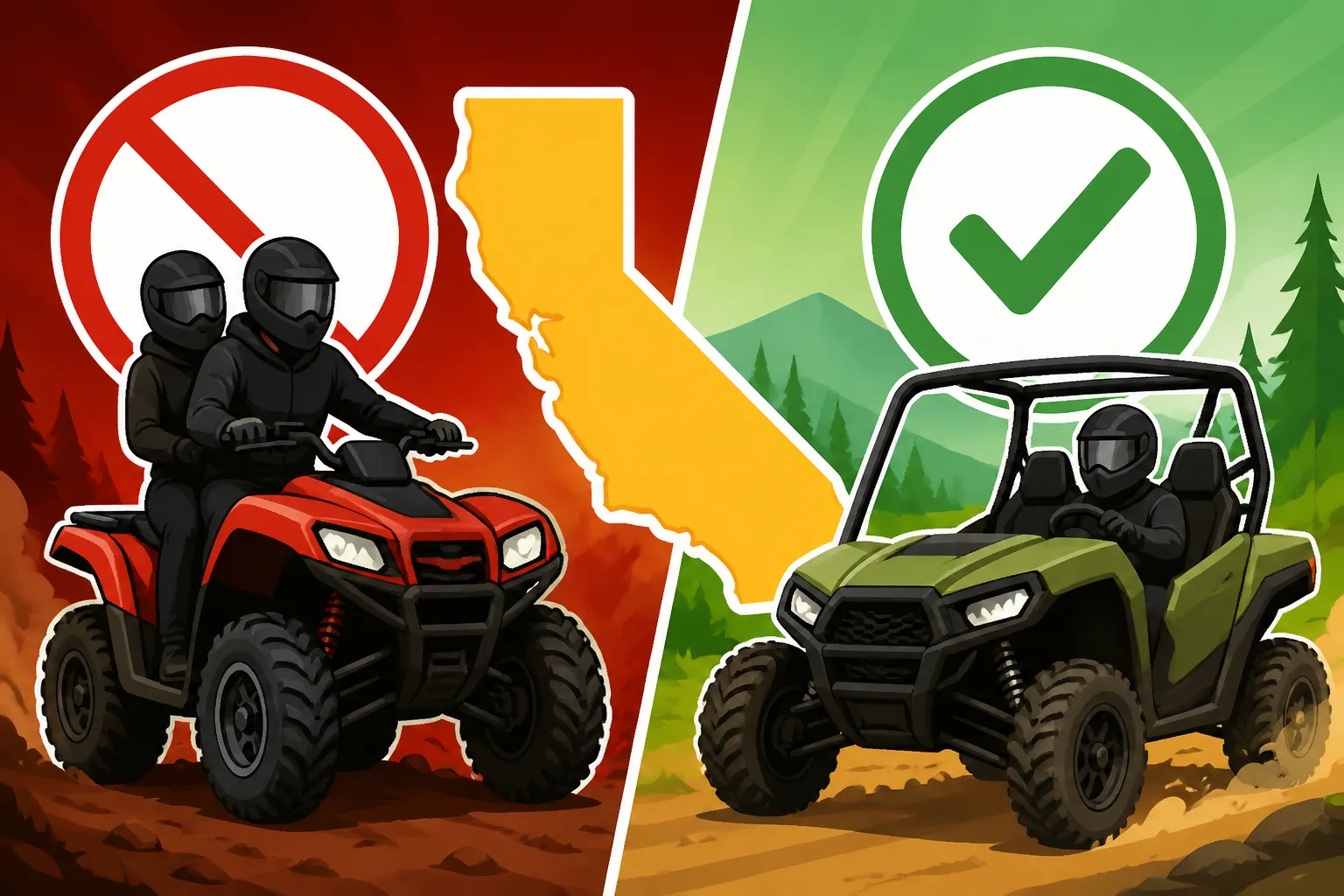
Beyond the legal definitions, there's a very practical and critical safety reason behind the ATV passenger ban: ATVs are inherently unstable with a passenger. Unlike a side-by-side (UTV), which has a wider stance and a roll cage, an ATV's stability relies heavily on the rider's ability to shift their weight and body position to counteract forces during turns, climbs, descents, and bumps. When you add a passenger, even a small one, that dynamic changes drastically.
Imagine navigating a tight, technical trail at Hungry Valley, or traversing a steep dune face at Oceano Dunes. The operator needs to be able to lean, stand, and move freely to maintain control. A passenger, no matter how cooperative, restricts that movement, raises the center of gravity, and adds unpredictable weight distribution. This significantly increases the risk of a rollover or loss of control, which can lead to severe injuries for both the operator and the passenger. Even a small child can throw off the balance of an ATV, especially if they unexpectedly shift their weight or get startled. It’s why proper [California Helmet Law for ATV Riders] is so important, but a helmet alone can't mitigate the risks of an improperly loaded machine.
What Happens if You Break the Rule?
Ignoring the passenger ban on public land can lead to more than just a stern talking-to. Law enforcement, including California Highway Patrol (CHP) and park rangers, can issue citations for carrying an unauthorized passenger on an ATV. These fines can be substantial, often comparable to other OHV infractions like those for [California Fines for Riding on a Public Road]. Beyond the financial hit, there's the possibility of your ride being cut short, or even having your machine impounded in extreme cases.
But the most significant consequence, and one that absolutely must be considered, is the heightened risk of an accident. An ATV accident involving a passenger is likely to result in more severe injuries because two people are involved and the vehicle itself is being operated outside its safe design parameters. Your insurance might also refuse to cover damages or injuries if you were operating the vehicle in violation of state law, leaving you on the hook for potentially massive medical bills or liability claims. Safety should always be your top priority, and adhering to these rules is a critical part of that.
Distinguishing ATVs from Side-by-Sides (UTVs)
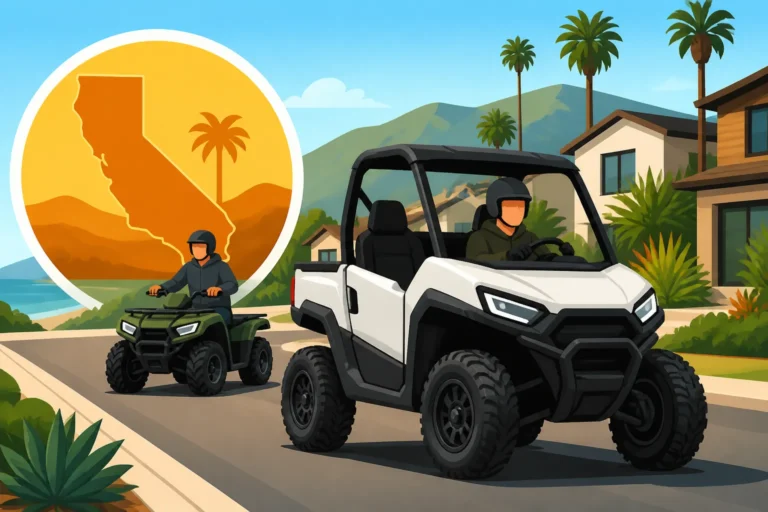
One of the biggest sources of confusion around passenger rules stems from not clearly differentiating between ATVs (All-Terrain Vehicles) and UTVs (Utility Terrain Vehicles), also commonly known as side-by-sides. While both are off-highway vehicles, their design philosophies, and consequently, their legal operating parameters for passengers in California, are fundamentally different.
Design and Passenger Capacity
Let's break down the basic differences. An ATV is characterized by a straddle-style seat, similar to a motorcycle, and handlebars for steering. The rider's legs are typically on either side of the engine. As we discussed, these are primarily designed for single operators, where the rider's body movements are integral to controlling the machine's balance. Even models marketed as "two-up" ATVs often face the same passenger restrictions on California's public lands. If you're wondering about those specific models, delve into [Two-Seat ATVs and the Passenger Rule].
A UTV (side-by-side or ROV – Recreational Off-Highway Vehicle), on the other hand, features a steering wheel, foot pedals (like a car), and bucket or bench seats, allowing occupants to sit side-by-side. Crucially, UTVs are typically equipped with roll cages, seatbelts, and a wider, more stable chassis. This design allows them to safely carry multiple passengers, provided they stay within the manufacturer's specified seating capacity. For families or groups wanting to ride together, a UTV is generally the way to go in California. Aftermarket accessories, like those from SuperATV, can even further enhance the safety and comfort of UTV passengers with things like windshields, upgraded harnesses, or cargo management solutions.
The Definition of an Off-Highway Vehicle
California's legal framework distinguishes between these vehicle types, and those distinctions are crucial when it comes to passenger allowances. While both are categorized as OHVs, the specific design attributes dictate their usage. An ATV's single-straddle seat and handlebar design are key identifiers. Conversely, UTVs are recognized as having multiple seating positions with seatbelts, akin to an automobile, which makes them legally distinct when it comes to carrying passengers. This legal distinction means that while you might need to understand [California OHV Registration for a Dirt Bike] or [California OHV Registration for a Quad], the passenger rules will differ vastly from [California OHV Registration for a Side-by-Side].
The Passenger Waiver for Enclosed OHVs
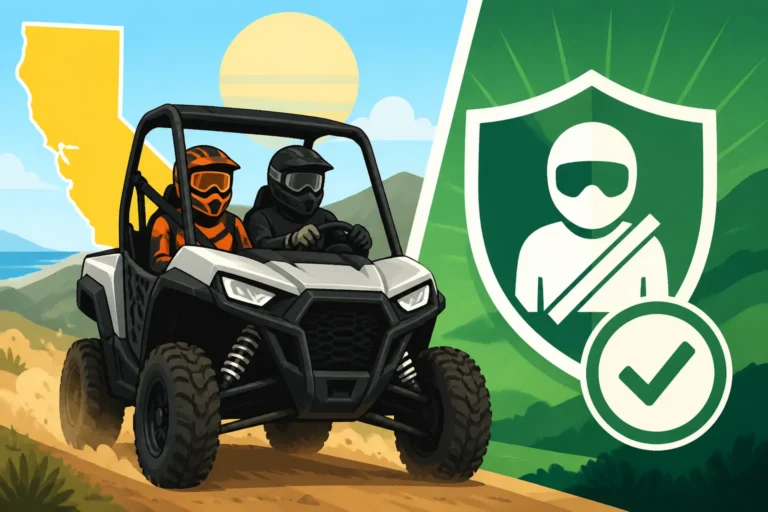
Another point of differentiation, particularly relevant to UTVs, is the California Recreational Off-Highway Vehicle (ROHV) operator helmet waiver. For occupants aged 16 and older in an enclosed ROV that meets certain safety standards (like having a roll cage, seatbelts, and handholds), the state sometimes waives the helmet requirement, provided the seatbelts are worn. This waiver does NOT apply to ATVs. On an ATV, regardless of age, a helmet is almost always required on public lands. This further emphasizes the state's recognition of the inherent safety differences between these machine types. For UTV passengers, while often exempt from helmets, [California Helmet Law for UTV Passengers] still applies in certain scenarios, and [California Seat Belt Rules in a UTV] are non-negotiable. Always check specific park rules as well, as some SVRAs might have stricter requirements.
Practical Implications for Riders and Families
Understanding California's ATV passenger ban has real-world implications, especially for families and groups planning to enjoy the state's diverse riding opportunities. It's not just about avoiding a ticket; it's about ensuring everyone has a safe and enjoyable experience.
Planning Rides with Children
For many families, the idea of a child riding along with a parent on an ATV sounds like a great bonding experience. However, under California law, this isn't permissible on public lands. This can be a tough pill to swallow for parents who might have fond memories of riding two-up with their own parents in other states or in years past. When planning a trip to a place like Hollister Hills or Prairie City, you need to account for this. If your child is too young to operate their own ATV safely, or if you simply want to ride together, a multi-passenger UTV becomes the primary option.
California has specific age restrictions for operating OHVs, including [California Minimum Age to Ride on Public Land] and stringent [California Supervision Rules for Riders Under 14]. These rules, combined with the passenger ban, mean that if your child isn't old enough or skilled enough to pilot their own machine, and you only have an ATV, you're looking at separate rides. This is where a side-by-side truly shines for family outings, allowing parents to keep their kids close and supervise them more directly while still riding together. For a child passenger in a UTV, specific rules also apply; you can read more about them in [A Child Passenger in a California Side-by-Side].
Riding Two-Seat ATVs
This is where a lot of confusion comes in. Many manufacturers indeed produce "two-up" or "two-seat" ATVs. These machines typically feature an extended seat and often dedicated passenger handholds and footpegs, leading buyers to believe they are perfectly legal for two riders everywhere. While they might be legal in some states or on private property, California's public land regulations generally do not differentiate these from single-rider ATVs when it comes to passengers. The fundamental definition in the Vehicle Code still applies – a straddle seat and handlebars means it's designed for one operator in California's eyes, regardless of the manufacturer's "two-up" marketing.
The state's primary concern remains stability and operator control, which are compromised with a passenger on a straddle-seated vehicle. Therefore, even if your ATV is marketed as a two-seater, assume it's a single-rider vehicle for public land use in California unless you have clear, specific, and confirmed guidance from the relevant state authority that supersedes the general CVC definition. It's always best to err on the side of caution to avoid fines and, more importantly, ensure safety.
Ensuring Compliance and Safety
The best advice is always to prioritize safety and know the rules before you head out. If you intend to ride with multiple people, a UTV is the safest and most legally compliant option in California. These vehicles are engineered for multiple occupants, often with robust roll cages, seatbelts, and passenger-specific features. If you're sticking with an ATV, plan for each rider to have their own machine.
Beyond passenger rules, always ensure everyone riding has the appropriate safety gear, including helmets, goggles, gloves, and protective clothing. Completing an OHV safety course is also highly recommended for all riders, regardless of experience level. Look into [California ATV Safety Certificate Requirements] for more information on getting certified. Organizations like SuperATV don't just sell parts; they often champion safe riding practices, and equipping your machine with proper safety accessories can make a huge difference in your overall experience and protection.
Exceptions and Misconceptions
While the California ATV passenger ban is quite strict, it's important to clarify some common misconceptions and acknowledge the very few circumstances where the rule might not apply in the same way.
Private Land Riding
One of the most frequently asked questions is, "Does the passenger ban apply on private land?" Generally, state OHV laws, including passenger restrictions, are enforced on public lands. On private property, the rules can be different and are typically at the discretion of the landowner. If you own private land, or have explicit permission to ride on someone else's, you might technically have more leeway regarding passengers on ATVs.
However, even on private land, the fundamental safety concerns remain. An ATV is still designed for a single operator, and adding a passenger significantly increases the risk of an accident and injury. While you might not face a state-issued citation, you could still be held liable in the event of an injury. It's always best practice to ride responsibly and stick to the manufacturer's intended usage, prioritizing safety above all else, even when not under the direct scrutiny of state law enforcement.
Manufacturer Claims vs. State Law
As mentioned earlier, the market offers ATVs described as "two-up" models. It's easy to assume that if a manufacturer builds and sells such a machine, it must be perfectly legal to use with a passenger on any trail. This is a significant misconception. Manufacturer design intent, while important, does not automatically supersede state laws and definitions. California's Vehicle Code defines an ATV in a way that typically precludes passengers on public land, regardless of how the machine is marketed by the manufacturer.
Always remember that laws vary by jurisdiction. What's legal in Arizona or Nevada might not be legal in California. It's the rider's responsibility to know and follow the laws of the state they are riding in. When in doubt, always refer to the specific statutes in the California Vehicle Code or consult with the California Department of Parks and Recreation, OHMVR Division, or local law enforcement agencies. Relying solely on a sales brochure could lead to an unwelcome surprise at a ranger checkpoint.
What About Combined-Use Roads?
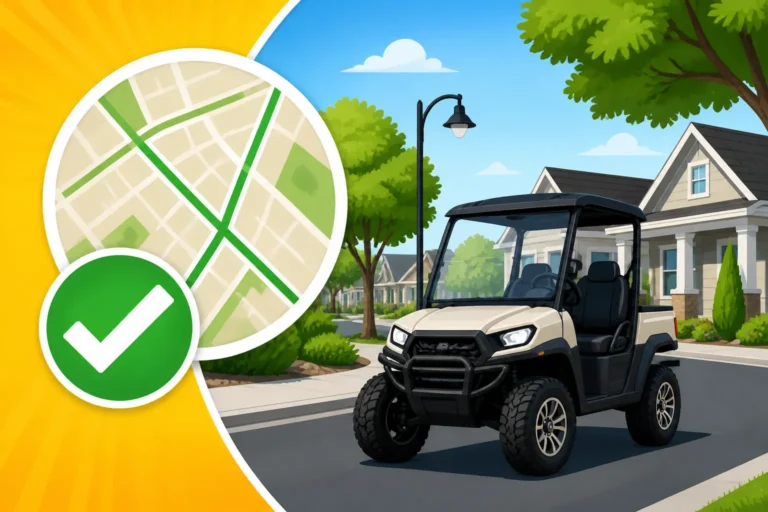
California has a limited number of "combined-use highways" or routes where properly registered and equipped OHVs can legally share paved or maintained roads with street-legal vehicles for short distances. This typically applies to connect trails or access staging areas, and these routes are usually clearly designated. So, does riding on one of these designated [California's Combined-Use Highways] change the ATV passenger rule?
The short answer is generally no. The passenger restriction for ATVs applies to the type of vehicle and its inherent design limitations, not just the terrain it's on. If you're operating an ATV on a combined-use road, it's still an ATV, and the state's rules regarding its operation, including passenger restrictions, would still apply. These roads are for transit, not for circumventing safety regulations for the vehicle type. The intent of combined-use routes is to provide access, not to alter the fundamental safety standards for OHVs.
Disclaimer
This article is for general informational purposes only and does not constitute professional advice. Laws, prices and regulations vary by location and change over time. Consult a qualified professional for guidance on your specific situation.