Helmet Rules on California Public Land
Ah, the open trails of California! There's truly nothing like the feeling of kicking up dust on your ATV or UTV, exploring everything from the vast Imperial Sand Dunes to the winding paths of Hungry Valley. But before you even think about putting that machine in gear, there's one piece of equipment that's absolutely non-negotiable for most riders on public land: your helmet. It's not just a suggestion or a minor formality; it's a critical safety device and a legal requirement that far too many riders overlook or misunderstand, often leading to serious injuries or hefty fines. This guide is here to untangle all the intricacies of California's helmet rules, helping you understand not just that you need one, but why, what kind, and for whom, ensuring your next adventure is both thrilling and safe.
The Unspoken Rules: Why Helmets Matter More Than You Think on California Public Land
When you're out there, whether it's on a well-maintained trail or tackling some gnarly dunes, the exhilaration can make you feel invincible. But the truth is, off-highway vehicle (OHV) riding, while incredibly fun, carries inherent risks. A helmet isn't just a piece of plastic and foam; it's your first, and often only, line of defense against severe injury in an accident.
More Than Just a Law: The Reality of Riding Hazards
Imagine this: you're cruising along a dirt path, enjoying the scenery, and suddenly, a hidden rut or a patch of loose gravel sends your front wheel sideways. Or perhaps you're climbing a dune, and the sand shifts unexpectedly, causing a rollover. These aren't far-fetched scenarios; they're common occurrences in the world of OHV riding. Even a low-speed tip-over can result in your head impacting the ground, a rock, or even part of your own machine. The forces involved in such impacts are significant, and without proper protection, the consequences can be life-altering.
Beyond the obvious accidents, there are other hazards. Flying debris from another rider's tires, low-hanging branches on a forested trail, or even a sudden stop that sends you forward can all pose a threat to your head. It's about being prepared for the unexpected, because out on the trails, the unexpected often happens, and usually when you least expect it.
Protecting Your Most Valuable Asset: Your Brain
Let's be brutally honest: your brain is irreplaceable. A broken arm can heal, a sprained ankle recovers, but a traumatic brain injury (TBI) can have permanent effects on your cognitive function, personality, and physical abilities. Helmets are designed specifically to absorb and distribute impact forces, reducing the likelihood and severity of a TBI. They work by having a hard outer shell to resist penetration and abrasion, and an inner layer of energy-absorbing foam that crushes upon impact, slowing down your head's movement and preventing your brain from slamming against the inside of your skull.
Think about the sheer variety of terrain in California – hard-packed dirt, unforgiving rocks, soft sand, thick brush. Each presents its own unique set of challenges and potential impacts. Investing in a high-quality helmet isn't just buying gear; it's investing in your future, your health, and your ability to continue enjoying the sport you love. It allows you to push your limits, knowing you've taken every reasonable precaution.
Setting an Example: Responsibility on the Trails
Riding on public land isn't just about your own enjoyment; it's about being part of a larger community of outdoor enthusiasts. When you wear your helmet, you're not only protecting yourself but also setting a positive example for others, especially younger riders. Kids look up to adults, and if they see you consistently prioritizing safety, they're much more likely to adopt those habits themselves. This is crucial for fostering a culture of safety that benefits everyone who uses these precious natural resources.
Moreover, responsible riding, including wearing appropriate safety gear, helps maintain the positive image of OHV recreation. It shows land managers and the wider public that riders are serious about safety and stewardship. This can be vital in an era where access to public lands for OHV use is constantly under review and often contested. By simply buckling up your helmet, you contribute to the sustainability of the sport for generations to come.
Who Needs a Helmet? Breaking Down California's ATV and UTV Rider Requirements
California has specific rules when it comes to helmets on public land, and they vary slightly depending on whether you're on an ATV or a UTV (also known as an ROV, or Recreational Off-Highway Vehicle). It's easy to get confused, but understanding these distinctions is key to staying legal and safe.
The Universal Requirement for ATV Riders
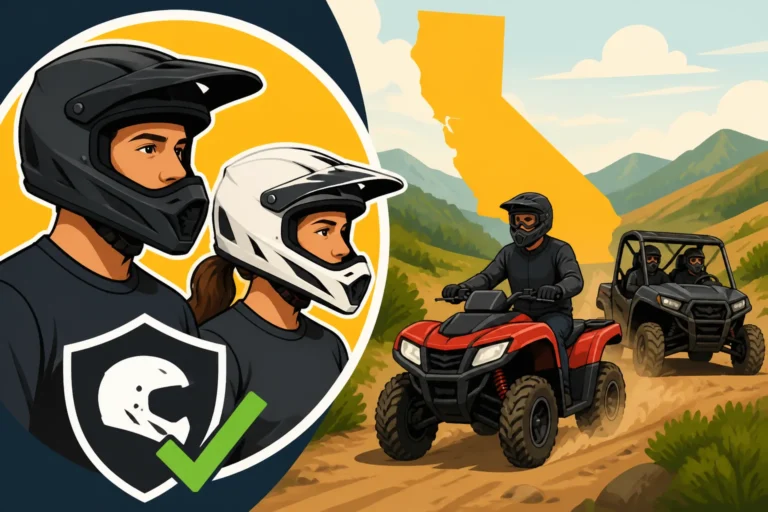
Here's the straightforward truth: if you are operating an All-Terrain Vehicle (ATV) on public land in California, you must wear a safety helmet. There are no exceptions, no waivers, no loopholes for adults, regardless of age or experience. This is covered under [California Helmet Law for ATV Riders]. This rule applies to everyone, from a seasoned veteran tearing up the dunes at Glamis to a new rider cautiously navigating a beginner trail at Hollister Hills.
This isn't just about preventing fatal injuries, though that's obviously paramount. It's also about preventing less severe but still debilitating injuries like concussions or severe lacerations. ATVs, by their very nature, require active riding, shifting your weight, and can be prone to rollovers or ejecting the rider. The helmet is designed for these specific types of impacts, providing essential protection for your head. So, if you're on a quad, just put the helmet on. It's that simple.
Side-by-Side ROV Operators and the Helmet Waiver
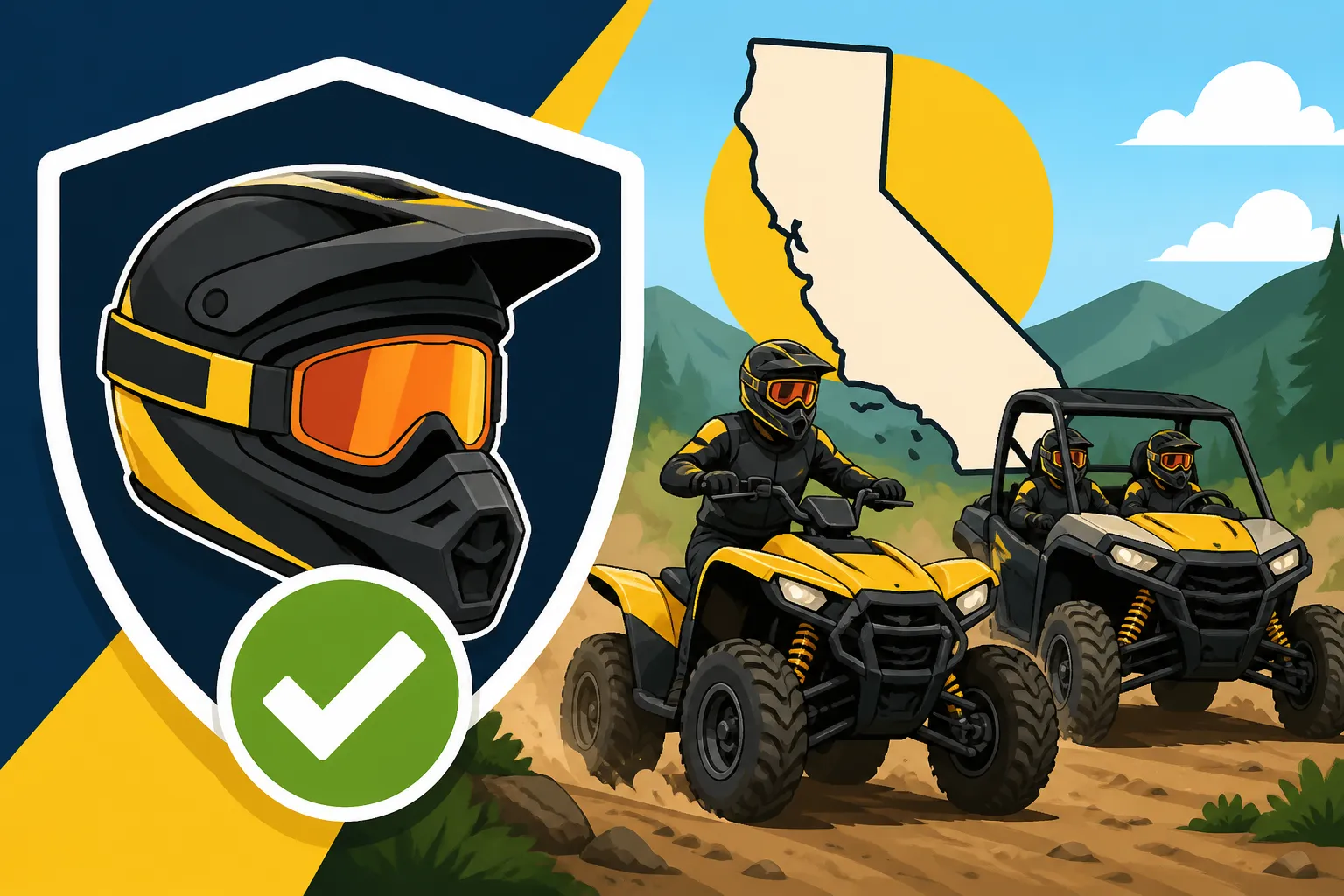
Now, here's where it gets a little more nuanced. For those operating a Side-by-Side (ROV or UTV) on public lands, California law generally requires a helmet, unless specific conditions are met. The main condition? If the ROV is equipped with a rollover protection structure (ROPS), seatbelts, and you are 16 years of age or older and properly secured by a seatbelt, you may be exempt from wearing a helmet. This is often referred to as [California's ROHV Helmet Waiver for Adults].
However, there's a critical caveat: this waiver applies only to adults (16 and older) operating the vehicle. It doesn't mean helmets are optional for everyone in a UTV. And it certainly doesn't mean you shouldn't wear one. Many experienced UTV riders still choose to wear helmets, especially in challenging terrain or during aggressive riding, because even with a ROPS and seatbelts, your head can still strike the cage or other hard surfaces in a sudden impact or rollover. It's a risk assessment that ultimately rests with you, but the waiver does provide the legal option for adult operators under specific circumstances. For more on operating age, check out [California ROV Operator Age Limit].
Passengers: No Exceptions for the Ride-Along Crew
This is a point of frequent misunderstanding, and it's vital to get it right. Regardless of whether you're in an ATV or a UTV (ROV), if you are a passenger, you must wear a safety helmet. There are no waivers for passengers, even in a UTV with a ROPS and seatbelts, if they are under 16 years of age. For children, the rule is absolute. This is clearly outlined in [California Helmet Law for UTV Passengers] and [California Helmet Law for Every Age on Public Land].
Think about it from the perspective of safety. While the operator is focused on driving, a passenger might be less braced for sudden movements or impacts. In an ATV, passengers are generally prohibited on public land due to stability concerns, as explained in [California ATV Passenger Ban Explained], but if you encounter a rare legal passenger scenario, the helmet rule is paramount. In a UTV, even with all the safety features, a passenger's head can still be vulnerable. So, if you're taking friends or family out for a ride, make sure everyone has a properly fitted, certified helmet before you leave camp. No helmet, no ride – it's a simple rule that keeps everyone safer.
Choosing the Right Helmet: Safety Standards and Practical Considerations
Okay, so you know you need a helmet. But not all helmets are created equal, and simply grabbing the cheapest one off the shelf might not give you the protection you truly need. Understanding safety certifications and how to choose a helmet that fits correctly are paramount.
DOT, Snell, and ECE: Understanding Safety Certifications
When you're shopping for an OHV helmet, you'll see various acronyms printed on them: DOT, Snell, and ECE. These aren't just random letters; they represent different safety standards, and understanding them is crucial.
- DOT (Department of Transportation): This is the minimum federal safety standard required for helmets sold for street legal use in the U.S. and is often considered the baseline for off-road use as well. A DOT-certified helmet means it has passed tests for impact absorption, penetration resistance, and retention system effectiveness. While it's a good start, it's a self-certification process, meaning manufacturers test their own helmets.
- Snell (Snell Memorial Foundation): This is a voluntary, independent, non-profit organization that sets much more rigorous testing standards than DOT. Snell-certified helmets undergo more severe impact tests, including multiple impacts to the same spot, and more stringent penetration tests. For serious off-road riders, a Snell rating offers a higher level of confidence in the helmet's protective capabilities. SuperATV often emphasizes safety, and opting for higher safety ratings aligns with that ethos.
- ECE (Economic Commission for Europe): This is the European standard and is highly respected globally. ECE 22.05 (and newer 22.06) is also a comprehensive standard, often considered on par with or even exceeding DOT in some respects, with particular attention to abrasion resistance and chin bar strength. Many motocross and enduro helmets will carry an ECE certification.
For riding in California, a DOT-certified helmet is generally the legal minimum. However, for maximum peace of mind and protection, many riders opt for helmets that meet Snell or ECE standards in addition to DOT. The extra investment is often well worth the enhanced safety.
Open Face vs. Full Face: Matching Your Helmet to Your Ride
The type of helmet you choose should ideally match the type of riding you do and the machine you're on.
- Full Face Helmets: These are the most common and recommended choice for ATV and open-air UTV riding. They provide comprehensive protection for your entire head, including your chin and jaw, which are highly vulnerable in a crash. They are excellent for protecting against face impacts, roost from other vehicles, and flying debris. Many full-face off-road helmets are designed with extended chin bars and good ventilation for comfort during strenuous activity. If you're tackling aggressive trails or riding at higher speeds, a full-face helmet is almost always the superior choice.
- Open Face Helmets (3/4 helmets): These helmets cover the top, back, and sides of your head, but leave your face exposed. While they offer more airflow and a wider field of vision, they offer significantly less protection, especially for your chin and jaw. If you're on a UTV that has a full windshield and you prefer a more open feel, and you meet the legal waiver requirements, an open-face helmet could be an option. However, for any ATV riding or aggressive UTV driving, they are not recommended. If you do opt for one, ensure you pair it with robust eye protection.
The choice between open-face and full-face often comes down to personal comfort and perceived risk, but when it comes to safety on public land, a full-face helmet nearly always offers superior protection.
Fit, Comfort, and Maintenance: Ensuring Your Helmet Works for You
Even the most expensive, highly-rated helmet won't protect you if it doesn't fit properly or isn't maintained.
- Fit is King: A helmet should fit snugly all around your head, without any uncomfortable pressure points. It shouldn't move independently of your head when you try to shift it. If it wobbles, it's too big; if it causes painful pressure, it's too small. Your cheeks should be compressed slightly, and your forehead should feel firm pressure. If you can slide a finger between your forehead and the helmet liner, it's probably too loose. Always try on helmets before buying, and if purchasing online, measure your head carefully and check the manufacturer's sizing chart.
- Comfort for Long Rides: Riding for hours can be exhausting, and an uncomfortable helmet only adds to the fatigue. Look for helmets with good ventilation to prevent overheating, moisture-wicking liners that can be removed and washed, and a weight that feels balanced on your head. Many modern helmets are designed with lightweight materials and advanced venting systems, making them far more comfortable than older models.
- Regular Maintenance: Helmets need care. Inspect yours regularly for cracks in the shell, frayed straps, or damaged D-rings. The EPS (expanded polystyrene) foam liner, which is the primary impact-absorbing material, can degrade over time, especially with exposure to sweat, chemicals, or repeated small impacts. Manufacturers generally recommend replacing helmets every 5-7 years, or immediately after any significant impact, even if there's no visible damage. Always clean your helmet according to the manufacturer's instructions, avoiding harsh chemicals that can degrade materials.
Beyond the Helmet: Other Essential Safety Gear for California Riding
While the helmet is undeniably the most critical piece of safety gear, it's far from the only one you should be considering for your California adventures. Comprehensive protection means thinking head-to-toe.
Eye Protection: Keeping Dust and Debris Out
Riding without proper eye protection is not only incredibly uncomfortable but also dangerous. The sheer amount of dust, dirt, small rocks, and debris that gets kicked up on trails, especially when riding with others, can easily cause eye injuries. Beyond that, branches, insects, and even harsh sunlight can impair your vision, leading to accidents.
- Goggles: For full-face helmets, motocross-style goggles are the standard. Look for models with good ventilation, anti-fog coatings, and a secure fit over your helmet opening. Tinted lenses are great for sunny days, while clear lenses are best for overcast conditions or night riding. Tear-offs or roll-offs are a bonus for dusty or muddy conditions.
- Shields/Glasses: If you're wearing an open-face helmet or in a UTV with a windshield, dedicated riding glasses or a helmet shield are options. Ensure they are shatter-resistant and offer UV protection. Even with a UTV windshield, dust and debris can swirl into the cabin, making glasses or goggles a smart choice. SuperATV often offers accessories like windshields, but remember that these don't negate the need for personal eye protection.
Always carry a spare pair of goggles or a clear lens. Nothing ruins a ride faster than poor visibility.
Gloves, Boots, and Long Clothing: Skin in the Game
Your skin is your body's largest organ, and it deserves protection too. Minor spills can lead to nasty scrapes and abrasions if you're not properly covered.
- Gloves: Riding gloves offer multiple benefits. They protect your hands from blisters, abrasions, and impacts (especially knuckles and palms). They also improve your grip on the handlebars, which is crucial for control, especially when your hands get sweaty or you hit rough terrain. Look for gloves specifically designed for OHV riding, with good dexterity and durable materials.
- Boots: Sturdy, ankle-height boots are essential. They protect your feet and ankles from impacts, crushing injuries, and hyperextension. Regular athletic shoes or sandals offer virtually no protection and are incredibly risky. Motocross boots offer the highest level of protection, extending up the calf and providing robust ankle support and impact resistance. Even general outdoor or hiking boots are better than sneakers.
- Long Clothing: This means long-sleeved shirts and long pants. Denim jeans are a minimum, but dedicated riding pants and jerseys offer superior abrasion resistance, padding, and ventilation. They also protect you from sun exposure, scratches from branches, and insect bites. Layering is always a good idea in California, as temperatures can vary widely from desert heat to mountain chill.
Think of it this way: every exposed piece of skin is a potential injury site. Cover up, even when it's hot.
Body Armor and Neck Braces: Added Protection for Aggressive Riding
For those who ride more aggressively, tackle challenging terrain, or participate in competitive events, additional body armor can significantly enhance safety.
- Chest and Back Protectors: These guard against impacts from roost, handlebars, or the ground. They are particularly valuable in high-speed riding or situations where falls are more likely. Some riders opt for integrated jackets that include elbow, shoulder, and back protection.
- Knee and Elbow Pads: Your joints are vulnerable. Hard shell knee and elbow pads, either standalone or integrated into riding gear, can prevent serious scrapes, bruises, and even fractures.
- Neck Braces: Neck braces are designed to reduce the risk of hyperextension and hyperflexion injuries to the neck and spine. They work by coupling with your helmet to limit excessive head movement in a crash. These are common among motocross riders and can be a wise investment for any rider pushing their limits.
While not legally required, these additional layers of protection demonstrate a commitment to safety that can prevent serious injury and keep you on the trails enjoying your machine for years to come.
Common Misconceptions and Realities of Helmet Use in California
Despite the clear rules and obvious benefits, many riders still harbor misconceptions about helmet use. Let's bust some of those myths wide open.
"I'm Just Going Slow": Speed Doesn't Dictate Risk
This is perhaps one of the most dangerous misconceptions out there. The idea that a slow, casual pace negates the need for a helmet is simply false. Accidents don't only happen at high speeds. A low-speed tip-over can easily result in your head impacting a hard surface with enough force to cause a concussion or worse. Imagine you're just putting around camp, not going more than 5-10 mph, and you hit an unseen rock or soft patch. The machine goes down, your head hits the ground. Even at those speeds, the inertia can be enough to cause serious trauma.
Furthermore, "slow" is subjective. What feels slow to an experienced rider might still be fast enough for a catastrophic outcome in an unexpected event. The truth is, gravity and hard objects don't care how fast you thought you were going. They care about the force of impact. Therefore, the rule remains: if you're operating on public land, wear your helmet, regardless of your intended speed or perceived skill level.
"It's Too Hot/Uncomfortable": Prioritizing Safety Over Comfort
California's deserts can get scorching hot, and a full-face helmet might feel cumbersome. This is a common complaint, and it's understandable. However, prioritizing a few hours of discomfort over potential life-long injury is a trade-off that rarely makes sense. Modern helmets are significantly better ventilated than older models. Look for helmets specifically designed for hot weather, often with multiple intake and exhaust vents. Wearing a moisture-wicking skull cap or balaclava underneath can also help manage sweat and heat.
If comfort is truly an issue to the point where it discourages helmet use, then the solution isn't to ditch the helmet, but to find a more comfortable, better-fitting one. Perhaps trying a different brand or model known for superior ventilation. There are many options on the market, including those from brands focused on rider comfort and safety. Ultimately, a moment of feeling too hot or slightly restricted is a small price to pay for the protection a helmet provides.
The "Street Legal" Fallacy: Public Land Rules Still Apply
Some UTV owners might think that because their machine could potentially be street legal in certain areas (though true street legality for most OHVs in California is complex and rare, as discussed in [Are ATVs Street Legal in California?]), they are exempt from public land helmet rules. This is a dangerous fallacy. California's helmet laws for OHVs are specific to public off-highway motor vehicle recreation areas and any other public lands where OHV use is permitted.
Even if you're on a combined-use highway segment or a designated county road (which are limited, see [California's 3-Mile Combined-Use Cap]), the moment you enter an OHV recreation area or designated trail, the OHV rules, including helmet requirements, kick back in. A street-legal plate, if you somehow acquired one, does not override the safety regulations for off-road use. You're riding an OHV, and when you're on public OHV land, you follow OHV rules. There's no getting around it, and rangers are very clear on this point.
The Consequences of Non-Compliance: Fines and What to Expect
Ignoring California's helmet laws isn't just about risking your safety; it's also about risking your wallet and your riding privileges. Rangers and law enforcement take these regulations seriously, and ignorance is rarely an excuse.
On-the-Spot Citations: The Cost of Skipping Safety
Let's not sugarcoat it: if a park ranger, sheriff's deputy, or California Highway Patrol (CHP) officer sees you riding an ATV without a helmet on public land, or a UTV passenger without one, you're very likely going to get a ticket. The fines for helmet violations can be substantial, often starting in the hundreds of dollars. This isn't just a slap on the wrist; it's a significant financial hit that could have easily been avoided by simply wearing the required gear.
Imagine spending your hard-earned money on fuel, camping fees, and accessories like those from SuperATV, only to have a significant portion of your budget wiped out by a preventable fine. It's a frustrating situation that can sour an otherwise perfect weekend. These citations are typically issued on the spot and are non-negotiable in the field. You'll have to deal with the court system, which means more time, potentially more fees, and hassle.
Injury Liability and Insurance Implications
Beyond the direct fines, riding without a helmet can have far-reaching consequences in the event of an accident, particularly concerning liability and insurance. If you sustain a head injury while not wearing a legally required helmet, your medical insurance might question coverage, or adjusters could argue that your injuries were exacerbated by your non-compliance. This could lead to higher out-of-pocket medical expenses.
Furthermore, if you are involved in an accident with another rider, and you were not wearing a helmet, even if the other party was at fault, your failure to wear protective gear could be used against you to reduce any settlement or compensation you might be entitled to. It complicates everything. Proper insurance is key, but fulfilling your legal obligations by wearing a helmet helps ensure that your insurance can fully support you when you need it most.
Park Ranger and Law Enforcement Discretion
While the laws are clear, individual rangers and officers do have some discretion. However, helmet laws are generally considered non-negotiable for safety reasons. It's not like a minor equipment infraction that might warrant a warning. Failing to wear a helmet is seen as a direct endangerment to yourself and a violation of fundamental safety protocols in an inherently risky activity.
You might be able to talk your way out of a minor issue, but a helmet violation is usually a clear-cut offense. Expect rangers at popular SVRAs like Oceano Dunes or Glamis to be particularly vigilant, especially on busy weekends. They are there to enforce safety and prevent injuries, and a helmet is central to that mission. Don't put them in the position of having to issue a citation because you chose to leave your helmet behind.
Special Scenarios: Kids, Passengers, and Sanctioned Events
The general rules cover most situations, but there are specific considerations for minor riders, passengers, and when participating in organized events.
Minor Riders: Age Restrictions and Supervision
California is very strict when it comes to young riders. Any person under 18 years of age operating an OHV on public land must wear a safety helmet. There are absolutely no exceptions or waivers for minors, regardless of the type of OHV they are riding (ATV, UTV, dirt bike, etc.) or if they are in a UTV with a ROPS. This is a crucial element of [California Rules for Riders Under 18].
Additionally, there are age restrictions for operating certain machines and supervision requirements. For example, children under 14 operating an ATV must be supervised by a certified adult. All riders under 18 must possess a valid ATV Safety Certificate or be under the direct supervision of an adult who possesses one. This comprehensive approach to youth safety highlights the state's commitment to protecting its youngest riders, and the helmet is always at the core of that protection. If you're bringing kids out, ensure they have properly fitting, DOT-certified helmets, no excuses.
Side-by-Side Passengers: When Helmets Are Still Mandatory
While adult operators of UTVs might be able to utilize the helmet waiver under specific conditions (ROPS, seatbelts, 16+ years old), this waiver does not extend to passengers. Every passenger in a UTV on California public land, regardless of age, must wear a safety helmet. This is a point of confusion for many new UTV owners, especially those coming from other states with different regulations.
Imagine this: you've got your new SuperATV cage installed, all the bells and whistles, and you're feeling safe in your UTV. You, the driver, might legally go without a helmet if you're 16 or older and buckled in. But your spouse, your friend, or your child in the passenger seat? They all need helmets. No exceptions. This is critical for preventing head injuries among those who are along for the ride and may not be actively bracing for impacts. Always refer to [California Helmet Law for UTV Passengers] to ensure compliance.
Organized Events and Rental Requirements
When participating in a sanctioned event, race, or even an organized group ride on public land, event organizers often have even stricter safety requirements than the state minimums. It's common for helmets to be mandatory for all participants and sometimes even spectators in certain areas. Always check the specific rules of any event you plan to attend.
Similarly, if you're [Riding a Rented Quad in California] or UTV from a rental agency, they will almost certainly require you to wear a helmet. Most reputable rental shops will provide DOT-certified helmets as part of the rental package and will make it clear that helmet use is mandatory. They often require you to sign waivers acknowledging these rules. They do this not just for legal compliance, but because they are responsible for your safety and the condition of their equipment. Don't expect to rent a machine and then forgo the helmet; it simply won't happen.
Making Safety a Habit: Preparing for Your California OHV Adventure
Safety on the trails isn't a one-time thought; it's a mindset and a series of habits you cultivate before, during, and after every ride. Integrating helmet use and overall safety into your routine ensures every adventure is a good one.
Pre-Ride Checks: Helmet, Gear, and Machine Readiness
Before you even load up the rig or hit the trail, a thorough pre-ride check is essential. This isn't just about your machine; it's about your personal readiness too.
- Helmet Inspection: Always inspect your helmet. Look for any cracks, dents, or signs of wear. Check the chin strap for fraying and ensure the D-rings or quick-release buckle are functioning correctly. Make sure the padding is still secure. If you've had a crash, even a minor one, replace your helmet.
- Gear Check: Lay out all your gear – helmet, goggles, gloves, boots, long pants, long-sleeved shirt – and make sure everything is in good condition. Missing a single item can compromise your protection. Ensure your goggles are clean and scratch-free for optimal visibility.
- Machine Readiness: Beyond your personal gear, ensure your OHV is in top shape. Check tire pressure, fluid levels, brakes, lights, and ensure all nuts and bolts are tight. A well-maintained machine is less likely to break down or cause an accident. If you're heading to a specific riding area, remember to have your [California OHV Registration Paperwork Checklist] completed and accessible.
Making these checks a routine before every ride takes only a few minutes but can prevent major headaches and even serious injuries.
Educating Your Group: Spreading the Safety Message
If you ride with friends or family, you have a responsibility to not only ensure your own safety but also to promote safe practices within your group. This includes openly discussing helmet use and other safety gear.
- Lead by Example: The most effective way to encourage helmet use is to always wear yours. If you're consistently putting on your helmet and encouraging others to do the same, it becomes the norm, not the exception.
- Gentle Reminders: If you see a friend forgetting their helmet or other essential gear, offer a friendly reminder. A simple, "Hey, don't forget your lid!" can make all the difference. Sometimes, people genuinely forget or get distracted.
- Explain the "Why": Rather than just dictating rules, take the time to explain why helmets are so important. Share stories (without being preachy) about close calls or the real consequences of head injuries. Emphasize that it's about protecting each other so everyone can enjoy the ride safely. A strong community ethos around safety is invaluable.
Staying Informed: Rules Can Change
California's OHV laws and regulations, while relatively stable on core safety issues like helmets, can occasionally see updates or refinements. Land use rules, specific park requirements, or even interpretations by local agencies can evolve.
- Check Official Sources: Before heading out, especially to a new riding area or after a long break, it's always a good idea to check the California State Parks Off-Highway Motor Vehicle Recreation (OHMVR) Division website or the specific land management agency (e.g., BLM, Forest Service) for the area you plan to visit.
- Park Bulletins: Many SVRAs and popular riding areas will post updated rules or advisories at their entrances or online. Pay attention to these. They often include information on fire restrictions, temporary closures, or specific safety requirements for that location.
- Community Forums: Engage with other riders in online forums or local clubs. While not official sources, these communities are often quick to share information about rule changes or enforcement trends, giving you a heads-up.
By staying informed and making safety a cornerstone of your OHV experience, you ensure that your California adventures remain thrilling, memorable, and most importantly, safe for everyone involved.
Disclaimer
This article is for general informational purposes only and does not constitute professional advice. Laws, prices and regulations vary by location and change over time. Consult a qualified professional for guidance on your specific situation.