Buying a Quad With a Lost Title
It's an all too common scenario: you've been scouring the online marketplaces, dreaming of hitting the dunes or trails, and you finally spot that perfect quad or UTV. The price is right, the machine looks great, and you're ready to make an offer. Then comes the catch – the seller casually mentions they've "lost the title." Instantly, that dream deal starts to feel like a potential nightmare. This guide is here to help you navigate the tricky waters of buying an off-highway vehicle (OHV) in California when the all-important title is missing, ensuring you protect your investment and avoid headaches down the road.
The Initial Red Flags: What to Watch Out For When a Title is Missing
When a seller tells you they don't have the title for an OHV, your internal alarm bells should absolutely be ringing. While sometimes it's an honest mistake – maybe a flood, a fire, or simply years of misfiling – it can also be a significant red flag pointing to deeper, more serious problems. Don't let your excitement for a new machine blind you to these potential pitfalls.
Why Titles Go Missing (The Good, The Bad, and The Ugly)
On the more innocent side, people genuinely lose titles. They move, documents get misplaced, or a storage unit gets cleared out. It happens. For these situations, there's usually a clear path for the seller to obtain a duplicate title from the California Department of Motor Vehicles (DMV). However, the absence of a title can also signal something far more problematic. The machine could be stolen, have an undisclosed lien against it from a bank or lender, or even be a salvaged vehicle that hasn't been properly documented. You could unknowingly become entangled in legal issues, lose your investment, or even worse, find yourself in possession of stolen property. This is why due diligence is not just recommended, it's absolutely essential.
Essential Steps Before Even Considering a Purchase
Before you even think about handing over cash, you need to verify the seller's legitimacy and the machine's history. First and foremost, get the Vehicle Identification Number (VIN). This 17-digit code is your key to unlocking the machine's past. You'll find it stamped on the frame, usually near the steering head on a dirt bike or ATV, or on the frame near the engine or on the driver's side floorboard for a UTV. Once you have the VIN, do a thorough check. You can use services that specialize in vehicle history reports, similar to how you would for a car. These reports can reveal if the vehicle has been reported stolen, if there are any liens against it, or if it's been involved in major accidents. While these services typically focus on street-legal vehicles, some also cover OHVs, or at the very least, they can cross-reference VINs against national databases for theft.
Another critical step is to compare the VIN on the machine with any old registration cards or other documents the seller might possess. If the seller has any old paperwork, even if it's expired registration, cross-referencing the VIN is crucial. If the VINs don't match, or if any numbers look tampered with, walk away immediately. Trust your gut. If something feels off, it probably is.
Navigating the Sale: Steps to Take with a Title-less Quad
So, you've done your initial checks, and the VIN seems clean. Now what? The process for buying an OHV without a title in California is less about you trying to get a title, and more about ensuring the seller can secure a duplicate title so they can legally transfer ownership to you.
Requiring the Seller to Obtain a Duplicate Title
The safest and most recommended approach is to insist that the seller obtains a duplicate title before you finalize the purchase. In California, if the registered owner has lost their title, they can apply for a duplicate using a form called Application for Duplicate Title (REG 227). This process typically takes a few weeks, but it's the surest way to ensure a clean transfer. You might suggest placing a deposit on the machine, with the full payment contingent on the seller providing a clear title in their name ready for transfer. This gives them the incentive to complete the process and protects your money.
During this waiting period, maintain regular communication with the seller. Ask for updates on the DMV's progress. If they drag their feet or make excuses, it might be another sign to reconsider the deal. Remember, a legitimate seller will have no problem going through this process to ensure a smooth sale. You can check out our guide on [Replacing a Lost California OHV Title] for more details on this process.
The Role of a Bill of Sale
Even if the seller is working on getting a duplicate title, a comprehensive Bill of Sale is non-negotiable. This document serves as your proof of purchase and includes vital information about the transaction. A robust Bill of Sale should include:
- Seller's Full Legal Name and Address: Verify this with their government-issued ID.
- Buyer's Full Legal Name and Address: Yours, of course!
- Date of Sale: The exact date the transaction takes place.
- Detailed Vehicle Description: Make, model, year, and crucially, the full VIN.
- Purchase Price: Clearly state the amount paid.
- Signatures: Both the buyer and seller should sign, and it’s highly advisable to have it notarized if possible. While not always legally required for OHV sales, notarization adds an extra layer of authenticity and can be invaluable if disputes arise later.
You can find templates for comprehensive bills of sale from various legal document providers, including services like LawDepot, which offers customizable forms to ensure you cover all the necessary bases. This is your primary legal protection when you don't have the title in hand at the moment of sale. For more on this, consult [California OHV Bill of Sale Requirements].
What If the Seller Won't Get a Duplicate Title?
If the seller absolutely refuses to obtain a duplicate title, claiming it's too much hassle or they don't have the time, this should be a major warning sign. In such cases, you are taking on significant risk. If you choose to proceed, you will likely need to go through a more involved process with the California DMV, essentially proving ownership yourself. This often involves submitting an Application for Title or Registration (REG 343) and potentially a Statement of Facts (REG 256) explaining why the original title isn't available, along with a bond if the vehicle's value exceeds a certain amount. This path is complex and can be expensive and time-consuming, with no guarantee of success. Our guide on [California OHV Registration Without a Title] dives deeper into this challenging scenario.
The California DMV's Stance: Registering an OHV Without a Title
The California DMV prefers a clear chain of title. When a title is missing, they need to be convinced that you are the rightful owner and that there are no outstanding claims or legal issues with the machine. This means extra paperwork and extra scrutiny.
Proving Ownership and Applying for a New Title
If the seller cannot or will not provide a duplicate title, you will need to apply for a title and registration yourself. This process typically starts with the REG 343 form, which is an Application for Title or Registration. On this form, you'll indicate that the original title is unavailable. You'll also need a Vehicle Verification (REG 31), which requires an authorized California DMV employee or a licensed vehicle verifier to physically inspect the OHV and confirm its VIN. This is a crucial step to ensure the vehicle hasn't been stolen and that the VIN matches the manufacturer's records. You can learn more about this in [California Vehicle Verification Requirements].
In many cases, if the original title is missing and the vehicle hasn't been registered in your name before, the DMV may require a Statement of Facts (REG 256) where you explain the circumstances of the purchase and why the title is missing. You might also need a lien release if the VIN check reveals an outstanding lien. This is where a detailed Bill of Sale, potentially witnessed or notarized, becomes incredibly important as supporting evidence.
Potential Hurdles: Liens, Bonds, and Verification
One of the biggest hurdles when a title is missing is the possibility of an undisclosed lien. If a previous owner used the OHV as collateral for a loan, and that loan wasn't paid off, the lienholder (the bank or lender) still legally owns a part of that machine. Until that lien is satisfied, you won't be able to get a clear title. A VIN check is essential for uncovering this, but sometimes older liens or private party loans might not show up on standard reports.
The DMV may also require a motor vehicle bond if the value of the OHV exceeds a certain amount. This bond essentially protects the state and any previous owners or lienholders against future claims of ownership. It's an added cost and an extra step in the process, making that "deal" less of a deal. The cost of such a bond varies based on the vehicle's value. You'll need to secure this bond from a surety company and then submit it to the DMV. The requirements for this can be quite specific, so it's always best to consult with the DMV directly or a vehicle registration service for the most current information.
Where to Go for Assistance
Navigating this process can be daunting, and the DMV can be particular about its forms and procedures. If you're struggling, consider utilizing a licensed vehicle registration service. These businesses specialize in handling DMV paperwork and can often guide you through complex situations like lost titles, ensuring all forms are correctly filled out and submitted. They can also assist with the vehicle verification process and help identify any hidden issues. While there's a fee for their services, it can often save you significant time and frustration. Taking an OHV to a California DMV field office is another option, though appointments are often necessary. [California OHV Registration Appointment at the DMV] can help you prepare for that.
Protecting Your Purchase: Essential Documentation and Follow-Up
Even if you go through the rigorous process of securing a title for an OHV purchased without one, your vigilance shouldn't end there. Protecting your investment means keeping meticulous records and understanding your ongoing responsibilities.
The Paper Trail: Keeping All Documents Secure
From the moment you start investigating an OHV without a title, every piece of paper is vital. Keep copies of:
- All communications with the seller: Emails, text messages, anything that documents your agreement or their statements.
- The Bill of Sale: This is your primary proof of ownership. Make multiple copies, store digital versions, and keep the original safe. As mentioned, LawDepot can provide excellent templates for this.
- VIN check reports: Any history reports you purchased.
- DMV forms: All applications (REG 343, REG 227, REG 256), verification forms (REG 31), and any receipts for fees paid.
- Lien releases: If applicable, keep originals of any documents proving a lien has been satisfied.
- Surety bond documentation: If you had to secure a bond.
This comprehensive paper trail will be invaluable should any questions or disputes about ownership arise in the future. It’s always better to have too much documentation than not enough.
Registering Your OHV: The Final Step
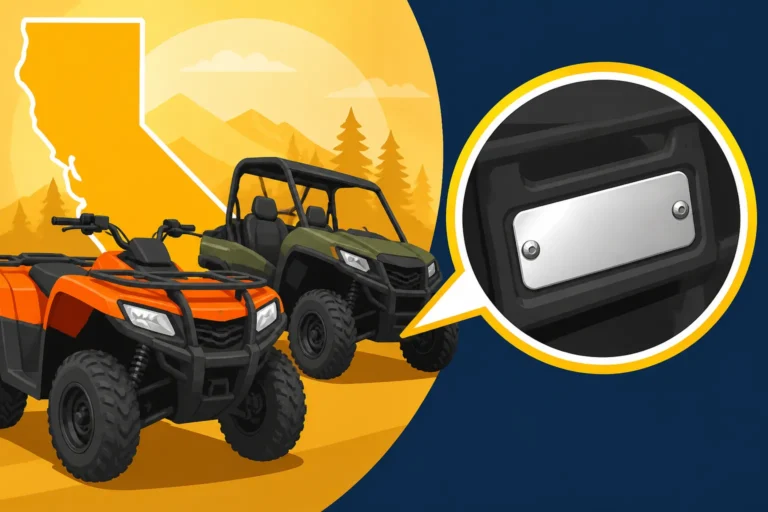
Once you've successfully obtained a new California Certificate of Title in your name, the next crucial step is to complete the OHV registration process. This means getting your California OHV Green, Red, or Tan sticker and an ID plate if applicable. [California Issues a Certificate of Title] explains more about the title itself. You’ll need to pay the appropriate registration fees, which include various components that fund OHV programs and public lands across the state. Our guide on [California's $54 OHV Registration Fee Broken Down] details what these fees cover.
It’s important to understand the different types of stickers – Green, Red, and Tan – as they dictate where and when you can ride your machine on California's public lands. The sticker type depends on the model year and emissions compliance of your OHV. Getting this registration squared away not only makes your machine legal for riding but also means you're contributing to the maintenance and expansion of riding areas that we all love. For detailed information on this, check out [Green, Red and Tan: California's Three Stickers].
The Long-Term View: Why a Clear Title Matters
Having a clear title in your name isn't just about legality; it's about future-proofing your investment. When you eventually decide to sell your OHV, having a clean, readily available title will make the process infinitely smoother. Buyers are often wary of machines without titles, and you’ll find it much easier to attract legitimate buyers and get a fair price when you can provide all the necessary paperwork. A clear title also helps establish the machine's value and protects you from any future claims that might arise from a past owner. While it can be a hassle up front, ensuring you get that title solidified early on will save you a world of trouble down the line. It's a fundamental aspect of responsible OHV ownership in California.
Disclaimer
This article is for general informational purposes only and does not constitute professional advice. Laws, prices and regulations vary by location and change over time. Consult a qualified professional for guidance on your specific situation.