California OHV Vehicle Verification Requirements
Navigating the world of California OHV registration can feel like trying to find your way through a maze blindfolded, especially when you hit the often-confusing requirement for vehicle verification. It’s a step that trips up countless off-road enthusiasts, leaving them wondering why it's needed and who can even do it. This comprehensive guide is here to untangle the complexities of California's OHV vehicle verification requirements, helping you understand when it's necessary, who performs it, and exactly what to expect so you can get your machine registered and hit the trails without unnecessary delays.
Why Vehicle Verification Is a Crucial Step in California OHV Registration
When you're eager to get out to Glamis or Hungry Valley, the last thing you want is a bureaucratic hurdle. But vehicle verification isn't just arbitrary red tape; it serves several really important purposes in California's system for off-highway vehicles. It's designed to protect buyers, ensure compliance, and combat theft, making the trails safer and more regulated for everyone.
Preventing Theft and Ensuring Ownership
Imagine buying a fantastic deal on a used quad, only to find out later it was stolen. It's a nightmare scenario no rider wants to face. Vehicle verification acts as a critical checkpoint to prevent this very thing. During the verification process, a qualified individual inspects your OHV to confirm its unique identifying numbers, like the Vehicle Identification Number (VIN) and engine number, match the ownership documents you present. This cross-referencing helps ensure that the machine you're trying to register legitimately belongs to you and hasn't been reported stolen. It's a proactive measure that saves everyone a lot of heartache down the road. This is especially vital when you're [Buying a Used Quad in California] from a private seller.
Confirming Compliance and Machine Details
California has specific rules about the types of OHVs that can operate on public lands, including emissions standards and safety features. Verification helps confirm that the machine you're bringing into the system meets these requirements. For instance, the verifier will often look for emission labels (like [CARB Labels and What They Tell You]) and other manufacturer markings that indicate the vehicle's origin and compliance status. This is particularly important for newer machines, or those being brought in from out of state, to determine eligibility for a [California's Green Sticker Explained], Red Sticker, or even a [California Tan Sticker Eligibility]. It ensures that all OHVs registered in the state are properly identified and meet the necessary standards, contributing to both environmental protection and rider safety.
Establishing a Clear Record with the State
Every time an OHV is registered, transferred, or brought into California from another state, the DMV needs to establish a clear and accurate record. Verification ensures that the information entered into the state's database—the VIN, make, model, and year—is correct. This foundational accuracy is essential for everything from tracking ownership changes to issuing replacement titles. Without a precise verification, future transactions, like [Transferring a California OHV Registration] or even just renewing your biennial sticker, could become incredibly complicated. It's about maintaining integrity in the state's official records, which benefits all legitimate OHV owners.
When Your California OHV Needs Vehicle Verification
It's easy to assume that once you buy a machine, you just walk into the DMV, pay your fee, and walk out with a sticker. But the reality is that vehicle verification is a specific requirement that comes up in several key scenarios. Knowing these situations beforehand can save you a trip or a lot of frustration.
Registering a Machine Purchased Privately in California
If you buy an OHV from a private party in California, even if it's already had a [Registering an OHV in California] sticker in the past, it will typically need verification. This is because the DMV wants to ensure that the VIN and other identifying marks match the ownership documents (like the title) being presented by the new owner. It’s a safeguard against fraud and helps confirm the legitimate transfer of ownership. Many private sellers don't realize this, which can sometimes lead to confusion at the DMV. Make sure you have the signed-off [Selling an OHV and Signing the California Title] in hand, along with a solid bill of sale (which a service like LawDepot can help you draft).
Bringing an OHV into California from Another State
Moving to California and bringing your beloved quad or side-by-side with you? Or perhaps you purchased a machine out of state and are bringing it back to ride the California dunes. In most cases, your OHV will absolutely need verification as part of the process to [Registering an Out-of-State Machine in California]. This is critical for several reasons:
- Establishing State Records: California needs to record your vehicle's information accurately into its system for the first time.
- Emissions Compliance: The verifier will often check for California Air Resources Board (CARB) compliance, which can affect whether your machine qualifies for a Green or Red Sticker. This is a common point of confusion for out-of-state buyers who might not be familiar with California's stringent emissions rules.
- Preventing "Grey Market" Machines: Verification helps weed out machines that might not meet U.S. safety or emissions standards, or those that might have been imported without proper documentation.
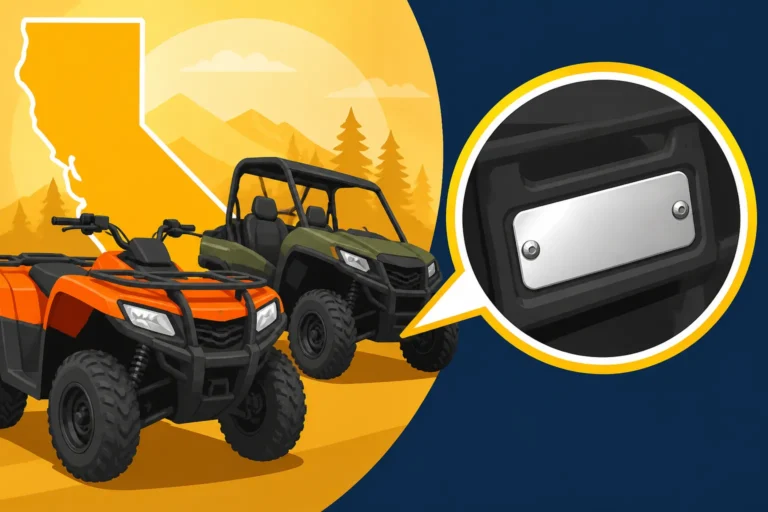
This step is a bit like an official welcome for your machine into the California OHV family, ensuring it meets all the local requirements before it gets its state-issued ID plate.
Registering a Brand New OHV from a Dealer
Generally, when you purchase a brand-new OHV from a licensed California dealer, the dealer handles most of the registration paperwork, including ensuring it meets verification standards before it ever leaves their lot. They'll submit the necessary documents to the DMV on your behalf, so you typically won't need to take your shiny new machine in for a separate verification. However, always double-check with your dealer about the exact process and what documents you'll receive to confirm your registration is complete.
Registering a Homebuilt or Specially Constructed OHV
For those incredibly resourceful riders who've built their own sand rail, buggy, or custom off-road machine from the ground up, verification is a definite requirement. These unique machines don't come with a manufacturer's VIN, so the DMV needs to assign one and verify its construction. This process is much more involved, often requiring a visit to a specialized verification facility or a specific type of verifier to inspect the frame, engine, and other major components to ensure they meet basic safety and identification standards. It's a testament to your craftsmanship, but also a necessary step for legal operation.
Replacing a Lost or Rebuilt Title
If you've had the misfortune of losing your OHV's title, or if your machine was declared salvaged and then rebuilt, you'll likely need vehicle verification to get a new title issued or reinstate its registration. This is especially true for machines with a "salvage" brand on their title. The verification ensures that the machine is structurally sound (if rebuilt) and that its identifying numbers are still intact and match the state's records before a clean title can be issued. The process for [Replacing a Lost California OHV Title] involves specific forms and, often, a verification to confirm the vehicle's identity before issuing a duplicate.
Who Can Perform an OHV Vehicle Verification in California?
This is where many people get stuck. It’s not just anyone who can sign off on your OHV's verification form. California has a specific list of individuals and entities authorized to perform this important inspection. Knowing your options can save you a lot of time and hassle.
California Department of Motor Vehicles (DMV)
The most common place to get an OHV verified is at a California DMV field office. However, it's not always a walk-in service. You often need to make an appointment, and not all field offices have staff trained or available to perform OHV verifications on demand. It's crucial to call ahead or check the DMV website for specific office capabilities and to schedule an appointment. When you visit a [Taking an OHV to a California DMV Field Office], the verifier will typically complete the appropriate section of [California Vehicle Verification on Form REG 31] or [What California's Form REG 343 Asks For], depending on the specific transaction. Be prepared for potential wait times, even with an appointment, and ensure your OHV is accessible for inspection.
California Highway Patrol (CHP)
For more complex cases, such as homebuilt machines, those with questionable VINs, or vehicles that have undergone significant alterations, the California Highway Patrol (CHP) is often the agency tasked with verification. CHP officers have specialized training to identify altered or fraudulent VINs and can conduct more thorough inspections. While the DMV handles routine verifications, the CHP steps in when there are red flags or unique circumstances. You would typically be directed to the CHP if the DMV verifier encounters an issue they cannot resolve.
Licensed Vehicle Verifiers
Did you know there are private businesses and individuals licensed by the DMV to perform vehicle verifications? These licensed vehicle verifiers, sometimes called "mobile verifiers," offer a convenient alternative to the DMV, especially if you have a large OHV that's difficult to transport or if you simply want to avoid DMV lines. They can come to your location, inspect your OHV, and fill out the necessary verification forms. While they charge a fee for their service, the convenience can be well worth it for many riders. When searching for one, make sure they are specifically licensed for OHVs, as some verifiers only handle highway vehicles.
Other Authorized Personnel
In some specific instances, other entities may be authorized to perform a verification:
- Select Law Enforcement Agencies: Beyond the CHP, some local police departments or sheriff's offices may have officers authorized to perform verifications, particularly in rural areas where DMV or CHP access might be limited. This is less common for OHVs but worth investigating if you're in a remote location.
- DMV-Approved Business Partners: Certain businesses, like large dealerships, might have personnel authorized to perform verifications as part of their services, especially for new vehicle sales or trade-ins. However, this usually applies to the vehicles they sell or process directly.
It's always best practice to confirm the authority of the verifier beforehand to avoid issues.
The Vehicle Verification Process: What to Expect and How to Prepare
Approaching your OHV verification with a clear understanding of the process and what's expected can turn a potentially stressful situation into a smooth one. Preparation is truly your best friend here.
Essential Documents to Bring
Before you even think about loading your OHV onto a trailer, gather all the necessary paperwork. Missing even one document can lead to a rejected verification and another trip. Here's a checklist of what you'll typically need:
- Proof of Ownership: This is usually the original Certificate of Title. If you're [Registering an Out-of-State Machine in California], bring its out-of-state title or registration. For a brand new machine, you'll have the Manufacturer's Certificate/Statement of Origin (MCO/MSO).
- Application for Title or Registration (Form REG 343): This is the core form for your registration. Have it filled out as completely as possible before you arrive. [What California's Form REG 343 Asks For] covers all the details you'll need.
- Vehicle Verification Form (Form REG 31): While the verifier will fill out a section of this, it's good to have it ready, especially if you're using a mobile verifier.
- Bill of Sale: If you purchased the OHV from a private party, a comprehensive bill of sale is crucial. It details the transaction and proves your acquisition of the vehicle. Services like LawDepot can help you generate a legally sound bill of sale.
- Photo Identification: Your valid driver's license or state-issued ID.
- Previous Registration Card: If applicable, especially for renewals or transfers.
- Any Other Supporting Documents: This could include lien releases, probate documents if you inherited the OHV, or import documents for grey market machines.
Think of it as bringing your OHV's entire life story in paper form.
What the Verifier Will Inspect
Once you're at the verification site (be it the DMV, CHP, or a licensed mobile verifier), the inspector will focus on several key areas of your OHV.
- Vehicle Identification Number (VIN): This is the primary focus. The verifier will locate the VIN (usually stamped on the frame) and compare it against your title and registration paperwork. They'll check for any signs of tampering, alteration, or inconsistencies. It's a good idea to know where your VIN is located on your specific machine model before your appointment.
- Engine Number: Many OHVs also have a unique engine number. The verifier will check this number against records if required, especially for older or custom-built machines.
- Emissions Labels: As mentioned earlier, California has strict emissions regulations. The verifier will look for the manufacturer's emissions label, often found on the frame, engine, or exhaust system, to confirm compliance, which directly impacts whether your machine qualifies for a Green or Red Sticker.
- Physical Description: They'll confirm the make, model, year, and color of your OHV match the documents. This is a quick visual check.
- Safety Features (Less Common, But Possible): While not a full safety inspection, if anything obviously non-compliant stands out, it might be noted. For specific transactions like salvaged rebuilds, a more thorough safety inspection might be mandated.
The verifier will complete the appropriate section of [California Vehicle Verification on Form REG 31], signing and dating it to certify that the inspection was performed and the information is accurate.
Tips for a Smooth Verification Experience
- Clean Your OHV: It might seem obvious, but a dirty machine can hide VINs, engine numbers, and emission labels. Give your OHV a good wash before you go, especially the areas where these numbers are located.
- Know Your VIN Location: Don't make the verifier hunt for it. If you know exactly where your VIN is stamped on the frame, you can point it out, saving time.
- Ensure Accessibility: Make sure your OHV is easily accessible for inspection. If it's on a trailer, ensure it can be easily unhitched or positioned for a full walk-around.
- Schedule an Appointment: For DMV or CHP visits, an appointment is almost always necessary for [California OHV Registration Appointment at the DMV] and can drastically reduce your wait time.
- Be Patient and Polite: Verifiers are doing their job. A little patience and courtesy can go a long way in ensuring a positive experience.
- What if There's an Issue? If the verifier finds a discrepancy, such as a VIN that doesn't match, or an altered number, your verification will not be approved. You'll be advised on the next steps, which could involve contacting law enforcement for a stolen vehicle check, or seeking further clarification from the previous owner. This is precisely why the verification process exists—to flag potential problems before they become bigger issues.
Getting your OHV verified might feel like just another hoop to jump through, but it's a vital part of protecting your investment and ensuring everyone on California's fantastic trails is riding legally and safely. With this guide, you should be well-equipped to tackle the process head-on.
| Verification Scenario | Typical Verifier(s) | Required Documents (Key) | Key Focus of Inspection |
|---|---|---|---|
| Private Party Purchase (CA) | DMV, Licensed Vehicle Verifier | CA Title, Bill of Sale, REG 343 | VIN match to title, overall machine description |
| Out-of-State OHV | DMV, Licensed Vehicle Verifier, CHP (complex cases) | Out-of-State Title/Registration, Bill of Sale, REG 343, Smog/CARB info (if applicable) | VIN match, CARB label, emissions compliance, general description |
| Brand New from CA Dealer | Dealer (internal verification, submits docs for you) | MCO/MSO, Sales Contract (dealer handles most submissions) | Confirmed by dealer, no direct action usually needed by buyer |
| Homebuilt/Specially Constructed | CHP, Specialized Licensed Verifier | Build receipts, Component titles, REG 343, REG 31, Statement of Construction | Assigned VIN, structural integrity, component identification |
| Lost/Rebuilt Title | DMV, CHP (salvage cases) | REG 343, REG 31, Salvage Certificate, Proof of repairs/receipts (for rebuilt) | VIN confirmation, previous title status, safety (for rebuilt) |
Disclaimer
This article is for general informational purposes only and does not constitute professional advice. Laws, prices and regulations vary by location and change over time. Consult a qualified professional for guidance on your specific situation.