California OHV Registration for a UTV
Getting your UTV registered in California can feel like navigating a maze blindfolded. With all the different rules for dirt bikes, ATVs, and the constant chatter about "street legal" possibilities (or impossibilities), it's easy to get overwhelmed and worried you'll miss a crucial step. This guide is here to cut through the confusion and give you a clear, step-by-step path to properly registering your UTV for California's incredible trails and dunes, ensuring you're ready to ride legally.
Understanding California's OHV Registration for UTVs
When you first bring home a shiny new (or new-to-you) UTV, the excitement is palpable! But before you hit the sand or trails, understanding how California classifies and registers these machines is absolutely critical. It's not just about getting a plate; it's about making sure your pride and joy is road-ready in the off-road sense, meeting all the state's very specific requirements.
What Qualifies as an OHV in California?
First off, let's talk about what an "Off-Highway Vehicle" (OHV) truly means in the Golden State. Essentially, an OHV is any motor vehicle used exclusively off the public roads. This umbrella term covers a wide range of machines, from dirt bikes and ATVs to dune buggies, snowmobiles, and, of course, our beloved UTVs (Utility Terrain Vehicles), also commonly known as Side-by-Sides or SXS. The key differentiator for these vehicles is that they are designed and manufactured for off-road use only. They don't meet the stringent safety, emissions, or equipment standards required for highway operation, which is a major point of confusion for many riders. In California, you absolutely cannot register a UTV for regular street use; the vehicle code simply doesn't allow it for vehicles designed as OHVs. This is a fundamental concept that sets the stage for their registration process.
Think of it this way: your UTV is built for conquering sand dunes, rocky trails, and desert washes, not for picking up groceries at the local supermarket via the freeway. This focus on off-road capability dictates every aspect of its registration, from the type of identification it receives to the rules governing where and when you can ride it. Whether it's a high-performance sport UTV built for speed or a robust utility model designed for chores and recreation, if it's not street legal from the factory, it's an OHV in California's eyes, and it needs that special off-highway identification.
The Different Sticker Types for California OHVs
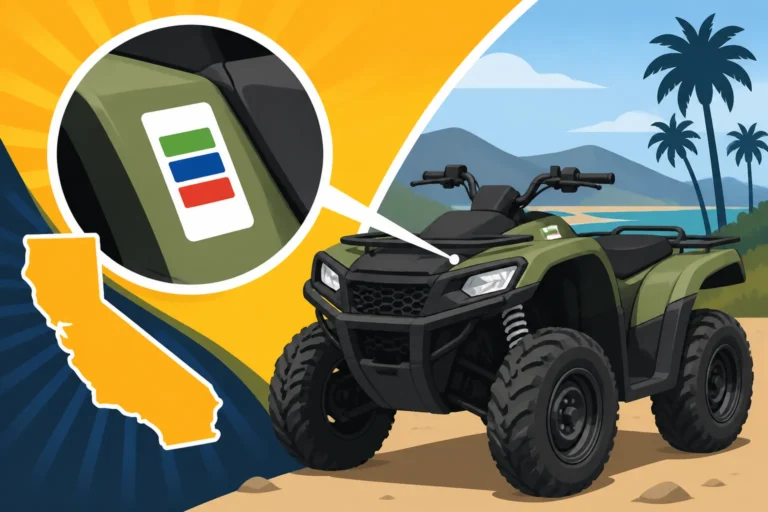
California’s OHV identification system can feel a bit like a secret code, especially when you're trying to figure out which "sticker" your UTV needs. There are three main types you'll encounter: Green, Red, and Tan. Each color signifies different eligibility and riding limitations, largely based on the vehicle's model year and emissions compliance. Understanding these differences is crucial because it dictates where and when you can ride your UTV on public lands. We've got a comprehensive guide to [Green, Red and Tan: California's Three Stickers] that really breaks down the nuances, but here’s a quick overview for UTVs.
Green Stickers are the gold standard for many riders. If your UTV is compliant with California Air Resources Board (CARB) emissions standards – which generally means it's a newer machine (model year 2003 and newer) with a compliant engine – it will typically qualify for a Green Sticker. This sticker means year-round riding access to public OHV areas throughout California, with very few restrictions based on season. It’s definitely the most flexible option.
Red Stickers apply to UTVs that do not meet California's stringent emissions standards, typically older machines or those not originally manufactured for sale in California. A Red Sticker means your UTV has seasonal restrictions, limiting its use during certain times of the year, usually in hotter, more populated areas, to reduce air pollution. There have been some significant changes regarding [Red Stickers and What Changed in California] over the years, so it's vital to stay updated if you have a Red Sticker machine.
Tan Stickers are a newer addition and are specifically for competition machines that are otherwise Green or Red sticker eligible. These are typically UTVs used exclusively in sanctioned competitive events. They allow for use during specific events without needing to meet the full emissions standards of a Green Sticker. However, for most recreational UTV owners, the Green or Red sticker will be the relevant category. The emissions certification, or lack thereof, is at the heart of which sticker your UTV ultimately receives. This is often tied to [What CARB Compliance Means in California].
Step-by-Step UTV Registration Process
Alright, you've got your UTV, you know about the stickers, and now it's time to make it official. The registration process in California, while detailed, is totally manageable if you tackle it one step at a time. It requires gathering some specific paperwork and, for most, a visit to the DMV. Don't worry, we'll walk you through exactly what you need to do to get that ID plate on your UTV.
Required Documents for UTV Registration
The foundation of a successful UTV registration is having all your ducks in a row when it comes to paperwork. Missing even one form can lead to delays and frustrating repeat visits. Here’s a rundown of the essential documents you’ll need:
- Application for Title or Registration (Form REG 343): This is the main form for almost all OHV transactions. You'll need to fill out details about yourself and your UTV, including its make, model, year, and VIN. It's crucial to be accurate here, as this form initiates the entire process. We have a detailed guide on [What California's Form REG 343 Asks For] that can help you navigate its various sections.
- Proof of Ownership:
- For New UTVs: You'll need the Manufacturer's Certificate of Origin (MCO), sometimes called a Manufacturer's Statement of Origin (MSO). This document is like a birth certificate for your UTV and proves it's never been registered before. The dealer will typically provide this.
- For Used UTVs: You’ll need the California Certificate of Title (if previously registered in California) or the out-of-state title (if coming from another state). If the title is lost, there's a specific process to follow, which we cover in [California OHV Registration Without a Title].
- Bill of Sale: If you purchased your UTV from a private party, a Bill of Sale is absolutely essential. It clearly documents the transaction, including the buyer, seller, vehicle details, purchase price, and date. This form is crucial for proving ownership and for calculating any applicable sales or use tax. You can find excellent, customizable templates for a Bill of Sale online, such as those offered by LawDepot, which allow you to tailor the document to your specific needs and ensure all necessary information is included. A well-drafted Bill of Sale protects both the buyer and the seller.
- Vehicle Verification (Form REG 31): This form confirms that the vehicle described in your application is the actual vehicle you're registering. It involves a physical inspection of your UTV. More on this in the next section, but it’s a non-negotiable step. For a deeper dive into what gets checked, refer to [California Vehicle Verification on Form REG 31].
Make sure you have originals or certified copies of these documents where required. It's also a good idea to make photocopies of everything for your own records before you submit them.
The Verification Process
The verification process is California's way of physically confirming that your UTV matches its documentation. It’s not just a formality; it’s a critical step to prevent fraud and ensure the vehicle's identity is correctly recorded. For UTVs, this typically involves an authorized professional examining key identifiers on your machine.
So, who can actually perform this verification? You have a few options:
- DMV Field Office Employee: This is the most common route. You'll usually need to make an appointment at a [California OHV Registration Appointment at the DMV] and bring your UTV with you. A DMV representative will physically inspect the vehicle.
- California Highway Patrol (CHP) Officer: CHP officers are authorized to perform verifications, though this is often more common for vehicles with unusual circumstances or those that might raise specific concerns.
- Licensed Vehicle Verifier: In some cases, a private business or individual licensed by the DMV can perform the verification. These are less common for OHVs but can be an option if available in your area.
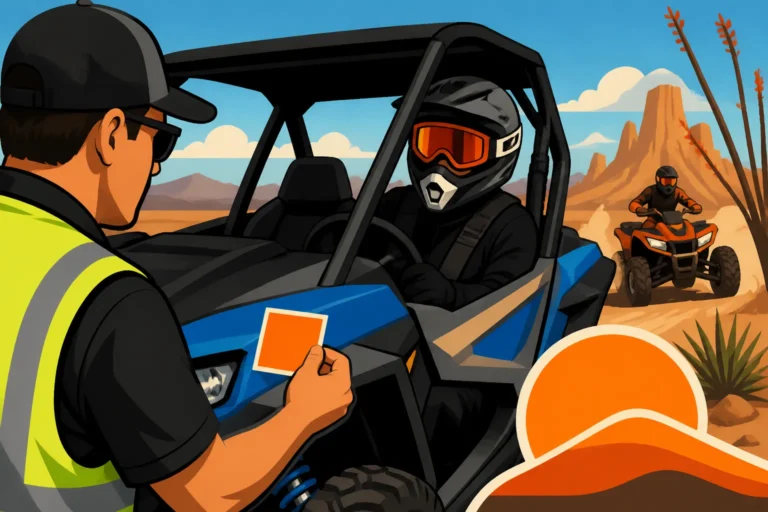
During the verification, the inspector will primarily check the Vehicle Identification Number (VIN) to ensure it matches your ownership documents. They'll also look for the emissions label (especially important for determining Green or Red Sticker eligibility) and may verify the engine number. They're making sure that the UTV you're presenting is indeed the one described on your title or MCO, and that it hasn't been tampered with or stolen. This step is particularly important for UTVs because it solidifies their status as an off-highway vehicle, ensuring they aren't mistakenly or fraudulently represented as something that could be street-legal. They want to see those factory-stamped numbers and labels, confirming the vehicle's true identity and original design intent.
Submitting Your Application and Fees
Once you’ve gathered all your documents and had your UTV verified, the final hurdle is submitting your application and paying the necessary fees. This is where your UTV officially gets its California OHV ID plate!
There are generally two ways to submit your application:
- DMV Field Office: This is often the most straightforward method, especially if you had your verification done there. You'll present all your paperwork to a clerk, who will process your application, collect fees, and typically issue your OHV ID plate on the spot. While you can't walk in and expect quick service, booking a [California OHV Registration Appointment at the DMV] can significantly reduce your wait time.
- Mail: In some cases, if your verification was completed by an authorized party outside the DMV and all your documents are in order, you might be able to mail in your application. However, for a first-time registration, an in-person visit is often recommended to ensure everything is correct and to receive your ID plate immediately. Note that you generally [Why You Cannot Register an OHV Online] due to the verification requirement and physical plate issuance.
Now, let's talk about fees. Registering an OHV in California involves several components, and they all add up to ensure the maintenance and safety of our public lands. While I can't provide current figures, you'll generally encounter:
- The Biennial OHV Registration Fee: This is the core fee for two years of registration. It contributes directly to the state's OHV program.
- The CHP Fee: A portion of your registration goes to the California Highway Patrol to support their role in enforcing OHV laws and providing safety education. This is often seen as [The $10 CHP Fee on a California OHV] line item.
- The Service Fee: The DMV charges a small fee for processing the transaction.
It’s important to remember that California OHV registration operates on a two-year cycle, with all registrations expiring on June 30th. So, if you register your UTV in October, you’ll still pay for the full two-year period ending the next June 30th that applies, even if it's less than a full two years of riding. We cover this in depth in [California's June 30 Expiration]. The total cost for your UTV registration will be outlined in your final receipt. For a general overview of the financial side, check out [California OHV Registration Cost].
Special Considerations for UTV Owners
UTV owners face some unique situations compared to, say, dirt bike riders, particularly concerning street legality and how they are handled when bought used or brought in from out of state. These aren't roadblocks, but rather specific details that you'll want to be aware of to ensure a smooth ownership experience.
New vs. Used UTV Purchases
Whether you’re buying a brand-new UTV from a dealership or snagging a sweet deal on a used machine from a private seller, the path to registration has slightly different nuances. Knowing these upfront can save you a lot of headaches and potential penalties.
For a New UTV:
When you buy a UTV from a licensed California dealer, they typically handle a good portion of the initial registration paperwork for you. They'll often submit the necessary forms and fees to the DMV, and you'll receive your Certificate of Title and OHV ID plate in the mail a bit later. The most important document you’ll get from the dealer is the Manufacturer's Certificate of Origin (MCO). This is proof that the UTV is new and has never been registered before. Keep this document safe, as it's vital for establishing initial ownership. The dealer will use it to kickstart your registration, ensuring your UTV gets into the system with the correct emissions sticker (Green or Red) based on its model year and compliance.
For a Used UTV:
Buying a used UTV from a private seller requires a bit more diligence on your part, but it's totally manageable. The most crucial documents you need to receive from the seller are the California Certificate of Title (if it's a California-registered UTV) and a comprehensive Bill of Sale. The title is proof of legal ownership and must be signed off by the seller. A robust Bill of Sale, detailing the UTV’s VIN, make, model, year, the sale price, and the full names and signatures of both buyer and seller, is indispensable. This is where a reliable template, perhaps from LawDepot, can be incredibly useful to ensure all critical details are included and legally sound, protecting both parties involved in the transaction.
Before you hand over any cash, always do your homework:
- Verify the VIN: Ensure the VIN on the UTV matches the VIN on the title and Bill of Sale. This helps prevent buying a stolen machine. Checking a [Checking a VIN Before Buying a Used Quad] (applies to UTVs too) is a smart move.
- Check for a Clear Title: Make sure there are no liens against the UTV. If the seller doesn’t have the title, or if it's lost, the registration process can become significantly more complicated. We delve into this in [California OHV Registration Without a Title].
- Confirm Registration Status: Ask to see the current OHV ID plate and proof of current registration. This gives you an idea of its history and helps identify if there are any outstanding penalties.
- Transfer Penalties: Be aware that California has strict rules about transferring ownership within a certain timeframe. If you don't transfer the title into your name promptly, you could face a [The $28 Transfer Penalty in California].
Taking these precautions when buying used will ensure you avoid unexpected fees or legal issues down the line, getting you on the trails faster.
Out-of-State UTVs Moving to California
So, you're relocating to California and bringing your beloved UTV with you? Welcome to the Golden State! However, don't assume your out-of-state registration or "street legal" plates will automatically transfer or be recognized. California has its own specific requirements, and for OHVs, they are quite distinct.
First and foremost, if your UTV was registered as "street legal" in another state (like Arizona or Utah), understand that California generally does not honor this designation for vehicles primarily designed as OHVs. So, an [An Arizona Street-Legal UTV in California] will likely still need to be registered as an OHV in California and will not be street legal on California roads, outside of very specific, designated combined-use routes. You'll need to go through the full California OHV registration process.
Here’s what you can expect:
- Verification is Key: Just like new UTVs, your out-of-state UTV will need a physical verification. This is to ensure the VIN matches your out-of-state title and to confirm its emissions compliance status for Green or Red Sticker eligibility. This step is a critical part of [Registering an Out-of-State Machine in California].
- Original Title: You'll need your original out-of-state title to prove ownership.
- Application Forms: You'll complete the same REG 343 application form as any other California OHV registration.
- Fees: You'll pay the standard California OHV registration fees, including the biennial registration fee and the CHP fee.
- California ID Plate: Once registered, you'll be issued a California OHV ID plate and the corresponding sticker (Green or Red), which replaces any out-of-state decals or plates.
It's a process, yes, but it ensures that all OHVs operating on California public lands meet the state's safety and environmental standards. Don't delay this process after moving, as riding an unregistered out-of-state OHV on California public lands without the proper California identification (or an approved nonresident permit) can lead to citations.
Displaying Your California OHV ID Plate
Once you've navigated the paperwork, paid the fees, and officially registered your UTV, you'll be issued a unique California OHV ID plate and the corresponding annual sticker (Green, Red, or Tan). This isn't just a souvenir; it's your legal proof of registration and must be properly displayed on your UTV.
The California OHV ID plate is a small, rectangular metal plate with a combination of letters and numbers. It looks distinctly different from a standard vehicle license plate, as it's not intended for street use. We've got more details on [What the ID Plate Looks Like] if you're curious about the specifics. For UTVs, the law requires that this plate be mounted in a location that is clearly visible, typically on the rear of the vehicle.
Here are the key things to remember for proper display:
- Visibility: The plate must be mounted in a conspicuous place, unobstructed by any part of the vehicle, aftermarket accessories, or mud flaps. It needs to be easily read by law enforcement or park rangers.
- Location: For UTVs, the rear is the most common and compliant location. Many UTVs have designated spots or mounting points for plates. You want it secure and visible.
- Legibility: Keep the plate clean! Mud, dust, and debris can quickly obscure the numbers and letters, making it unreadable. A quick wipe-down before a ride can prevent unnecessary stops.
- Securely Attached: The plate must be firmly bolted to your UTV. Losing an ID plate on the trail or in the dunes means you'll need to go through the process of [Replacing a California ID Plate], which is an extra hassle you want to avoid. Use sturdy bolts and consider lock washers to prevent it from vibrating loose during aggressive riding.
Think of your ID plate as your UTV's official passport to California's amazing OHV areas. Without it properly displayed, even if you’re fully registered, you could still face issues with rangers or law enforcement.
Common UTV Registration Misconceptions in California
It's easy to get caught up in rumors or misunderstandings, especially when it comes to vehicle laws that vary so much from state to state. For UTV owners in California, a few pervasive myths persist, particularly around "street legal" status. Let's bust these myths wide open so you can ride confidently and legally.
The "Street Legal" UTV Myth
This is, without a doubt, the biggest and most persistent misconception surrounding UTVs in California. Let's be clear: California generally does not allow UTVs to be registered as street-legal vehicles for regular highway use. Period.
Why the confusion? Other states, particularly those with less dense populations or different legislative priorities, may indeed allow UTVs to be made "street legal" with a few modifications and a standard license plate. However, California's Vehicle Code is incredibly specific about what qualifies a vehicle for highway registration, encompassing stringent requirements for emissions, crash safety, lighting, braking, and more. UTVs, by their very design, are built for off-road performance, not to meet these on-highway standards.
So, while you might see a UTV with a license plate from Arizona or Montana, don't assume that plate grants them universal street-legal status in California. It almost certainly doesn't. If you're riding a UTV that was plated elsewhere but doesn't meet California's on-highway vehicle standards, you are subject to the same rules as an unregistered OHV. Trying to modify a UTV to meet these standards is generally an uphill, expensive, and ultimately unsuccessful battle in California. The state simply doesn't recognize them as convertible to street-legal vehicles. For more insight into why this is the case, you can explore resources like [Are ATVs Street Legal in California?] (the principles apply to UTVs as well) or [Why a Stock UTV Cannot Be Plated in California].
There are very limited exceptions, such as designated [California's Combined-Use Highways] that allow OHVs to travel short distances to connect trails, but these are not full street legality. They are specific, often county-level designations, and usually come with speed limits and other restrictions. Do not confuse these limited-use exceptions with blanket street legality. Your UTV is an OHV, and in California, it will remain one.
Rental Fleets and Dealer Demos
While you as a private UTV owner go through the standard OHV registration process, you might notice that rental fleets or dealership demo units seem to operate under slightly different rules. This isn't a secret loophole; it's simply that businesses dealing in a high volume of OHVs have specific provisions for their operations.
Rental companies, for example, typically register their entire fleet through a bulk process. When you rent a UTV from a reputable outfitter in Pismo Beach or Glamis, you're not responsible for ensuring its registration. The rental company handles all the necessary paperwork, fees, and ensures the machines have current OHV ID plates and stickers. Your responsibility as a renter is to verify that the machine has valid current identification before you ride off, which a reputable rental agency will always ensure. They also handle the necessary insurance and safety certifications.
Similarly, dealerships have procedures for registering their demo UTVs or machines used for test rides. These often involve special plates or permits that are tied to their dealer license rather than individual OHV registration. The key takeaway here is that these commercial operations have unique administrative pathways for compliance that don't apply to individual private owners. So, if you see a UTV with a "dealer" plate or are riding a rental, remember their specific circumstances aren't replicable for your own private machine.
Why You Can't Register Your UTV Online
In an age where nearly everything can be done online, it's a common frustration that you cannot fully register your UTV in California via the internet. While some steps, like downloading forms or gathering information, can be done digitally, the actual submission for a new registration or title transfer usually requires an in-person visit or mail-in.
The primary reason for this is the Vehicle Verification requirement. As discussed earlier, a physical inspection of your UTV's VIN and emissions label is mandatory to ensure proper identification and compliance. This step simply cannot be replicated online. The state needs a certified individual to physically examine your machine and sign off on its details before it can be entered into the system.
Additionally, the issuance of the physical OHV ID plate is part of the process. While renewals can often be done online or by mail, a first-time registration or title transfer involves receiving this physical plate, which is usually handed to you at the DMV office or mailed out after processing a mail-in application. So, while it might feel a bit old-school, the hands-on nature of UTV registration is largely due to the need for physical verification and the issuance of tangible identification. For more on this, check out [Why You Cannot Register an OHV Online].
California OHV Sticker Comparison for UTVs
| Sticker Type | UTV Model Year | Emissions Compliance (CARB) | Riding Access | Typical Use Case |
|---|---|---|---|---|
| Green Sticker | 2003 and newer | Compliant | Year-round access to California public OHV areas | Recreational riding, most modern UTVs |
| Red Sticker | 2002 and older, or non-compliant new | Non-compliant | Seasonal access limitations in certain areas | Older UTVs, or those not originally built for CA sales |
| Tan Sticker | Green or Red eligible | Specific event exemption | Limited to sanctioned competitive events only | Competition UTVs, specific event participation |
Disclaimer
This article is for general informational purposes only and does not constitute professional advice. Laws, prices and regulations vary by location and change over time. Consult a qualified professional for guidance on your specific situation.