California OHV Registration Without a Title
Buying an off-highway vehicle (OHV) in California can be an exhilarating prospect, but nothing crushes that excitement faster than realizing the machine you just bought, or are planning to buy, comes without a clear title. It's a surprisingly common predicament, leaving many riders scratching their heads and wondering if their dream machine is now just an expensive lawn ornament. Navigating the California Department of Motor Vehicles (DMV) system when a title is missing can feel like trying to ride across a deep sand wash on a two-wheel drive ATV – a lot of spinning and not much forward progress. This guide is here to help you understand why this happens, what your options are, and how to successfully register your California OHV even when the title is nowhere to be found.
The Initial Hurdles of a Missing Title
It's a frustrating reality for many OHV enthusiasts: you find the perfect quad or side-by-side, it runs great, and the price is right. You shake hands, exchange cash, and then realize the seller doesn't have the title. Maybe they claim they lost it years ago, or they bought it the same way and never bothered. Whatever the story, you're now left with a machine and no official proof of ownership in California's eyes. This isn't just a minor inconvenience; it's a significant roadblock to legally registering and riding your OHV on public lands.
Why a Title is So Important And Often Missing
Think of a vehicle title as the deed to a house, but for your OHV. It's the ultimate legal document that establishes who the rightful owner of the machine is. Without it, you don't have indisputable proof that the OHV belongs to you. This becomes incredibly important when you want to sell it, ensure it isn't stolen, or, most importantly for riding, register it with the state. The title contains vital information like the Vehicle Identification Number (VIN), make, model, and year, linking the machine directly to its legal owner.
For OHVs, titles often go missing for a few reasons. Sometimes, owners simply lose them over the years, especially if the machine isn't used frequently or changes hands many times without proper transfer. Other times, an OHV might have been purchased from a state where titles weren't always mandatory for off-road vehicles, or it was a competition-only machine that never saw a street-legal title process. In some unfortunate cases, a missing title can be a red flag for a stolen vehicle, which is why the DMV takes such a cautious approach. It's always the buyer's responsibility to ask for the title before completing a purchase, but hindsight is 20/20, and sometimes you're already in this situation.
The DMV's Stance on "Ownership" Documentation
California's Department of Motor Vehicles, working in conjunction with the [The California DMV and the OHMVR Division], has a clear mission: to ensure that vehicles are legally owned and properly identified before they are allowed on designated public riding areas. For them, a certificate of title is the gold standard of ownership. If you walk into a DMV field office without one, their initial reaction will be to ask for it. They need irrefutable proof that you are the rightful owner, not just someone who happens to be in possession of the OHV.
A simple bill of sale, while a good start, might not be enough on its own in the eyes of the DMV, especially if it's handwritten or lacks critical details. It's considered a secondary document. They are protecting both you and the public by ensuring that the person registering the vehicle is indeed the owner. This is why they have specific procedures for situations where the title is lost or was never issued. Without clear ownership, they cannot issue a [California Issues a Certificate of Title] in your name, nor can they process your [Registering an OHV in California] and provide you with that all-important sticker or plate.
Scenarios and Solutions for Lost or Missing Titles
So, you're in the unenviable position of having an OHV but no title. Don't despair just yet! California does offer pathways to registration, though they often require more effort and documentation on your part. The approach you take largely depends on the specific circumstances of your missing title.
The "Seller-Assisted" Approach: Contacting the Original Owner
The cleanest and often most straightforward solution, if possible, is to get the previous owner to apply for a duplicate title. If you're still in contact with the person you bought the OHV from, this is your best first step. They are the last recorded owner on the DMV's records, making them the only one who can request a duplicate title directly.
Here’s how this typically works: The previous owner would fill out a "Application for Duplicate Title" (Form REG 227). This form asks for vehicle information, their identifying details, and an explanation for the lost title. Once the duplicate title is issued to them, they can then sign it over to you. At that point, you'll complete the transfer of ownership just as you would with any titled machine. You'll bring the properly signed title, a bill of sale, and any other required paperwork to the DMV to register the machine in your name. If the seller is hesitant or uncooperative, it can be tough. Sometimes, a gentle reminder that they are still technically liable for the vehicle until it's properly transferred might motivate them. However, if they've moved, changed phone numbers, or are simply unwilling to help, you'll need to explore other options.
The "Bonded Title" Option for Unobtainable Titles
When the seller is unreachable, uncooperative, or the title situation is more complex (e.g., it was never issued, or there's a convoluted chain of ownership), you might need to consider a bonded title. This is often the path of last resort, but it can be a lifesaver for legitimate owners stuck in a title bind. A bonded title means you're purchasing a surety bond for a certain value, typically based on the value of the OHV. This bond acts as a financial guarantee to the state and to any potential previous owners who might surface with a claim to the vehicle.
The process for a bonded title is more involved. First, you'll need to ensure the vehicle undergoes a thorough verification. This means taking it to a DMV office, a California Highway Patrol (CHP) office, or a licensed vehicle verifier. The verifier will meticulously inspect the VIN and other identifying marks to confirm the vehicle's identity. Once verified, you'll apply for a bonded title through the DMV. This involves filling out specific forms, submitting all available proof of ownership (like a detailed bill of sale, even if it's the only thing you have), and then purchasing the surety bond from an authorized agency. The bond protects the state and any previous owner for a set period, usually three years. If no one comes forward to claim the vehicle during that time, the title generally becomes clear. Be aware that this process can take time and involves additional costs for the bond itself. It's a comprehensive solution for those truly in a bind.
Vehicle Verification: A Critical Step
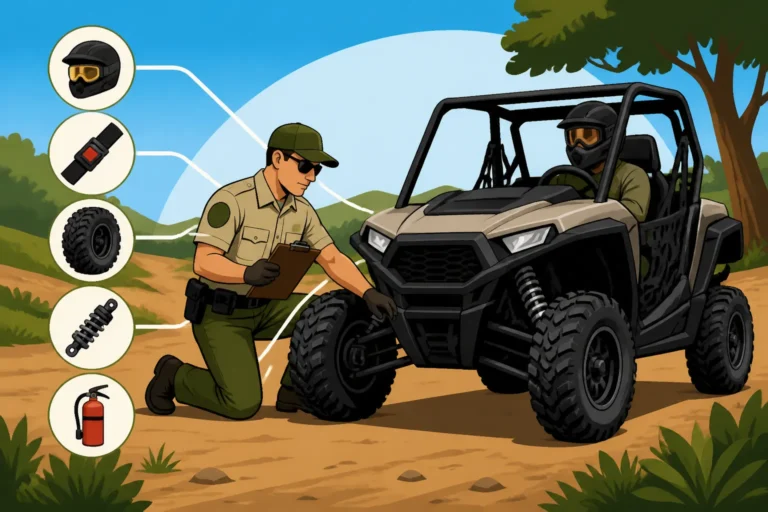
No matter which path you take for an OHV without a title, [California Vehicle Verification on Form REG 31] is almost certainly going to be a mandatory step. This isn't just a formality; it's a vital part of proving the vehicle's identity and legitimacy. The DMV wants to ensure that the VIN on your machine matches the paperwork you're presenting, and that the machine itself isn't stolen or cobbled together from different parts without proper documentation.
During verification, an authorized individual – be it a DMV employee, a CHP officer, or a licensed private verifier – will physically inspect your OHV. They'll locate and check the VIN on the frame, compare it to any documentation you have, and often look for other identifying numbers like engine codes. They might also check for the emissions label to confirm compliance, especially if you're trying to get a [California's Green Sticker Explained]. This step is designed to catch discrepancies, prevent fraud, and ensure that the vehicle you're trying to register is indeed the vehicle you claim it to be. Make sure your OHV is accessible and clean, allowing the verifier easy access to all necessary identification points.
Proving Ownership Without a Title
When the official title is missing, you have to build a case for ownership using every other piece of documentation you can get your hands on. The goal is to provide the DMV with such a convincing body of evidence that they can confidently issue you a new title and registration. This often means compiling a packet of information that goes far beyond what a typical registration requires.
The Importance of a Strong Bill of Sale
In the absence of a title, your bill of sale becomes the cornerstone of your ownership claim. It needs to be as comprehensive and detailed as possible. A simple handwritten note saying "I bought a quad for $500" likely won't cut it. A robust bill of sale should clearly identify:
- Buyer Information: Your full legal name, address, and driver's license number.
- Seller Information: The seller's full legal name, address, and driver's license number. This is crucial for the DMV to potentially trace back the ownership chain.
- Vehicle Description: Make, model, year, color, and most importantly, the complete Vehicle Identification Number (VIN). Also include engine size or any other unique identifiers.
- Sale Date and Price: When the transaction occurred and how much you paid.
- Signatures: Both your signature and the seller's signature, ideally notarized if possible, which adds a layer of authenticity.
Think about using a template from a reputable source, like LawDepot, to ensure all necessary legal fields are covered. A well-drafted bill of sale from LawDepot can provide the structured, official appearance that the DMV looks for, even if it’s not an official title. It demonstrates that you took the purchase seriously and documented it properly. This document proves the transaction occurred and that the vehicle was transferred to you.
Supplemental Proof: Maintenance Records, Photos, Affidavits
Beyond the bill of sale, gather anything and everything that links you to the OHV. The more supporting documentation you have, the stronger your case for ownership. This can include:
- Previous Registration Cards: If the seller happened to have an old registration card for the machine, even if it's expired or in their name, it still helps establish the vehicle's history.
- Insurance Cards: Any insurance documents that list you as the insured party for that specific OHV.
- Service or Repair Receipts: If you've had work done on the OHV and the receipts list the VIN and your name, these are excellent proofs of possession and investment.
- Photos: Take dated photos of you with the OHV, showing its condition and specific features. This can help establish your possession over a period of time.
- Affidavit of Fact (Form REG 256): This is a critical form provided by the DMV where you can write a detailed explanation of how you acquired the OHV and why the title is missing. Be honest, thorough, and provide as much detail as possible. This is your chance to tell your story directly to the DMV.
Collecting a diverse range of documents shows the DMV that you have a legitimate claim to the vehicle and haven't just stumbled upon it. Each piece of paper adds weight to your narrative.
Steps at the California DMV Field Office
With all your meticulously gathered paperwork in hand, your next stop is a California DMV field office. This isn't a process you can typically complete online; the complexity of a missing title requires in-person attention. Before you go, make sure you've scheduled an appointment. You can't just walk in hoping for the best with something this complex; a dedicated appointment will save you hours of waiting. If you need help, check out [California OHV Registration Appointment at the DMV] for tips on booking.
When you go, bring:
- All your ownership documentation: The detailed bill of sale, any previous registration cards, service records, insurance proof, photos, and your completed Affidavit of Fact (REG 256).
- Your completed [California Vehicle Verification on Form REG 31]: Make sure it's signed by an authorized verifier.
- Your valid California driver's license or ID.
- Proof of residency (if applicable).
- The OHV itself: Sometimes they will want to visually inspect it again, even after verification, or verify the VIN on site.
Be prepared to explain your situation clearly and patiently to the DMV representative. They've seen many situations like yours, so be honest and have all your facts straight. Expect questions and potential requests for additional information. It might not be a one-visit process, but being prepared will significantly increase your chances of success.
What Happens After You Submit (And What to Expect)
Once you've submitted all your documents to the California DMV, the waiting game begins. This isn't usually an instant approval process, especially given the complexities of registering an OHV without a title. The DMV needs to do its due diligence to ensure everything is above board.
The Review Process and Potential Outcomes
The DMV will thoroughly review every piece of documentation you've provided. They'll cross-reference VINs, check for any reported thefts, and assess the strength of your ownership claim based on the bill of sale, affidavits, and supplemental proofs. This internal process can take some time, as they might need to contact previous owners (if identified) or conduct further investigations. Don't be surprised if they request additional information or clarification on certain points. This is part of their process to mitigate risk and ensure legal ownership.
The potential outcomes include:
- Approval for Registration and Title: This is the best-case scenario. If your documentation is strong and everything checks out, the DMV will issue you a new [California Issues a Certificate of Title] in your name and allow you to register the OHV. You'll then get your required sticker or plate, letting you legally ride.
- Request for More Information: They might find gaps in your paperwork or need further clarification. They'll typically send you a letter or contact you by phone, detailing what else they need.
- Denial: In some cases, if there are serious concerns about ownership, or if the documentation is insufficient, your application might be denied. This could happen if, for instance, the vehicle is found to be stolen, or if your evidence of ownership is too weak. If denied, they should provide you with the reasons, and you might have options for appeal or further action.
Temporary Operating Permits vs. Full Registration
It's important to manage expectations regarding temporary operating permits. While these exist for some street vehicles under specific circumstances, they are generally not an option for OHVs that are missing a title and are undergoing the ownership verification process. The DMV's priority is to confirm legal ownership before allowing any use, especially on public lands.
This means you typically won't be able to get a temporary permit to ride your OHV while your title application is being processed. You'll need to wait until full registration is approved and your new title is issued, and you've received your [Registering an OHV in California] sticker or plate. Attempting to ride an unregistered OHV on public land, even if you've submitted your paperwork, can lead to citations and penalties. It's frustrating, but patience is key here.
Understanding California's Approach to Ownership
California's stringent requirements for OHV registration, especially when a title is missing, might seem overly bureaucratic, but they serve a crucial purpose. The state is committed to preventing vehicle theft, ensuring accountability, and protecting consumers. A clear chain of ownership helps law enforcement track vehicles, discourages illicit activities, and ensures that funds from OHV registrations contribute to legitimate programs and riding areas. This is why when you pay your [California's $54 OHV Registration Fee Broken Down], part of it goes to supporting the very trails you want to ride.
Whether you're dealing with a [California Green Sticker Cost] or trying to figure out [Red Stickers and What Changed in California], the foundation of legal operation always comes back to clear and verified ownership. While it's a hassle to register an OHV without a title, understanding the "why" behind the process can help you navigate it with a more patient and informed mindset. Always prioritize getting that title situation squared away, and when in doubt, gather more documentation than you think you need.
| Scenario | Required Documents (Standard) | Required Documents (No Title) | Potential Outcomes (No Title) |
|---|---|---|---|
| New OHV (Dealer) | Manufacturer's Certificate of Origin | N/A | N/A |
| Used OHV (Titled) | Signed Title, Bill of Sale | N/A | N/A |
| Used OHV (No Title) | N/A | Detailed Bill of Sale, Form REG 256 Affidavit of Fact | Approval for new title/registration, Request for more info, Denial |
| Vehicle Verification (REG 31) | |||
| Proof of last registration (if any) | |||
| Maintenance/Insurance records (with VIN) | |||
| Photos of OHV | |||
| Seller Applying for Duplicate Title | N/A | Previous owner's REG 227 form, then original signed title | Successful title transfer |
| Bonded Title Option | N/A | All "No Title" docs, plus Surety Bond application | Approval for bonded title, then eventual clear title |
Disclaimer
This article is for general informational purposes only and does not constitute professional advice. Laws, prices and regulations vary by location and change over time. Consult a qualified professional for guidance on your specific situation.