Riding Glamis on a California Green Sticker
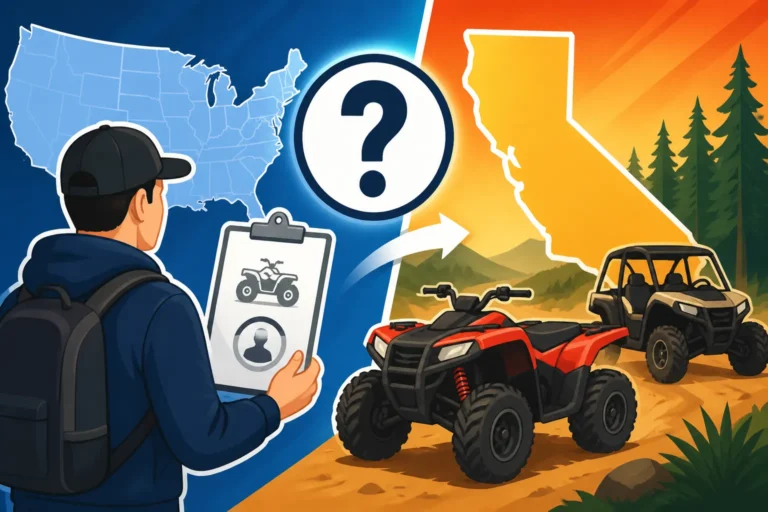
The call of the Imperial Sand Dunes, better known as Glamis, is magnetic for any off-highway vehicle (OHV) enthusiast in California. The sheer scale of the dunes, the wide-open spaces, and the incredible community make it an unforgettable experience. But before you hitch up the toy hauler and blast your favorite riding anthem, a common question often surfaces: "Can I ride my ATV or UTV with a California Green Sticker at Glamis?" It’s a completely valid concern, because nobody wants to drive all that way only to be turned around at the gate due to a sticker mix-up. This guide is designed to clear up all the confusion, explaining precisely what your California Green Sticker means for your Glamis adventures, and what other crucial rules you need to be aware of to ensure a smooth, citation-free trip.
The California Green Sticker at Glamis: What It Means for You
Navigating California's OHV registration and sticker system can feel like trying to solve a puzzle with missing pieces, especially when you're planning a trip to an iconic destination like Glamis. There are Green Stickers, Red Stickers, and even Tan Stickers, each with its own set of rules and implications. When it comes to the vast expanse of the Imperial Sand Dunes, understanding what your Green Sticker truly signifies is your first step towards an epic ride.
Decoding the Green Sticker's Purpose
At its core, the California Green Sticker is your golden ticket to year-round OHV recreation in designated areas across the state. It's a visual indicator that your off-highway vehicle—whether it's a quad, dirt bike, or side-by-side—meets California's strict emission standards, specifically those set by the California Air Resources Board (CARB). Think of it as a stamp of approval that says your machine is environmentally compliant enough to be ridden during any month of the year. This is a significant distinction, especially when you consider its counterparts. A Red Sticker, for instance, typically denotes a machine that doesn't meet the stricter CARB standards and is therefore subject to seasonal riding restrictions, often preventing use during the hotter, higher ozone months. [California's Green Sticker Explained] goes into much more detail about the sticker itself.
The ability to ride year-round is precisely why Green Sticker machines are so popular, particularly for destinations like Glamis. Without the Green Sticker, you'd be staring down the barrel of seasonal limitations, which can put a real damper on impromptu desert trips. It's not just about emissions, though; the Green Sticker is tied to your OHV's registration, confirming that you've paid your dues to the state's Off-Highway Motor Vehicle Recreation (OHMVR) Division. These fees, in turn, help fund the very parks and riding areas we all enjoy.
CARB Compliance and Your Machine's Eligibility
The California Air Resources Board (CARB) is a big deal here in California, and their mission to reduce air pollution directly impacts what kind of OHV gets a Green Sticker. When an ATV or UTV is manufactured and sold in California, it's subjected to rigorous emissions testing. If it passes and is certified by CARB to meet the stringent emission standards for year-round operation, it's eligible for a Green Sticker. This typically applies to most modern, four-stroke OHVs designed for recreational use.
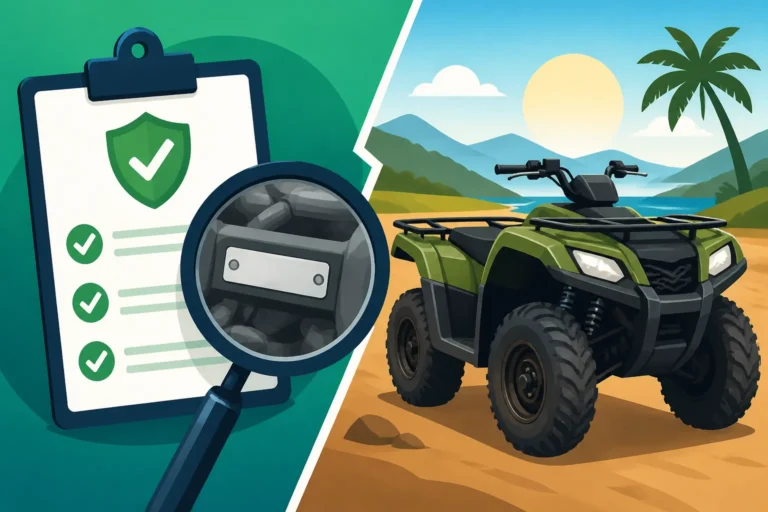
Older machines, especially two-strokes or those manufactured before certain emission regulations were put in place, might fall into the Red Sticker category. It's a common misconception that all newer machines automatically get a Green Sticker; while many do, it's ultimately about that CARB certification. You'll usually find an emissions label right on your machine, often near the engine or on the frame, that will tell you if it's CARB compliant for year-round use. This label is what vehicle verifiers and DMV personnel look for when you're registering your machine. Ensuring all your paperwork, from registration to a well-drafted bill of sale (which you can create easily through services like LawDepot), is in order prevents headaches at the gate. If you're unsure about your machine's sticker eligibility, checking the manufacturer's information or the emissions label is always the best bet. You can learn more about the different stickers in [Green, Red and Tan: California's Three Stickers].
Why Glamis Embraces Green Sticker Machines
The Imperial Sand Dunes Recreation Area (ISDRA), which includes Glamis, is one of California's most popular and expansive OHV destinations. Crucially, it's also a year-round riding area. This means there are no seasonal closures or restrictions based on time of year due to air quality concerns, unlike some other areas in the state. Because Glamis is open 365 days a year (though summer riding is intensely hot and not for the faint of heart!), Green Sticker machines are the perfect match.
If you have a Green Sticker on your ATV or UTV, you can confidently load up and head to Glamis any time the mood strikes. There's no need to consult a calendar or worry about whether it's "Red Sticker season" or not. This unrestricted access is a huge advantage and why many riders prioritize owning Green Sticker eligible machines if they plan on frequenting destinations like Glamis. While [Glamis and the Imperial Sand Dunes] covers the area in general, knowing your sticker allows you to plan with confidence.
Practicalities of Riding Green Sticker Machines in the Imperial Sand Dunes
Having a Green Sticker is fantastic, but it's only one piece of the puzzle for a successful Glamis trip. The rangers and law enforcement officers patrolling the Imperial Sand Dunes are diligent about checking for proper registration, permits, and safety compliance. Being prepared means knowing not just that you have a Green Sticker, but also how to properly present it and what other requirements you'll face.
Getting Through the Gate: Ranger Checks and Documentation
When you pull into one of the main entry points for the Imperial Sand Dunes, such as the areas around Glamis, you'll almost certainly encounter rangers or Bureau of Land Management (BLM) staff conducting checks. Their primary goal is to ensure that all vehicles are legally permitted and safely operated within the recreation area. This means they'll be looking for several key things:
- Valid California Green Sticker: This should be current and clearly affixed to your OHV. They'll quickly scan for the current year's validation mark.
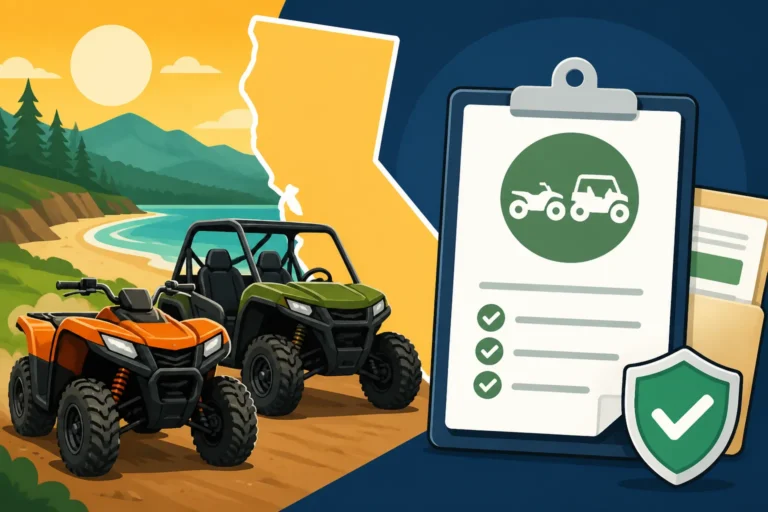
- Proof of Registration: While the sticker indicates registration, carrying your physical registration card for your OHV is absolutely essential. This card shows your name, address, vehicle information, and the current expiration date. A ranger might ask to see it to verify ownership and ensure the sticker matches the machine. Remember, [California OHV Registration Paperwork Checklist] is your friend here.
- ISDRA Permit: This is separate from your Green Sticker and is required for all vehicles entering the Imperial Sand Dunes Recreation Area, including your tow vehicle. We'll dive into this more later, but be ready to show it.
Failing to present any of these can lead to delays, fines, or even being turned away. It's a common frustration for riders who thought they were fully compliant, only to realize they forgot a piece of paper. Take a moment to double-check everything before you leave home. While a Green Sticker certifies your machine's emissions, having solid ownership records, perhaps organized with forms from LawDepot, is equally vital for peace of mind.
Proper Display: Making Sure Your Sticker is Seen
It's not enough to simply have a Green Sticker; it has to be displayed correctly. California law is pretty specific about where the OHV identification plate (which includes your sticker) should be mounted. This ensures that rangers can easily verify your machine's status without having to physically stop you or search extensively.
Here's a general guideline for proper display:
- Dirt Bikes and Motorcycles: The identification plate, with the Green Sticker affixed, should be mounted on the left fork leg, clearly visible from the side.
- ATVs (Quads): The plate should typically be mounted on the left rear fender or another clearly visible flat surface on the left side of the machine.
- UTVs (Side-by-Sides) and Sand Rails: For these, the plate is usually mounted on the left side, often on the frame, roll cage, or fender, in a position where it can be easily seen.
The key is "clearly visible from the left side." If your sticker is obscured by mud, equipment, or mounted in an awkward spot, it might raise questions from a patrolling ranger. Keep it clean, keep it visible, and make sure it's securely attached so you don't lose it rattling across the dunes. Losing your plate is a whole other hassle!
What if Your Machine Isn't Green Sticker Eligible, But You Want to Ride Glamis?
This is where the complexities really start for some riders. If your ATV or UTV has a Red Sticker, or if it's an out-of-state machine without a California Green Sticker, riding at Glamis can get tricky.
- Red Sticker Machines: As mentioned, Red Stickers typically come with seasonal restrictions (usually October 1st to May 31st). While Glamis is a year-round riding area, a Red Sticker machine is technically only allowed during its designated riding season, which covers the cooler, peak Glamis months. So, if you have a Red Sticker, you can ride Glamis, but only within those specific months. Trying to ride a Red Sticker machine in Glamis in July, for example, would likely result in a citation.
- Out-of-State Machines: If you're visiting California from another state and your OHV isn't registered here, you generally have two options:
- California Nonresident OHV Use Permit: This is a special permit that allows out-of-state OHVs to operate on California public lands. It’s essentially a temporary California sticker for visitors. You can purchase these online or at certain vendors. This is often the most straightforward path for out-of-state riders. [California's $30 Nonresident Permit] details this option.
- Reciprocity: California has reciprocity agreements with only two states: Oregon and Nevada. If your machine is registered and stickered in either of those states, your valid Oregon or Nevada permit is generally honored in California. For every other state, you'll need that Nonresident OHV Use Permit.
So, while a Green Sticker offers the most flexibility for Glamis, there are pathways for other machines, though they come with more caveats and planning.
Beyond the Sticker: Other Critical Rules for Glamis Riding
The Green Sticker is fundamental, but it’s far from the only rule you need to know for a safe and legal Glamis adventure. The Imperial Sand Dunes are managed by the Bureau of Land Management (BLM) and are subject to a range of federal and state regulations designed to protect riders, the environment, and the unique landscape. Ignoring these can lead to fines, vehicle impoundment, or even serious accidents.
Essential Safety Gear and Operation Standards
Safety is paramount in the dunes. The dynamic terrain, high speeds, and sheer number of riders mean that vigilance and proper gear are non-negotiable. California law enforces several key safety requirements:
- Helmets: Anyone riding an ATV, dirt bike, or any open-top OHV in California on public land, regardless of age, must wear a DOT-approved safety helmet. This isn't just a suggestion; it's the law, and rangers will enforce it. For UTVs with a roll cage and seat belts (which are considered a "recreational off-highway vehicle" or ROHV), adult occupants may be exempt from wearing a helmet if the vehicle is equipped with a fixed roof and roll cage, and they are wearing seatbelts. However, given the nature of dune riding, many riders choose to wear helmets in UTVs for added protection. [California's Safety Certificate Rules] covers more about training and age.
- Eye Protection: Goggles or other adequate eye protection are mandatory for all riders and passengers. Dust, sand, and debris are constantly airborne in the dunes, and protecting your vision is critical.
- Passenger Rules: California law is strict on ATV passengers: no passengers are allowed on an ATV designed for a single rider on public lands. For side-by-sides (UTVs), passengers are allowed only in manufacturer-designated seating positions, always with seatbelts. Children riding as passengers in UTVs must be properly secured in an appropriate restraint system.
- Youth Riders: There are specific age and supervision requirements for youth operating OHVs. Generally, a rider under 14 years old must be directly supervised by an adult who possesses a valid OHV safety certificate.
These rules aren't just bureaucratic hurdles; they're there to keep you and your loved ones safe in a high-risk environment.
The All-Important ISDRA Permit and Other Fees
Your California Green Sticker certifies your OHV for year-round use, but it does not grant you access to the Imperial Sand Dunes Recreation Area (ISDRA). For that, you need a separate ISDRA permit. This permit helps fund the management, maintenance, and facilities within the recreation area, which is managed by the Bureau of Land Management (BLM).
Here's what you need to know about ISDRA permits:
- Mandatory: Every vehicle entering the ISDRA—including your tow vehicle and any OHVs you unload—must have a valid permit.
- Types of Permits:
- Weekly On-Site Permit: Typically purchased at vendors or entry points near the dunes.
- Weekly Off-Site Permit: Usually a bit cheaper and can be purchased further away from the dunes or online.
- Season Permit: A single permit valid for the entire season (typically October 1st to April 15th). This is the most cost-effective option for frequent visitors.
- Display: The permit must be clearly displayed on your tow vehicle's windshield and, for OHVs, often on the machine itself (check specific instructions for placement).
- Where to Buy: You can purchase these permits online, at many local businesses surrounding the Imperial Valley (gas stations, general stores), and at the main entry points to the dunes.
Always make sure you have your ISDRA permit before you head out. Rangers at checkpoint stations, such as those at Gecko Road, will be looking for them. [California Rules for Riding Imperial Sand Dunes] outlines all the specifics for this incredible area.
Vehicle Modifications: Spark Arresters, Noise, and Whips
Beyond stickers and permits, the physical configuration of your OHV also falls under strict regulation in California's public lands, especially in a sensitive desert environment like Glamis.
- Spark Arresters: This is a non-negotiable requirement for all OHVs operating on public land in California. A spark arrester is a device fitted to your exhaust system that prevents hot carbon particles (sparks) from escaping and potentially igniting dry vegetation – a huge fire risk in the desert. Most factory exhaust systems come with integrated spark arresters. If you have an aftermarket exhaust, you must ensure it has a U.S. Forest Service approved spark arrester. Operating without one is a direct path to a citation and potentially a wildfire. [California Spark Arrester Rules] is critical reading.
- Noise Limits: California has some of the strictest OHV noise regulations in the country. The law generally sets a limit of 96 decibels (dB) for machines manufactured after a certain year, and a slightly higher limit (101 dB) for older machines. Modified exhaust systems are a common culprit for exceeding these limits. Rangers at Glamis and other SVRAs often conduct sound tests at entry points or even out in the dunes. If your machine is too loud, you could face a hefty fine. Always check your exhaust system to ensure it's compliant. [California Noise Rules at an SVRA Gate] explains the testing process.
- Safety Whips and Flags: For riding in the Imperial Sand Dunes, a safety whip and flag are mandatory. This is a tall, flexible pole (usually 8-10 feet high) mounted to the rear of your OHV, with a brightly colored, minimum 6×12-inch flag at the top. The purpose is simple: visibility. When you're cresting a dune, the whip and flag allow other riders to see your presence before your machine's body clears the peak, dramatically reducing the risk of head-on collisions. Without a whip and flag, you're not only putting yourself and others at risk but also inviting a citation.
Here's a quick summary of key Glamis requirements:
| Requirement | Description | Applies To | Enforcement Body |
|---|---|---|---|
| California Green Sticker | Valid state registration, year-round emissions compliant | All CA-registered OHVs | CA Parks/OHMVR, BLM, CHP |
| ISDRA Permit | Access fee for Imperial Sand Dunes Recreation Area | All vehicles (tow vehicle & OHVs) | BLM Rangers |
| DOT-Approved Helmet | Head protection (mandatory for all riders on ATVs/dirt bikes) | All OHV riders (and some UTV occupants) | CA Parks/OHMVR, BLM, CHP |
| Eye Protection | Goggles/face shield (mandatory) | All OHV riders and passengers | CA Parks/OHMVR, BLM, CHP |
| Spark Arrester | Prevents wildfires (USFS approved, mandatory) | All OHVs on public land | CA Parks/OHMVR, BLM, CHP |
| Noise Compliance | Adheres to CA decibel limits (e.g., 96 dB for newer machines) | All OHVs | CA Parks/OHMVR, BLM, CHP |
| Safety Whip & Flag | Enhances visibility in dunes (mandatory at ISDRA) | All OHVs in Imperial Sand Dunes | BLM Rangers |
Glamis offers an incredible experience, but it’s a privilege that comes with responsibility. By ensuring your Green Sticker is valid and understanding all the associated rules—from permits and safety gear to vehicle modifications—you're not just avoiding fines; you're contributing to the safety and longevity of one of California's most cherished off-road playgrounds. So, pack up, get your ducks (and stickers) in a row, and go enjoy those magnificent dunes! Just as you ensure your machine is mechanically sound, ensure your legal documentation is in order. Platforms like LawDepot provide templates for bills of sale and other agreements that can prevent future disputes, especially when transferring ownership of a Green Sticker OHV.
Disclaimer
This article is for general informational purposes only and does not constitute professional advice. Laws, prices and regulations vary by location and change over time. Consult a qualified professional for guidance on your specific situation.