Riding Olds Field and Oldsmobile Hill
Olds Field and Oldsmobile Hill are iconic Glamis landmarks, but the wide-open dunes can make a first ride feel confusing fast. The right approach depends on your machine, experience, conditions, and route plan. This guide explains how to find and ride the area more thoughtfully, prepare for soft sand, and avoid common mistakes that can turn a fun outing into a stressful one.
Getting oriented at Olds Field and Oldsmobile Hill
What riders mean by Olds Field and Oldsmobile Hill
Olds Field sits within the Imperial Sand Dunes Recreation Area, commonly called Glamis. Riders use the names Olds Field and Oldsmobile Hill for a familiar dune-riding area and landmark, but they may describe slightly different spots or approaches depending on where they are camped and which route they take. Don’t assume that a name on a map marks a single, clearly defined trail or entrance.
The area is known for open sand, rolling dunes, and steep faces that attract riders who want to climb, carve, or watch other machines make a run. That combination is part of the appeal, but it also means conditions and visibility can change quickly. A slope that looks manageable from camp may be softer, steeper, or more crowded than it appeared from a distance.
For a broader overview of the riding region, see Glamis and the Imperial Sand Dunes. If this is your first visit, Imperial Sand Dunes, California’s Biggest Dune Field can help put Olds Field in context with the larger dune system.
Planning your route before you reach the dunes
A navigation app can help you understand where you are, but don’t treat a colored line on a screen as permission to ride anywhere. Check current land-manager information, posted signs, and any closure notices before setting out. Public-land boundaries, temporary restrictions, and designated routes matter even when the terrain looks open and unmarked.
Some riders use onX Offroad to get a sense of surrounding roads and terrain before a trip. It can be useful for planning and orientation, but pair any digital map with official information and on-the-ground signs. Save the map for offline use if you expect limited service, and make sure everyone in your group knows the planned route and a simple way to regroup if riders get separated.
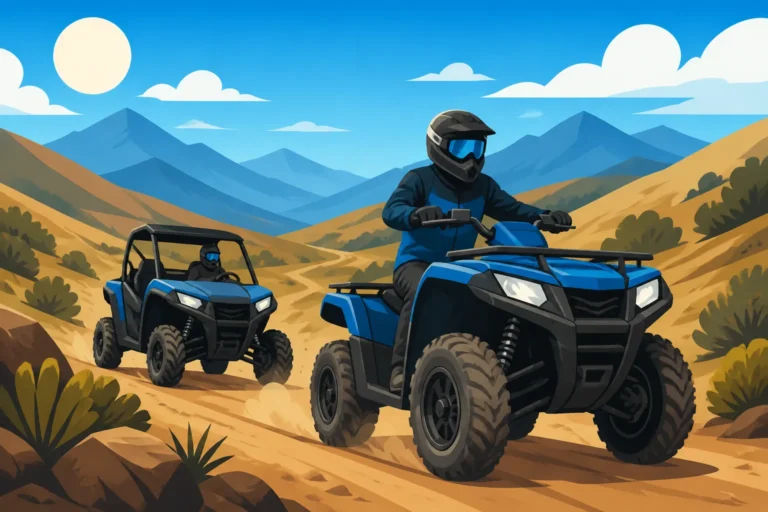
It also helps to agree on a turnaround point before leaving camp. For example, a group with newer riders might decide to explore the open terrain nearby, stop at a recognizable landmark, and return together rather than following faster riders into a more complicated dune field. A clear plan is especially helpful when several camps, trailers, and machines are spread across a busy area.
Choosing a ride that fits your group
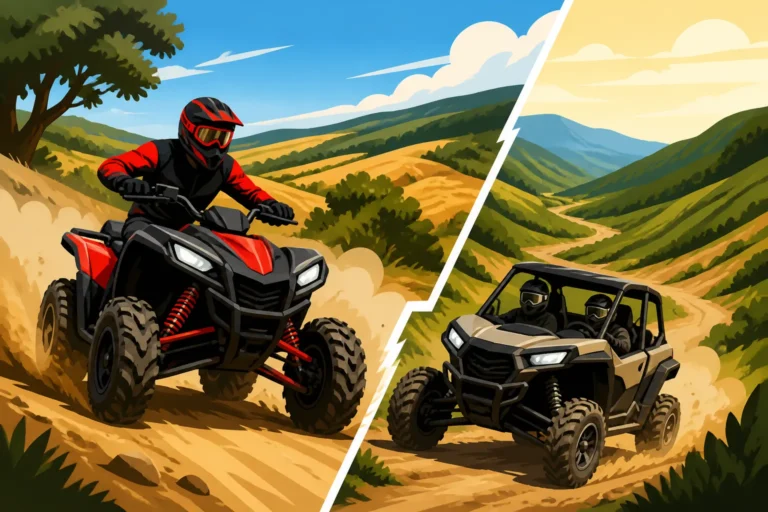
Oldsmobile Hill can be exciting to watch, but a steep climb isn’t a required part of riding Olds Field. A rider can enjoy the area by following suitable open terrain, practicing controlled turns, and choosing slopes that match their experience and machine. There’s no need to prove anything by taking a line that feels uncomfortable.
| Rider or group | Sensible approach | Common risk to manage |
|---|---|---|
| First-time sand rider | Stay in open, lower-angle terrain and practice gradual turns | Getting stuck or losing control on soft sand |
| Mixed-experience group | Agree on a pace and regroup points before leaving camp | Faster riders becoming separated |
| Experienced riders | Scout a line and check for traffic before committing | Cresting into another rider’s path |
| Family group | Keep children within sight and choose simple, visible routes | Losing sight of a child or machine in rolling terrain |
If your group wants a quieter or less demanding outing, don’t let the famous name of a hill set the pace for the entire day. Make the ride fit the least experienced person, not the most confident one.
Preparing your ATV or UTV for soft sand
Set up for sand before the ride
Soft sand asks more of a machine than firm ground. Tires can dig in, the engine works harder, and small changes in momentum matter. Check your machine before leaving camp: look over the tires, controls, brakes, throttle, fuel level, and any safety equipment required for your vehicle. For a UTV, check that occupants have the proper restraints fastened and understand how to use them.
Tire pressure is a frequent question, but there isn’t one setting that works for every ATV, UTV, tire, load, or riding style. Follow the vehicle and tire makers’ guidance, and avoid making a major adjustment based on someone else’s setup without understanding the tradeoffs. Too little pressure can increase the chance of tire damage or bead problems; too much can make it harder to get useful flotation in loose sand.
Bring the recovery basics your group knows how to use. That might include a shovel, appropriate recovery equipment, drinking water, and a way to contact the rest of the group. A tool is only useful if someone knows how to use it safely, so talk through a simple stuck-machine plan before the first climb. Soft Sand and Tire Pressure covers the terrain-specific considerations in more detail.
Riding technique that helps prevent getting stuck
On soft sand, smooth and steady inputs are usually more useful than sudden bursts of throttle or sharp steering. Build speed gradually where it is safe, keep your eyes on the route ahead, and make turns with room to spare. If the machine begins to bog down, aggressive throttle may dig the tires in deeper. Stop and assess rather than turning a small problem into a harder recovery.
A UTV and an ATV behave differently, so don’t assume a technique that worked on one machine transfers directly to another. A heavier UTV may need a wider, more deliberate line, while a quad may respond quickly to steering and throttle changes. In both cases, leave enough room to avoid other riders and don’t follow so closely that you have no time to react to a sudden stop.
Before trying a steeper face, look at the approach and the crest. You need to know what lies beyond the top, whether another machine is coming from the other side, and whether there is room to stop or turn safely. If you can’t see the landing area, choose another route. Riding Etiquette on a Busy Dune explains why visibility and predictable movement matter when many riders share the same terrain.
What to carry and check before leaving camp
A few minutes of preparation can prevent an uncomfortable return trip. Carry water for everyone, sun protection, eye protection, and clothing suited to heat, wind, and blowing sand. Pack a basic first-aid kit and keep phones or radios protected from dust. Make sure someone in the group knows where the main vehicle, camp, or agreed meeting point is.
Check the machine’s fuel before heading out and leave enough reserve to get back without relying on a best-case estimate. Sand riding can use fuel differently than an easy trip on firm roads. If the group includes more than one machine, agree on what to do if one has a mechanical issue: who stays with the rider, who returns for help, and how the group communicates.
If you use onX Offroad for orientation, download the relevant map before service becomes unreliable and keep the device secure and readable. Don’t ride while looking down at a screen. Stop in a safe place to check your position, then put the device away before moving again.
Riding Olds Field with awareness and good judgment
Read the terrain before committing to a line
Dunes are not static-looking hills. Wind can reshape the surface, hide ruts, and change the character of a slope. The face you saw on the way out may look different later, and a ridge can block your view of riders approaching from the other side. Give yourself time to study the terrain instead of following a line simply because someone else took it.
Before a climb or descent, look for tracks, traffic, people on foot, and a safe way to turn around. Avoid stopping where other riders are likely to crest or descend. If you see a machine approaching, wait in a visible, protected location rather than trying to squeeze into its path. A few seconds of patience can prevent a collision.
Wind and blowing sand can make it harder to see both terrain and other machines. When visibility drops, slow down, increase following distance, and consider heading back to camp. Wind and Visibility on the Dunes offers additional guidance for deciding when conditions have become difficult enough to change your plan.
Share the dunes without creating surprises
Olds Field can draw riders with different machines and skill levels. Some are exploring slowly; others are focused on a particular climb. Keep a predictable line, give other riders space, and avoid cutting across a slope where someone may be accelerating or descending. Don’t stop just below a crest or park in the middle of a likely travel line.
Riding in a group takes a little coordination. Use a lead rider who knows the plan and a sweep rider who stays behind the group. Choose obvious regroup points, and wait there rather than continuing to ride around in search of someone who may be on a different line. If a rider is missing, stop the group in a safe location and follow the communication plan you made at camp.
Pay attention to pedestrians and people watching from the side of a dune. A spectator may not understand where a machine is going, and a rider may not see someone standing beyond a ridge. Leave a wide buffer and never assume that a clear line from your viewpoint is clear on the other side. The habits covered in Riding Etiquette on a Busy Dune are especially relevant around popular landmarks.
Riding after dark and changing conditions
A route that felt simple in daylight can become difficult at night. Shadows make the shape of the dunes harder to read, and a rider may have less time to spot another machine or a person on foot. If you plan to ride after dark, confirm the applicable equipment and visibility rules, use suitable lighting, and agree on a route that the group can manage without improvising.
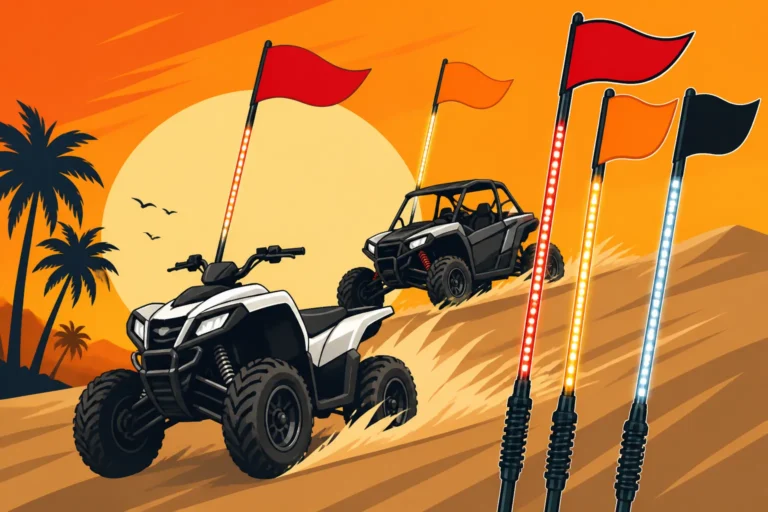
Dune flags and visibility equipment are not decorative. They help riders see one another across rises and dips, but they do not make blind crests safe. Follow the applicable requirements for flags and lights, and make sure equipment is secure before riding. For more on the topic, see Night Riding With Whips and Lights.
Weather, wind, traffic, and fatigue can all change the day’s risk level. If the group is tired, visibility is poor, or the sand has become difficult to read, returning to camp is a sound decision—not a failed ride. Keep an eye on everyone, especially children and newer riders, and don’t pressure someone to continue because the rest of the group wants one more run.
Permits, access, and a practical day plan
Confirm the requirements before riding
Before unloading, check what identification, permits, and vehicle documentation apply to your machine and your situation. Requirements can differ for California residents, visitors, and specific vehicle types. Make sure required documents are available and that any required sticker or permit is displayed as directed. The California Rules for Riding Imperial Sand Dunes guide is a useful place to review the rules that apply to this riding area.
Also check land-manager notices for closures, restrictions, and access conditions before travelling. A route shown in an app does not override a closure or a posted restriction. If a sign or official notice conflicts with a planned route, follow the official direction and choose another area.
If you are travelling from out of state, review the applicable permit requirements before arriving. California’s Nonresident OHV Use Permit explains a relevant part of the process. Don’t wait until you are at a checkpoint or ready to unload to discover that your machine needs different paperwork.
A simple plan for a safer day at Olds Field
Use this sequence to keep the day organized:
- Check official access information, permit requirements, and any posted restrictions.
- Inspect machines and safety equipment before unloading.
- Agree on the riding area, pace, lead and sweep riders, and regroup points.
- Start on terrain the least experienced rider can handle comfortably.
- Stop in a safe place when checking a map, adjusting equipment, or discussing the next route.
- Reassess conditions, fatigue, fuel, and visibility before deciding whether to continue.
- Return together and account for every rider before leaving the area.
For navigation, onX Offroad can help with advance planning and orientation, particularly when you prepare maps before losing service. Use it as one tool in a broader plan that includes official notices, signs, and common-sense decisions on the ground. The most useful route is not necessarily the most ambitious one; it’s the route your entire group can ride and return from safely.
A good Olds Field outing doesn’t depend on reaching the top of Oldsmobile Hill. It depends on choosing terrain thoughtfully, watching for other riders, and knowing when to turn around. If the dunes are busy or conditions are changing, a shorter ride close to camp may be the better memory to take home.
Disclaimer
This article is for general informational purposes only and does not constitute professional advice. Laws, prices and regulations vary by location and change over time. Consult a qualified professional for guidance on your specific situation.