Kids Riding in a Side-by-Side Seat
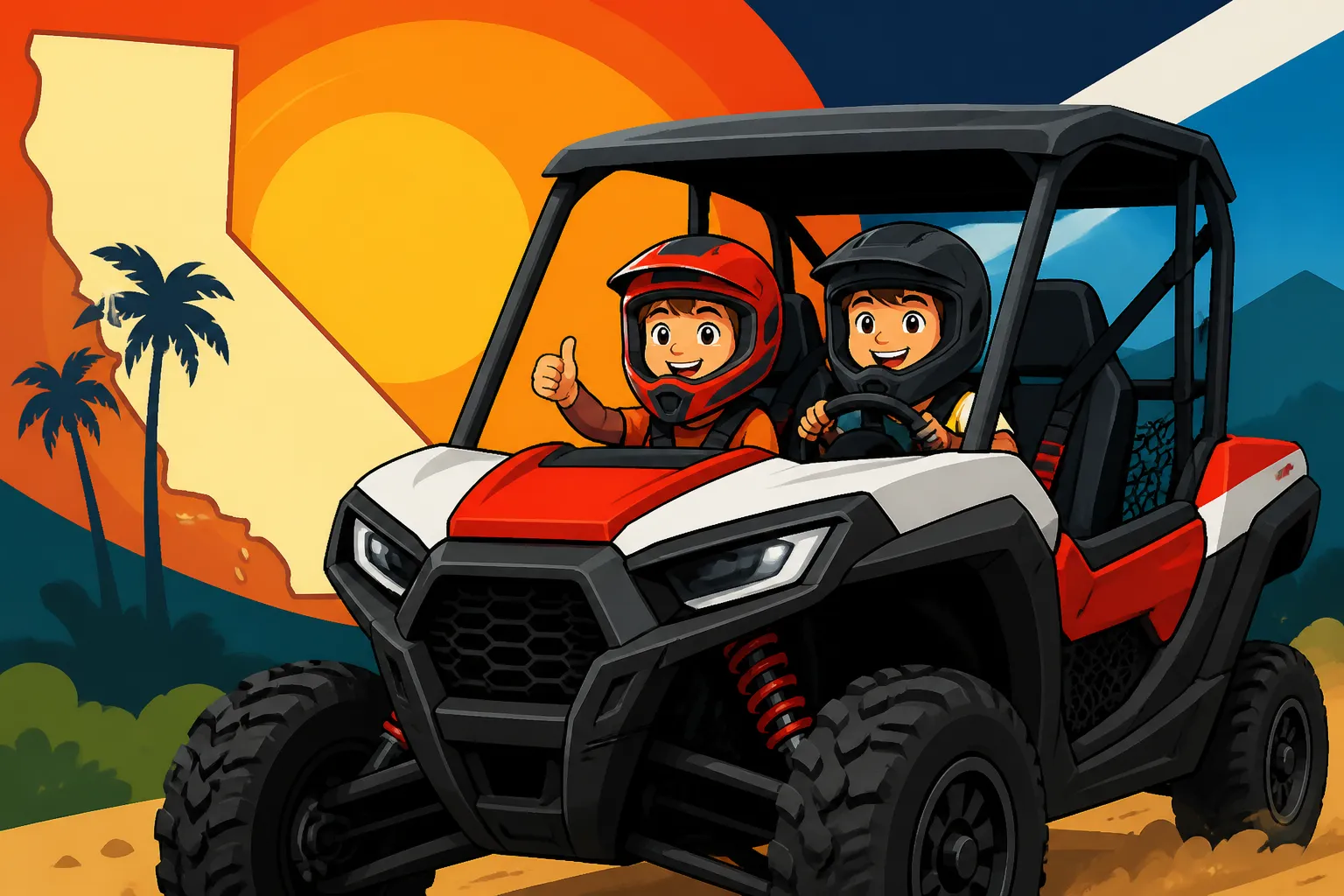
Bringing your kids along for an off-road adventure in your side-by-side is one of the most rewarding parts of owning a UTV in California. However, the joy of sharing the trails can quickly turn to anxiety if you're not absolutely clear on the rules and best practices for their safety. This guide will cut through the confusion and walk you through California's specific regulations and expert tips for ensuring your little co-pilots are safe, secure, and ready for adventure.
Understanding California's ROV Passenger Rules
When it comes to recreational off-highway vehicles (ROVs), which is the official term for side-by-sides, California has specific regulations designed to keep everyone safe. It's not just about strapping a helmet on; it's about understanding the age requirements for operators, the necessity of proper restraints, and how these rules differ significantly from other types of off-road machines. Trying to interpret these regulations can feel like navigating a maze, especially when you just want to get out there and enjoy quality time with your family. We're here to help make sense of it all, so you can focus on making memories.
Age and Supervision Requirements for ROV Operators
First and foremost, let's talk about who can actually get behind the wheel of a side-by-side on California's public lands. While this article focuses on passengers, the operator's age and experience directly impact the safety of everyone on board. In California, a person generally needs to be at least 16 years old to operate an ROV on public lands without direct supervision. If a driver is under 16, they must be supervised by a parent or guardian who holds an approved safety certificate. This is a critical distinction, as a young, inexperienced operator, even with passengers, creates a different risk profile than an experienced adult. It's not enough to just supervise; the supervising adult must also be certified. This is part of the state's broader effort to ensure that those in control of these powerful machines have a baseline understanding of safety. Remember, the goal is always to create the safest possible environment for everyone, especially the youngest riders. You can dive deeper into the general rules for young riders by checking out [California Minimum Age to Ride on Public Land] and [California Rules for Riders Under 18].
Beyond the minimum age, California also emphasizes the importance of a valid ATV Safety Certificate for any operator under 18 years old when riding on public lands. Even if your child meets the age requirement to operate, they still need that certification. This isn't just a formality; these courses teach crucial skills like hazard awareness, proper turning techniques, and how to react in emergency situations. For younger operators, this training is invaluable and provides peace of mind for parents. If your child is driving and transporting other children, their adherence to these safety standards becomes even more paramount. The responsibility falls on both the young operator and the supervising adult to ensure all training and certification requirements are met. It’s a layer of protection that California deems essential for keeping everyone as safe as possible on the trails.
The Importance of Seat Belts and Restraints
California is absolutely unwavering when it comes to seat belt usage in side-by-sides. This isn't a suggestion; it's a mandatory requirement for every single occupant of the vehicle, whether they're an adult or a child. Each passenger must be secured in a seat designed for the vehicle and wear a properly fastened seat belt or other occupant restraint system while the ROV is in motion. This means no sharing belts, no holding a child on your lap, and no standing or riding outside the designated seating area. The side-by-side's design with its roll cage and seat belts is a key differentiator from ATVs, which generally prohibit passengers altogether. For a more detailed look at the specifics, check out [California Seat Belt Rules in a UTV] and [Side-by-Side Passengers and California Rules]. The state wants to ensure that the inherent safety features of an ROV are always utilized to their full potential.
For smaller children, the standard factory seat belts might not provide an optimal fit, which can be a real concern for parents. If the shoulder strap rides too high on their neck or the lap belt isn't snug across their hips, it significantly reduces the belt's effectiveness in a sudden stop or collision. This is where many parents start looking at aftermarket solutions to enhance the factory setup. While California law doesn't explicitly mandate specific child seats for ROVs, ensuring a proper fit is paramount. Some parents opt for harness systems or modified seating that better accommodate younger passengers, provided these modifications are safely installed and don't compromise the vehicle's original safety engineering. For those looking to add comfort or ensure a snugger fit, companies like SuperATV offer various accessories, but any modifications must always prioritize safety and never interfere with the proper function of the factory restraints or the integrity of the roll cage. Always research and ensure any aftermarket additions are suitable for off-road use and installed correctly.
Specific Requirements for Child Passengers in Side-by-Sides
Navigating the nuances of California's OHV laws for child passengers in side-by-sides can feel like a puzzle. While the laws are designed for safety, applying them to different age groups and sizes requires a careful approach. It's not a one-size-fits-all situation, and parents often wonder if their child needs the same type of restraint they use in a car. Let's break down these specific considerations to ensure your youngest riders are as safe as possible, giving you peace of mind on the trails.
Child Passenger Safety Seats and Boosters
Unlike passenger cars, California's Off-Highway Motor Vehicle Recreation (OHMVR) Division regulations don't specifically mandate the use of traditional child safety seats or booster seats designed for street vehicles in ROVs. However, this doesn't mean you should simply seat a small child in a standard UTV seat with an ill-fitting seat belt. The spirit of child safety remains paramount. If a child is too small for the vehicle's integrated seat belt system to fit correctly – meaning the lap belt doesn't sit low across the hips and the shoulder strap doesn't cross the chest centrally – then you, as the parent, have a responsibility to find a safe solution. A properly fitted restraint is crucial for preventing injury in the event of a roll-over or sudden stop. While the law might not explicitly say "booster seat," common sense and a commitment to your child's well-being should guide your choices.
Many off-road enthusiasts find themselves adapting solutions to ensure their children are secure. This might involve looking into specialized off-road child seats designed for the unique dynamics of an ROV, or even utilizing a booster seat that allows the factory seat belt to fit a child properly, if the booster seat can be securely fastened within the ROV's seating structure. The key is that whatever method you choose, it must ensure the child is held securely, preventing them from being jostled around or ejected. Simply placing a standard car seat in an ROV might not be safe, as it may not be designed to withstand off-road forces or integrate properly with the ROV's restraint system. Always prioritize a secure fit and robust protection over convenience. When considering safety enhancements for your side-by-side, look at reputable brands like SuperATV for accessories that might improve stability or provide additional protection, always ensuring they meet or exceed safety standards and fit correctly for your specific machine. For a broader context, consider [California Rules for Riding With Kids on Board].
Helmet Laws for All ROV Occupants
This is one rule that leaves absolutely no room for interpretation: everyone in a side-by-side on California's public lands must wear a safety helmet. This applies equally to the operator and every single passenger, regardless of age. The helmet must be securely fastened and meet either the federal Department of Transportation (DOT) standards or the Snell Memorial Foundation standards. You'll usually see a sticker on the back of the helmet indicating its certification. This isn't just about protecting against impacts in a crash; it's also about safeguarding against flying debris, branches, and other hazards you encounter on the trail. The consequences of not wearing a helmet can be severe, and rangers at popular riding areas like Glamis or Hungry Valley are vigilant about enforcement.
While there are some very specific and limited exceptions for adults operating or riding in an ROV that meets certain criteria (like having an enclosed cab, roll bar, and occupant restraints), these exceptions almost never apply to child passengers. For children, the helmet rule is absolute. This means even if you're in a fully enclosed UTV with all the bells and whistles, your child still needs their helmet. Finding a properly fitting helmet is crucial; it shouldn't wobble or slide around, nor should it be so tight that it causes discomfort or obstructs vision. Kids' helmets come in various sizes and designs, so take the time to measure your child's head and choose one that fits snugly. For a comprehensive overview, you can refer to [California Helmet Law for UTV Passengers]. Don't forget, even for adults, the waiver is quite specific, as detailed in [California ROHV Helmet Waiver for Adults], emphasizing that for children, helmets are non-negotiable.
Safe Riding Practices and Gear for Young Passengers
Beyond the explicit laws, ensuring a safe and enjoyable experience for your kids in a side-by-side involves a holistic approach to safe riding practices and appropriate gear. The off-road environment presents unique challenges, and a little extra preparation can go a long way in preventing incidents and making those family adventures truly memorable. It's about instilling a culture of safety from the moment you leave the driveway until you return home.
Appropriate Gear Beyond the Helmet
While a DOT or Snell-approved helmet is your child's most critical piece of safety gear, it's far from the only item they'll need. Eye protection, such as goggles or shatter-resistant glasses, is absolutely essential. Dust, dirt, bugs, and low-hanging branches can quickly impair vision and cause injury if eyes aren't protected. Long sleeves and long pants, ideally made from durable material, are crucial for protecting skin from scrapes, sun exposure, and minor impacts. Even on a hot day, lightweight, breathable technical fabric can offer better protection than bare skin. Think about what would happen if a branch scraped past the side of the vehicle – exposed skin could easily get scratched or worse.
Gloves provide a better grip, protect against blisters, and offer another layer of defense for hands, which are often the first thing to get scraped in a minor tumble. Sturdy, closed-toe footwear is also non-negotiable. No flip-flops or open-toed shoes! Boots that cover the ankle offer the best protection, preventing feet from slipping off footrests and safeguarding against debris. For kids, finding gear that fits well and is comfortable is key, as ill-fitting gear can be distracting or lead to them removing it mid-ride. Investing in quality protective gear from head to toe is an investment in your child's safety and comfort, allowing them to truly enjoy the experience. You want them to focus on the fun, not on discomfort or minor injuries.
Environmental Considerations and Trail Choice
Choosing the right trails and conditions for riding with children is just as important as the gear they wear. Start with easier, less technical trails that are well-maintained and free from extreme obstacles. Overly rocky terrain, steep climbs, deep sand washes, or high-speed areas are not ideal for young passengers, who might be more susceptible to motion sickness, fear, or discomfort from excessive jostling. Gradually introduce them to more challenging terrain as they gain experience and confidence, always prioritizing their comfort and safety. Monitoring the weather is also critical. Extreme heat can lead to dehydration and heatstroke, especially for children, who may not always vocalize their discomfort. Cold weather requires appropriate layering to prevent hypothermia. Dust can be an issue, not just for visibility, but also for respiratory health, so consider a bandana or dust mask for your child if conditions are particularly dry.
Furthermore, always be aware of your surroundings and any potential hazards. Educate your children about trail etiquette and the importance of staying inside the vehicle with their hands and feet contained. Discuss hand signals you might use for communication if helmets make verbal communication difficult. Carrying extra water, snacks, a first-aid kit, and communication devices are standard best practices for any off-road adventure, but they become even more crucial when children are on board. Some parents choose to add additional safety nets like side nets or door inserts, available from aftermarket providers like SuperATV, to provide an extra sense of security, particularly for smaller children, as long as these additions don't impede emergency exit. Remember, the goal is to create a positive, safe, and fun experience that will foster a lifelong love for the outdoors, starting with responsible riding. Consider [Youth Machines on California Public Land] if you're thinking about dedicated youth-sized machines too.
Here's a quick summary of California's key rules for child passengers in side-by-sides:
| Requirement | Description |
|---|---|
| Operator Age | Driver must be at least 16 years old to operate an ROV unsupervised on public land. Under 16 requires direct adult supervision and an ATV Safety Certificate for the operator. |
| Seat Belts | Mandatory for every occupant, including children. Must be properly fastened, and children must be secured in a seat designed for the vehicle. No sharing belts or riding on laps. |
| Helmets | Mandatory for every occupant, including children. Must be DOT or Snell-approved and securely fastened. Limited adult waivers typically do not apply to child passengers. |
| Seating Fit | While specific car seats aren't mandated, parents are responsible for ensuring the factory seat belt fits correctly. Modifications or specialized off-road child seats may be necessary for smaller children. |
| Protective Gear | Beyond helmets, essential gear includes eye protection (goggles), long sleeves/pants, gloves, and sturdy closed-toe footwear for all child passengers. |
| Trail Selection | Choose trails appropriate for the skill level of the operator and the comfort of child passengers. Avoid overly aggressive terrain, extreme weather, and dusty conditions when kids are on board. |
Disclaimer
This article is for general informational purposes only and does not constitute professional advice. Laws, prices and regulations vary by location and change over time. Consult a qualified professional for guidance on your specific situation.