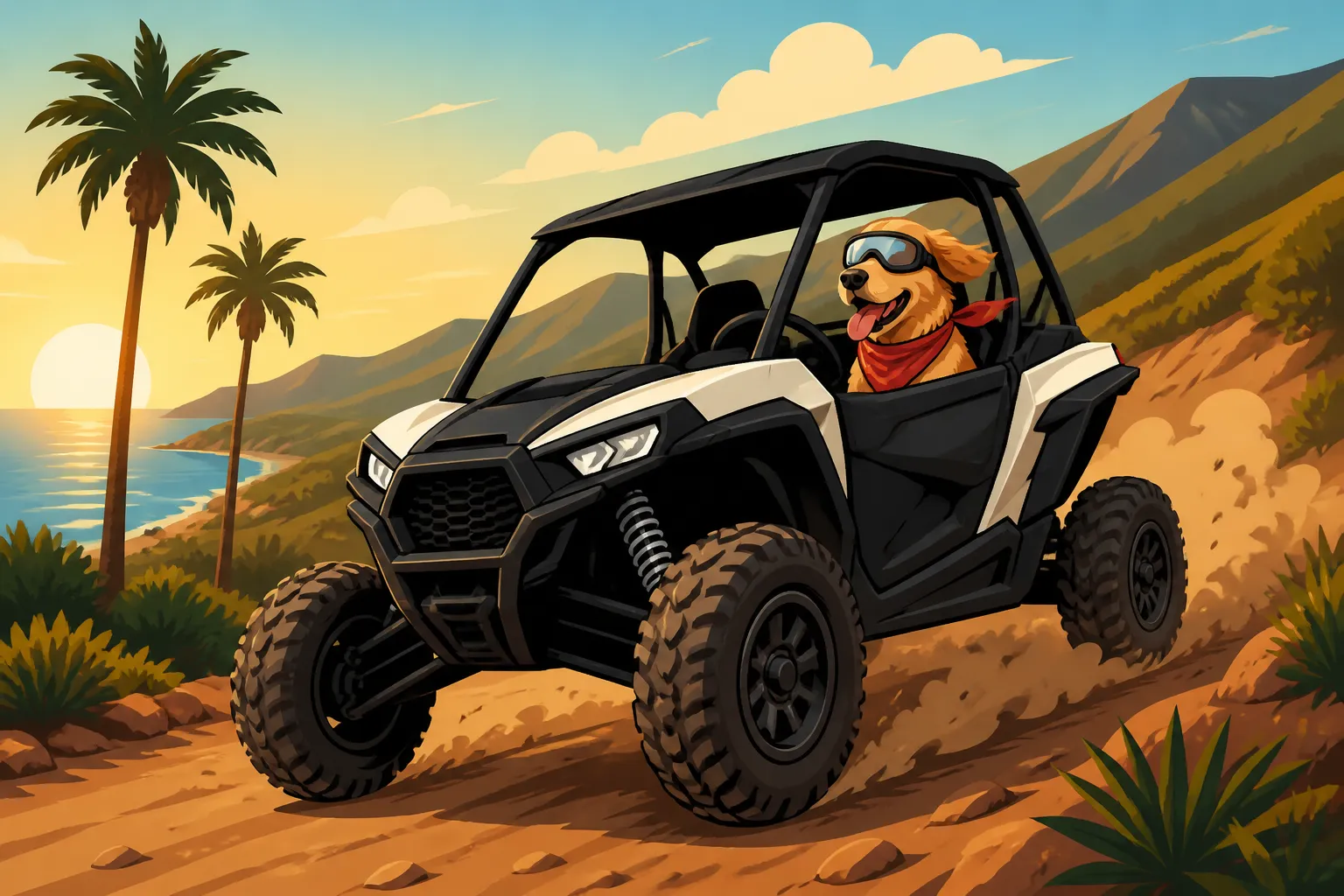
Taking a Dog on a California Ride
Getting out on the trails in your ATV or UTV is one of life's great pleasures, but when you want to bring your furry best friend along, it adds a whole new layer of considerations. Many riders face the frustration of not knowing if their dog will be safe, comfortable, or even allowed in certain California off-road areas. This guide is here to help you navigate all the ins and outs of taking your dog on a California ride, ensuring a fun and responsible adventure for both of you.
The Unique Joys and Hidden Challenges of Riding with Your Dog in California
Bringing your dog along for an off-road adventure in California can be an incredibly rewarding experience, deepening the bond you share as you explore rugged trails and wide-open spaces together. Imagine your pup with their head out, ears flapping, taking in all the new scents and sights. It's a fantastic way to give them exercise, mental stimulation, and a break from the usual routine. However, the unique and often extreme conditions of California's diverse landscapes, from scorching deserts to rocky mountain trails, present significant challenges that require careful planning and preparation to ensure your dog's safety and comfort.
While the idea of a four-legged co-pilot is appealing, not every dog is cut out for the noise, vibrations, and sometimes intense jostling of an ATV or UTV ride. Some dogs thrive on adventure, with an innate curiosity and a calm demeanor that allows them to adapt easily to new environments. Others might find the experience overwhelming, frightening, or even physically uncomfortable, leading to stress, anxiety, or motion sickness. It's crucial to honestly assess your dog's personality, health, and tolerance for such an activity before you even consider buckling them into your machine. A dog that is prone to anxiety, aggressive around strangers or other animals, or has underlying health issues might be better off enjoying a quiet day at home.
Many riders, myself included, have made the mistake of assuming that if a trail or park is "pet-friendly," it automatically means it's safe and enjoyable for their dog in an off-road vehicle. This isn't always the case. "Pet-friendly" often refers to allowing leashed dogs in campgrounds or on hiking trails, not necessarily within the confines of a roaring UTV. There are common misconceptions about what dogs can physically handle, especially when it comes to prolonged exposure to sun, dust, and vibrations. Neglecting proper hydration, paw protection, or even simple breaks can turn a dream adventure into a nightmare. Understanding these potential pitfalls from the outset is the first step toward creating truly memorable and safe experiences with your canine companion.
Prepping Your Pooch and Your Machine for the Trail
Before you even think about hitting the dirt roads or dunes, a significant amount of preparation needs to happen, both for your dog and your off-road machine. A little forethought goes a long way in preventing stressful situations and ensuring a smooth, enjoyable outing. Think of it as a comprehensive pre-flight checklist, but for your furry co-pilot.
First and foremost, a visit to the vet is highly recommended, especially if your dog hasn't been off-road before or if it's been a while since their last check-up. Your veterinarian can confirm that your dog is in good physical condition for the rigors of off-roading, checking for any joint issues, heart conditions, or other health concerns that might be exacerbated by vibrations or exertion. Ensure all their vaccinations are up to date, and discuss flea, tick, and heartworm prevention, as you'll be exposing them to environments where these pests thrive. Having a copy of their vaccination records and a recent photo on your phone can also be helpful in case of an emergency or if you encounter a ranger with questions.
Once you have the veterinary all-clear, it's time to acclimate your dog to the ATV or UTV itself. This isn't something you want to spring on them moments before you leave. Start by letting them explore the stationary vehicle, sniff around, and get comfortable with its presence. Encourage them to jump in and out, rewarding them with treats and praise. Next, try short, slow rides around your property or a quiet area. Let them experience the engine noise, the vibrations, and the sensation of movement at a gentle pace. Gradually increase the duration and speed of these short training sessions. This gradual exposure helps build their confidence and reduces the likelihood of fear or motion sickness when you're actually out on the trails.
Finally, effective route planning becomes paramount when you have a dog onboard. You can't just pick the most challenging trail you've always wanted to conquer and expect your dog to love it. Research your intended destination thoroughly. Are there shaded areas for breaks? Access to water sources, or will you need to pack extra? What are the temperature forecasts, and are there any specific rules regarding pets in that area? Some trails, particularly in wilderness areas or during certain seasons, might be unsuitable due to extreme heat, rough terrain, or sensitive wildlife habitats. Consider shorter, less aggressive routes to start, gradually increasing the difficulty as your dog gains experience. Also, be mindful of potential encounters with other riders or [California Rules for Riding Near Livestock], as your dog's behavior will be your responsibility.
Essential Gear, Safety, and On-Trail Care for Your Canine Companion
When you're out in the wilds of California, safety for yourself and your human passengers is always a top priority. When you bring your dog along, that responsibility extends to their well-being, demanding specific gear and constant vigilance. Thinking through every detail of their comfort and safety beforehand is key to a successful outing.
One of the most critical aspects of off-roading with your dog is ensuring they are securely restrained in your ATV or UTV. An unrestrained dog can easily be thrown from the vehicle during bumps or sudden stops, leading to severe injury for them and distraction for you. For UTVs, a dog seat belt harness designed for car travel, tethered to the vehicle's seatbelt system, is a good starting point. For smaller dogs, a secured crate or a booster seat designed for pets can work wonders. If your UTV has a bed, a cargo net or a secure, well-ventilated kennel can keep them safe. Companies like SuperATV offer a range of accessories that can help create a more secure and comfortable space for your pet, from cargo boxes to specific UTV bed mats that prevent sliding. Whatever method you choose, test it thoroughly before hitting the trails to ensure it holds up to the jostling.
Beyond securing them, consider protective gear for your dog. Paw protection is often overlooked, but the hot sand of Glamis or the sharp rocks of a mountain trail can quickly damage sensitive paw pads. Dog booties, made from durable, breathable materials, can protect against extreme temperatures, abrasions, and thorns. Eye protection, such as Doggles, is also highly recommended, especially when riding in dusty conditions or at speed, to prevent debris from irritating or injuring their eyes. For dogs sensitive to noise, consider ear protection, like specific canine ear muffs, to dampen the loud engine sounds, vibrations, and wind noise that can be uncomfortable or frightening.
Hydration and nutrition are non-negotiable. Always pack significantly more water than you think you'll need, not just for yourself, but primarily for your dog. Dehydration can happen quickly in the California sun, especially with the exertion and excitement of a ride. Portable water bowls are a must, and consider a specialized water bottle with a built-in dispenser. Bring along their regular food for longer trips, and high-value treats for positive reinforcement. It's also wise to pack a small canine first-aid kit, including items like paw balm, antiseptic wipes, bandages, tweezers for thorns, and any specific medications your dog might need. Knowing how to administer basic first aid to your dog is a skill every off-road dog owner should cultivate. [California Desert Riding Safety] extends to your pets as well, so be prepared for anything.
Navigating California's Rules and Responsible Pet Ownership Off-Road
Taking your dog off-road isn't just about packing the right gear; it's also about understanding and adhering to the specific regulations and etiquette that govern pet access on California's public lands. Being a responsible pet owner means respecting wildlife, other visitors, and the environment, ensuring that everyone can enjoy the trails safely.
Generally, pets are welcome on many public lands in California, including most Bureau of Land Management (BLM) and National Forest areas, provided they are on a leash no longer than six feet and under your direct control at all times. This "leash law" is not just a suggestion; it's a critical rule designed to protect your dog from hazards like wildlife, other vehicles, and getting lost, while also protecting wildlife from your dog. Even the most well-behaved dog can be startled by an unexpected sound or scent and bolt into danger. Always carry waste bags and pack out all pet waste, as leaving it behind pollutes the environment and is a nuisance to others.
However, specific rules often apply within California State Vehicular Recreation Areas (SVRAs), like Hollister Hills, Oceano Dunes, or Hungry Valley. While many SVRAs permit dogs in campgrounds and designated day-use areas, their presence on active riding trails or certain sensitive ecological zones might be restricted or require extra vigilance. For instance, [What Rangers Check at Hollister Hills] might include ensuring your dog is leashed and under control. Always check the specific SVRA's website or call ahead to confirm their pet policies before you visit. These rules are in place for the safety of all, including your pet, other riders, and the native flora and fauna.
Beyond official regulations, responsible pet ownership also means being acutely aware of your dog's impact on the environment and its inhabitants. Wildlife encounters are a real possibility in California, whether it's deer, coyotes, or even smaller critters. A dog off-leash can harass or injure wildlife, disrupt nesting areas, or even pick up diseases. Consider your dog's temperament around other people and dogs. Not everyone is a dog lover, and a barking or overly enthusiastic dog can detract from another rider's experience. By keeping your dog leashed, under control, and cleaning up after them, you contribute to a positive experience for everyone and help ensure that these fantastic off-road areas remain accessible for pet owners in the future. Remember that [California OHV Areas in the National Forests] and other wilderness areas have their own specific rules regarding pets and wildlife.
On-Trail Considerations for a Happy and Safe Dog Ride
You've prepped, geared up, and done your homework. Now you're out on the trail, the engine humming, the dust kicking up, and your furry co-pilot beside you. The adventure has truly begun, but your job as a responsible pet owner is far from over. Staying attentive to your dog's needs during the ride is paramount to their safety and enjoyment.
Constant monitoring of your dog's comfort and health is essential. Pay close attention to their body language. Are they panting excessively, even at rest? Are they trying to hide or exhibiting signs of anxiety like whining, pacing, or lip-licking? These could be indicators of overheating, stress, or motion sickness. Take frequent breaks in shaded areas, offering water and a chance for them to stretch their legs and relieve themselves. Feel their paws to check if the booties are working, and check their ears and eyes for any signs of irritation. The dynamic environment of off-roading, combined with the excitement, can mask signs of distress, so being proactive in your checks is crucial. Even on seemingly mild days, the inside of a UTV can become quite warm, so make sure there's adequate airflow for your pet.
Despite all the preparation, unexpected situations can arise on the trail. A sudden breakdown, a change in weather, or an injury to your dog could turn a fun trip into a stressful ordeal. Knowing how to react calmly and effectively is vital. If your dog gets a cut or scrape, you'll be glad you packed that canine first-aid kit. If they seem to be overheating, stop immediately, find shade, and offer water. You can also wet their paws and belly with water to help cool them down. In case of a severe injury, knowing the location of the nearest veterinary clinic or emergency animal hospital is critical. Cell service can be spotty in many [California's State Vehicular Recreation Areas], so always have a backup plan for communication and emergency extraction, such as knowing your exact location on a map and having a way to signal for help.
Once the ride is over and you're safely back home, the care for your adventurous canine doesn't stop. Post-ride care is just as important as pre-ride preparation. Give your dog a thorough check-over for any burrs, ticks, minor cuts, or abrasions, especially on their paws. A good brushing will remove any dust, dirt, or debris from their coat. Provide them with plenty of fresh water and a nutritious meal. If they seem stiff or unusually tired, monitor them closely. Just like humans, dogs can experience muscle soreness after an active day. A comfortable, quiet place to rest will be much appreciated. Reflect on the day: what went well? What could have been better? These reflections will help you refine your approach for future off-road adventures, ensuring that every trip with your beloved dog is safer and more enjoyable.
| Pre-Ride Checklist for Your Canine Companion | Short Desert Trip | Long Mountain Adventure | General Trail Ride |
|---|---|---|---|
| Vet Check-up | ✔ | ✔ | ✔ |
| Current Vaccinations | ✔ | ✔ | ✔ |
| Flea/Tick Prevention | ✔ | ✔ | ✔ |
| Dog Seatbelt/Restraint | ✔ | ✔ | ✔ |
| Paw Protection (Booties) | High Rec | ✔ | High Rec |
| Eye Protection (Doggles) | High Rec | Optional | High Rec |
| Ear Protection | Optional | Optional | Optional |
| Plenty of Fresh Water | ✔ | ✔ | ✔ |
| Portable Water Bowl | ✔ | ✔ | ✔ |
| Regular Dog Food | Optional | ✔ | Optional |
| High-Value Treats | ✔ | ✔ | ✔ |
| Canine First-Aid Kit | ✔ | ✔ | ✔ |
| Waste Bags | ✔ | ✔ | ✔ |
| Shade Source (e.g., umbrella for breaks) | High Rec | Optional | Optional |
| Proof of Rabies/ID Tags | ✔ | ✔ | ✔ |
| Cooling Vest (for hot weather) | High Rec | Optional | High Rec |
| Towel (for wiping paws/cooling) | ✔ | ✔ | ✔ |
Disclaimer
This article is for general informational purposes only and does not constitute professional advice. Laws, prices and regulations vary by location and change over time. Consult a qualified professional for guidance on your specific situation.