Registering Before the Season Opens at Glamis
There's nothing quite like the excitement of planning a trip to Glamis, envisioning those vast dunes under the California sun. But that excitement can quickly turn to frustration and a real headache if you arrive at the gate only to discover your OHV registration has expired. This guide is here to walk you through the ins and outs of California OHV registration, ensuring your machine is properly documented and ready to hit the sand well before the season officially opens.
Understanding California OHV Registration Cycles
California's off-highway vehicle (OHV) registration system has some unique quirks, and understanding them is absolutely crucial to avoiding fines and disappointment, especially when you're gearing up for a big trip to a place like Glamis. Many riders get caught out by forgetting when their sticker actually expires, assuming it aligns with their purchase date or when they last renewed.
The Biennial Sticker and Its June 30th Expiration
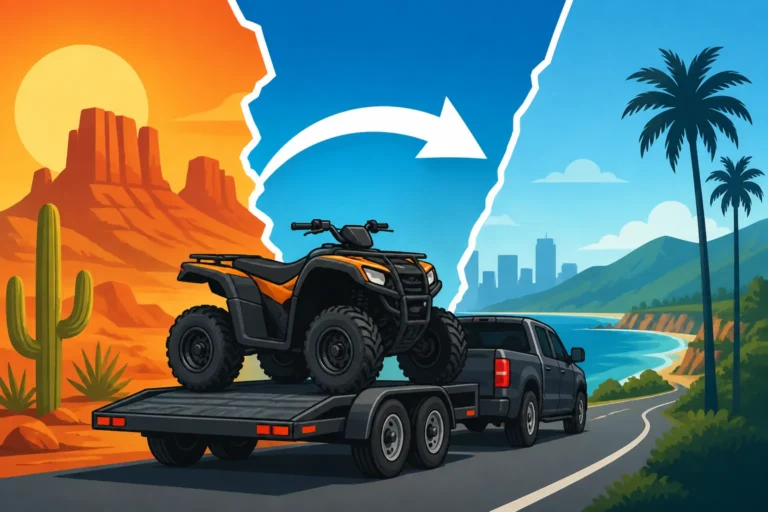
Unlike street vehicles, which might have staggered registration renewal dates throughout the year, every single OHV in California shares the same expiration date: June 30th. This is part of what makes the California system so distinct. Your OHV registration, whether it's a Green, Red, or Tan sticker, is always issued for a two-year cycle and will always expire on June 30th of the second year. It doesn't matter if you registered your brand new quad in October or renewed your trusty side-by-side in February; both will still need renewal by June 30th of the next applicable even-numbered year. This means a machine registered in the fall will still expire on the very same [California's June 30 Expiration] as one registered in the spring.
This universal expiration date often trips up riders who are planning their fall and winter desert trips. While the "Glamis season" for many unofficially kicks off around October, the previous registration cycle would have expired in June. If you're not paying attention, you could easily show up to the dunes in October or November with an expired sticker from the previous June, making you subject to citations from rangers. It's a common oversight, but one that can quickly dampen your spirits and hit your wallet. Getting caught with an expired sticker isn't just a slap on the wrist; it can lead to significant penalties, detracting from the fun you're supposed to be having.
Why Pre-Season Registration is Non-Negotiable
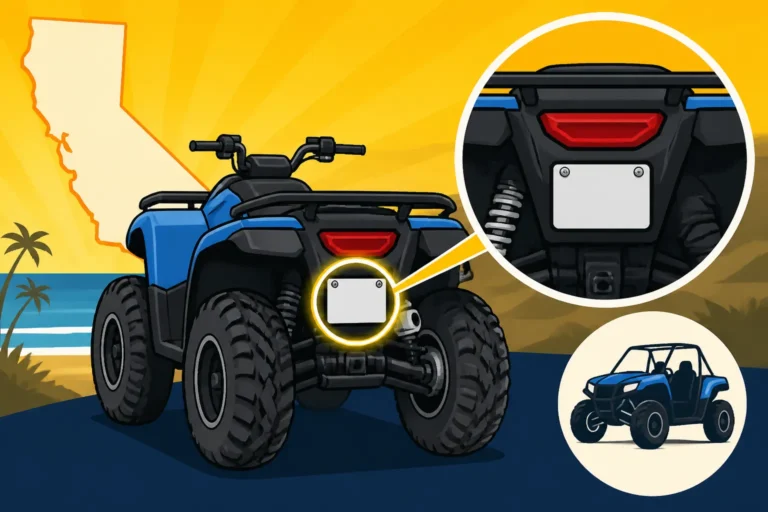
Showing up at the Imperial Sand Dunes Recreation Area (ISDRA) – or any other California OHV park – with an expired registration is a surefire way to ruin your weekend. Rangers at popular riding spots like Glamis, Ocotillo Wells, and Hungry Valley are diligent about checking for current OHV registration and other required equipment. If your registration is out of date, you could face fines, be denied entry, or even have your machine impounded in some cases. The cost of a fine far outweighs the cost of renewing your sticker, which typically includes [California's $33 Registration Line] plus other fees.
The importance of checking your sticker well before your trip cannot be overstated. Don't wait until the day before you load up the trailer to glance at that little sticker on your fender. Make it a habit to check it a few months in advance, especially if your riding plans typically fall after the June 30th expiration date. This gives you ample time to gather your documents, submit your renewal, and receive your new sticker without any last-minute stress or frantic trips to the DMV. Proactive planning ensures that when the desert calls, you're ready to answer without any bureaucratic roadblocks.
Navigating the Registration Process for Glamis Readiness
Getting your OHV registered in California isn't overly complicated, but it does require attention to detail and a bit of foresight. Knowing what paperwork you need and the different ways to submit it can save you a lot of grief as you prepare for your Glamis adventure.
Gathering Your Paperwork and Essential Steps
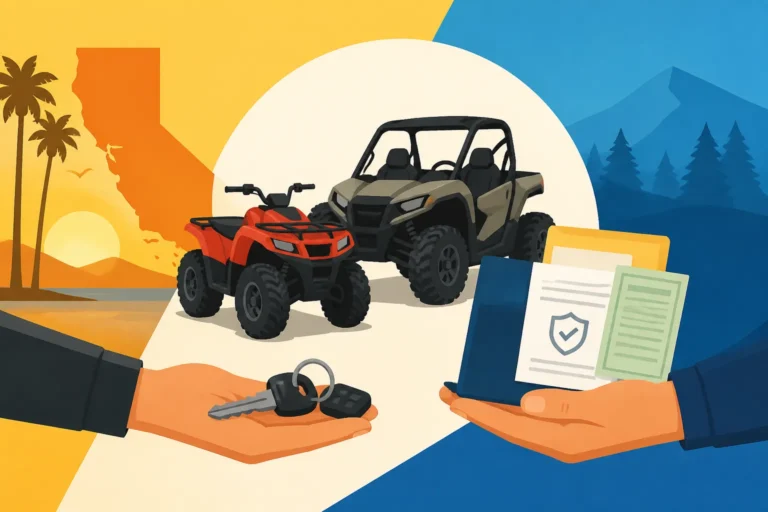
The primary document you'll need for renewing your OHV registration is your previous registration card or your Certificate of Title. If you're registering a machine for the first time or transferring ownership, the process is a bit more involved. You'll likely need a completed [What California's Form REG 343 Asks For], which is the Application for Title or Registration, and potentially a [California Vehicle Verification on Form REG 31]. This verification is often required for new registrations or if there's any question about the vehicle's identification numbers.
Once you have your paperwork in order, you have a few options for submitting it. The most common way to renew is by mail, which is convenient but can take several weeks for processing and for your new sticker to arrive. You can also renew in person at a California DMV field office, though this usually requires a [California OHV Registration Appointment at the DMV] and can involve significant wait times, especially closer to the June 30th deadline. While some renewals can be done online, it's generally best to confirm eligibility for your specific situation. If you've recently purchased a used machine, you'll need a bill of sale to prove ownership, and online platforms like LawDepot can be a helpful resource for generating a legally sound bill of sale, ensuring all the necessary details are captured for a smooth transfer of ownership. Always verify with the DMV what specific documents are required for your scenario.
Avoiding Last-Minute Hassles and Penalties
Waiting until the last minute to renew your OHV registration is a gamble, and it rarely pays off. California has a strict [California OHV Late Registration Penalty] that can add a significant amount to your renewal fee. This isn't just a small nuisance; it's a 50 percent penalty on the registration fee if you're late, which means you'll be paying more than you would have if you'd simply renewed on time. This penalty applies regardless of how long the registration has been expired – even if it's just a week past June 30th, you're still on the hook for the full late fee. [California's 50 Percent Late Fee on OHV Registration] can turn a routine renewal into a costly mistake.
It’s also important to understand that California will not prorate your OHV registration fee. This means if you buy a machine in May and the registration expires on June 30th, you still have to pay the full two-year fee, even though you're only getting a month of legal riding out of that initial sticker. [Why California Will Not Prorate Your Fee] is a rule that catches many new buyers off guard, so it’s something to factor into your purchase timing. The stress of trying to squeeze in a DMV visit right before a big trip, only to find you've forgotten a document or an appointment, is entirely avoidable by planning ahead. Submitting your renewal a couple of months before the June 30th deadline gives you peace of mind and ensures your machine is ready when the Glamis season officially opens in the fall.
What to Do If You're Behind Schedule
Despite your best intentions, sometimes life happens, and you find yourself scrambling to get your OHV registration in order just before a planned trip. While there aren't many magic bullets, knowing your options, even limited ones, can make a difference.
Expediting Your Registration (If Possible)
If you're truly in a bind and need your registration updated quickly, your best bet is often an in-person visit to a California DMV field office. However, this isn't a guaranteed quick fix. You'll almost certainly need to schedule an appointment online beforehand, and even with an appointment, wait times can be substantial. Ensure you have every single required document in hand, including your title, any bills of sale, and identification. Any missing item will send you back to square one. There aren't typically "express lanes" or temporary permits available for standard late renewals; the DMV process is what it is.
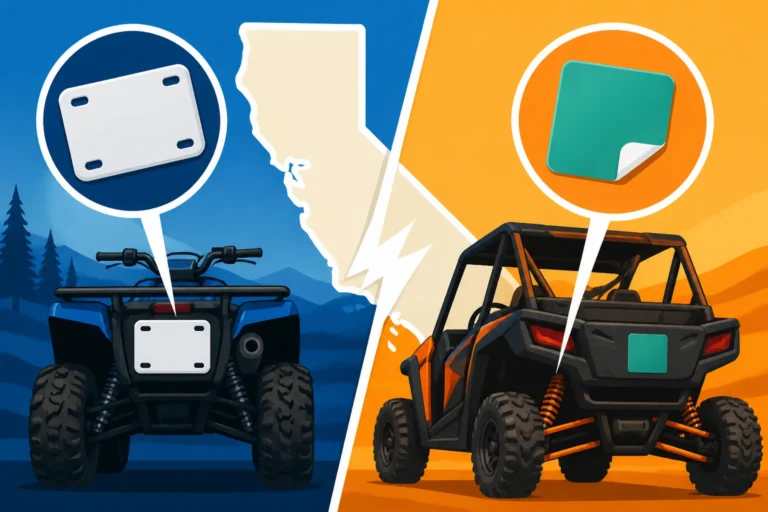
The hard truth is that if you're caught riding with an expired sticker, you're looking at a citation. There's no grace period that lets you off the hook. This is why advance planning is paramount. Also, make sure you understand the type of sticker your machine has – [Green, Red and Tan: California's Three Stickers]. Each sticker color has different implications for when and where you can ride. A Red Sticker machine, for example, might have seasonal restrictions, which is another layer of compliance you need to be aware of beyond just the expiration date, though Glamis is generally open year-round with varying conditions. While LawDepot can't help you with DMV processing times, it can be useful if you need to quickly generate a notarized affidavit or other legal document that might be required in specific, unusual registration scenarios, saving you time finding and drafting those forms.
Understanding Nonresident Permits for Visiting Riders
If you're an out-of-state rider planning a trip to Glamis, you might be wondering about California's registration requirements for your OHV. California has specific rules for nonresidents. If your machine isn't registered in Oregon or Nevada (the only two states with reciprocal agreements), you'll need to purchase a [California's Nonresident OHV Use Permit]. This permit allows you to legally ride your out-of-state registered OHV on California's public lands for a limited period. It's distinct from full California registration and is designed specifically for visitors.
The nonresident permit is a separate fee and is typically valid for two years, expiring on December 31st of the second year. You can often purchase these online, through authorized vendors, or even at some entrance points to major riding areas like Glamis, though buying in advance is always recommended to avoid lines and potential issues. Don't confuse your home state's street legal license plate or OHV registration with California's nonresident permit; they are usually not interchangeable. For instance, an Arizona OHV sticker will not suffice in California; you'll still need that nonresident permit. Just like with California-registered machines, rangers will check for this permit at staging areas and on the trails. If you're borrowing an OHV from a friend, whether in-state or out-of-state, having a clear written agreement can prevent misunderstandings. While not a registration document itself, LawDepot can help create formal lending or rental agreements if you're temporarily using someone else's machine for your trip, providing clarity for all parties.
Hitting the Dunes Prepared: Beyond Just the Sticker
While proper registration is your ticket to ride, preparing for Glamis means more than just a current sticker. The desert environment demands specific safety gear and adherence to additional rules to ensure a fun and safe trip.
Essential Gear and Rules for Glamis
Once your machine is properly registered, it's time to focus on what you'll need to actually ride the dunes safely and legally. One of the most recognizable requirements for dune riding in California is the whip flag. [California Dune Flags and Whips] are mandatory at places like Glamis and Oceano Dunes. Your whip must be at least eight feet tall from the ground to the flag's tip when mounted, and the flag itself must be at least 6×12 inches, bright orange, and mounted within 10 inches of the whip's top. This is a critical visibility measure in the dynamic dune environment.
Beyond visibility, sound is also heavily regulated. California has strict [California Spark Arrester Rules] for all OHVs operating on public land, and your exhaust system must also meet specific noise limits. Rangers frequently conduct sound checks at entrance gates and within riding areas. Ensuring your machine has a U.S. Forest Service approved spark arrester and meets the decibel limits (usually 96 dB for newer machines and 101 dB for older ones) is non-negotiable. And don't forget the personal safety gear: helmets are required for all ATV riders on public land, even adults, and highly recommended for UTV occupants, although UTVs with roll cages and seatbelts offer some waivers for adults. Finally, for Glamis specifically, you'll need an Imperial Sand Dunes Recreation Area (ISDRA) permit. These permits are separate from your OHV registration and are required for your tow vehicle to be in the recreation area, regardless of whether you're camping or just staging. Understanding [ISDRA Permits and California's October Season] is crucial as they become mandatory for the "season" which typically runs from October to April.
Pre-Trip Checklist for Peace of Mind
To make sure you don't miss anything important before you head out to Glamis, a comprehensive checklist is your best friend. This can help you visually confirm everything is in order, from your paperwork to your equipment.
| Item | Status (Checked/Confirmed) | Notes |
|---|---|---|
| OHV Registration Sticker | [ ] | Valid and displayed on machine (June 30th expiration checked) |
| ISDRA Permit | [ ] | Purchased for tow vehicle (if applicable for Glamis) |
| Spark Arrester | [ ] | USFS approved and in good condition |
| Whip Flag | [ ] | 8 ft minimum, 6×12 inch orange flag, mounted correctly |
| Helmet(s) | [ ] | For all ATV riders, recommended for UTV passengers |
| Driver's License/ID | [ ] | Valid for all operators (and safety certs for minors) |
| Registration Paperwork | [ ] | Copy carried on machine or person [California OHV Registration Paperwork Checklist] |
| Tire Pressure | [ ] | Adjusted for sand (lower for traction) |
| Fluids & Fuel | [ ] | Checked and topped off; extra fuel carried |
| First Aid Kit | [ ] | Stocked and accessible |
| Tools & Recovery Gear | [ ] | Basic tools, tow strap, shovel |
| Navigation/Communication | [ ] | GPS, charged phone, radio |
| Water & Snacks | [ ] | Plenty for everyone |
| Weather Check | [ ] | Current conditions and forecast (heat, wind, storms) |
Going through this checklist can help you identify any gaps or forgotten items. It also provides a moment to double-check smaller but equally important details, like ensuring you have a physical or digital copy of your OHV registration on hand while riding, as rangers may ask for it. While Glamis is an incredible destination, it's also a vast and remote environment where self-reliance and preparedness are key. Taking the time to prepare thoroughly will not only keep you legal but also ensure a safer and more enjoyable experience for everyone in your group. If you're arranging a group trip, LawDepot can be a useful tool for generating liability waivers, helping to clarify expectations and responsibilities for all participants.
Disclaimer
This article is for general informational purposes only and does not constitute professional advice. Laws, prices and regulations vary by location and change over time. Consult a qualified professional for guidance on your specific situation.