Moving From Oregon With a Permitted Machine
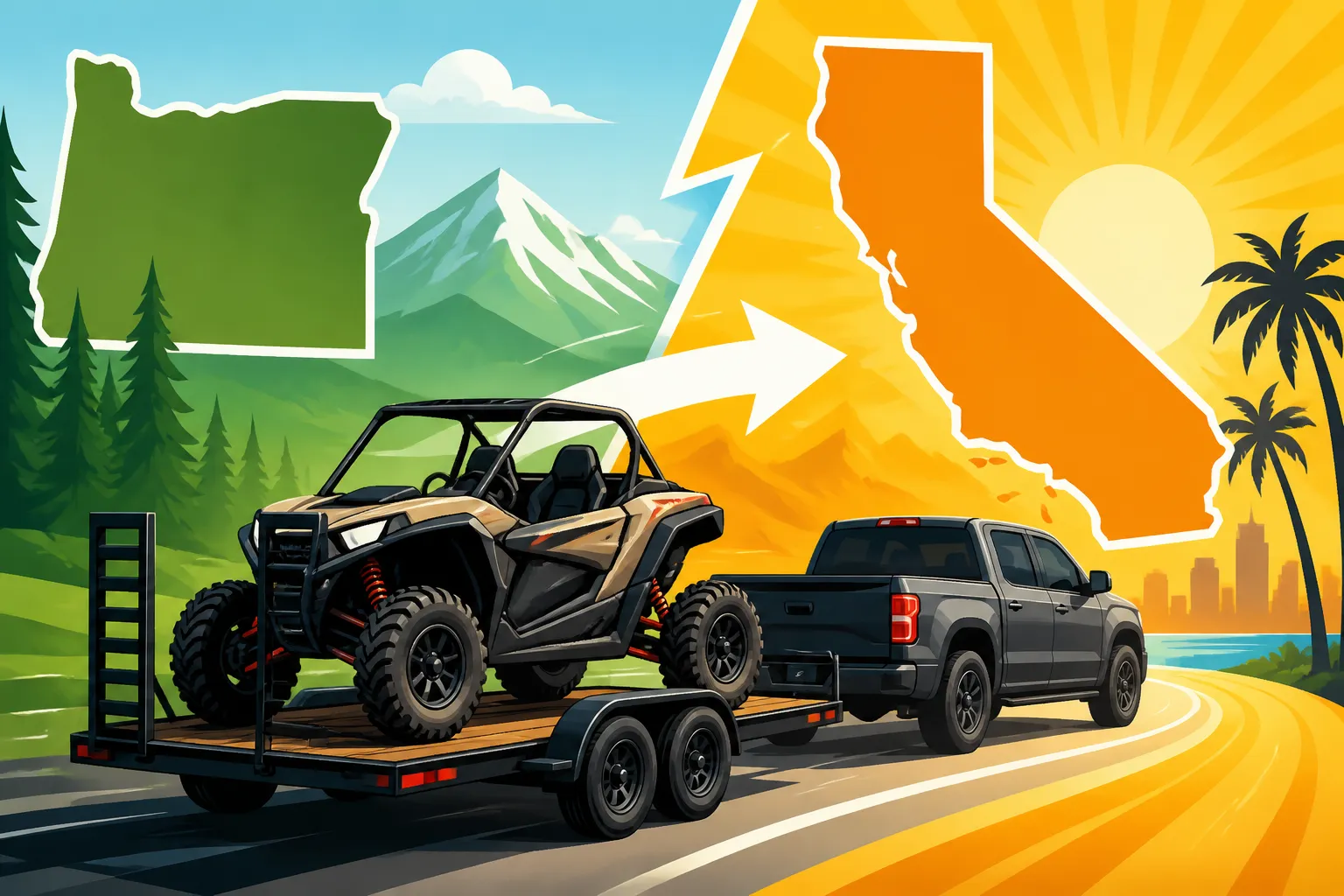
Moving your life to a new state is a huge undertaking, filled with endless checklists, packing boxes, and the general chaos of starting fresh. When you've finally unpacked the last box and are ready to hit the trails, there's nothing more frustrating than realizing your beloved off-highway vehicle (OHV), which was perfectly legal and permitted in Oregon, now needs a whole new identity for California's unique system. This guide is here to walk you through the often-confusing process of getting your Oregon-permitted ATV or UTV registered in the Golden State, helping you avoid headaches and get back to riding.
Navigating California's Distinct OHV Philosophy for New Residents
First off, let's acknowledge a truth that can feel a bit like a punch to the gut: California's off-highway vehicle registration system is, well, different. If you're coming from Oregon, where your permit might have felt like a golden ticket to outdoor adventure, you might assume it'll simply transfer over or that California has some kind of reciprocity. While some states have agreements, California largely operates on its own terms, especially when it comes to permanent residents bringing in machines. Your Oregon permit was valid for Oregon; now, you're entering California's unique ecosystem, and your machine needs to comply with California's rules.
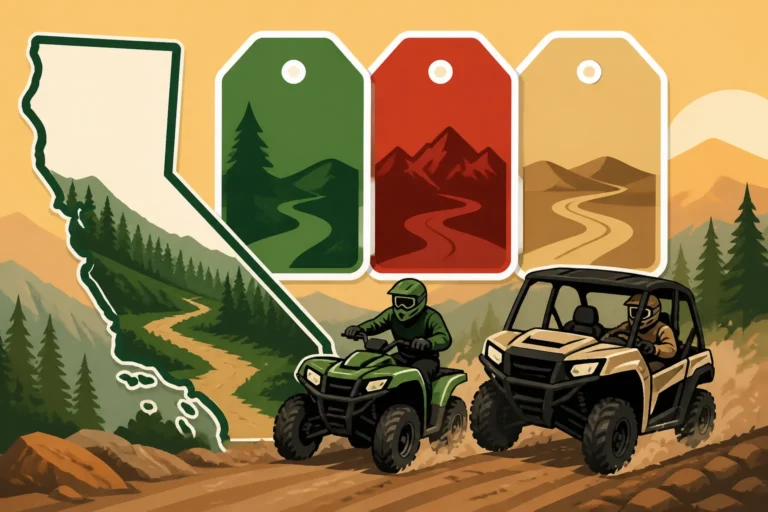
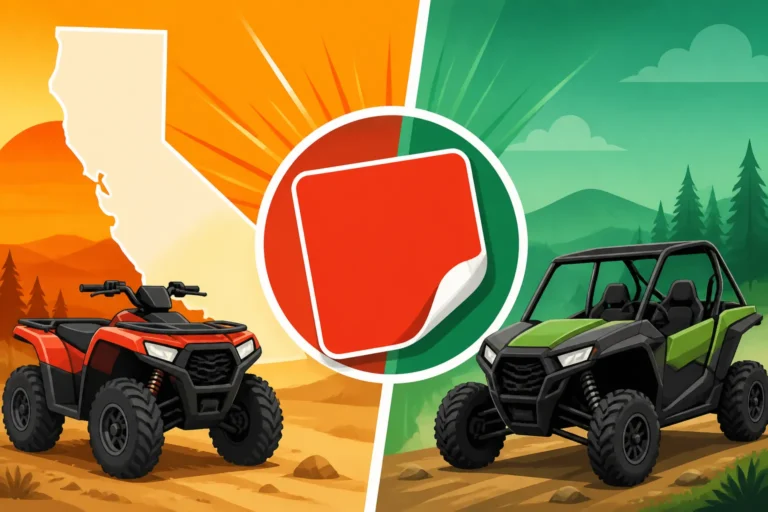
California's system is deeply rooted in environmental regulations, particularly concerning emissions. This is why you'll hear a lot about "Green Stickers" and "Red Stickers" here, which dictate when and where you can ride based on your machine's emissions profile. It's not just about paying a fee; it's about making sure your machine meets certain standards for the air quality in our state's diverse riding areas. For new residents, this often means going through a full registration process as if the machine were brand new to the state, even if you’ve owned it for years. It can feel redundant, but it's crucial for legal riding here.
What this means for your Oregon-permitted machine is that, while having a clear title and proof of ownership from Oregon is invaluable, the Oregon permit itself doesn't grant you immediate riding privileges in California. Think of it less as "transferring" a permit and more like initiating a completely fresh registration with the California Department of Motor Vehicles (DMV). California wants to ensure every OHV operating on its public lands is properly identified, taxed, and categorized according to its environmental standards. It's a system that funds the very trails we love to ride, but it does require some upfront effort.
The Core Process: Registering Your Out-of-State OHV in California
When you move to California and become a resident, any OHV you own must be registered here if you plan to operate it on public lands. Your Oregon permit won't cut it for long-term residency. The first step is acknowledging that you're essentially starting fresh with a [Registering an OHV in California] process, much like someone buying a used machine from out of state. You'll need to work through the California DMV, which is the primary agency for handling these registrations, not necessarily the OHMVR Division directly, though they oversee the overall program.
The key difference for out-of-state machines, especially those previously registered or permitted, lies in establishing California ownership and ensuring the machine meets local identification standards. You'll be presenting your Oregon ownership documents, which is usually a title, and then going through a verification process. This verification is critical because California wants to confirm the vehicle's identity, ensure it's not stolen, and check its physical characteristics against your documents. It’s a necessary hurdle that ensures the integrity of the state’s OHV database.
One of the more common frustrations new residents face is the need for a physical inspection or [California Vehicle Verification on Form REG 31]. While your Oregon permit probably didn't require an in-depth physical check beyond initial identification, California wants to put eyes on the vehicle. This is usually done by a qualified DMV employee, a licensed vehicle verifier, or sometimes even law enforcement, depending on your situation and location. It’s about more than just checking the Vehicle Identification Number (VIN); it's about confirming the machine's physical characteristics match its documentation and assessing its eligibility for a Green or Red Sticker based on the emissions label.
Essential Paperwork and Steps for California Registration
Let's talk paperwork – it’s often the biggest headache, but getting it right saves a ton of grief. When you're ready to register your Oregon OHV in California, you'll need several key documents. Think of it as building a case for your ownership and your machine's legitimacy. Having all these in order before you head to the DMV is crucial, as forgetting just one piece can send you home to start over.
First and foremost, you'll need your original Oregon title or other proof of ownership. If you don't have a physical title, you'll need to understand how [Titling an Off-Highway Vehicle in California] works and what alternatives are accepted. Sometimes, a manufacturer's certificate of origin (MCO) combined with a bill of sale can work if the machine was never titled in Oregon, but a clear title is always best. This document proves you are the legal owner and have the right to register the machine in your name. If you bought the machine recently, having a robust bill of sale, perhaps one you generated with a service like LawDepot, can be incredibly helpful for clearly outlining the transaction details and protecting both parties.
Next up, you'll need to fill out the California DMV form REG 343, which is the Application for Title or Registration. This form is central to the process, asking for all the vital information about your machine and yourself as the owner. It's where you'll declare your new California residency and provide details about the vehicle's make, model, year, and VIN. Taking your time with this form and ensuring accuracy is vital, as errors can cause significant delays. If you're ever unsure about legal documents, remember that platforms like LawDepot offer templates for various legal forms, which can serve as excellent guides when you're preparing documents or verifying details that might appear on your Oregon paperwork.
The third critical component is the aforementioned [California Vehicle Verification on Form REG 31]. This form must be completed by an authorized vehicle verifier. They will physically inspect your OHV, verify the VIN, and check for the U.S. Environmental Protection Agency (EPA) and California Air Resources Board (CARB) emissions labels. These labels are crucial for determining whether your machine qualifies for a Green Sticker (year-round riding) or a Red Sticker (seasonal riding). Without proper verification, your application will be denied. It’s a physical check-up for your machine, ensuring it’s exactly what your paperwork claims it is and that it meets California’s environmental standards.
Finally, be prepared to pay the necessary fees. This includes the biennial registration fee, which covers two years, as well as any applicable sales or use tax if you recently purchased the machine and haven't paid sales tax in Oregon or if the rate difference applies. Unfortunately, California will not prorate your fee, meaning you pay for the full two-year cycle regardless of when you register within it. It’s a full [California OHV Registration Cost], and understanding [California's Biennial OHV Registration Fee] structure can help you budget accordingly.
| Document / Step | Purpose | Notes for Oregon Transferee |
|---|---|---|
| Oregon Title/Ownership Proof | Establishes legal ownership. | Must be original. Ensures smooth transfer of ownership. |
| Form REG 343 | Application for California Title/Registration. | Fill out accurately with your new California address. |
| Form REG 31 (Verification) | Physical inspection and VIN/emission label check. | Completed by authorized verifier. Essential for Green/Red Sticker determination. |
| Proof of Residency | California driver's license, utility bill, etc. | Required to prove you're a resident registering an OHV. |
| Payment for Fees | Covers registration, potential sales/use tax, and other charges. | Be ready for the full [California OHV Registration Cost]; no prorating. |
Once you have all your documents in order, you'll need to visit a California DMV field office. While some tasks can be done online, [Why You Cannot Register an OHV Online] is a reality for out-of-state machines that require physical verification. It’s best to make an appointment to avoid long waits. Bring all your original documents, and be ready to answer any questions about your machine’s history. Services like LawDepot can also provide general templates for various affidavits or declarations if you encounter any unique circumstances requiring additional written statements for the DMV.
What Happens After You Register: Plates, Stickers, and Riding
After successfully submitting your paperwork and paying the fees at the DMV, you'll walk away with proof of registration and, typically, a temporary operating permit. The actual [California Issues a Certificate of Title] will be mailed to you, along with your new California identification plate and the appropriate colored sticker (Green, Red, or in some cases, Tan). This isn't like a car license plate that requires annual renewal; instead, it's a small plate with a specific format, like a motorcycle plate, which is permanently affixed to your OHV.
The identification plate is crucial. For ATVs and quads, it generally [Where the ID Plate Mounts on a Quad] will be in a clearly visible location, usually on the rear. This plate contains your unique California OHV identification number. Along with the plate, you'll receive your sticker – this is the famous Green, Red, or occasionally Tan sticker that indicates your machine's emissions compliance and, therefore, its riding privileges. A Green Sticker means year-round access to most public OHV areas. A Red Sticker, often for newer, less-cleaner burning machines, usually restricts riding to certain "open" seasons, typically outside of peak ozone months, though [Red Stickers and What Changed in California] might have affected this for some machines.
Your registration will be valid for a two-year cycle, expiring on June 30th of the second year. This fixed expiration date means that regardless of when you register your machine, the renewal date remains the same. You'll receive a renewal notice in the mail well before the [California's June 30 Expiration] date, reminding you to pay your [California OHV Registration Renewal Fee]. [Renewing California OHV Registration] is typically a much simpler process than the initial out-of-state registration, often achievable online or by mail, as the verification process is usually a one-time affair unless there's a significant change to the vehicle or its ownership.
Once you have your California identification plate and sticker, you are good to go! Make sure the plate is securely mounted and the sticker is properly displayed on your machine, as rangers will be checking for both at trailheads and within riding areas like Glamis or Ocotillo Wells. Always carry your proof of registration with you when riding on public lands. With your Oregon machine now officially recognized by California, you're ready to explore the incredible variety of trails and dunes our state has to offer, from the desert to the forests. Welcome to the Golden State's vibrant OHV community!
Disclaimer
This article is for general informational purposes only and does not constitute professional advice. Laws, prices and regulations vary by location and change over time. Consult a qualified professional for guidance on your specific situation.