What a Vehicle Verifier Checks on REG 31
Navigating the California Department of Motor Vehicles (DMV) process for off-highway vehicles (OHVs) can feel like a labyrinth, especially when you're faced with forms like the REG 31. This form, the "Vehicle Verification," is often a roadblock for folks just trying to get their quad or side-by-side legally registered. It can be incredibly frustrating to show up for an appointment, only to find out you're missing something crucial. This guide is here to demystify the REG 31, breaking down exactly what a vehicle verifier looks for so you can be fully prepared and sail through the process.
Understanding the Purpose of Form REG 31 Verification
Let's be honest, paperwork for OHVs in California can feel like an endless stack of hurdles. But each form, even the seemingly simple ones, serves a critical purpose. The REG 31, or Vehicle Verification form, is essentially the state's way of confirming that the vehicle you're trying to register actually exists, matches its paperwork, and isn't reported stolen or built from a mishmash of questionable parts. It's a crucial step in preventing fraud and ensuring consumer protection, even if it adds another item to your already lengthy to-do list.
Why Verification Matters for OHVs
For off-highway vehicles, verification is particularly important because they don't always come with the same clear paper trail as a street-legal car. Sometimes you're buying a used machine from a private seller, and you might only have a bill of sale and a previous [California Issues a Certificate of Title], or perhaps nothing at all beyond the machine itself. The verification process helps the state confirm the vehicle's true identity, making sure that the Vehicle Identification Number (VIN) on your paperwork matches the one stamped on the frame. This protects you, the buyer, from unknowingly acquiring a stolen vehicle, and it protects everyone else by keeping fraudulent vehicles off public riding areas. Without this step, it would be far too easy for illicitly obtained machines to enter the system.
Imagine you've just bought a used dirt bike from an online ad. The seller seemed nice, you got a decent price, and now you're ready to hit the trails. When you go to register it, the DMV might ask for a REG 31. This isn't them trying to make your life harder; it's them trying to confirm that the VIN on the bike matches what's on any previous title or registration, ensuring the bike truly belongs to the seller and isn't a stolen machine that someone just swapped parts on. It's a layer of security for everyone involved.
Who Can Perform a Verification
This isn't just any neighbor who can sign off on your form. The California DMV has specific individuals authorized to complete the REG 31. Typically, these include DMV employees themselves (often available by appointment at a field office), California Highway Patrol (CHP) officers, licensed vehicle verifiers (who are private individuals or businesses licensed by the DMV), or even some authorized auto club employees. For OHVs, you might find that certain dealerships or off-road shops also have licensed verifiers on staff, which can be a convenient option if you're already getting some work done on your machine. Be sure to check with your chosen verifier beforehand to confirm their availability and any fees they may charge for their service, as private verifiers often have their own rates.
It's a common misconception that any mechanic or notary can sign off on this form. That's simply not true. If you bring a REG 31 completed by an unauthorized person to the DMV, they will reject it, and you'll have to start all over again, potentially delaying your riding plans. Always confirm the verifier's credentials to avoid this headache. For instance, if you're trying to [Registering a Used Quad in California], and the seller didn't have all the proper paperwork, a licensed verifier becomes even more essential.
When is a REG 31 Required?
The REG 31 isn't always needed for every single OHV transaction, which can add to the confusion. However, it's most commonly required in several key scenarios. If you're registering a new machine that has never been registered in California before, especially if it was purchased out of state or if you're the original builder of a custom machine, a verification is often mandatory. It's also frequently required when there's missing or incomplete documentation, such as a lost title, or when there's any discrepancy on the existing paperwork that raises a red flag with the DMV. Transferring ownership of an OHV that has never been registered in California, or one with a murky history, will almost certainly trigger this requirement.
Think of it this way: if the DMV cannot definitively link the physical machine to a legitimate paper trail, they'll want an authorized person to do it for them. For example, if you just moved to California with an OHV you've owned for years, but it was only registered with a simple sticker in your previous state and never had a formal title, you'll likely need a REG 31 to establish its identity in the California system. This ensures everything is above board from the get-go. This is also a common requirement for someone looking to [Registering an Out-of-State Machine in California].
The Nitty-Gritty: What a Verifier Actually Checks
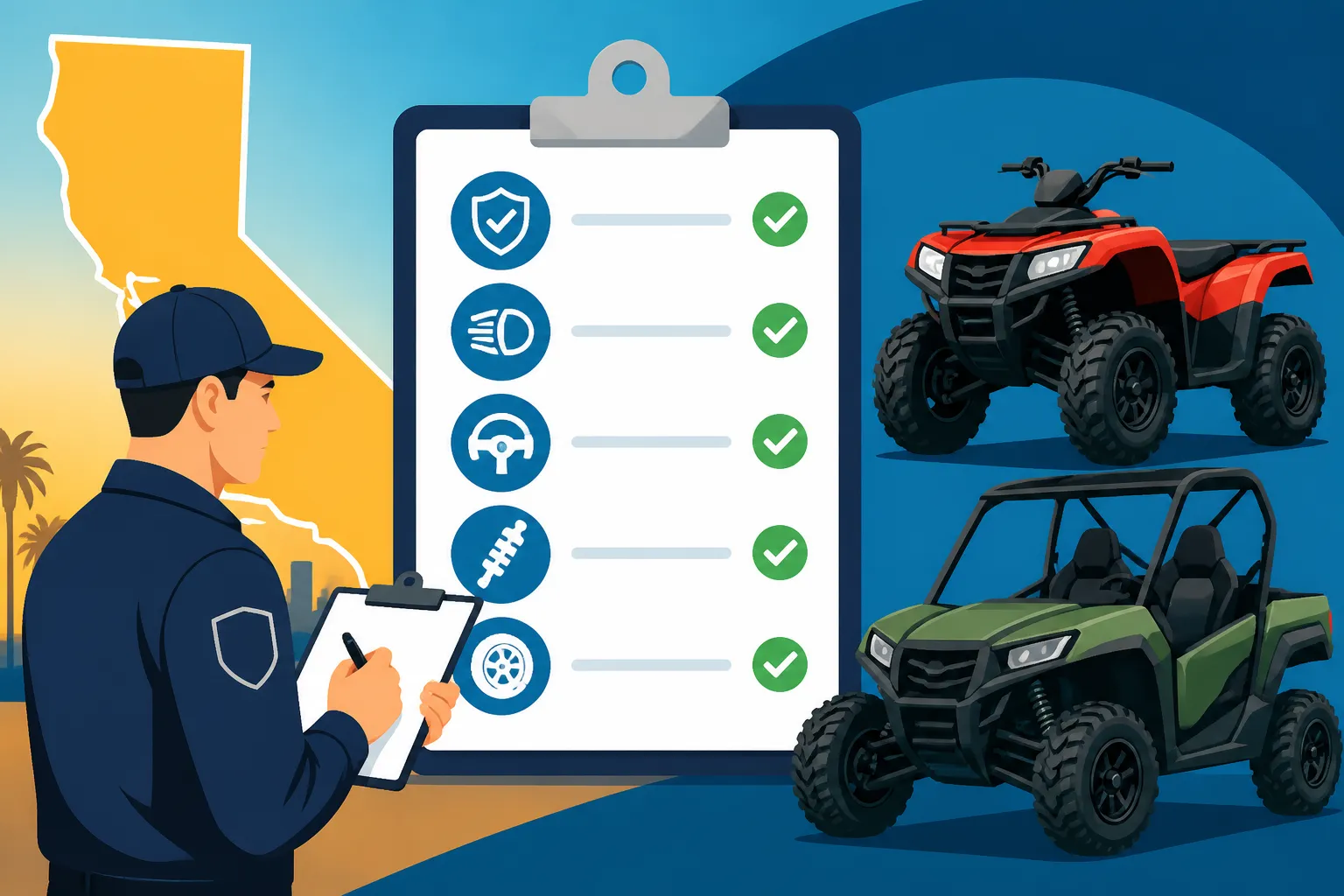
When you bring your OHV in for verification, the verifier isn't just glancing at it; they're conducting a systematic inspection against the information provided on the REG 343 "Application for Title or Registration." They have a specific checklist to follow, ensuring every piece of identifying information on the vehicle matches what's being submitted to the DMV. Knowing what they're looking for can help you prepare your machine and documentation, making the verification process as smooth as possible.
Confirming Identity: VIN and Engine Number
The Vehicle Identification Number (VIN) is the absolute cornerstone of any vehicle verification. This unique 17-character code is typically stamped into the frame of your OHV, often near the steering head on a dirt bike or ATV, or on the frame rails of a side-by-side. The verifier will meticulously check this VIN against your application form and any existing title or bill of sale. Even a single digit mismatch can halt the process. They'll also often look for the engine number, which provides an additional layer of identification, especially if the engine has been swapped or replaced. Make sure these areas are clean, legible, and easily accessible.
A common scenario: you bought an older quad, and some of the numbers on the frame are obscured by rust, paint, or mud. The verifier will ask you to clean it up so they can clearly read every character. If they can't, they won't sign the form. This is why it's crucial to inspect your machine thoroughly before you even show up. Having a legible VIN is fundamental to proving your machine's identity, especially if you're trying to [Transferring a California OHV Registration]. It's the primary way the state tracks these vehicles.
Physical Description and Features
Beyond the VIN, the verifier will cross-reference the physical characteristics of your OHV with the details on the application. This includes the make, model, year, and even the general color of the machine. They'll confirm the fuel type (gas, electric), the number of wheels, and the type of vehicle (ATV, UTV, dirt bike, sand rail, etc.). If you've modified your OHV significantly – say, changed the frame or engine type – those changes need to be accurately reflected on your paperwork. Any discrepancies could lead to questions or delays, as the verifier needs to ensure the description on the form matches the vehicle in front of them.
For example, if your paperwork says "2015 Yamaha Raptor 700" but you've brought in a 2010 model, that's a problem. Or if you've done a custom paint job and the existing title says blue, but your machine is now bright orange, be prepared to explain the change and possibly update the description on your application. The verifier's job is to ensure that the document accurately describes the physical vehicle. This step helps maintain accurate records for all [California OHV Registration] types.
Emissions Compliance and CARB Labels
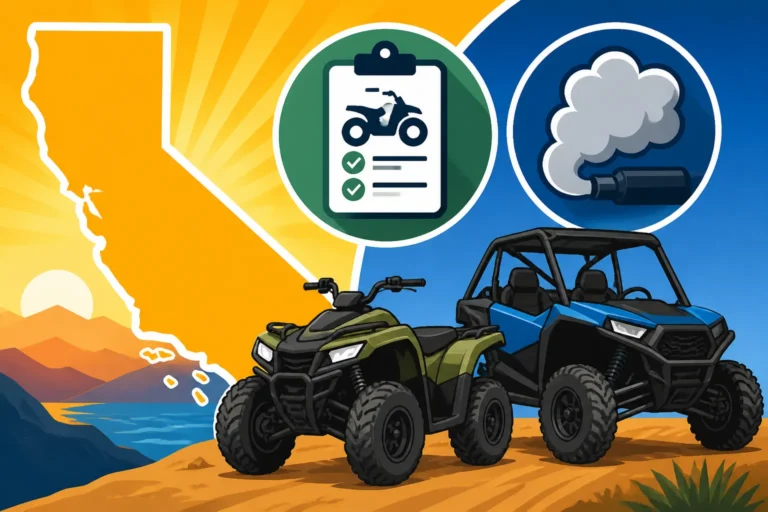
California has some of the strictest emissions standards in the nation, and this extends to OHVs. A critical part of the REG 31 verification process, especially for newer machines, involves checking for the California Air Resources Board (CARB) emissions label. This label, usually found on the frame near the engine or on the engine itself, indicates that the vehicle meets California's emissions standards. The verifier will look for this label and note its presence and details. For machines that are supposed to have one, a missing or tampered CARB label will almost certainly cause the verification to fail, as it indicates the vehicle may not be compliant.
This is where the infamous "Green Sticker" and "Red Sticker" come into play. The CARB label directly influences which sticker your OHV is eligible for. Machines that are CARB-compliant for year-round riding get a Green Sticker, while non-compliant machines or those that don't meet California's stringent standards often get a Red Sticker, limiting their riding season. A verifier needs to confirm the label matches the vehicle's supposed emissions status. Understanding [What CARB Compliance Means in California] is essential here. If your machine is older or a competition-only model, it might be exempt from certain label requirements, but the verifier will still need to note its status.
Preparing Your OHV for a REG 31 Inspection
The last thing you want is to show up for your verification appointment, only to be turned away because you're unprepared. A little bit of foresight and preparation can save you a lot of time and frustration. Think of it like getting your vehicle ready for a road trip: you check the essentials before you head out. For a REG 31, it's all about making the verifier's job as easy as possible.
Gathering Necessary Documentation
Before you even think about the physical inspection, ensure all your paperwork is in order. You'll need the completed REG 343 "Application for Title or Registration," which should accurately detail your OHV. Bring any existing titles, bills of sale, or previous registration documents you have. If you purchased the OHV from a private party, a clear and comprehensive bill of sale is crucial, and using a template from a reputable source like LawDepot can ensure you cover all necessary information, such as buyer/seller details, vehicle description, and purchase price. Sometimes, additional forms like a lienholder clearance or a smog exemption certificate might be necessary depending on your situation. Having everything neatly organized in a folder will present you as a prepared individual and streamline the process.
Imagine a scenario where you've inherited a quad from a relative. You have the machine, but maybe the title is lost, or the original owner never properly registered it. In this case, you'll need to fill out the REG 343 as completely as possible, gather any proof of inheritance (like a death certificate or will), and be prepared for the verifier to scrutinize the VIN and engine numbers carefully. This is a situation where having a well-documented [California OHV Bill of Sale Requirements] from the original purchase, if available, can save a lot of headaches, even if it's decades old. LawDepot offers templates for various legal documents, including bills of sale, which can be invaluable for ensuring you have all the necessary information for the DMV.
| Item Checked by Verifier | What to Prepare/Clean | Why It Matters |
|---|---|---|
| VIN (Vehicle ID Number) | Ensure frame area is clean, free of rust/paint, easily accessible. | Primary identifier, crucial for registration and preventing theft. |
| Engine Number | Clean engine block area if separate from VIN. | Secondary identifier, especially if engine swapped. |
| Make, Model, Year | Confirm matches existing title/bill of sale. | Verifies accuracy of documentation. |
| Fuel Type | Match application (e.g., Gas, Electric). | Correct vehicle classification. |
| Vehicle Type | Match application (e.g., ATV, UTV, Dirt Bike). | Ensures correct category for fees and rules. |
| Color | Confirm matches existing title or update on application if changed. | Physical description match. |
| CARB Emissions Label | Ensure label is present, legible, not tampered with (if applicable). | Crucial for California emissions compliance (Green/Red Sticker). |
| Odometer Reading | Have reading handy for input on form. | Part of standard vehicle identification. |
Common Issues That Can Cause Delays
Nobody wants to make multiple trips to the DMV or a verifier. Knowing the common pitfalls can help you avoid them. As mentioned, an unreadable VIN or engine number is a surefire way to get turned away. Take the time to clean any grime, rust, or old paint from these areas. Discrepancies between your physical OHV and your paperwork – such as a different year or model than listed – will also cause issues. If you’ve swapped engines, be prepared to show documentation for the new engine, if possible. Another common problem is incomplete or incorrect information on the REG 343 application itself. Double-check every box and make sure all required fields are filled out accurately.
Imagine you're trying to register a side-by-side that you bought from a friend. You filled out the REG 343, but you weren't quite sure about the "Declared Value" section, so you left it blank. When you get to the verifier, they can't complete the form without that information. Or perhaps you wrote down the engine number incorrectly. These small errors, though seemingly minor, can lead to a failed verification and necessitate another appointment. Before you head out, make sure your [California OHV Registration Paperwork Checklist] is complete. If you're using a generic bill of sale, it might miss some details LawDepot's specific forms would include, leading to follow-up questions.
After the Verification: Next Steps
Once your OHV has been successfully verified, and the authorized individual has signed and dated your REG 31, you're not quite done. This completed form is just one piece of the puzzle. You'll need to submit the verified REG 31 along with your completed REG 343, any existing title or bill of sale, and payment for the appropriate fees to the DMV. This can typically be done by mail or, for faster processing, by making an appointment at a DMV field office. Remember, a successful verification simply means the state now agrees that the vehicle described on your paperwork is the actual physical vehicle. The next step is getting that official [Registering an OHV in California] sticker or plate!
Once you've got that signed REG 31, breathe a sigh of relief! You've cleared a significant hurdle. Your next move is usually to present this and all your other required documents – like the application, bill of sale, and any fees – to the DMV. For many, that means heading to a field office, often with a pre-booked [California OHV Registration Appointment at the DMV], to ensure a smooth transaction. You might also want to look into [California's $54 OHV Registration Fee Broken Down] to understand exactly what you're paying for in this final step.
Disclaimer
This article is for general informational purposes only and does not constitute professional advice. Laws, prices and regulations vary by location and change over time. Consult a qualified professional for guidance on your specific situation.