Replacing a California ID Plate
It's incredibly frustrating when you're all geared up for a weekend of tearing up the trails, only to discover that your California Off-Highway Vehicle (OHV) ID plate has gone missing, is severely damaged, or has been stolen right off your machine. Not only does it throw a wrench in your plans, but riding without a valid, legible ID plate can land you in hot water with law enforcement. This guide is here to walk you through the often-confusing process of replacing your California OHV ID plate, ensuring you can get back to what you love doing safely and legally.
Understanding Your California OHV ID Plate
For anyone who loves off-roading in California, the OHV ID plate isn't just a piece of metal; it's your machine's ticket to legal riding on public lands. Unlike traditional vehicle license plates, these are specifically designed for machines that don't hit public roads, but still need proper identification for registration and enforcement purposes.
What Exactly is an OHV ID Plate?
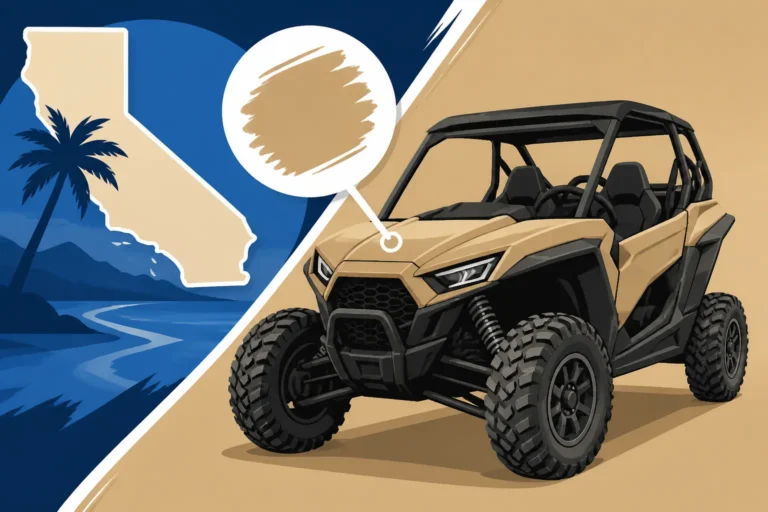
Imagine a mini license plate, but specifically for your quad, dirt bike, or side-by-side. That's essentially what a California OHV ID plate is. It's a small, rectangular metal plate that displays your unique identification number, often referred to as your "OHV ID" or "California OHV Plate Number Explained". This number is directly linked to your vehicle's registration and title, much like a vehicle identification number (VIN) for a car. It's typically issued instead of a traditional decal for certain types of OHVs, and it's absolutely crucial for proving that your machine is properly registered and ready for California's diverse terrains. For a more detailed look, you might want to check out [What the ID Plate Looks Like].
The plate itself is designed to be sturdy, but let's be realistic – our machines take a beating out on the trails! From mud and dust to bumps and scrapes, these plates are exposed to a lot. They usually feature embossed characters, which helps with durability, but they're not indestructible. Knowing what your plate represents and how it functions as a primary identifier for your machine is the first step in understanding why keeping it in good shape, or replacing it promptly when it isn't, is so important.
Why Your ID Plate is So Important
Think of your OHV ID plate as your machine's identity card when you're out enjoying California's vast network of trails, dunes, and SVRAs. Without it, or if it's unreadable, you're essentially riding an unregistered machine in the eyes of the law. This isn't just about avoiding a ticket; it's about proper identification in case of an accident, theft, or even just for routine checks by park rangers or law enforcement.
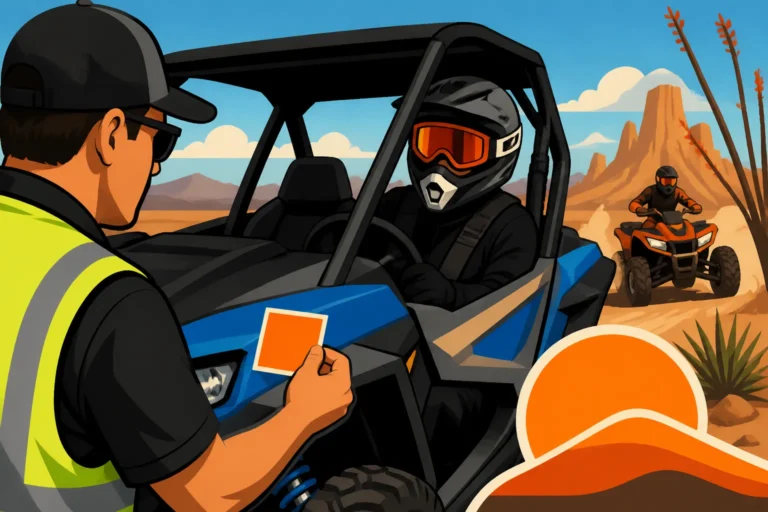
Every time a ranger checks for proper registration at a gate, like at Hungry Valley or Ocotillo Wells, the ID plate is one of the first things they look for, alongside your current sticker. The unique ID number allows them to quickly verify that your registration is current and that the machine belongs to you. This helps ensure that all OHV users are contributing to the upkeep and maintenance of the very lands we ride on, through the fees collected with registration. It also plays a vital role in preventing the sale of stolen machines and helps authorities return recovered vehicles to their rightful owners. In short, your ID plate is a small but mighty component of responsible OHV ownership in California.
Common Reasons You Might Need a Replacement
Life on the trails is exhilarating, but it also comes with its share of bumps, scrapes, and sometimes, unfortunate events. There are several common scenarios that might lead you down the path of needing a replacement OHV ID plate for your California-registered machine. Understanding these can help you act quickly and efficiently when the time comes.
Lost or Stolen Plates
Picture this: You've just finished a fantastic day ripping through the sand at Glamis, you're loading up your quad, and then you notice it. The ID plate, which was securely bolted on this morning, is simply gone. This is a surprisingly common occurrence. Vibrations, rough terrain, or even loose mounting hardware can cause a plate to detach and disappear without a trace. It's truly disheartening when [When Your OHV ID Plate Falls Off in the Dunes].
Even more upsetting is the possibility of theft. While less common than a plate simply falling off, OHV plates can be stolen, sometimes by individuals looking to disguise a stolen machine or to commit other illicit activities. If you suspect your plate was stolen, it's a good idea to report it to local law enforcement. This creates an official record, which can be invaluable when dealing with the California Department of Motor Vehicles (DMV) and protecting yourself from any potential misuse of your missing plate. Having this official report can streamline the replacement process and provide peace of mind.
Damaged or Unreadable Plates
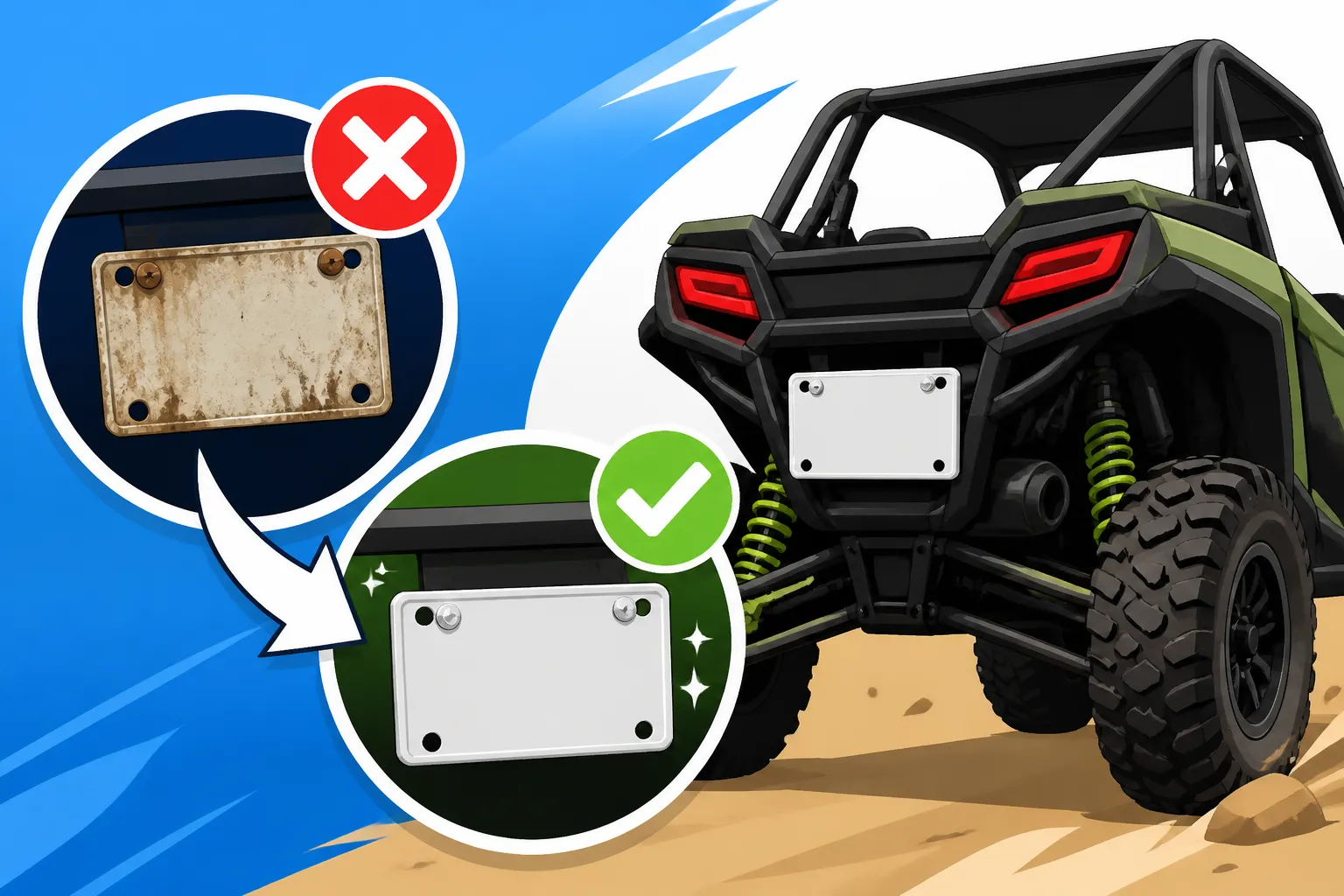
Sometimes, your plate doesn't disappear entirely, but it becomes so battered that it's no longer legible. Think about the abuse these plates endure: getting splashed with mud, smacked by branches, scraped against rocks, or even bent during a minor mishap. Over time, the reflective coating can degrade, the paint can chip, or the metal can simply warp, making the numbers and letters difficult or impossible to read.
Why does legibility matter so much? Again, it all comes back to identification and enforcement. A park ranger needs to be able to clearly read your OHV ID number to verify your registration status. If they can't make out the numbers, it's functionally the same as not having a plate at all, and you could still face a citation. It's your responsibility as the owner to ensure your plate is always clearly visible and readable. If you notice your plate is starting to look worse for wear, don't wait until it's completely illegible or you're pulled over. Proactively seeking a replacement will save you a headache in the long run.
The Step-by-Step Process for Replacing Your Plate
Navigating bureaucracy can feel like traversing an unfamiliar trail without a map, but replacing your California OHV ID plate doesn't have to be a confusing ordeal. By breaking it down into manageable steps, you'll find the process quite straightforward.
Gathering the Necessary Paperwork
Before you even think about heading to a DMV field office or mailing anything, the first and most crucial step is to gather all the required documents. This groundwork will save you immense frustration later on.
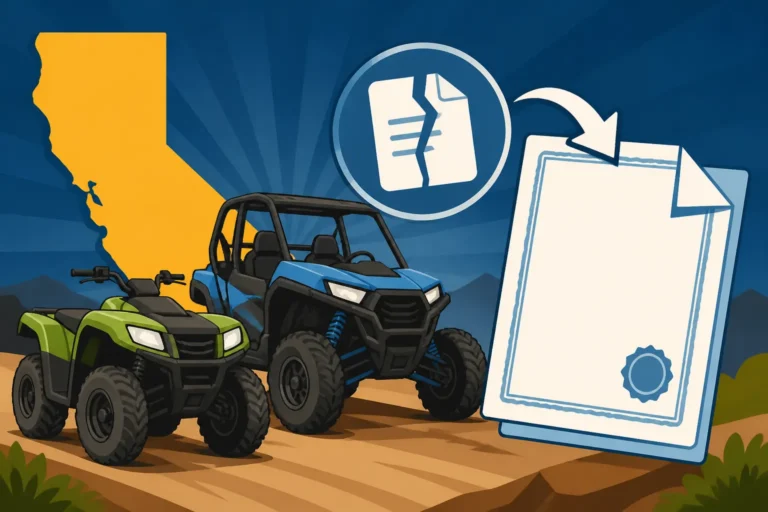
You'll definitely need proof of ownership. This primarily means your [California Issues a Certificate of Title] to the OHV. The title proves you are the legal owner of the machine. If your title is lost or damaged, you'll need to address that first, which is a separate but related process. Next, you'll need your most recent registration card. This shows that the vehicle is currently or was most recently registered to you. It contains vital information like your OHV ID number and the vehicle's details.
It's also a good idea to bring your driver's license or another form of government-issued identification. This helps the DMV verify your identity as the registered owner. In some cases, particularly if your plate was stolen, a police report might be requested. While not always mandatory for a simple replacement, having one if available can certainly expedite things and provide additional proof of the circumstance. Sometimes, if there are complications or specific circumstances, the DMV might require a specialized declaration or affidavit. In these unique situations, resources like LawDepot can be helpful for finding templates for such legal documents, ensuring they're properly formatted and worded. Always check the specific requirements on the DMV's official forms or website for the most current and accurate list. Having a complete [California OHV Registration Paperwork Checklist] can be a lifesaver.
Filling Out Form REG 156
The core document for replacing your lost, stolen, or damaged OHV ID plate is California DMV Form REG 156, officially titled "Application for Replacement Plates, Stickers, Documents." While its name covers a broad range of replacements, it's the right form for your missing OHV plate.
You can usually download this form directly from the California DMV website, or pick one up at any DMV field office. When filling it out, precision is key. You'll need to provide your full name and address as they appear on your vehicle's registration. Crucially, you'll need to enter your OHV ID number, the VIN of your machine, and details about the vehicle itself (make, model, year). There will be a section where you indicate what you are replacing – in this case, a "Special Interest Plate / OHV Identification Plate." You'll also need to check a box indicating why you need a replacement, such as "Lost," "Stolen," or "Mutilated." If your plate was stolen, you'll likely need to provide the case number from your police report here. Take your time, double-check every entry, and make sure all information matches your existing registration and title documents. Any discrepancies can lead to delays.
Submitting Your Application and Fees
Once you have your completed REG 156 and all supporting documents, it's time to submit your application. For most OHV plate replacements, your best bet is to either mail your application or submit it in person at a [Taking an OHV to a California DMV Field Office]. Online submission for plate replacements is generally not available due to the need to verify documents and sometimes collect additional information.
There will be a fee associated with replacing your OHV ID plate. The exact amount can vary, but it's typically a nominal fee covering the cost of manufacturing and processing. It's important to check the current fee schedule on the DMV website before you go or mail your application, so you can include the correct payment amount. If you're submitting in person, you can pay by cash, check, money order, or debit/credit card. If mailing, a check or money order is usually required. Make sure everything is enclosed and sent to the correct mailing address provided by the DMV. Be prepared for a processing time; it's not an instant turnaround. The DMV will need time to process your application, manufacture the new plate, and mail it to you.
What to Do While You Wait for Your New Plate
The wheels of bureaucracy sometimes turn slowly, and waiting for a replacement OHV ID plate can feel like an eternity, especially when the trails are calling. Knowing what you can and can't do during this waiting period is crucial to staying legal and safe.
Riding Legally Without Your Plate
This is where many riders get anxious. Can you still hit the trails if your physical plate hasn't arrived yet, but you've submitted your application? The answer, like many things related to government regulations, is a bit nuanced, but generally, yes, with precautions.
The California DMV generally provides a temporary operating permit or receipt when you apply for a replacement plate. This receipt, along with your current registration card and any other relevant documentation (like a police report if your plate was stolen), serves as your proof of application and legal intent. It's absolutely vital that you carry these documents with you every time you ride your OHV during this waiting period. Keep them in a waterproof bag, safely stowed on your machine or on your person. When a park ranger or law enforcement officer stops you, being able to present these documents demonstrates that you've taken the necessary steps to rectify the situation. While it's not a physical plate, it shows you're acting in good faith. Some SVRAs or riding areas might have specific local rules, so it's always wise to check with the particular land management agency before you head out.
Safeguarding Your New Plate
Once that shiny, new OHV ID plate arrives in the mail, your immediate thought might be to bolt it on and forget about it. However, it's worth taking a few extra steps to ensure this one stays put and remains legible for the long haul. Remember, you've just gone through the hassle of replacing it!
First, consider the mounting hardware. Simply using standard bolts and nuts might be sufficient, but vibrations are a real issue for OHVs. Invest in some high-quality, vibration-resistant hardware, such as Nyloc nuts or thread-locking compound (like Loctite), to secure your plate firmly. Make sure to consult [Bolting the ID Plate to a Quad] for best practices on placement and secure attachment. You might also want to add rubber washers between the plate and the mounting surface to further dampen vibrations and prevent metal-on-metal wear. Some riders even apply a clear protective film over the plate to guard against scratches and fading from UV exposure and trail debris. Regularly check your plate before and after rides to ensure it's still securely attached and hasn't suffered any damage. A quick check can prevent it from becoming lost again, saving you another trip to the DMV.
Common Pitfalls and How to Avoid Them
Replacing an OHV ID plate isn't an inherently complex process, but it's easy to stumble into common traps that can prolong your wait and multiply your frustration. A little foresight can save you a lot of headache.
Missing Documentation or Incorrect Information
This is perhaps the most common reason for delays. Imagine waiting in line at the DMV, only to be told you're missing a key document, or that a piece of information on your form doesn't match the state's records. It's incredibly annoying.
To avoid this, create a checklist (and yes, you can make your own with help from resources like LawDepot if you want a formal way to track your documents) and go through it meticulously before you leave your house or seal that envelope. Double-check:
- Your OHV's VIN: Ensure it's identical on all documents. Even one wrong character can flag your application.
- Your OHV ID number: Again, consistency is key.
- Your current address: Is it up-to-date with the DMV? If not, address that first or provide proper documentation for the change.
- Proof of ownership: Do you have your original title? If not, what acceptable alternatives can you provide?
- Identification: Is your ID valid and matching the name on your registration?
Taking the time to review everything twice, or even having a second person look over your paperwork, can prevent a rejected application or a frustrating second trip. The DMV's website also often has detailed instructions for forms like REG 156, which can clarify any uncertainties.
Dealing with Delays
Even when you do everything right, processing times can be longer than anticipated. This is especially true during peak seasons or if there's a backlog at the DMV. Expecting potential delays can help manage your expectations and reduce stress.
If you've submitted your application and haven't heard back within the typical timeframe (which can range from a few weeks to over a month, depending on current volumes), don't panic. First, check your mail thoroughly – sometimes documents can be overlooked. If nothing, you can usually check the status of your application online via the DMV's website using your OHV ID or VIN. If that doesn't provide clarity, you may need to call the DMV's dedicated OHV unit or visit a field office. When you do, have all your submission details handy: the date you submitted, method of submission (mail or in person), tracking numbers if you mailed it, and copies of all documents you sent. Being prepared with this information will make it much easier for the DMV representative to assist you in tracking down your application. While waiting isn't ideal, especially when you're itching to ride, a little patience and proactive follow-up can ensure your new plate eventually makes its way to you.
| Required Action | Documents/Items Needed | Where to Get Them |
|---|---|---|
| Preparation | Valid Driver's License / State ID | Your Wallet |
| OHV Title (Proof of Ownership) | Your personal records | |
| Current OHV Registration Card | Your personal records | |
| Police Report (if stolen) | Law enforcement agency | |
| Form Completion | Form REG 156 (Application for Replacement Plates, Stickers, Documents) | California DMV website or Field Office |
| OHV VIN, OHV ID Number | Title, Registration Card | |
| Submission | Completed REG 156, supporting docs, payment | Mail or California DMV Field Office |
| During Wait | Copy of Submitted Application & Payment Receipt | Keep from your submission |
| Current OHV Registration Card (always carry) | Your personal records | |
| Post-Receipt | High-quality mounting hardware, thread-locker | Hardware store, OHV parts supplier |
| Clear protective film (optional) | Auto parts store, online |
Disclaimer
This article is for general informational purposes only and does not constitute professional advice. Laws, prices and regulations vary by location and change over time. Consult a qualified professional for guidance on your specific situation.