OHVs Inside a California State Park
It's a common dream for many ATV and UTV enthusiasts in California: loading up the rig, heading to a beautiful state park, and hitting the trails. But the reality can often be a frustrating maze of regulations, leaving riders scratching their heads about where they can actually take their off-highway vehicles. This guide aims to clear up that confusion, explaining exactly where and under what conditions you can enjoy your OHV within California's state park system.
The Core Truth: Designated OHV Parks in California
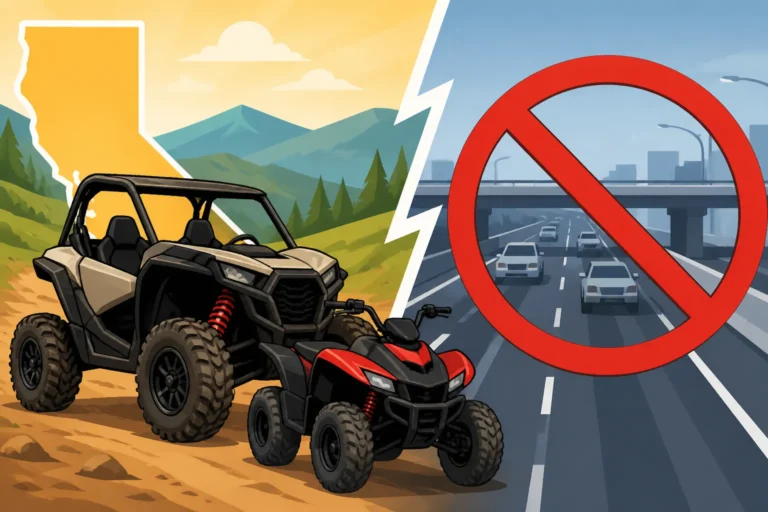
Let's get straight to it: you can't just roll your ATV or UTV into any California State Park and expect to ride. The vast majority of California State Parks are designed for hiking, camping, picnicking, and enjoying nature in a more traditional, quiet sense. Introducing loud, fast off-highway vehicles into these spaces would disrupt wildlife, damage sensitive ecosystems, and fundamentally change the experience for other park visitors. This can be a real bummer when you're exploring a new area and see what looks like prime riding land, only to find it's off-limits.
What is a State Vehicular Recreation Area (SVRA)?
This is where California's unique system steps in. To address the demand for off-highway vehicle recreation while protecting other natural areas, the state established what are called State Vehicular Recreation Areas, or SVRAs. These aren't just "parts" of a regular state park; they are distinct parks specifically designated and managed for OHV use. Think of them as purpose-built playgrounds for your ATV, UTV, dirt bike, or sand rail. They feature a variety of terrains, from open dunes to challenging rock crawls and winding trails, all designed with motorized recreation in mind. The California State Parks Off-Highway Motor Vehicle Recreation (OHMVR) Division oversees these SVRAs, ensuring they offer safe and sustainable riding opportunities. [What the OHMVR Division Actually Does] They fund trail maintenance, law enforcement, and environmental protection within these dedicated areas using a portion of the OHV registration fees.
Unlike a typical state park where you might encounter restrictions on even paved roads, SVRAs are built around the concept of off-highway riding. This means they often have designated staging areas, parking for large trailers, and services tailored to OHV users. It's crucial to understand this distinction, as attempting to ride an OHV in a non-SVRA state park will almost certainly lead to a citation and a hefty fine. The rules are in place for a reason – to protect both the natural environment and the experience of all park visitors.
Finding California's OHV-Friendly State Parks
So, where can you go? California boasts a fantastic network of SVRAs, each offering a distinct riding experience. These are the places where your ATV or UTV is not just tolerated, but celebrated. For example, if you dream of conquering massive sand dunes, you'll be looking at Oceano Dunes SVRA, often referred to as Pismo Beach, which is California's only state park where you can drive directly onto the sand. [Oceano Dunes: California's Only Sand Beach Ride] It's an iconic destination for dune riding, with vast expanses of soft sand.
If technical trails and varied terrain are more your style, places like Hollister Hills SVRA near San Jose offer challenging hill climbs, wooded trails, and even a motocross track. [Hollister Hills, California's Oldest SVRA] Further south, Hungry Valley SVRA, north of Los Angeles, is a massive expanse of hills, canyons, and graded roads, perfect for exploring and covering lots of ground. [Hungry Valley SVRA North of Los Angeles] Then there's Ocotillo Wells SVRA in the desert, known for its wide-open desert riding and unique geological formations, offering free entry and camping. These SVRAs are scattered across the state, offering everything from beginner-friendly loops to expert-level challenges. Before you pack up, always confirm that your chosen destination is indeed a State Vehicular Recreation Area and not a standard State Park. You can find more general information about these areas in articles like [California's State Vehicular Recreation Areas].
Navigating the Rules: Stickers, Safety, and Machine Requirements
Once you've identified an SVRA where you want to ride, the next hurdle is ensuring your machine and your riding practices comply with California's stringent regulations. It can feel like a lot to keep track of, but these rules are designed to protect riders, other park users, and the environment. Trying to skirt them only puts you, your fellow riders, and the future of OHV access at risk.
Understanding California's OHV Sticker System
California has a unique color-coded sticker system that dictates where and when your OHV can be ridden on public lands, including SVRAs. This system is often the biggest source of confusion for new and even seasoned riders.
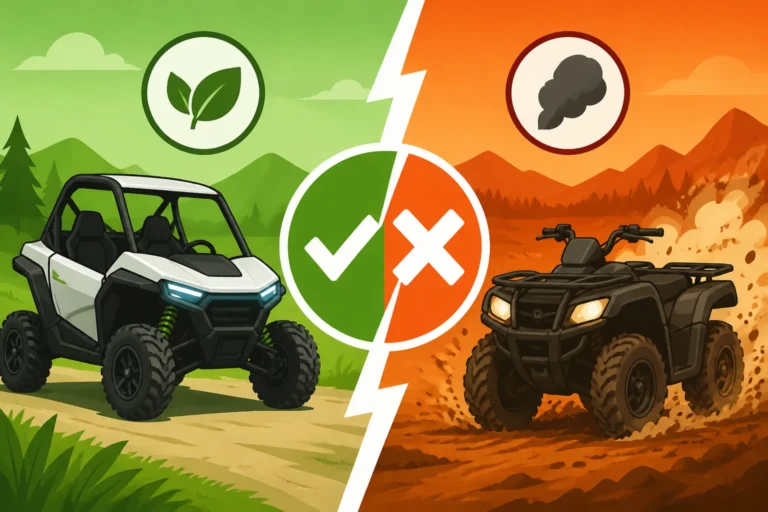
- Green Sticker: This is the most permissive sticker. If your ATV or UTV has a California Green Sticker, it means it meets the state's emissions standards for year-round riding in all approved OHV areas. Machines built before 2003 usually qualify for a green sticker, as do newer machines that meet specific California Air Resources Board (CARB) emission standards. [California's Green Sticker Explained]
- Red Sticker: This sticker applies to OHVs that do not meet California's more stringent emissions standards for year-round use but are still permitted during specific "open" seasons, typically outside of the hotter summer months when air quality is a greater concern. Many newer machines, particularly those manufactured for out-of-state markets, might fall into this category. The rules for red stickers have changed over time, so it's vital to stay updated. [Red Stickers and What Changed in California]
- Tan Sticker: This is a less common sticker, issued to vehicles that don't meet either Green or Red Sticker requirements but are used for sanctioned competitive events, primarily on closed courses. It's highly specialized and generally won't apply to the casual recreation rider. [California's Tan Sticker Eligibility]
If you're an out-of-state rider, you'll likely need a California Nonresident OHV Use Permit, which allows you to ride in California's SVRAs. [California's Nonresident OHV Use Permit] Always check the current status of your machine's sticker and the rules of the specific SVRA you plan to visit before you head out, as seasons for Red Sticker machines can vary.
Essential Safety Gear and Equipment Checks
Safety is paramount in SVRAs. California has strict laws regarding personal protective equipment (PPE) and machine modifications.
- Helmets: This is non-negotiable. Anyone operating or riding an ATV or UTV on public land in California, including SVRAs, must wear an approved safety helmet. This applies to all ages. [California Helmet Law for ATV Riders] Make sure your helmet fits properly and is DOT-compliant.
- Spark Arresters: All OHVs operating on public land must be equipped with a US Forest Service approved spark arrester. This critical device prevents sparks from escaping your exhaust and potentially igniting wildfires, especially in dry, brush-covered areas common in many SVRAs. Failing a spark arrester check can result in a significant fine. [California Spark Arrester Rules]
- Noise Limits: SVRAs enforce noise limits to protect wildlife and ensure a pleasant experience for all visitors. California sets specific decibel limits for OHVs, often checked at entrance gates. Aftermarket exhausts that make your machine excessively loud can lead to a citation. Ensure your exhaust system is stock or a compliant aftermarket option. [California Noise Rules at an SVRA Gate] Some aftermarket manufacturers, like SuperATV, offer exhaust systems that claim to be compliant, but it's always the rider's responsibility to verify.
- Flags and Whips: If you're riding in a sand dune area like Oceano Dunes, an eight-foot whip with a brightly colored flag is usually mandatory. This helps other riders see you over dunes and prevents collisions.
- Tires and Accessories: While not explicitly regulated like helmets or spark arresters, having the right tires for the terrain is crucial for safety and enjoyment. For example, paddle tires are often preferred for sand riding. Consider whether your machine, perhaps with upgrades from a brand like SuperATV, is set up appropriately for the SVRA you're visiting. For UTVs, ensure seatbelts are in good working order and always worn.
Before every ride, do a quick safety check of your machine: brakes, tires, lights, fluid levels, and ensure your spark arrester is clean and intact.
Age, Supervision, and Operational Guidelines
California also has rules regarding who can operate an OHV and under what conditions, especially for younger riders.
- ATV Operators: Generally, riders under 14 must be supervised by an adult with a valid OHV Safety Certificate. While a 16-year-old can operate an ATV, they might still need to complete a safety course or be under direct supervision depending on the specific circumstances. It’s always best to check the most current regulations for the age of the operator and supervisor requirements.
- ROV (Recreational Off-Highway Vehicle, i.e., UTV) Operators: For ROVs, the minimum operating age is usually 16, and operators must possess a valid driver's license or an OHV Safety Certificate. Passengers in ROVs must be able to reach the floorboards and grasp a handhold. Children often need appropriate booster seats or restraints if they cannot fit properly in the vehicle's standard seating. The ROV also needs a roll-over protection structure and seatbelts for all occupants.
- Staying on Designated Trails: This is a golden rule in all SVRAs. Riding off designated trails can lead to severe environmental damage, endanger others, and result in fines. Park rangers actively patrol and enforce these rules.
- Operating Under the Influence: Just like driving a car, operating an OHV under the influence of alcohol or drugs is illegal and carries severe penalties.
Understanding and adhering to these operational guidelines ensures a safe and enjoyable experience for everyone and helps preserve these precious riding areas for future generations. If you're planning to rent a machine, the rental company will typically brief you on these rules and might even provide safety certificates if needed. [Riding a Rented Quad in California]
What to Expect: Trails, Amenities, and Responsible Riding
Visiting a California SVRA is an exciting experience, but knowing what to expect and how to behave responsibly will make your trip much smoother and more enjoyable. These areas are truly gems for off-road enthusiasts, and it's up to all of us to keep them that way.
Staying on Designated Trails and Minimizing Impact
When you enter an SVRA, you'll notice that trails and riding areas are clearly marked. This isn't just a suggestion; it's a strict rule. Riding off-trail, known as "cross-country riding," is strictly prohibited. This is to protect sensitive habitats, prevent erosion, and ensure rider safety. The designated trails are designed to handle OHV traffic, minimizing environmental impact. For example, in many desert SVRAs, sensitive desert flora and fauna can be easily destroyed by a single errant tire track, taking decades to recover.
Respecting these boundaries is crucial. Park rangers often patrol SVRAs and issue citations for violations. These fines can be substantial, so it's always better to stick to the marked routes. Some SVRAs, like Hungry Valley, have trails rated for different skill levels, allowing beginners to learn without being overwhelmed and experienced riders to find their challenge. [California OHV Areas With Beginner Trails] Pay attention to these ratings and choose trails appropriate for your skill level and your machine. If you've modified your UTV with a lift kit or wider A-arms from a company like SuperATV, always be mindful of the trail width limits, as some trails may be too narrow for wider machines.
| SVRA Name | Primary Terrain | Key Features | Location (General) | Sticker Types Accepted |
|---|---|---|---|---|
| Oceano Dunes SVRA | Sand Dunes, Beach | California's only beach riding, camping on sand | Central Coast (Pismo) | Green, Red (seasonal) |
| Hollister Hills SVRA | Hills, Trails, Mud | MX tracks, technical trails, wooded areas | Central California | Green, Red, Tan |
| Hungry Valley SVRA | Hills, Canyons, Dirt | Extensive trail network, graded roads, large area | Southern California | Green, Red, Tan |
| Ocotillo Wells SVRA | Desert, Dunes, Washes | Free camping, open riding, geological features | Southern California | Green, Red, Tan |
| Prairie City SVRA | Dirt, Tracks | MX tracks, ATV tracks, mud bogs | Northern California | Green, Red, Tan |
Camping, Facilities, and Planning Your Visit
Many SVRAs offer amenities tailored to OHV users, including large camping areas that can accommodate trailers, dry camping (no hookups), and sometimes even RV hookups. Some also provide restrooms, showers, and water stations, though facilities can vary greatly from one SVRA to another. For example, Ocotillo Wells is famous for its primitive, dispersed camping, allowing you to camp anywhere within the park boundaries for up to 30 days. Meanwhile, Oceano Dunes offers beach camping right on the sand.
When planning your visit, it's always a good idea to check the specific SVRA's website for:
- Current Conditions: Weather can drastically affect riding conditions, especially in desert or mountain SVRAs. Heavy rain can lead to temporary closures or muddy trails, while extreme heat in the desert can be dangerous. [California Trail Closures After Rain]
- Fire Closures: During fire season, many SVRAs, particularly those in brush-covered areas, may have temporary closures or fire restrictions (like no campfires outside designated rings). [California Fire Closures That Shut Trails]
- Fees and Reservations: While some SVRAs are free, others charge an entrance fee, and some campgrounds may require reservations, especially during peak season or holidays.
- Maps: Download or pick up a physical map of the SVRA. Cell signal can be spotty in remote areas, so relying on digital maps is not always reliable.
- Fuel and Supplies: Many SVRAs are located in remote areas, so plan to arrive with a full tank of gas and all the food, water, and supplies you'll need for your trip.
Embracing the Spirit of Responsible Recreation
Riding OHVs in California SVRAs is a privilege, not a right. By adhering to the rules and practicing responsible recreation, you contribute to the sustainability of these incredible areas. This includes:
- Packing it In, Packing it Out: Leave no trace. Take all your trash with you.
- Respecting Wildlife: Keep a safe distance from any animals you encounter and never harass them.
- Being a Good Neighbor: Be courteous to other riders and park visitors. Keep noise levels down, especially in camping areas during quiet hours.
- Reporting Violations: If you see someone riding irresponsibly or damaging the environment, report it to a park ranger.
- Staying Prepared: Carry a first aid kit, extra water, tools, and a way to communicate in an emergency. Breakdowns happen, and being prepared can make a huge difference.
By doing your part, you help ensure that California's SVRAs remain open and accessible for generations of OHV enthusiasts to come.
Disclaimer
This article is for general informational purposes only and does not constitute professional advice. Laws, prices and regulations vary by location and change over time. Consult a qualified professional for guidance on your specific situation.