Selling an OHV and Signing the California Title
Selling an off-highway vehicle (OHV) in California can feel like navigating a maze of paperwork, especially when it comes to correctly signing over the title. Many folks get nervous about making a mistake or leaving themselves open to future liability, and those worries are completely valid. It's a precise process, and if not handled correctly, can lead to headaches for both the seller and the buyer. This guide is here to walk you through every step of signing the California OHV title, ensuring a smooth, legal, and stress-free transfer of ownership.
Understanding the California OHV Title
When you're ready to sell your beloved ATV, UTV, dirt bike, or sand rail, the California OHV title is the absolute cornerstone of the transaction. It's more than just a piece of paper; it's the legal document that proves you are the rightful owner of that machine. Without it, you really don't have clear ownership, and neither will your buyer.
What is an OHV Title and Why is it Important?
Think of your California OHV title as the deed to your off-road machine. It’s the official record maintained by the state that identifies who legally owns the vehicle. This document includes crucial details like the Vehicle Identification Number (VIN), the make, model, and year of the OHV, and, most importantly, the name of the registered owner.
The importance of this document cannot be overstated. For the seller, it's how you legally divest yourself of responsibility for the OHV. Once you transfer the title correctly, you're no longer the legal owner, which means you're no longer liable for anything that happens with that machine down the road, whether it's an accident, an outstanding parking ticket, or even illegal activity. For the buyer, receiving a properly signed title is their guarantee that they are now the legal owner. It allows them to register the vehicle in their name, get a [California's Green Sticker Explained] or [Red Stickers and What Changed in California] if applicable, and ultimately enjoy their new-to-them ride without legal complications. Trying to buy or sell an OHV without a proper title is a risky game; it can lead to questions about stolen property, difficulties with future registration, and a general lack of legal standing for both parties involved. It’s why the DMV will tell you, [Why the OHV Title Should Be in Your Name].
Locating Your California OHV Title
The first and sometimes most challenging step in selling your OHV is simply finding that elusive piece of paper! Most people keep their vehicle titles in a safe, secure place at home – perhaps a fireproof safe, a locked filing cabinet, or a safe deposit box. It's one of those documents that you don't typically carry around, so it's easy to forget exactly where it ended up. Before you even think about listing your OHV for sale, make it a priority to locate your title. Double-check all your usual spots.
What if your title has gone missing, or perhaps it's been damaged to the point where it's illegible? Don't panic. This isn't a deal-breaker, but it does mean you'll have an extra step before you can complete the sale. You'll need to apply for a duplicate title through the California Department of Motor Vehicles (DMV). This typically involves filling out a specific form (often the REG 227, Application for Duplicate Title), paying a fee, and submitting it to the DMV. The process can take a few weeks, so it's best to address a lost title as soon as you know you plan to sell. Waiting until you have a buyer can delay the sale and potentially lead to them walking away. For a comprehensive walkthrough of this process, check out [Replacing a Lost California OHV Title]. This proactive step ensures that when a buyer is ready, you have all your ducks in a row.
Preparing Your OHV for Sale in California
Once you’ve located that all-important title, the next phase involves gathering all other necessary documentation and physically preparing your machine. A well-prepared sale is a smooth sale, and it instills confidence in potential buyers.
Essential Documentation Beyond the Title
While the title is paramount, it's not the only piece of paper you'll need. Several other documents play a vital role in protecting both the seller and the buyer and ensuring a legal transfer.
The Bill of Sale is absolutely critical. This document serves as a receipt for the transaction and provides a detailed record of the sale, including the date, the sale price, the VIN of the OHV, and the names and signatures of both the buyer and the seller. It protects you by clearly stating that the vehicle has been sold and on what date, which can be crucial for liability purposes. It also protects the buyer by proving they paid for the vehicle and outlining any agreed-upon conditions of the sale. You can find robust, legally sound bill of sale templates from reputable online resources like LawDepot, which helps ensure all the necessary information is captured without you having to draft it from scratch. Having this professionally structured document prevents misunderstandings and provides a clear record for both parties. Understanding [California OHV Bill of Sale Requirements] will help you fill it out completely.
Sometimes, Vehicle Verification might be necessary, especially if the OHV has never been registered in California, or if there's any discrepancy with the VIN. This process involves a qualified individual (like a DMV employee, a licensed vehicle verifier, or sometimes a law enforcement officer) physically inspecting your OHV to confirm its VIN matches the documentation. While not always required for every OHV transfer, it's good to be aware of the circumstances that might trigger this need. For more details on when and how this is done, refer to [California OHV Vehicle Verification Requirements]. It’s typically the buyer’s responsibility to ensure the vehicle passes verification for registration, but having a clean, accessible VIN on your machine will certainly help the process.
Lastly, a brief note on Smog or Emissions certificates: for most off-highway vehicles, you generally won't need a smog certificate for transfer of ownership. OHVs are typically exempt from the standard emissions testing required for street-legal vehicles. However, it's always wise to confirm this directly with the DMV or refer to official state guidelines, just in case there are specific exceptions for certain types or model years, or if the rules have been updated. Generally, an OHV just needs to be equipped with a California Air Resources Board (CARB) compliant exhaust system and spark arrester.
Physical Preparation and Maintenance
Beyond the paperwork, the physical condition of your OHV plays a huge role in attracting buyers and achieving a good sale price. A little effort here can go a long way.
Start with a thorough cleaning. Wash off all the mud, dust, and grime. Clean the plastics, wipe down the frame, and shine up the engine. A clean machine suggests it has been well cared for, even if it’s seen a lot of action. This isn't just about aesthetics; it also allows potential buyers to clearly inspect the vehicle for any damage or wear.
Next, consider performing some basic maintenance. Check the oil, tire pressure, and brake fluid. Ensure all lights are working (headlights, tail lights). Make sure the chain is lubed and the air filter is clean. These small details can prevent buyers from finding obvious flaws during an inspection and give them confidence in your machine. You don't need to do a full engine rebuild, but demonstrating that the OHV is in good running order is crucial. If there are any known issues, be transparent about them. Honesty builds trust.
Part of this transparency also involves having a clear understanding of your machine's compliance. Many buyers will be interested in whether the OHV is Green Sticker, Red Sticker, or even [California's Tan Sticker Machines]. You should be ready to tell them what kind of sticker your machine qualifies for, as this dictates where and when they can ride it. The [CARB Labels and What They Tell You] on your machine can provide vital information regarding its emissions standards and often helps determine its sticker eligibility. Being upfront about the machine's condition, maintenance history, and compliance status sets a good foundation for the sale and helps manage buyer expectations.
The Selling Process: From Listing to Handover
With your title in hand and your OHV looking its best, you're ready to engage with potential buyers. This phase involves everything from pricing your machine correctly to safely exchanging it for payment.
Valuing Your OHV and Creating a Listing
Setting the right price for your OHV is a balancing act. You want to get fair market value, but you also need to be competitive. Start by researching comparable sales. Look at online marketplaces, classifieds, and dealer websites for similar makes, models, years, and conditions of OHVs. This will give you a good baseline. Factor in any aftermarket modifications you've made (which might add value) or any existing damage (which might detract). Be realistic about your machine's condition; even a pristine OHV from a few years ago won't fetch the price of a brand-new one.
When creating your listing, honesty and detail are your best friends. Write an honest, detailed description of your OHV. Include the make, model, year, engine size, mileage or hours (if applicable), and any significant features or modifications. Be upfront about any known flaws, no matter how minor. This saves time by pre-screening buyers and prevents disappointment during inspection. Just as important are good photos. Take clear, well-lit pictures from multiple angles. Show close-ups of specific features, but also overall shots that give a good impression of the machine. Consider including photos of any documentation you have, like maintenance records or the VIN plate.
Once you start getting inquiries, you'll need to think about meeting potential buyers. Always prioritize your safety. It's often a good idea to meet in a public place if possible, or at least have another person with you if meeting at your home. Be prepared for test rides; set clear boundaries and ensure the potential buyer understands they are responsible for any damage during their test. It's not uncommon for sellers to hold the full cash amount or the buyer's driver's license during a test ride as collateral.
Negotiating and Accepting Payment
Negotiation is a natural part of selling anything, and OHVs are no exception. Be prepared for buyers to try and haggle, but also set your expectations and be firm yet fair on your price. Have a minimum price in mind that you're willing to accept, but also be open to negotiation if the offer is reasonable. Highlight the value of your OHV – its good condition, any recent maintenance, or desirable features.
When it comes to safe payment methods, this is where you need to be particularly vigilant.
- Cash is king for private party sales, but only for the exact amount. Verify large sums at your bank.
- Cashier's checks issued by a bank are generally safe, but always verify the check with the issuing bank before handing over your OHV and title. Fraudulent cashier's checks are a common scam.
- Escrow services can be a great option for higher-value machines, as they hold the payment securely until both parties have fulfilled their obligations. This offers maximum protection but does involve a fee.
- Avoid personal checks at all costs, as they can easily bounce after you've already transferred the vehicle.
The importance of having an agreed-upon price in writing cannot be stressed enough. This is where your Bill of Sale comes back into play. Ensure the final agreed-upon price is clearly written on the Bill of Sale, signed by both parties, and dated. LawDepot provides excellent templates that include fields for this, giving both you and the buyer a legal document to reference. This written record prevents any future disputes about the sale price and is essential for the DMV's record of the transfer.
| Document | Purpose | Seller's Responsibility |
|---|---|---|
| California OHV Title | Proof of Ownership, Legal Transfer | Sign over, provide to buyer |
| Bill of Sale | Record of Transaction, Price Agreement | Create, sign, provide copy to buyer |
| Form REG 343 | Application for Title/Registration | Fill out seller's section (if present), buyer primarily handles |
| Form REG 31 | Vehicle Verification | Prepare machine for inspection if required, buyer initiates |
| Maintenance Records | History of Care & Repairs | Optional, but good for buyer confidence |
The Title Transfer: Signing and Submitting Paperwork
This is the moment of truth – the actual transfer of legal ownership. Getting this right is absolutely critical for both your protection as a seller and the buyer's ability to register their new OHV.
Endorsing the California Title Correctly
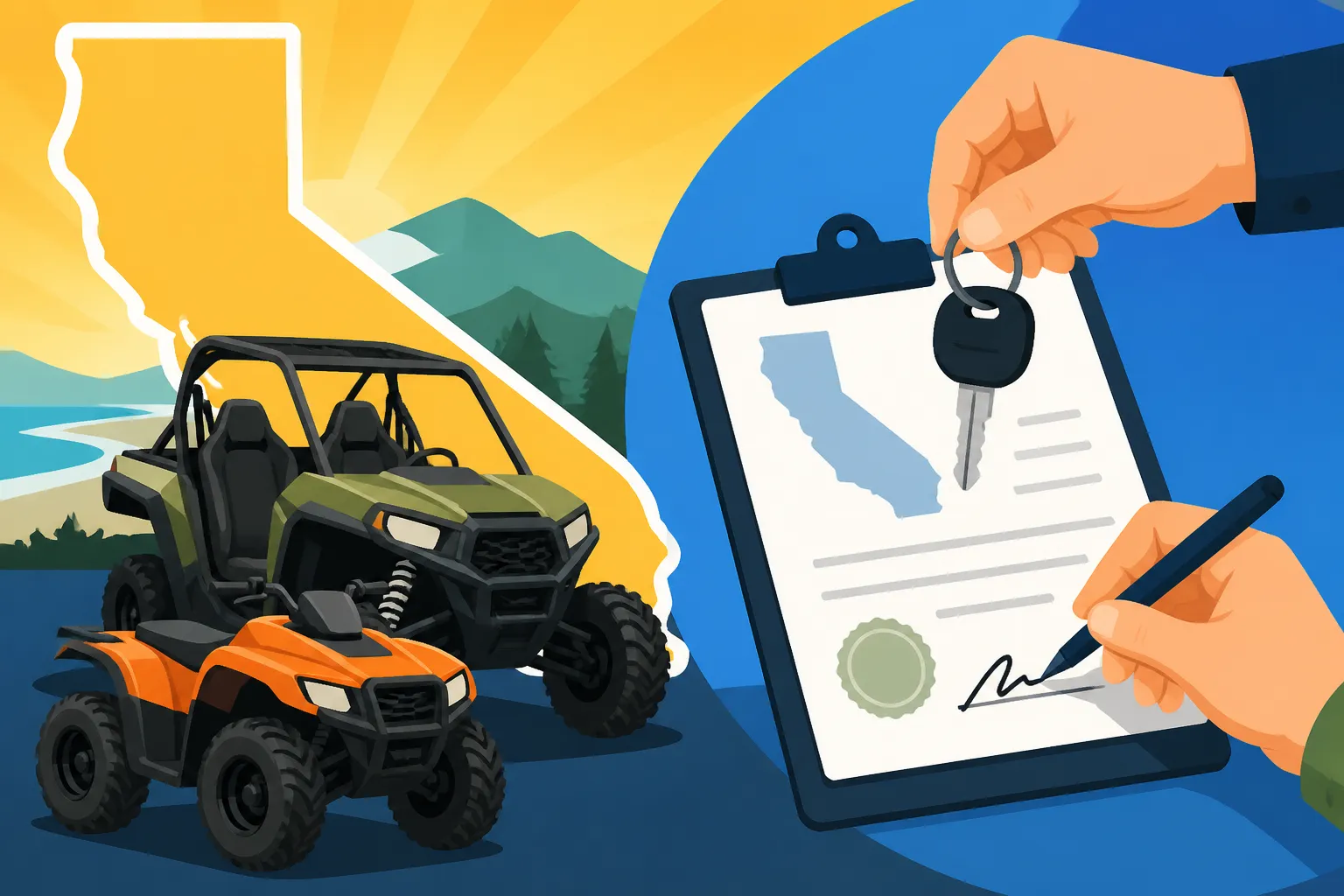
The California OHV title has specific sections designed for the transfer of ownership. It's crucial that you, as the seller, locate these sections and fill them out accurately and completely. Look for areas typically labeled "Seller's Signature" or "Assignment of Title."
Here are the key points to remember:
- Locating the correct sections: The title will usually have clearly marked spaces for the seller to sign and print their name, often on the back or bottom half. There will also be sections for the buyer's information.
- Print name versus signature: Always print your name exactly as it appears on the front of the title, and then provide your signature in the designated box. Make sure your signature matches how it's presented on the title. If the title lists multiple owners (e.g., "John Doe OR Jane Doe"), usually only one signature is needed. If it says "John Doe AND Jane Doe," then both owners must sign.
- Odometer disclosure: While many off-highway vehicles are exempt from federal odometer disclosure requirements due to their nature (they typically don't have odometers, or they're not used on public roads where mileage is tracked for street-legal vehicles), always check the title. If there's an odometer reading field, and your OHV has a functional odometer, accurately record the mileage. If it's exempt or doesn't have one, mark it as "Exempt" or "N/A" if allowed.
- Date of sale: This is incredibly important. Write the exact date the transaction occurred. This date is what the DMV will use to calculate any potential late fees for the buyer and, more importantly, it marks the day you legally relinquished ownership.
- Avoid errors, no white-out: Titles are legal documents, and mistakes can cause big problems. If you make an error, do NOT use white-out. It’s better to neatly cross out the mistake, write the correct information, and initial the change. Some DMVs are very strict about this and may require a new title if there are too many alterations. It’s better to take your time and be precise.
Completing the Bill of Sale and Other Forms
Beyond the title itself, the Bill of Sale (which you hopefully prepared using a template from LawDepot earlier) is your next most important document. Ensure all fields are filled out: the date of sale, the full names and addresses of both seller and buyer, the full sale price, and the OHV's VIN, make, model, and year. Both you and the buyer should sign and date the Bill of Sale, and each party should retain an original copy. This document is the buyer's proof of purchase and helps them with their own registration process. It also serves as your evidence of sale.
The California DMV also uses Form REG 343, Application for Title and Registration. While the buyer is primarily responsible for submitting this form to register the OHV in their name, as the seller, you should be familiar with it. Sometimes, if you're helping the buyer complete the process at the DMV, you might fill out the "Seller Information" section. This form consolidates all the information needed for the new owner to get their title and [Registering an OHV in California] and is what [California's Form REG 343 Asks For]. Ensuring that your part of the paperwork is ready and accurate will facilitate a smoother transaction for both parties.
Crucially, after the sale, California law requires sellers to report the sale to the DMV within 10 calendar days. This is usually done by completing a Notice of Transfer and Release of Liability (Form REG 138), which can often be submitted online or mailed. This report officially notifies the DMV that you are no longer the owner of the OHV. It protects you from any liability for parking violations, accidents, or other legal issues that might occur after the sale date. Don't skip this step! It's your ultimate safeguard.
Post-Sale Responsibilities for the Seller
Even after the cash has changed hands and the title has been signed, your responsibilities as a seller aren't entirely over. Taking these final steps ensures you're completely clear of any potential liability.
Reporting the Sale to the California DMV
As mentioned, reporting the sale to the California DMV is a non-negotiable step for your own protection. You've officially sold the machine, but the state needs to know that you are no longer the responsible party.
The primary method for doing this is by completing and submitting the Notice of Transfer and Release of Liability (NRL). You can often fill out and submit this form online directly through the California DMV website, which is usually the quickest and most efficient way. Alternatively, you can fill out a physical form and mail it in. The form asks for details of the OHV (like the VIN), your information as the seller, and the buyer's information. The date of sale is paramount here, as it establishes the point at which your liability ends.
Why is this step so crucial? Imagine a scenario where the buyer takes your recently purchased OHV for a ride, gets into an accident, and the injured party decides to sue. If you haven't filed that NRL, the DMV's records might still show you as the owner. This could lead to you being named in a lawsuit, having to prove you sold the vehicle, and incurring legal costs. By filing the NRL, you officially inform the state that ownership has been transferred, and thus, your legal liability for that vehicle ceases on the reported date of sale. It's an administrative step that offers significant legal protection. Additionally, if the buyer drags their feet on registering the vehicle, they might face [California's $28 Transfer Penalty in California] or other fees, but by filing your NRL, you insulate yourself from those issues.
What to Do if the Buyer Doesn't Transfer the Title
While you've done everything right on your end, sometimes buyers don't follow through with their part of the process, particularly regarding transferring the title into their name and registering the OHV. This can lead to frustration and potential problems for you down the line if not handled properly.
If you suspect or discover that the buyer hasn't completed the title transfer, you still have safeguards in place, thanks to your proactive steps.
- Seller's affidavit of transfer: If you submitted your Notice of Transfer and Release of Liability, that's your primary defense. If for any reason you didn't, or if additional proof is needed, you might need to prepare an affidavit stating that you sold the vehicle on a specific date to a specific person. This is a sworn statement that can be used as legal evidence.
- Keeping records of all transactions: This is why we emphasized the importance of the Bill of Sale. Keep your original copy of the Bill of Sale, any receipts, copies of the title (if you took photos before signing), and a copy of the NRL you submitted. These documents are your evidence that the sale occurred and that you are no longer the owner. LawDepot provides excellent templates for these records, making them easy to track and retain. Having this paper trail is invaluable if a dispute arises.
- Communication with the buyer: Initially, a polite reminder to the buyer about their obligation to transfer the title might be all that's needed. They might simply be unaware of the urgency or procrastinating. If that doesn't work, however, you have your documentation to protect you.
It's also a good practice for buyers to be diligent. When buying, they should always be [Checking a VIN Before Buying a Used Quad] and making sure the seller hands over all the necessary paperwork. As a seller, providing them with all the correct documents, including the properly endorsed title, a completed Bill of Sale, and perhaps even a reminder about the [Transferring a California OHV Registration] process, sets them up for success and minimizes the chances of issues circling back to you. Your goal is to be completely detached from the OHV, legally speaking, as soon as the sale is finalized.
Disclaimer
This article is for general informational purposes only and does not constitute professional advice. Laws, prices and regulations vary by location and change over time. Consult a qualified professional for guidance on your specific situation.